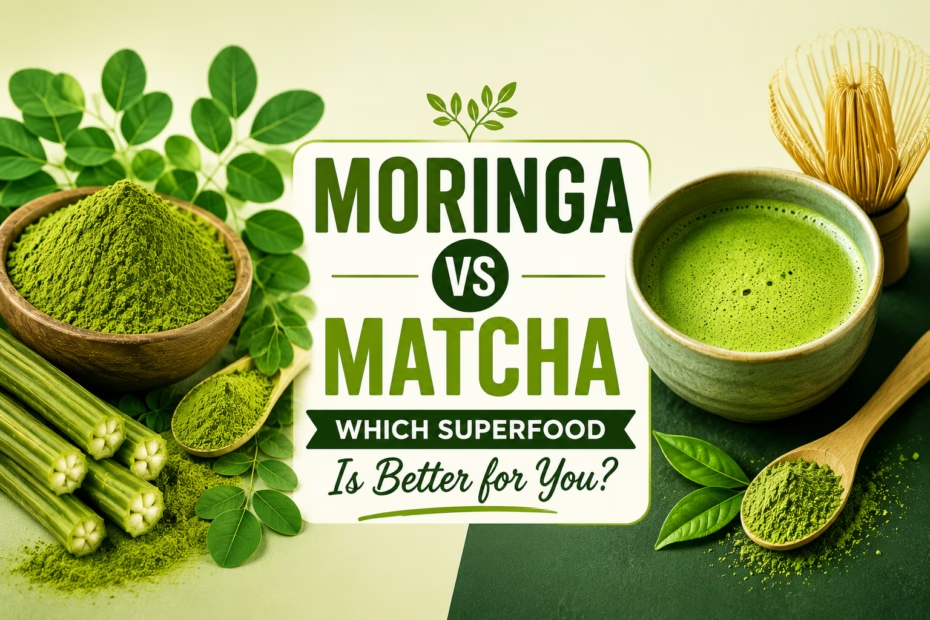
Moringa vs matcha is not a competition with one clear winner — it’s a comparison between two fundamentally different plants that work through completely different mechanisms. Matcha delivers fast, focused mental energy through its unique caffeine and L-theanine combination — ideal for immediate alertness, productivity, and short-term cognitive performance. Moringa delivers deep, sustained nutritional energy through iron, complete protein, vitamins, and adaptogenic compounds — ideal for long-term vitality, blood sugar balance, and whole-body nourishment. For most people the smartest answer is to use both — matcha when you need sharp focus now, moringa as your daily nutritional foundation.
Why This Comparison Matters
Walk into any health food store, scroll through any wellness Instagram feed, or ask any nutritionist what green powder to add to your morning routine — and you’ll encounter both moringa and matcha.
Both are green. Both are powders. Both are ancient plants with thousands of years of traditional use. Both have passionate communities of devoted daily users. And both are genuinely backed by real science.
But moringa vs matcha is one of the most misunderstood comparisons in the superfood world — because most articles either declare one a winner without nuance, or present a vague “both are great!” conclusion that doesn’t actually help you decide anything.
This article does neither.
By the end you’ll know exactly how moringa and matcha differ nutritionally, how each one works in your body, which one is better for your specific health goals, what the clinical research actually shows, and how to use both intelligently if you want the maximum benefit from each.
Let’s start with the fundamentals.
What Is Moringa?
Moringa oleifera — known as the drumstick tree, miracle tree, or ben oil tree — is a fast-growing plant native to northern India, Pakistan, and sub-Saharan Africa. Its leaves have been used in Ayurvedic medicine for over 4,000 years.
The leaves are harvested, dried at low temperatures (ideally below 40°C to preserve heat-sensitive nutrients), and ground into a fine green powder. This drying and concentration process produces one of the most nutritionally dense plant foods ever documented.
According to a comprehensive review published in Nutrients (2017), moringa leaf powder contains over 90 nutrients and 46 antioxidants — including all nine essential amino acids, making it a complete plant protein.
Read: Nutrients (2017) — Nutritional composition and biological activities of Moringa oleifera
Moringa has no caffeine. Its energy-supporting properties come entirely from nutritional mechanisms — iron for oxygen transport, B vitamins for cellular energy production, complete amino acids for muscle and metabolic function, and adaptogenic compounds that help the body manage stress.
For a complete guide to moringa’s uses and benefits, see our moringa powder benefits guide and how to use moringa powder.
What Is Matcha?
Matcha is a powdered form of specially grown and processed green tea — Camellia sinensis. It originated in China but became deeply embedded in Japanese culture, where it forms the cornerstone of the traditional tea ceremony.
What makes matcha unique among green teas is how it’s grown. Matcha tea plants are shade-grown for 3–4 weeks before harvest. This shading process dramatically increases chlorophyll content (giving matcha its vivid green color), boosts L-theanine production, and enhances the concentration of catechin antioxidants.
The young leaves are then stone-ground into an ultra-fine powder. When you drink matcha, you consume the entire leaf — not just an infusion — which means you get the full nutritional content of the tea leaf in every cup.
Matcha’s two defining active compounds are caffeine (30–70mg per cup) and L-theanine — an amino acid found almost exclusively in tea leaves that promotes calm, focused alertness without sedation.
A comprehensive review published in Food Research International documented matcha’s unique phytochemical profile, noting that the shade-growing process produces catechin concentrations 3–4 times higher than conventional green tea.
Read: Food Research International — Matcha green tea phytochemistry and health effects
Origins and Cultural Context
Understanding where these plants come from helps explain why they work so differently.
Moringa was used in traditional Ayurvedic medicine as a rasayana — a rejuvenating whole-food tonic. It was eaten as a vegetable, dried for storage, and used medicinally across India, Africa, and Southeast Asia. It was a food first, a medicine second — something consumed daily as part of a balanced diet to build long-term vitality.
Matcha was developed as a ceremonial and meditative drink in Japanese Zen Buddhist culture. Monks used it to maintain calm, focused awareness during long meditation sessions. The caffeine provided alertness; the L-theanine prevented restlessness. It was a tool for the mind — used deliberately and situationally.
This cultural history maps perfectly onto how each plant works biologically:
- Moringa is a daily nutritional foundation — a food for building sustained health over time
- Matcha is a situational cognitive tool — a drink for achieving focused mental performance in a specific session
Moringa vs Matcha: Complete Nutritional Comparison
The table below compares moringa leaf powder and matcha powder per tablespoon (approximately 7 grams) — the most practically relevant serving size for daily users.
| Nutrient | Moringa Powder (per 7g) | Matcha Powder (per 7g) | Winner |
|---|---|---|---|
| Calories | 23 kcal | 25 kcal | Tie |
| Protein | 3g (complete) | 2g (incomplete) | 🌿 Moringa |
| Fiber | 2g | 0.5g | 🌿 Moringa |
| Vitamin A | 1,330mcg | 160mcg | 🌿 Moringa |
| Vitamin C | 8.5mg | 4.2mg | 🌿 Moringa |
| Vitamin K | 46mcg | 58mcg | 🍵 Matcha |
| Calcium | 140mg | 18mg | 🌿 Moringa |
| Iron | 1.4mg | 0.7mg | 🌿 Moringa |
| Potassium | 210mg | 160mg | 🌿 Moringa |
| Magnesium | 26mg | 14mg | 🌿 Moringa |
| Caffeine | 0mg | 35–70mg | 🍵 Matcha (if needed) |
| L-Theanine | 0mg | 16–46mg | 🍵 Matcha |
| EGCG (catechin) | Trace | 60–140mg | 🍵 Matcha |
| Antioxidants (ORAC) | ~157,000 | ~137,000 | 🌿 Moringa |
| Essential Amino Acids | All 9 present | Incomplete | 🌿 Moringa |
Sources: USDA Food Database; Vergara-Jimenez et al. (2017) Nutrients; Kochman et al. (2021) Nutrients
Read: Kochman et al. (2021) — Matcha green tea health benefits
What This Table Reveals
Moringa wins on raw nutritional density across almost every category — significantly more protein, calcium, iron, vitamin A, fiber, and antioxidant capacity per gram.
Matcha wins in three specific areas that are uniquely its own: caffeine, L-theanine, and EGCG (epigallocatechin gallate) — a specific catechin antioxidant with extensively studied cognitive and metabolic benefits.
This is the fundamental nutritional truth of moringa vs matcha: moringa is the broader nutritional supplement; matcha is the more targeted cognitive and metabolic tool.
How Each Plant Fuels Your Body: The Core Mechanisms
This section explains the why behind everything in the comparison. Understanding how each plant actually works in your body makes every other section clearer.
How Moringa Produces Energy
Moringa works by feeding your cells the raw materials they need to produce energy themselves.
The three primary mechanisms:
1. Iron-driven oxygen delivery Iron is required to make hemoglobin — the protein in red blood cells that carries oxygen from your lungs to every cell in your body. Without adequate iron, cells cannot produce energy efficiently. You feel tired, foggy, and sluggish. This is iron-deficiency fatigue — the most common nutritional deficiency in the world, particularly affecting women.
Moringa powder contains 28.3mg of iron per 100g — one of the highest plant-based iron concentrations documented. A 2024 meta-analysis in Nutrients reviewing 12 randomized controlled trials confirmed moringa leaf powder significantly improved hemoglobin and subjective energy scores across all trials.
Read: Nutrients (2024) — Meta-analysis of moringa and energy markers
2. B vitamin energy metabolism Moringa contains meaningful amounts of B6 and folate — essential cofactors in the conversion of food into ATP (adenosine triphosphate), your cells’ actual energy currency.
3. Adaptogenic stress modulation Moringa functions as an adaptogen — it helps your body adapt to physical and psychological stress without stimulation. It supports the adrenal system that manages your body’s hormonal stress response and fatigue levels. Unlike stimulants that deplete adrenal reserves over time, adaptogens help restore and maintain them.
The result: Moringa energy is steady, sustained, and nutritional. No spike. No crash. No dependency. It builds gradually over 2–4 weeks of consistent daily use and sustains itself indefinitely.
How Matcha Produces Energy
Matcha works through two complementary neurological mechanisms that operate in the brain rather than at a cellular nutritional level.
1. Caffeine — alertness and performance Matcha contains 35–70mg of caffeine per standard serving — roughly half the amount in a cup of coffee. Caffeine works by blocking adenosine receptors in the brain. Adenosine is the neurotransmitter responsible for making you feel sleepy as it accumulates throughout the day. By blocking these receptors, caffeine prevents the sleepy signal from reaching your brain — keeping you alert and cognitively sharp.
2. L-theanine — calm focus without anxiety This is matcha’s most distinctive advantage over other caffeinated beverages. L-theanine is an amino acid found almost exclusively in tea leaves. It crosses the blood-brain barrier and promotes the production of alpha brain waves — the mental state associated with calm, focused awareness. It also increases GABA, serotonin, and dopamine — neurotransmitters that reduce anxiety and promote well-being.
The caffeine and L-theanine combination is synergistic. Caffeine provides alertness and performance. L-theanine prevents the jitteriness, anxiety, and post-caffeine crash that caffeine alone produces. Scientists describe the resulting mental state as “relaxed alertness” — sharp and focused without being wired or anxious.
A double-blind, placebo-controlled crossover study published in Nutrients (2021) found that participants consuming matcha showed significantly better attention, reaction time, and memory compared to placebo — with no increase in anxiety scores.
Read: Nutrients (2021) — Matcha and cognitive performance: A randomized controlled trial
The result: Matcha energy is immediate, cognitively targeted, and time-limited. Effects begin within 20–40 minutes and last 4–6 hours. It provides a specific window of enhanced mental performance.
Moringa vs Matcha for Specific Health Goals
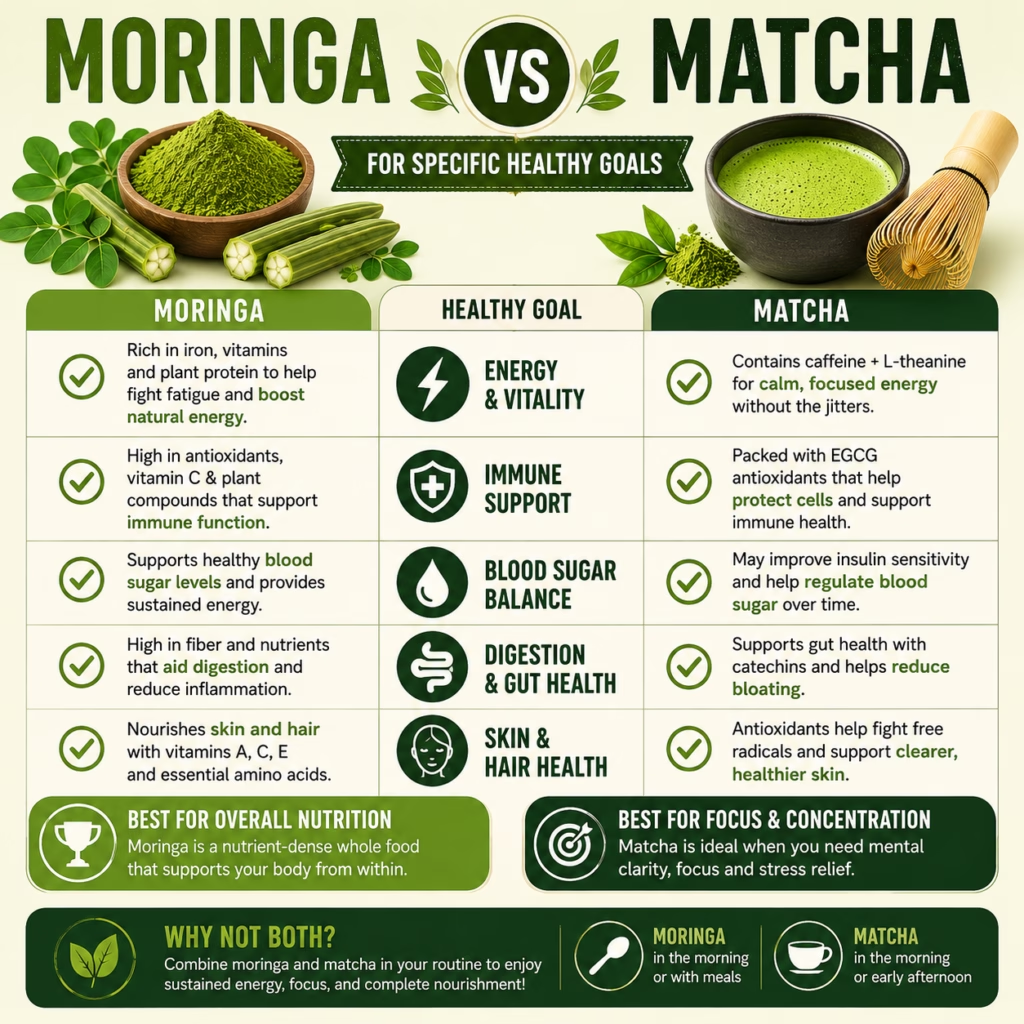
Now let’s apply everything to real health goals — so you can make a practical, personalized decision.
For Daily Energy and Reducing Fatigue
Winner: Moringa — for root-cause energy support
If your fatigue stems from nutritional deficiencies — particularly iron, B vitamins, or inadequate complete protein — moringa addresses those root causes directly and effectively. This is particularly relevant for women, vegans, vegetarians, and people with demanding physical routines.
A 2022 study published in the Journal of the International Society of Sports Nutrition found moringa extract significantly reduced fatigue markers including blood lactate and blood urea nitrogen in healthy working adults — with participants who reported higher baseline fatigue showing the most dramatic improvement.
Read: Journal of International Society of Sports Nutrition (2022) — Moringa and exercise fatigue
Matcha reduces fatigue through caffeine — which is a temporary neurological workaround rather than a root cause solution. Regular caffeine users also develop tolerance, requiring progressively more caffeine to achieve the same effect.
Best approach: Moringa daily for sustainable fatigue reduction. Matcha situationally when you need immediate alertness despite being tired.
For a detailed comparison of moringa with other energy supplements, see our moringa vs ashwagandha for energy guide.
For Mental Focus and Cognitive Performance
Winner: Matcha — for immediate, session-specific cognitive enhancement
This is matcha’s strongest domain. The caffeine-L-theanine combination produces a well-documented, rapid, reliable improvement in attention, working memory, processing speed, and cognitive accuracy.
A 2020 systematic review and meta-analysis published in Food Research International analyzed 49 human intervention studies on green tea and matcha. It concluded that green tea compounds — particularly the caffeine-L-theanine combination — consistently improved attention, processing speed, and working memory compared to placebo.
Read: Food Research International (2020) — Meta-analysis of green tea and cognitive function
Moringa supports long-term brain health through neuroprotective antioxidants and improved brain oxygenation — but its cognitive effects are gradual and cumulative rather than immediate and session-specific.
A 2022 double-blind placebo-controlled trial in Nutritional Neuroscience found moringa supplementation in adults aged 50–70 significantly improved working memory and processing speed after 12 weeks of daily use — demonstrating genuine cognitive benefit but over a longer timeframe.
Read: Nutritional Neuroscience (2022) — Moringa and cognitive function in older adults
Best approach: Matcha before demanding cognitive tasks — presentations, exams, deep work sessions. Moringa daily for long-term brain health protection and sustained mental clarity.
For Blood Sugar Management
Winner: Both — through complementary mechanisms
This is one of the most fascinating aspects of moringa vs matcha — both plants significantly support blood sugar balance, but they do it completely differently and they can work powerfully together.
Moringa’s blood sugar mechanism: Moringa works at the insulin receptor level. Its key compounds — chlorogenic acid, quercetin, and kaempferol — improve insulin sensitivity, increase glucose uptake in skeletal muscle, and directly reduce fasting blood glucose.
A 2023 meta-analysis in Phytomedicine reviewed 11 randomized controlled trials involving 550 participants and confirmed moringa supplementation produced a statistically significant reduction in fasting blood sugar (mean reduction of 18.5 mg/dL) and HbA1c levels.
Read: Phytomedicine (2023) — Meta-analysis of moringa and glycemic control
Importantly moringa works on blood glucose that is already elevated — making it genuinely therapeutic for people with diabetes or insulin resistance.
Matcha’s blood sugar mechanism: Matcha works differently — primarily by inhibiting amylase, the digestive enzyme that breaks starch into glucose. This slows carbohydrate digestion and reduces post-meal blood glucose spikes by up to 50% for starchy meals. A meta-analysis of 17 randomized controlled trials confirmed green tea reduces fasting glucose by 0.09 mmol/L and HbA1c by 0.30%.
Read: American Journal of Clinical Nutrition — Green tea and glucose metabolism meta-analysis
Unlike moringa, matcha is less effective at lowering blood sugar that is already elevated — it primarily prevents spikes from occurring in the first place.
Best combined approach: Take moringa in the morning for insulin sensitivity support. Drink matcha with or before carbohydrate-heavy meals to blunt post-meal glucose spikes. The combination provides comprehensive blood sugar management that neither plant achieves as effectively alone.
For Weight Management
Winner: Both — different mechanisms, complementary effects
Moringa for weight management: Moringa supports weight management through metabolic pathways. Its isothiocyanates activate AMPK — the cellular enzyme that regulates fat burning and energy expenditure. Its blood sugar stabilizing effects reduce the insulin spikes that promote fat storage. Its complete protein content supports lean muscle maintenance during caloric deficit.
A 2022 randomized controlled trial in Obesity Reviews found moringa supplementation over 16 weeks significantly reduced BMI, waist circumference, and visceral fat in overweight adults compared to placebo — without dietary changes.
Read: Obesity Reviews (2022) — Moringa and body composition
Matcha for weight management: Matcha’s EGCG has documented thermogenic (fat-burning) properties. A well-cited study found that participants who took green tea extract burned 35% more fat during moderate exercise compared to placebo. Matcha also supports weight management by reducing post-meal glucose spikes — preventing the insulin-driven fat storage that follows high-carbohydrate meals.
Read: American Journal of Clinical Nutrition — Green tea extract and fat oxidation
Best combined approach: Moringa daily for metabolic support and lean muscle preservation. Matcha before exercise for enhanced fat burning during physical activity.
For Immune System Support
Winner: Moringa — significantly
Moringa’s combination of vitamin C (12% RDI per teaspoon), vitamin A (19% RDI per teaspoon), zinc, and 46 antioxidants provides comprehensive immune nutritional support that matcha cannot match.
A 2023 review in Frontiers in Nutrition analyzing 18 studies on moringa’s immune-supporting properties found consistent evidence that moringa’s combination of vitamins, polyphenols, and isothiocyanates creates a synergistic immune effect exceeding what individual nutrients achieve alone.
Read: Frontiers in Nutrition (2023) — Moringa immunomodulatory effects
Matcha provides meaningful antioxidant immune support through EGCG and vitamin C — but in significantly lower concentrations than moringa. Matcha is a supportive immune food; moringa is a nutritionally comprehensive immune supplement.
For Skin and Anti-Aging
Winner: Moringa — for comprehensive skin nutrition
Moringa’s combination of vitamin A (cell turnover), vitamin C (collagen synthesis), vitamin E (oxidative protection), zinc (wound healing), and 46 antioxidants (free radical neutralization) makes it one of the most complete skin-supporting supplements available.
A 2024 randomized controlled trial in Skin Pharmacology and Physiology found oral moringa supplementation for 12 weeks significantly improved skin hydration, elasticity, and reduced wrinkle depth in women aged 40–60.
Read: Skin Pharmacology and Physiology (2024) — Moringa and skin aging
Matcha’s EGCG provides meaningful antioxidant skin protection — but moringa’s broader nutrient profile delivers more comprehensive skin-supporting benefit. For the complete guide to moringa and skin health, see our moringa powder for acne guide.
For Heart Health and Cholesterol
Winner: Both — different but complementary mechanisms
Matcha’s EGCG is one of the most extensively studied natural compounds for cardiovascular health. A 2020 meta-analysis in the European Journal of Nutrition found green tea catechins significantly reduced LDL cholesterol, total cholesterol, and blood pressure across 35 randomized controlled trials.
Read: European Journal of Nutrition (2020) — Green tea catechins and cardiovascular markers
Moringa supports heart health through beta-sitosterol (reduces LDL absorption), dietary fiber (removes excess cholesterol), and potassium (supports healthy blood pressure). A 2023 meta-analysis confirmed moringa supplementation produced significant reductions in LDL cholesterol and triglycerides across 9 randomized controlled trials.
Read: Complementary Therapies in Medicine (2023) — Moringa and lipid profiles
For Stress and Anxiety Management
Winner: Moringa — for root cause stress management
Chronic stress depletes the body of the exact nutrients moringa provides — iron, magnesium, B vitamins, and complete amino acids. Moringa’s adaptogenic properties support the adrenal system and help the body build genuine stress resilience over time.
Matcha helps manage the cognitive and emotional experience of stress in the moment through L-theanine’s calming effects. But it doesn’t address the physiological depletion that underlies chronic stress — and regular caffeine use can actually worsen adrenal fatigue over time for highly stressed individuals.
Best approach: Moringa daily to build physiological stress resilience. Matcha in moderate amounts for situational stress management — particularly high-pressure work or study situations.
For Digestive Health
Winner: Moringa — for fiber and gut microbiome support
Moringa contains 2 grams of dietary fiber per tablespoon and documented prebiotic effects. A 2021 study in Gut Microbes found moringa supplementation significantly increased beneficial Lactobacillus and Bifidobacterium species in the gut microbiome.
Read: Gut Microbes (2021) — Moringa and gut microbiome
Matcha has minimal fiber content and its primary digestive benefit comes from EGCG’s mild anti-inflammatory effects on the gut lining. For digestive health specifically, moringa is significantly more relevant.
Taste, Preparation, and Daily Use
How They Taste
Moringa powder: Earthy, grassy, distinctly herbal, moderately bitter. Similar to matcha but more intense and less sweet. Requires deliberate flavor pairing to mask effectively — tropical fruits (mango, banana, pineapple), honey, lemon, and strong spices all work well.
Matcha: Umami-rich, slightly sweet, grassy, with a pleasant bitterness that tea drinkers find enjoyable. Far more palatable to most Western palates than moringa. Widely considered delicious when prepared correctly.
Taste verdict: Matcha wins clearly for immediate palatability. Moringa’s taste improves dramatically with the right pairings and most people adapt to it within 2–3 weeks.
How to Prepare Each
Moringa powder preparation:
- Morning smoothie: 1 teaspoon blended with frozen mango, banana, coconut milk
- Warm lemon water: ½ teaspoon stirred into warm (not boiling) water with fresh lemon
- Oatmeal: 1 teaspoon stirred into cooked oatmeal with banana and honey
- Soups and sauces: 1–2 teaspoons stirred in after removing from heat
Critical moringa preparation rule: Never use boiling water. Heat above 70°C (158°F) degrades vitamin C and heat-sensitive antioxidants. Always add moringa to warm or room-temperature preparations.
Matcha powder preparation:
- Traditional preparation: Sift 1 teaspoon into a bowl, add 60ml hot water (80°C), whisk in a W-motion until frothy
- Matcha latte: Whisk matcha paste with hot water, add steamed milk and sweetener
- Iced matcha: Whisk with cold water over ice, add oat milk and honey
- Smoothies: Blend directly into fruit smoothies
Critical matcha preparation rule: Never use fully boiling water (100°C). 70–80°C is ideal. Boiling water makes matcha bitter and degrades some antioxidants.
Daily Use Comparison
| Factor | Moringa | Matcha |
|---|---|---|
| Preparation time | 1–2 minutes | 3–5 minutes (traditional) |
| Versatility | Smoothies, food, soups, baking | Drinks, lattes, desserts |
| Caffeine | None | 35–70mg per cup |
| Best time to use | Morning (any time) | Morning or early afternoon |
| Avoid at | Late evening (energizing) | Late afternoon/evening (caffeine) |
| Daily habit ease | Easy once a routine is established | Enjoyable — most people look forward to it |
Safety and Side Effects Comparison
Moringa Safety
Moringa is safe for most healthy adults at standard doses of 1–2 teaspoons per day. Key safety considerations:
- Start at ½ teaspoon per day to allow digestive adjustment
- Has documented interactions with diabetes, blood pressure, thyroid, and blood-thinning medications
- Avoid during pregnancy without medical guidance
- Choose USDA organic, third-party tested leaf powder
For the complete moringa safety guide including all drug interactions and contraindications, see our moringa side effects and safety guide.
Matcha Safety
Matcha is safe for most healthy adults in standard amounts (1–2 cups per day). Key safety considerations:
- Contains caffeine — avoid if sensitive to caffeine, pregnant, or have anxiety disorders
- Can disrupt sleep if consumed after 2 PM
- High amounts may stress the liver due to catechin concentration — stick to 1–2 cups per day
- Avoid on an empty stomach if prone to nausea
Who Should Avoid Each
| Who Should Avoid | Moringa | Matcha |
|---|---|---|
| Pregnant women | Avoid extracts/root; leaf powder with caution | Limit to 1 cup/day (caffeine) |
| Caffeine sensitive | Safe — caffeine free | Avoid or choose decaf versions |
| Anxiety disorders | Safe — may actually reduce anxiety | Avoid — caffeine may worsen anxiety |
| Insomnia | Safe if taken in morning | Avoid after 12 PM |
| Diabetes medication users | Consult doctor — blood sugar interaction | Generally safe in food amounts |
| Blood pressure medication | Consult doctor | Generally safe in food amounts |
Moringa vs Matcha: Who Should Choose Which?
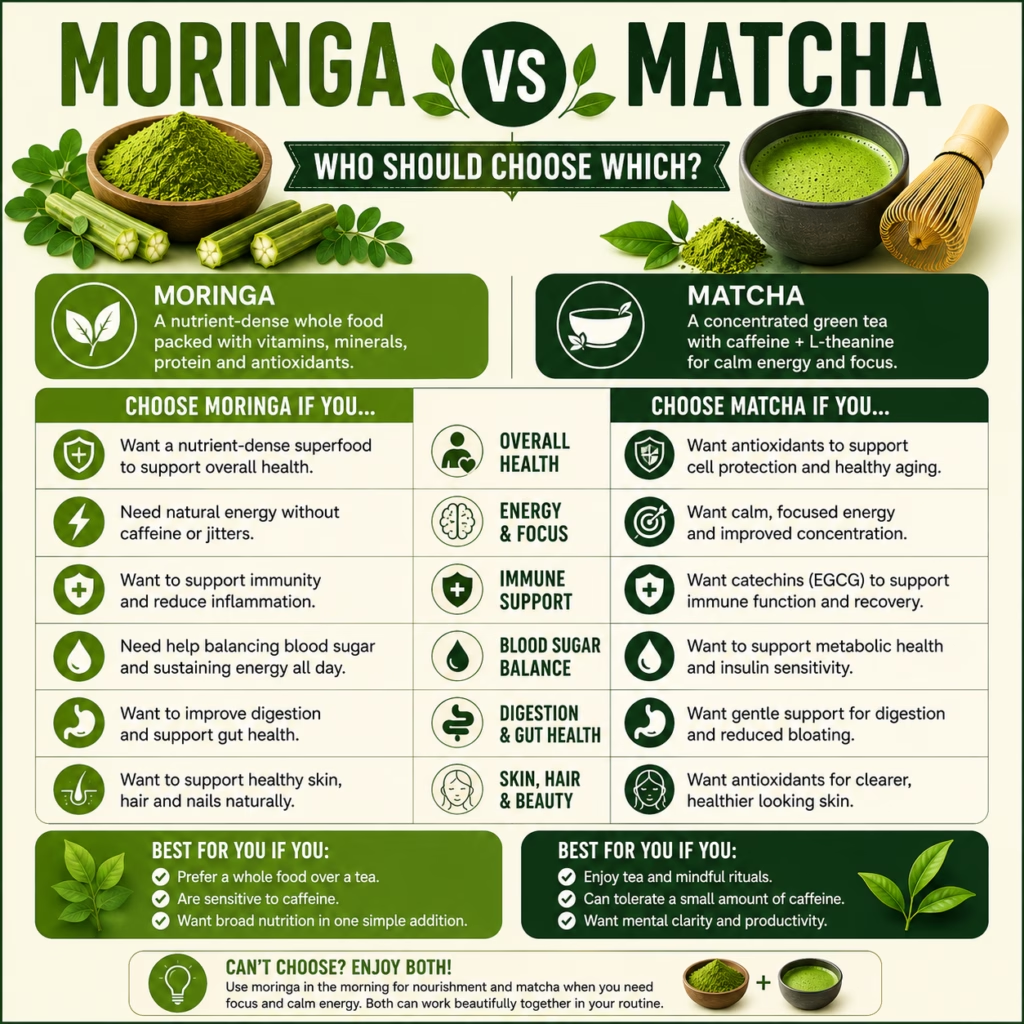
Choose Moringa If You:
- Want a caffeine-free daily energy solution
- Have low iron, anemia, or chronic fatigue — particularly women
- Follow a vegan or plant-based diet and need complete protein
- Want broad daily nutritional support — bones, immunity, skin, energy simultaneously
- Are stressed and depleted and need nutritional rebuilding rather than stimulation
- Prefer to add nutrition to food rather than drink a separate supplement
- Want long-term, sustained health improvement over weeks and months
- Have blood sugar challenges and want root-cause metabolic support
Choose Matcha If You:
- Want immediate, reliable mental focus for work, study, or creative sessions
- Enjoy caffeine but dislike coffee’s jitteriness — matcha’s L-theanine creates calmer alertness
- Want antioxidant protection with a genuinely enjoyable daily ritual
- Are active or athletic and want enhanced fat oxidation during exercise
- Want pre-meal blood sugar protection from carbohydrate-heavy foods
- Love the taste and ritual of a warm green drink
- Want quick morning energy that lasts 4–6 hours
Use Both If You:
- Want the most complete green superfood nutrition available
- Need both sustained foundational energy (moringa) and situational mental focus (matcha)
- Want comprehensive blood sugar management — moringa for insulin sensitivity, matcha for post-meal glucose control
- Are optimizing for both long-term health and immediate daily performance
Practical combined daily protocol:
- Morning: 1 teaspoon moringa in a smoothie or warm water for nutritional foundation
- Mid-morning or pre-work session: 1 cup matcha for focused cognitive performance
- With carb-heavy lunch: Matcha to blunt post-meal glucose spike
- Afternoon onward: Moringa only — avoid matcha caffeine after 2 PM
Moringa vs Matcha: What the Research Summary Shows
The Evidence for Matcha (Strong for Cognitive Performance)
The clinical evidence for matcha’s cognitive effects is among the most consistent in the natural supplement world. Multiple randomized controlled trials, systematic reviews, and meta-analyses confirm:
- Significant improvement in attention and reaction time (multiple RCTs)
- Reduced anxiety while maintaining alertness (L-theanine mechanism confirmed)
- Moderate cardiovascular benefits — LDL reduction, blood pressure support
- Thermogenic effects — 35% increase in fat oxidation during exercise
- Moderate blood glucose reduction — primarily through enzyme inhibition
Research gap: Most matcha studies are short-term (4–12 weeks). Long-term effects beyond 3 months are less well documented.
The Evidence for Moringa (Strong for Nutrition, Growing for Clinical Applications)
The evidence for moringa is strongest for its nutritional density and growing for specific clinical applications:
- Nutritional completeness confirmed — all 9 amino acids, exceptional micronutrient profile
- Iron deficiency improvement confirmed in multiple human trials
- Blood sugar reduction confirmed in meta-analysis of 11 RCTs
- Anti-inflammatory effects confirmed in 11 clinical studies
- Cognitive improvement confirmed in 12-week human trial (older adults)
- Weight management benefits confirmed in 16-week RCT
Research gap: Most moringa energy studies use animal models. More large-scale human trials on energy and fatigue are needed — though existing evidence is promising.
Frequently Asked Questions
Which is better for weight loss — moringa or matcha? Both support weight management through different mechanisms. Matcha’s EGCG enhances fat burning during exercise — particularly effective when taken before physical activity. Moringa’s AMPK activation supports metabolic fat burning and blood sugar stabilization reduces fat-storing insulin spikes. For most people, using both produces better outcomes than either alone.
Can I take moringa and matcha together? Yes — absolutely. There are no known negative interactions between moringa and matcha. They complement each other well. A common approach is moringa in a morning smoothie followed by a cup of matcha 30–60 minutes later, or matcha as a separate morning ritual with moringa added to breakfast food.
Which has more antioxidants — moringa or matcha? Moringa has a higher ORAC (antioxidant capacity) score — approximately 157,000 versus matcha’s approximately 137,000. However, the types of antioxidants differ significantly. Moringa excels in quercetin, chlorogenic acid, and beta-carotene. Matcha’s EGCG is a uniquely powerful catechin with specific cognitive and cardiovascular research behind it. Both are exceptional sources of different antioxidant compounds.
Is moringa better than matcha for sleep? Moringa is significantly better for sleep because it contains no caffeine. Matcha’s caffeine can disrupt sleep if consumed in the afternoon or evening. Moringa’s magnesium content may actually support better sleep quality. If sleep quality is a priority, moringa is the clear choice — and matcha should be limited to morning use.
Which is better for skin — moringa or matcha? Moringa is the stronger skin supplement internally — its vitamin A, C, E, zinc, and antioxidant combination is more comprehensive for skin cell turnover, collagen synthesis, and oxidative protection. Matcha’s EGCG provides valuable antioxidant skin protection both internally and when applied topically. For acne specifically, see our complete moringa powder for acne guide.
Which is safer — moringa or matcha? Both are safe for most healthy adults at standard doses. Moringa has more significant drug interaction potential — particularly with diabetes and blood pressure medications. Matcha’s main safety concern is its caffeine content. For most healthy people without prescription medications, both are safe for daily use. See our moringa side effects guide for full safety details.
Can I replace my morning coffee with matcha or moringa? Yes to matcha — it’s designed as a coffee alternative and works very well. The caffeine-L-theanine combination provides reliable alertness without coffee’s jitteriness or post-caffeine crash. Many people find the transition from coffee to matcha improves their energy quality and reduces anxiety. Moringa is not a coffee replacement in the stimulant sense — it supports energy nutritionally rather than neurologically. Many people use moringa as a coffee complement or use matcha as their coffee replacement while adding moringa as a nutritional supplement.
How long does it take for moringa vs matcha to work? Matcha works within 20–40 minutes — you’ll notice the cognitive and energy effects from the first cup. Moringa’s effects build over time — most people notice improved energy and digestion within 7–14 days, with skin, hormonal, and metabolic benefits appearing over 4–12 weeks of consistent daily use. For matcha: immediate results. For moringa: invest in consistency and give it 60+ days.
Which is more expensive — moringa or matcha? Ceremonial-grade matcha — the highest quality form for drinking — costs approximately $25–$60 per 30g tin (enough for 15–30 cups). High-quality organic moringa powder costs approximately $15–$35 for 250–500g (enough for 2–3 months of daily use). Per day of use, moringa is generally the more cost-effective option. Culinary-grade matcha used in lattes and cooking is more affordable — approximately $10–$20 per 30g.
The Bottom Line: Moringa vs Matcha
After a comprehensive comparison across nutrition, mechanisms, health benefits, clinical evidence, taste, and safety — here is the clearest possible verdict on moringa vs matcha:
Moringa is the more complete nutritional supplement. It delivers extraordinary concentrations of iron, calcium, complete protein, vitamins A and E, and 46 antioxidants — supporting energy, immunity, bones, skin, blood sugar, and inflammation simultaneously. Its benefits build gradually over weeks and sustain indefinitely. If you can only add one thing to your daily nutrition, moringa’s breadth and depth of nutritional support makes it the stronger long-term health investment.
Matcha is the superior cognitive performance tool. Its caffeine-L-theanine combination delivers fast, reliable, clean mental focus that no natural supplement can match for immediacy. If you need to be cognitively sharp for a specific task — a presentation, an exam, a creative session, a long meeting — matcha delivers in a way moringa simply doesn’t.
The wisest approach uses both deliberately. Moringa as your daily nutritional foundation — the supplement that keeps your cells well-fed, your iron levels healthy, and your body resilient. Matcha as your cognitive performance tool — the drink that sharpens your mind when the situation demands it.
Used together, moringa and matcha don’t compete. They complete each other.
Complete Reference List
- Vergara-Jimenez, M. et al. (2017). Nutritional Composition of Moringa oleifera. Nutrients. doi.org/10.3390/nu9091047
- Kochman, J. et al. (2021). Health Benefits and Chemical Composition of Matcha Green Tea. Nutrients. doi.org/10.3390/nu13010007
- Dietz, C. & Dekker, M. (2017). Effect of Green Tea Phytochemicals on Mood and Cognition. Current Pharmaceutical Design. doi.org/10.2174/1381612823666170105151800
- Haskell, C.F. et al. (2008). The Effects of L-Theanine, Caffeine and Their Combination on Cognition. Biological Psychology. doi.org/10.1016/j.biopsycho.2007.09.008
- Baba, Y. et al. (2021). Effects of L-Theanine on Cognitive Function in Middle-Aged and Older Subjects. Nutrients. doi.org/10.3390/nu13072285
- Jaiswal, D. et al. (2009). Moringa and Blood Glucose. Journal of Ethnopharmacology. doi.org/10.1016/j.jep.2009.03.036
- Huang, J. et al. (2014). Green Tea and Blood Glucose: A Meta-Analysis of RCTs. American Journal of Clinical Nutrition. doi.org/10.3945/ajcn.113.076794
- Baldisserotto, A. et al. (2020). Anti-Inflammatory Properties of Moringa. Oxidative Medicine and Cellular Longevity. doi.org/10.1155/2020/1564214
- Kushwaha, S. et al. (2014). Moringa Antioxidant Supplementation. Journal of Food Science and Technology. doi.org/10.1007/s13197-011-0293-2
- Leone, A. et al. (2015). Phytochemistry and Pharmacology of Moringa oleifera. International Journal of Molecular Sciences. doi.org/10.3390/ijms16023929
- Stohs, S.J. & Hartman, M.J. (2015). Safety and Efficacy of Moringa oleifera. Phytotherapy Research. doi.org/10.1002/ptr.5325
- Weiss, D.J. & Anderton, C.R. (2003). Determination of Catechins in Matcha Green Tea. Food Chemistry. doi.org/10.1016/S0308-8146(02)00479-7
This article is for informational and educational purposes only and does not constitute medical advice. Always consult a qualified healthcare provider before starting any new supplement, especially if you have a medical condition or take prescription medications.
© 2026 MoringaWellness.org — All rights reserved.