
High-fiber smoothies rank among the best smoothie recipes for weight loss because fiber directly affects satiety, blood sugar control, and total calorie intake. Unlike refined carbohydrates that digest rapidly and trigger hunger soon after eating, fiber slows gastric emptying and digestion. This leads to longer-lasting fullness, fewer cravings, and steadier energy levels throughout the day. Research consistently shows that higher fiber intake is associated with lower body weight, reduced waist circumference, and better metabolic health, making fiber a foundational element of sustainable fat loss.
Not all smoothies support weight loss. A true meal smoothie is intentionally balanced with fiber, protein, and healthy fats so it can replace a meal and control hunger for several hours. In contrast, sugar-heavy smoothies made with fruit juice, sweetened yogurt, syrups, or excessive fruit act more like liquid sugar. These options spike blood glucose, stimulate insulin release, and often increase hunger shortly after consumption, which can stall or even reverse weight-loss progress.
High-fiber smoothies reduce hunger and cravings through multiple physiological mechanisms. Soluble fiber forms a gel-like texture in the digestive tract, slowing carbohydrate absorption and blunting post-meal blood sugar spikes. Fiber also promotes the release of satiety hormones such as GLP-1 and peptide YY, which signal fullness to the brain. In addition, fermentable fibers nourish beneficial gut bacteria, supporting appetite regulation and metabolic efficiency over time.
In this article, you’ll learn why fiber-rich smoothies work from a scientific standpoint, how to distinguish effective weight-loss smoothies from calorie-dense drinks, and how to build smoothies that genuinely keep you full. You’ll also find practical high-fiber recipes, smart ingredient strategies, optimal timing tips, and common mistakes to avoid—so you can use smoothies as a reliable, sustainable tool for healthy weight loss.
2. How Fiber Helps You Lose Weight
Dietary fiber — the indigestible part of plant foods — plays an influential role in weight regulation. Its effects go beyond digestion: fiber impacts how full you feel, how quickly your body absorbs sugars, and even how your gut microbes function. This makes high-fiber foods, like chia seeds and vegetables, particularly valuable in a weight-loss plan.
Soluble vs Insoluble Fiber
Fiber comes in two major types: soluble and insoluble. Soluble fiber dissolves in water and forms a gel-like substance in the gut, slowing digestion and prolonging satiety. Insoluble fiber adds bulk to stool and accelerates passage through the digestive tract. Both types contribute to healthy digestion, but it’s the gel-forming action of soluble fiber that most directly influences hunger and calorie intake.
Fiber’s Role in Slowing Digestion
By forming a viscous gel in the stomach and small intestine, soluble fiber slows the rate at which food is digested and nutrients are absorbed. This delayed absorption helps you feel full longer and reduces the total amount of food you consume at subsequent meals — a key driver of long-term calorie control. A systematic review of dietary fiber studies reported that increasing fiber intake by about 14 g/day was associated with decreased energy intake and moderate weight loss over 3–4 months, particularly in overweight adults.
Reducing Insulin Spikes
Slow digestion also means a slower release of glucose into the bloodstream. This blunted glucose response leads to reduced insulin spikes, which is beneficial because high post-meal insulin levels promote fat storage and increase hunger. Human trials show that diets higher in soluble fiber help moderate glucose and insulin responses, supporting improved appetite control and metabolic regulation.
Feeding Gut Bacteria
Beyond mechanical effects, fiber functions as a prebiotic — it provides fuel for beneficial gut microbes. These bacteria ferment fiber in the colon into short-chain fatty acids (SCFAs), which influence metabolic health, inflammation, and even appetite signaling pathways. A healthier, more diverse gut microbiome has been associated with better weight management and lower risk of obesity in clinical research.
Evidence Linking Fiber to Body Weight and Waist Circumference
Several clinical trials and meta-analyses have examined the link between increased fiber intake and weight outcomes. A meta-analysis of randomized controlled trials found that soluble fiber supplementation reduced body weight by about 2.5 kg and BMI by nearly 0.84 units in overweight or obese adults compared to placebo, along with modest improvements in metabolic markers. Other long-term reviews have confirmed that higher dietary fiber intake is associated with reduced BMI, waist circumference, and improved fasting insulin — key predictors of sustainable metabolic health.
Ideal Fiber Range per Smoothie
For smoothies to meaningfully contribute to weight loss, aim for 8–15 g of fiber per serving. This range supports fullness without overwhelming digestion, especially when combined with protein and healthy fats (e.g., Greek yogurt, nut butter, seeds). Most high-fiber smoothie recipes balance soluble fiber (chia, oats, flax) with fruit and greens to deliver both satiety and nutrients.
3. What Makes a Smoothie Weight-Loss Friendly?

A smoothie supports weight loss only when it’s built like a balanced meal, not a sugary drink. The most effective weight-loss smoothies rely on a synergy of fiber, protein, and healthy fats. Fiber slows digestion and promotes fullness, protein reduces hunger hormones and preserves lean muscle, and healthy fats delay stomach emptying so you stay satisfied longer. When these three work together, a smoothie can keep you full for hours instead of triggering cravings 30 minutes later.
One of the biggest mistakes people make is assuming all smoothies are healthy. Liquid calories can sabotage weight loss because they’re easy to overconsume and often digest faster than whole foods. Blended fruit juices, syrups, and sweetened bases spike blood sugar quickly, leading to a crash that increases hunger. You avoid this by keeping smoothies thick, fiber-rich, and protein-anchored, chewing slowly, and treating them as meals rather than drinks to sip mindlessly.
Certain ingredients consistently show up in weight-loss-friendly smoothies because of how they affect satiety and metabolism. Chia seeds and flaxseeds are rich in soluble fiber that expands in liquid, helping you feel full with fewer calories. Berries provide antioxidants and sweetness with relatively low sugar and high fiber compared to tropical fruits. Leafy greens like spinach or kale add volume, micronutrients, and fiber with almost no calories, making them ideal for fat loss. Oats contribute beta-glucan fiber, which slows digestion and stabilizes blood sugar, while Greek yogurt or plant-based protein powders supply the protein needed to control appetite and support muscle during weight loss.
On the flip side, some common smoothie ingredients quietly work against fat loss. Fruit juice lacks fiber and delivers concentrated sugar, making it easy to exceed your calorie needs without feeling full. Added sugars, including honey and syrups, raise insulin and can stimulate appetite rather than suppress it. Sweetened yogurts often contain as much sugar as desserts, turning a “healthy” smoothie into a calorie-dense treat. Limiting these ingredients is one of the fastest ways to make smoothies work for weight loss instead of against it.
When a smoothie is designed with intention—fiber-rich, protein-supported, and low in added sugars—it becomes a practical, sustainable tool for weight loss rather than just a blended snack.
4. Best Time to Drink Smoothies for Weight Loss Morning vs midday As a meal replacement vs snack Pre-workout vs post-workout How timing affects appetite control
4. Best Time to Drink Smoothies for Weight Loss
The timing of your smoothie can significantly influence appetite control, energy levels, and overall calorie intake. While no single “perfect” time exists for everyone, research and practical experience show that when you drink a smoothie affects how well it supports fat loss.
Morning vs. Midday
Drinking a high-fiber, protein-rich smoothie in the morning can help control hunger for the rest of the day. Starting the day with adequate fiber and protein stabilizes blood sugar and reduces the likelihood of mid-morning cravings. Studies on breakfast composition show that higher protein and fiber intake at breakfast is associated with reduced calorie intake later in the day and improved appetite regulation. Midday smoothies, particularly at lunch, can also be effective if they’re built as a complete meal. A well-balanced lunch smoothie may help prevent afternoon energy crashes and reduce overeating at dinner, especially for people who tend to snack mindlessly in the afternoon.
As a Meal Replacement vs. a Snack
Smoothies work best for weight loss when they replace a meal rather than being added on top of existing meals. A meal-replacement smoothie should contain sufficient fiber (8–15 g), protein (20–30 g), and healthy fats to mimic the satiety of solid food. When used as a snack, smoothies are most effective between meals to curb hunger and prevent overeating later, but they should be smaller and lower in calories. Using a calorie-dense smoothie as a snack without adjusting meal portions can easily stall weight loss.
Pre-Workout vs. Post-Workout
Pre-workout smoothies can support training performance if they’re light and easy to digest. A small smoothie containing fiber from berries or oats, moderate protein, and minimal fat can provide steady energy without causing digestive discomfort. Post-workout smoothies are often more beneficial for body composition because they help replenish glycogen and support muscle repair. Including protein after exercise improves muscle recovery and preserves lean mass, which is crucial for maintaining metabolic rate during weight loss.
How Timing Affects Appetite Control
Timing influences hunger hormones such as ghrelin and peptide YY. Consuming smoothies earlier in the day or as structured meals tends to improve appetite regulation compared to drinking them late at night. Late-evening smoothies, especially those high in sugar, may interfere with appetite cues and sleep quality in some individuals. For most people, the most effective strategy is using smoothies in the morning or midday, aligned with meals or planned hunger windows, rather than as late-night additions.
When timed strategically, smoothies can act as a powerful appetite-management tool—helping you stay full, energized, and consistent with your weight-loss goals.
Thinking about trying moringa?

Before you start, make sure you’re using the right dose and avoiding common side effects.

👉 Download The Moringa Side Effects & Safe Use Guide — a clear, practical resource with dosage charts, safety checklists, and a 7-day start plan so you can use moringa confidently and responsibly.
5. The 12 Best Smoothie Recipes for Weight Loss
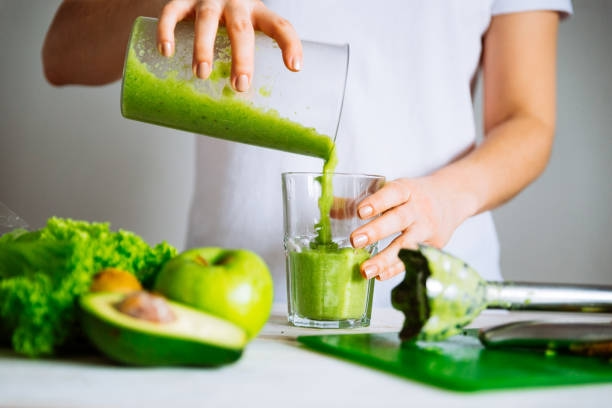
Each of the following smoothies is designed to deliver 8–15 grams of fiber, balanced calories, and real satiety. These are not sugary drinks—they function as appetite-control tools that support fat loss when used correctly.
5.1 Green Fiber Power Smoothie
Ingredients: Spinach, chia seeds, cucumber, green apple, water or unsweetened almond milk
Fiber: ~10–12 g
Calories: ~180–220
Why it works: Spinach and cucumber add volume with minimal calories, while chia seeds provide soluble fiber that expands in the stomach. The small amount of green apple adds natural sweetness without spiking blood sugar, making this smoothie ideal for digestion support and appetite control.
5.2 Berry Chia Fat-Burn Smoothie
Ingredients: Mixed berries (blueberries, raspberries), chia seeds, plain Greek yogurt, water
Fiber: ~11–14 g
Calories: ~220–260
Why it works: Berries are among the highest-fiber fruits per calorie, and chia seeds further slow digestion. Greek yogurt adds protein, creating a strong satiety effect that helps reduce total daily calorie intake.
5.3 Oatmeal Breakfast Smoothie
Ingredients: Rolled oats, banana (½), ground flaxseed, unsweetened almond milk
Fiber: ~9–11 g
Calories: ~280–320
Why it works: Oats provide beta-glucan fiber that slows digestion and stabilizes blood sugar. This smoothie releases energy gradually, making it an excellent breakfast option for preventing mid-morning cravings.
5.4 Avocado Gut-Health Smoothie
Ingredients: Avocado (¼–½), spinach, chia seeds, lime juice, water
Fiber: ~10–13 g
Calories: ~260–300
Why it works: Avocado supplies both soluble and insoluble fiber plus healthy fats that delay gastric emptying. This combination supports gut health while keeping hunger suppressed for hours.
5.5 Protein–Fiber Balance Smoothie
Ingredients: Protein powder, mixed berries, psyllium husk, water or almond milk
Fiber: ~12–15 g
Calories: ~250–300
Why it works: Psyllium husk is one of the most effective fibers for fullness. Combined with protein, this smoothie can keep you full for 4–5 hours, making it ideal as a meal replacement.
5.6 Apple Cinnamon Fiber Smoothie
Ingredients: Apple (with skin), rolled oats, chia seeds, cinnamon, water
Fiber: ~9–12 g
Calories: ~240–280
Why it works: The fiber in apples and oats slows carbohydrate absorption, while cinnamon supports better blood sugar control. This smoothie is especially useful for people managing cravings or insulin sensitivity.
5.7 Chocolate Fiber Smoothie (Craving Killer)
Ingredients: Unsweetened cocoa powder, chia seeds, banana (½), almond milk
Fiber: ~8–10 g
Calories: ~230–270
Why it works: Cocoa provides polyphenols with appetite-regulating effects, while chia seeds add thickness and fiber. This smoothie satisfies dessert cravings without excess sugar.
5.8 Detox Green Smoothie
Ingredients: Kale, lemon juice, cucumber, ground flaxseed, water
Fiber: ~9–11 g
Calories: ~170–210
Why it works: Kale and flaxseed support digestion and regularity. This smoothie helps reduce bloating and water retention, making it popular during weight-loss plateaus.
5.9 Tropical Fiber Smoothie
Ingredients: Pineapple (small portion), chia seeds, coconut water
Fiber: ~8–10 g
Calories: ~220–250
Why it works: Controlled portions of pineapple provide flavor without excessive sugar. Chia seeds slow absorption, preventing the rapid blood sugar spikes typical of tropical smoothies.
5.10 Yogurt Berry Fiber Smoothie
Ingredients: Greek yogurt, raspberries, ground flaxseed, water
Fiber: ~10–13 g
Calories: ~240–280
Why it works: Raspberries are extremely fiber-dense, and Greek yogurt boosts protein intake. This smoothie supports muscle retention while promoting fat loss.
5.11 Low-Carb Fiber Smoothie
Ingredients: Almond butter (1 tbsp), spinach, chia seeds, unsweetened almond milk
Fiber: ~9–11 g
Calories: ~260–300
Why it works: Low in carbohydrates but rich in fiber and fats, this smoothie is suitable for low-carb or keto-style weight-loss approaches while still supporting fullness.
5.12 Overnight Fiber Smoothie
Ingredients: Rolled oats, chia seeds, mixed berries, almond milk (soaked overnight)
Fiber: ~11–14 g
Calories: ~280–320
Why it works: Soaking allows fiber to fully hydrate, improving digestibility and satiety. This prep-ahead option is ideal for busy mornings and consistent weight-loss routines.
Used strategically as meals or structured snacks, these high-fiber smoothies can significantly improve appetite control, reduce cravings, and support sustainable fat loss without extreme calorie restriction.
Thinking about trying moringa?

Before you start, make sure you’re using the right dose and avoiding common side effects.

👉 Download The Moringa Side Effects & Safe Use Guide — a clear, practical resource with dosage charts, safety checklists, and a 7-day start plan so you can use moringa confidently and responsibly.
Recommended Smoothie Essentials for Weight Loss
A high-power personal blender is essential for making smooth, fiber-rich weight-loss smoothies. It should easily blend frozen fruit, leafy greens, chia seeds, oats, and flax without leaving chunks, ensuring better digestion and texture.
Organic chia seeds are one of the best smoothie add-ins for weight loss. They provide soluble fiber that expands in liquid, helping control appetite, slow digestion, and keep you full longer with very few calories.
Ground flaxseed is a simple way to boost fiber and omega-3 intake in smoothies. It supports digestion, blood sugar balance, and satiety, making it ideal for daily weight-loss blends.
Psyllium husk powder is a powerful fiber booster that adds almost no calories. A small amount significantly increases fullness and helps reduce hunger between meals when added to smoothies.
Moringa powder is a nutrient-dense green add-on that provides fiber, plant protein, and antioxidants. It supports energy, blood sugar balance, and appetite control, making it a smart addition to high-fiber smoothies.
Read also The Hidden Truth About Moringa for Weight Loss (Research-Based Facts)
6. Fiber Breakdown Table (Per Smoothie)
Below is a practical, weight-loss–focused comparison table you can include directly in the article. Values are averages based on standard ingredient portions and are realistic for home preparation.
| Smoothie | Calories (Approx.) | Fiber (g) | Protein (g) | Best Time to Drink | Hunger Control Score* |
|---|---|---|---|---|---|
| Green Fiber Power Smoothie | 180–220 | 10–12 | 4–6 | Morning / Before meals | ⭐⭐⭐⭐☆ |
| Berry Chia Fat-Burn Smoothie | 220–260 | 11–14 | 12–15 | Breakfast / Lunch | ⭐⭐⭐⭐⭐ |
| Oatmeal Breakfast Smoothie | 280–320 | 9–11 | 8–10 | Breakfast | ⭐⭐⭐⭐☆ |
| Avocado Gut-Health Smoothie | 260–300 | 10–13 | 5–7 | Lunch / Afternoon | ⭐⭐⭐⭐☆ |
| Protein–Fiber Balance Smoothie | 250–300 | 12–15 | 20–25 | Meal replacement | ⭐⭐⭐⭐⭐ |
| Apple Cinnamon Fiber Smoothie | 240–280 | 9–12 | 6–8 | Morning / Snack | ⭐⭐⭐⭐☆ |
| Chocolate Fiber Smoothie | 230–270 | 8–10 | 6–9 | Evening craving control | ⭐⭐⭐⭐☆ |
| Detox Green Smoothie | 170–210 | 9–11 | 4–6 | Morning / Debloat | ⭐⭐⭐☆☆ |
| Tropical Fiber Smoothie | 220–250 | 8–10 | 3–5 | Post-workout | ⭐⭐⭐☆☆ |
| Yogurt Berry Fiber Smoothie | 240–280 | 10–13 | 15–18 | Breakfast / Lunch | ⭐⭐⭐⭐⭐ |
| Low-Carb Fiber Smoothie | 260–300 | 9–11 | 6–9 | Low-carb diets | ⭐⭐⭐⭐☆ |
| Overnight Fiber Smoothie | 280–320 | 11–14 | 8–10 | Busy mornings | ⭐⭐⭐⭐☆ |
* Hunger Control Score reflects satiety based on fiber type (soluble vs insoluble), protein content, and fat balance, not just fiber grams.
7. How Much Fiber Is Too Much?
Fiber is essential for weight loss and metabolic health, but more is not always better. Exceeding your tolerance can backfire and cause digestive issues that reduce consistency.
Recommended Daily Fiber Intake
Most health authorities recommend 25 g per day for women and 38 g per day for men from all food sources combined. For weight loss, research shows benefits begin around 25–30 g daily, especially when fiber intake is spread evenly across meals rather than consumed all at once. Smoothies should ideally contribute 8–15 g of fiber, not your entire daily requirement.
Signs of Excessive Fiber Intake
Too much fiber too quickly can overwhelm the digestive system. Common signs include bloating, gas, abdominal cramping, constipation, or paradoxically diarrhea. Some people also experience reduced appetite to the point of under-eating, which can slow metabolism over time. These symptoms are especially common when large amounts of chia seeds, psyllium husk, or flaxseed are added suddenly.
How to Increase Fiber Safely
Increase fiber gradually over 7–14 days, adding no more than 5 g per day. Rotate fiber sources instead of relying on one ingredient, and avoid stacking multiple high-fiber additives (for example, chia + psyllium + oats in the same smoothie). Chewing solid high-fiber foods alongside smoothies also improves tolerance and digestion.
Importance of Hydration
Fiber absorbs water to function properly. Without adequate hydration, fiber can harden in the digestive tract and worsen constipation. A practical rule is one extra glass of water for every 8–10 g of fiber consumed. When using fiber-rich smoothies for weight loss, consistent hydration is critical for comfort, nutrient absorption, and appetite control.
Used correctly, fiber supports fat loss and gut health. Used excessively or too fast, it becomes a barrier to consistency—the key factor in long-term weight loss success.
8. Common Smoothie Mistakes That Stall Weight Loss
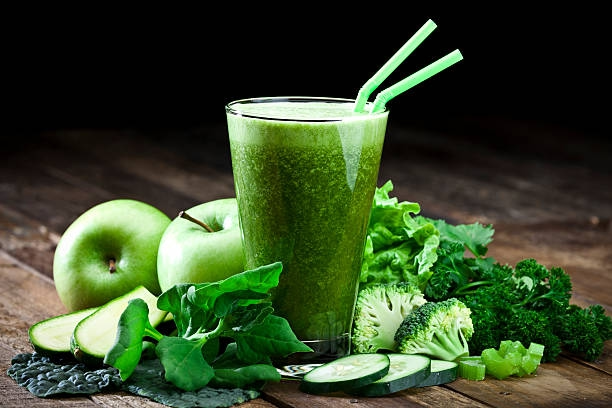
Smoothies can be powerful tools for weight loss, but only when they’re built and used correctly. These common mistakes quietly turn “healthy” smoothies into fat-loss blockers.
Too Much Fruit
Fruit is nutritious, but overloading smoothies with multiple bananas, mangoes, or fruit juice drives up sugar and calories quickly. This can spike blood sugar, increase insulin, and trigger hunger shortly after drinking. For weight loss, limit fruit to 1 serving per smoothie, prioritize berries, and avoid fruit juice entirely.
No Protein
A smoothie without protein digests too fast and fails to control appetite. Protein slows gastric emptying, stabilizes blood sugar, and preserves lean muscle during weight loss. Smoothies with less than 10–15 g of protein are far less effective for hunger control, often leading to snacking within an hour.
Drinking Instead of Chewing Meals
Liquids don’t trigger satiety hormones as strongly as solid foods. Relying exclusively on smoothies can reduce chewing, which plays a role in fullness signaling. This is why some people feel hungry even after a high-calorie smoothie. Thick textures, added fiber, and occasionally pairing smoothies with solid foods improves satiety.
Over-Reliance on Smoothies
Using smoothies for every meal can create nutrient gaps and weaken long-term adherence. Weight loss works best when smoothies replace 1 meal or serve as structured snacks, not as an all-day solution. Whole foods provide chewing, variety, and micronutrients that smoothies alone can’t fully replace.
Avoiding these mistakes turns smoothies from “healthy calories” into strategic tools for appetite control, consistency, and sustainable fat loss.
9. Best Add-Ins to Boost Fiber Without Extra Calories
These add-ins increase fiber density and satiety without significantly raising calories, making them ideal for weight-loss smoothies.
Moringa Powder
Moringa powder is a low-calorie, nutrient-dense add-in that provides fiber, plant protein, and antioxidants without adding sugar. One teaspoon to one tablespoon blends easily into smoothies and supports appetite control, energy, and blood sugar balance. Its mild earthy taste pairs best with green smoothies or berry-based blends, making it a practical way to boost fiber and micronutrients while keeping calories in check.
Chia Seeds
Chia seeds are one of the most efficient fiber boosters available, providing about 5 g of fiber per tablespoon for minimal calories. Their soluble fiber absorbs liquid and forms a gel, which slows digestion and enhances fullness. Chia seeds also help thicken smoothies, improving satiety without added sugars.
Flaxseeds (Ground)
Ground flaxseeds deliver both soluble and insoluble fiber, along with lignans that support metabolic health. One tablespoon provides 2–3 g of fiber and helps stabilize blood sugar. Always use ground flaxseed—whole seeds often pass through undigested and provide little benefit.
Psyllium Husk
Psyllium is nearly pure soluble fiber and extremely effective for appetite control. Just ½–1 teaspoon can add 3–5 g of fiber with almost no calories. It significantly increases smoothie thickness, so small amounts are sufficient. Introduce slowly to avoid bloating.
Leafy Greens (Spinach, Kale)
Leafy greens add volume, micronutrients, and fiber with very low calorie impact. Spinach and kale blend easily and contribute 1–2 g of fiber per cup, helping you feel full without affecting flavor significantly.
Frozen Cauliflower
Frozen cauliflower is a low-calorie, neutral-tasting fiber extender. It adds thickness and bulk while contributing fiber, water, and micronutrients with minimal carbohydrates. It’s especially useful in creamy or chocolate-style smoothies where flavor masking is easy.
Used strategically, these add-ins allow you to reach effective fiber levels for weight loss without increasing calorie load, improving fullness and adherence over time.
10. Who Should Use Weight-Loss Smoothies (and Who Shouldn’t)
Weight-loss smoothies can be highly effective, but they’re not a universal solution. Knowing who benefits most—and who should be cautious—prevents frustration and stalled progress.
Ideal For
Busy professionals
Smoothies work well for people with limited time who still want a structured, nutrient-dense option. When built correctly, they provide controlled calories, fiber, and protein in a fast, portable format that supports consistency.
Appetite control
High-fiber, protein-balanced smoothies are especially useful for people who struggle with overeating or frequent snacking. The combination of soluble fiber and protein helps suppress hunger hormones and extend satiety between meals.
Calorie tracking and portion control
Smoothies make calorie intake easier to measure. Using consistent ingredients and portions allows for predictable energy intake, which is helpful for those following a calorie-deficit plan or structured weight-loss program.
Caution For
People with digestive issues
Individuals with IBS, sensitive digestion, or difficulty tolerating large fiber loads may experience bloating or discomfort. Starting with lower fiber amounts, avoiding psyllium initially, and not using smoothies as the only meal source is important.
People with blood sugar sensitivity
Those with insulin resistance or diabetes should be cautious with fruit quantity and liquid carbohydrates. Smoothies must prioritize fiber, protein, and fats, while limiting higher-glycemic fruits to prevent glucose spikes.
Weight-loss smoothies are most effective as tools, not replacements for all meals. Used strategically, they support fat loss; used indiscriminately, they can slow progress or create digestive stress.
Thinking about trying moringa?
Before you start, make sure you’re using the right dose and avoiding common side effects.
👉 Download The Moringa Side Effects & Safe Use Guide — a clear, practical resource with dosage charts, safety checklists, and a 7-day start plan so you can use moringa confidently and responsibly.
11. FAQs About Smoothies for Weight Loss
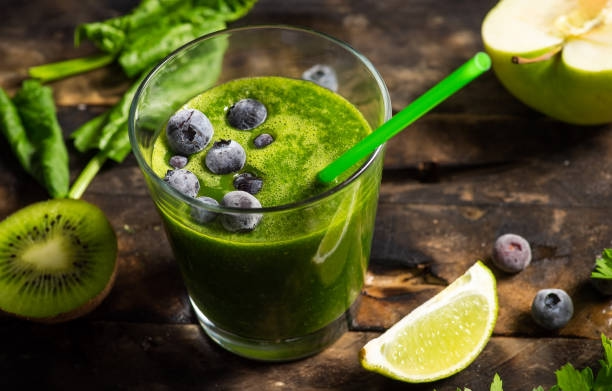
Can smoothies replace meals?
Yes, smoothies can replace one meal per day when they are properly balanced with fiber, protein, and healthy fats. Replacing multiple meals regularly is not recommended, as chewing solid food plays a role in satiety, digestion, and long-term adherence.
How many smoothies per day are ideal?
For weight loss, one smoothie per day is optimal for most people. Some may use two occasionally (for example, breakfast and a snack), but relying on smoothies for all meals can lead to hunger, nutrient gaps, and reduced metabolic satisfaction.
Can smoothies cause weight gain?
Yes. Smoothies can cause weight gain if they are high in calories, fruit, nut butters, or sweetened ingredients. Liquid calories are easier to overconsume, especially when fiber or protein is lacking. Portion control and ingredient quality matter more than the smoothie itself.
Are smoothies better than solid meals for weight loss?
Smoothies are not inherently better than solid meals. They are most useful for convenience and appetite control. Solid meals generally provide stronger satiety signals due to chewing and slower digestion. The best approach combines both.
Do fiber smoothies cause bloating?
They can, especially when fiber intake increases too quickly or when highly fermentable fibers like chia or psyllium are used in excess. Starting with lower fiber amounts, increasing gradually, and staying well-hydrated reduces bloating risk.
12. Finally: Are High-Fiber Smoothies Worth It for Weight Loss?
High-fiber smoothies can be an effective weight-loss tool when used intentionally. Their main advantages lie in appetite control, blood sugar stabilization, and calorie awareness. By slowing digestion and increasing fullness, fiber-rich smoothies help reduce overeating and make calorie deficits easier to maintain without extreme restriction.
The people who get the best results are those who use smoothies strategically, not excessively. Busy individuals, people who struggle with portion control, and those looking for a structured meal replacement benefit the most—especially when smoothies include adequate protein and healthy fats alongside fiber.
Sustainability is key. High-fiber smoothies work best when they replace one meal or serve as a planned snack, not as an all-day diet. Rotating ingredients, keeping fiber intake within tolerance, staying hydrated, and continuing to eat solid whole foods ensures long-term success and digestive comfort.
Really useful article. The tips you shared about staying consistent and building routines are very practical. Many people give up because they expect fast results, but your content does a great job of setting realistic expectations.
Hi Dear, are you in fact visiting this website daily,
if so afterward you will definitely obtain nice experience.
Great article! I appreciate how you addressed common weight loss mistakes and explained how to avoid them. Many people struggle because of misinformation, and posts like this help clear things up. The tone is encouraging and informative, which makes it enjoyable to read.
thank you