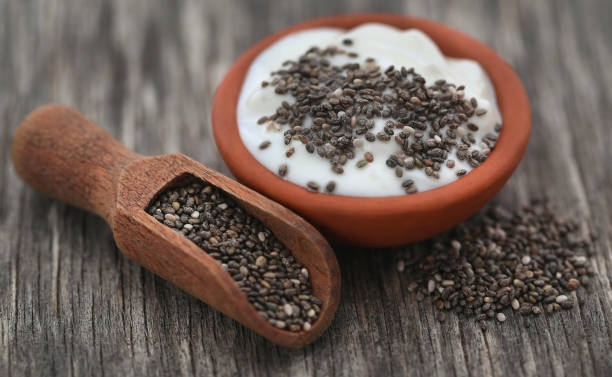
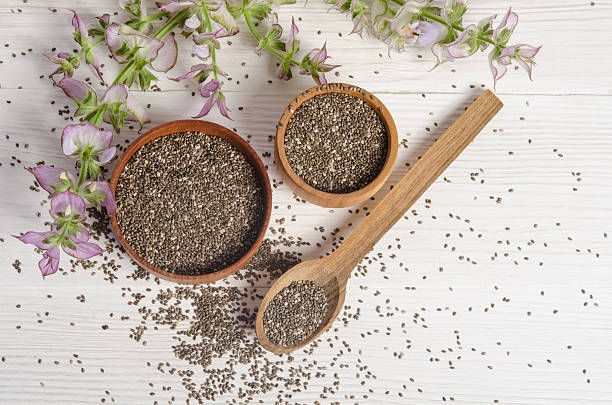
Chia seeds are tiny black or white seeds harvested from Salvia hispanica, a flowering plant native to Central America. Despite their small size, they are considered a nutritional powerhouse, earning their reputation as a modern superfood due to their exceptionally high levels of fiber, plant-based omega-3 fatty acids, protein, and essential minerals. What makes chia seeds unique is their ability to absorb up to 10–12 times their weight in liquid, forming a gel-like consistency that supports digestion, hydration, and satiety—key factors in metabolic and overall health.
Historically, chia seeds were a staple food for ancient civilizations such as the Aztecs and Mayans, who valued them for sustained energy, endurance, and strength. In fact, the word “chia” comes from the Mayan word for “strength.” Warriors and messengers reportedly consumed chia seeds before long journeys or battles. Their traditional use wasn’t limited to food; chia seeds were also used in medicinal preparations and religious rituals, highlighting their cultural and nutritional importance long before modern science began studying them.
Today, scientific research is paying renewed attention to chia seeds benefits due to their evidence-backed health benefits. Multiple studies have examined their role in supporting heart health, blood sugar regulation, digestive function, and weight management—largely attributed to their soluble fiber and alpha-linolenic acid (ALA) omega-3 content. Institutions such as Harvard T.H. Chan School of Public Health recognize chia seeds as a valuable component of a balanced diet, particularly for individuals seeking plant-based nutrient sources.
This guide provides a comprehensive, science-informed overview of chia seeds, covering their nutritional profile, proven health benefits, role in weight loss, best ways to consume them (including drinking chia seeds), recommended daily intake, and potential safety considerations. Whether you are new to chia seeds or looking to optimize how you use them, this article is designed to help you make informed, practical decisions backed by research and real-world use.
At first glance, chia seeds may look unimpressive—but nutritionally, they punch far above their weight. These tiny seeds are packed with fiber, healthy fats, plant-based protein, essential minerals, and antioxidants, all in a very small serving size. This is exactly why chia seeds are often described as one of the most nutrient-dense foods per calorie in the plant world.
What makes chia seeds especially appealing is that they deliver multiple critical nutrients at once, rather than excelling in just one area. Instead of supplementing fiber, omega-3s, calcium, or magnesium separately, chia seeds provide all of them naturally in a whole-food form.
2. Chia Seeds Nutrition: What’s Inside These Tiny Seeds?
At first glance, chia seeds may look unimpressive—but nutritionally, they punch far above their weight. These tiny seeds are packed with fiber, healthy fats, plant-based protein, essential minerals, and antioxidants, all in a very small serving size. This is exactly why chia seeds are often described as one of the most nutrient-dense foods per calorie in the plant world.
What makes chia seeds especially appealing is that they deliver multiple critical nutrients at once, rather than excelling in just one area. Instead of supplementing fiber, omega-3s, calcium, or magnesium separately, chia seeds provide all of them naturally in a whole-food form.
2.1 Complete Nutritional Profile
From a macronutrient standpoint, chia seeds are dominated by dietary fiber, with a moderate amount of plant-based protein and a high concentration of healthy fats. Roughly 80–85% of the carbohydrates in chia seeds come from fiber, most of which is soluble fiber. This is the type of fiber that absorbs water, slows digestion, stabilizes blood sugar, and helps you feel full longer.
Protein content is another underrated benefit. While chia seeds are not a complete protein powerhouse like legumes, they still provide all nine essential amino acids in smaller amounts, making them a valuable addition to plant-based diets.
Fat-wise, chia seeds are best known for their omega-3 fatty acids, specifically alpha-linolenic acid (ALA). In fact, chia seeds are one of the richest plant sources of omega-3s available. According to Harvard Health Publishing, ALA has been associated with heart health and reduced inflammation when consumed regularly
.
On the micronutrient side, chia seeds are particularly rich in calcium, magnesium, phosphorus, iron, and zinc—minerals essential for bone health, muscle function, oxygen transport, and immune support. Impressively, chia seeds provide more calcium per gram than most dairy products, making them especially valuable for people avoiding milk.
2.2 Chia Seeds Nutrition Facts (Per 1 Tablespoon & 2 Tablespoons)
To put things into perspective, here’s what chia seeds provide in realistic daily servings, based on USDA food composition data
.
Per 1 tablespoon (≈12 g):
- Calories: ~58
- Fiber: ~5 g
- Protein: ~2 g
- Fat: ~4 g
- Omega-3s (ALA): ~2,400 mg
- Calcium: ~90 mg
- Magnesium: ~40 mg
Per 2 tablespoons (≈24 g – common daily intake):
- Calories: ~116
- Fiber: ~10 g
- Protein: ~4 g
- Fat: ~8 g
- Omega-3s (ALA): ~4,900 mg
- Calcium: ~180 mg
- Magnesium: ~80 mg
Just two tablespoons provide 35–40% of daily fiber needs, over 3 times the recommended daily intake of ALA omega-3s, and a meaningful portion of daily mineral requirements—all for just over 100 calories.
2.3 Why Chia Seeds Are Considered Nutrient-Dense
One major reason chia seeds are considered nutrient-dense is their exceptionally high fiber-to-calorie ratio. Very few foods offer this much fiber in such a small caloric package, which explains why chia seeds are often linked to appetite control and weight management.
Another key advantage is their role as a plant-based omega-3 source. While fatty fish contain EPA and DHA, chia seeds provide ALA, which the body can partially convert into these active forms. For vegetarians and vegans, chia seeds are one of the most reliable ways to meet omega-3 needs without animal products
.
Finally, chia seeds contain polyphenols and antioxidants that help protect fats from oxidation and reduce oxidative stress in the body. These compounds contribute to long-term cellular health and may play a role in anti-aging and chronic disease prevention, according to research published in the Journal of Food Science and Nutrition
3. 15 Science-Backed Benefits of Chia Seeds
3.1 Supports Healthy Weight Loss
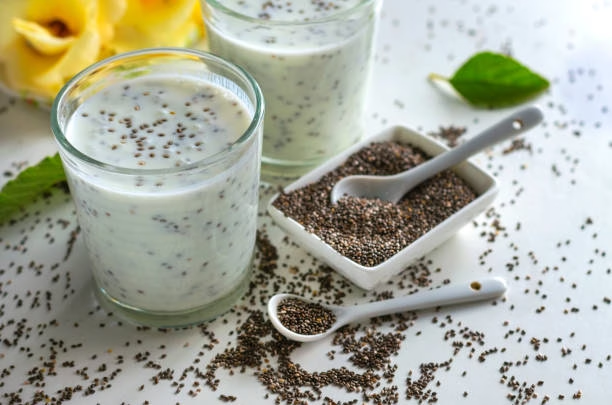
Chia seeds may support weight management because of their high fiber content and gelatinous texture when soaked, which can help increase feelings of fullness and suppress appetite, potentially leading to reduced calorie intake over time. The soluble fiber absorbs water and expands in the stomach, slowing digestion and promoting satiety, a mechanism often observed in high-fiber foods and associated with weight control in dietary research. Although systematic reviews show mixed results regarding significant changes in body weight or body mass index in clinical trials, some trials have noted modest reductions in waist circumference and weight when chia seeds were included in the diet over longer periods, especially in overweight individuals.
3.2 Improves Digestive Health
Chia seeds are a rich source of dietary fiber, particularly soluble fiber that contributes bulk to stool and supports regular bowel movements. Adequate fiber intake is widely recognized for promoting healthy digestion and preventing constipation. The gel-forming nature of chia’s soluble fiber also slows nutrient absorption, which can support smoother digestion and influence the gut environment, potentially aiding gastrointestinal comfort.
3.3 Helps Control Blood Sugar Levels
The fiber and mucilage (gel-forming compounds) in chia seeds slow the digestive process and the release of glucose into the bloodstream, which may help moderate post-meal blood sugar spikes — a key factor in glycemic control. While larger meta-analyses report limited impact of chia consumption on fasting glucose and insulin markers, individual human trials suggest chia may blunt acute glucose responses after carbohydrate-rich meals, likely due to delayed carbohydrate absorption.
3.4 Supports Heart Health
Chia seeds contain alpha-linolenic acid (ALA), a plant-based omega-3 fatty acid linked to cardiovascular benefits including reduced inflammation and improved lipid metabolism. Meta-analyses show that chia supplementation can significantly reduce triglycerides and LDL cholesterol in some populations, and regular intake has been associated with modest reductions in systolic blood pressure in adults, both factors that contribute to lower cardiovascular risk when combined with lifestyle interventions.
3.5 Reduces Inflammation
Chia seeds contain antioxidants and anti-inflammatory compounds that may help reduce systemic inflammation. Several randomized controlled trials found that chia seed supplementation significantly lowered C-reactive protein (CRP) — a marker of inflammation — although effects on other markers like IL-6 and TNF-α were mixed or non-significant.
3.6 Supports Bone Health
Chia seeds provide minerals critical for bone health, including calcium, magnesium, and phosphorus. Observational nutrition research links intake of these minerals to improved bone mineral density and skeletal health, particularly in plant-based diets where dairy may be limited. While direct clinical trials on chia and bone outcomes are limited, the nutrient profile of chia seeds supports its role as a plant-based alternative for maintaining bone strength.
3.7 Provides Plant-Based Protein
Although chia seeds are not a large source of protein by volume, the protein they provide is significant for a seed, offering essential amino acids that help support muscle maintenance, metabolic function, and tissue repair. In diets low in animal protein, chia seeds contribute meaningful plant protein that complements other protein sources.
3.8 Boosts Energy and Endurance
The combination of slow-digesting carbohydrates, healthy fats, and protein in chia seeds can provide a sustained source of energy without rapid spikes and crashes in blood sugar. This makes chia seeds a good food choice for pre- or post-workout meals, especially when soaked to improve digestibility.
3.9 Supports Metabolism
Chia seeds’ synergy of fiber, protein, and healthy fats contributes to overall metabolic health. Fiber improves digestive efficiency and glucose management, while fats and protein help sustain energy use and thermogenesis — the energy cost of processing food.
3.10 Supports Gut Microbiome Balance
The fermentable fiber in chia seeds acts as a substrate for beneficial gut bacteria, encouraging a healthier gut microbiome. A well-balanced microbiome is associated with improved digestion, immune function, and even mental health outcomes.
3.11 Supports Skin Health
Chia seeds are rich in antioxidants and omega-3s, both of which protect skin cells from oxidative damage. Antioxidants neutralize free radicals that contribute to premature aging, while omega-3 fatty acids help maintain skin hydration and barrier integrity.
3.12 Supports Brain Health
The ALA found in chia seeds is linked to brain health due to its anti-inflammatory properties and role in neuronal cell membrane function. While the body must convert ALA to active forms (EPA and DHA), regular intake supports cognitive function trends seen with other omega-3 sources.
3.13 Helps Manage Cholesterol
The soluble fiber in chia seeds binds to cholesterol in the digestive tract, helping remove it from the body before it enters the bloodstream. Some clinical evidence suggests that chia supplementation can improve lipid profiles, with reductions in LDL (“bad”) cholesterol and triglycerides, which are both important for cardiovascular health.
3.14 Supports Hormonal Balance
Fiber plays a role in hormonal regulation by supporting estrogen metabolism and promoting steady blood glucose levels. Although direct evidence linking chia seeds to hormonal balance is limited, high-fiber foods like chia are recognized for moderating insulin and estrogen pathways, which influence hormonal health.
3.15 May Reduce Risk of Chronic Disease
Because chia seeds support factors such as blood pressure, lipid balance, inflammation, and glycemic responses, they contribute to a holistic approach to reducing the risk of chronic diseases including cardiovascular disease, type 2 diabetes, and metabolic syndrome when included as part of a balanced diet.
Evidence Summary
Chia seeds offer a broad spectrum of nutritional and metabolic benefits backed by meta-analyses and human clinical data — especially for cardiovascular markers, inflammation, and digestion — though effects on glycemic control and direct weight loss outcomes are more modest and variable.
Not sure how to use superfoods daily?
Get my Superfoods Smoothie & Meal Guide with easy recipes and simple meal tips.
4. Does Chia Seeds Help You Lose Weight?
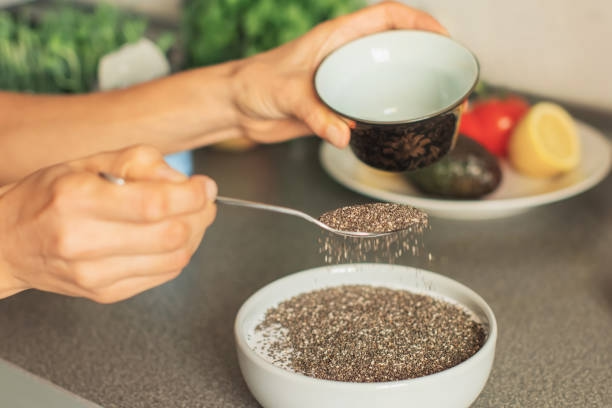
Chia seeds can support weight loss, but not in a magical or fat-burning way. Their primary value lies in how they influence appetite control, digestion speed, and blood sugar regulation, which together can make calorie control easier and more sustainable over time.
How Chia Seeds Promote Fullness
Chia seeds are extremely high in soluble fiber, which absorbs water and expands in the stomach, forming a gel-like substance. This expansion increases gastric volume and slows stomach emptying, sending stronger satiety signals to the brain. Research published in Nutrition Research and Practice has shown that soluble fiber intake is strongly associated with reduced hunger and lower subsequent calorie intake. In practical terms, when chia seeds are consumed with liquid or added to meals, people often feel full sooner and stay full longer, which naturally reduces snacking and overeating.
Impact on Digestion and Calorie Intake
Because chia seeds slow digestion, they also slow the absorption of carbohydrates. This leads to more stable blood sugar levels and prevents rapid spikes and crashes that often trigger hunger shortly after eating. A controlled trial published in European Journal of Clinical Nutrition found that meals containing chia seeds significantly reduced post-meal blood glucose spikes, a key factor in appetite regulation and fat storage. Stable blood sugar reduces insulin surges, which indirectly supports fat-loss efforts.
What Human Studies Actually Show
The evidence on chia seeds and direct weight loss is mixed but informative. A randomized controlled trial published in Nutrition Research (2009) found that chia seed supplementation alone did not cause dramatic weight loss in overweight adults when calories were not controlled. However, other human studies have shown improvements in waist circumference, satiety, triglycerides, and metabolic markers, especially when chia seeds were combined with a calorie-controlled or balanced diet. The takeaway from the research is clear: chia seeds do not cause weight loss by themselves, but they support behaviors and physiological conditions that make weight loss easier.
Best Way to Use Chia Seeds for Weight Loss
For weight-loss support, chia seeds work best when consumed before or with meals, especially in liquid form. Soaking 1–2 tablespoons of chia seeds in water, milk, or yogurt allows them to fully expand before digestion, maximizing their satiety effect. Consuming them dry and unsoaked may reduce this benefit and increase digestive discomfort. Pairing chia seeds with protein-rich foods further enhances fullness and appetite control.
Common Myths vs Reality
A common myth is that chia seeds “burn fat.” There is no scientific evidence that chia seeds directly increase fat oxidation. Another misconception is that more chia seeds equal more weight loss; in reality, excessive intake can add unnecessary calories and cause bloating. The real benefit lies in moderation and consistency, not high doses.
Realistic Expectations
Chia seeds should be viewed as a supportive tool, not a standalone solution. They can help you eat fewer calories by increasing fullness, stabilizing blood sugar, and improving digestion, but they will not override a high-calorie diet or sedentary lifestyle. When combined with a balanced diet, adequate protein intake, and regular movement, chia seeds can meaningfully support long-term, sustainable weight management.
5.1 What Is Chia Seed Water? How chia seeds absorb liquid Gel formation explained 5.2 Benefits of Drinking Chia Seeds Hydration support Appetite control Digestive health 5.3 How to Prepare Chia Seed Water Safely Correct soaking ratio Minimum soaking time Common mistakes to avoid 5.4 Best Time to Drink Chia Seeds Morning vs night Before meals for appetite control Around workouts
5. Drinking Chia Seeds Benefits & How to Do It Correctly
Drinking chia seeds—most commonly as chia seed water—has become popular because it’s one of the simplest ways to consume chia seeds while maximizing their hydration, satiety, and digestive benefits. When prepared correctly, chia seed water can support appetite control, gut health, and overall hydration. When prepared incorrectly, however, it can cause discomfort, bloating, or even choking risk, which is why proper preparation matters.
5.1 What Is Chia Seed Water?
Chia seed water is made by soaking chia seeds in water or another liquid until they fully absorb it. Chia seeds can absorb up to 10–12 times their weight in liquid, forming a gel-like coating around each seed. This gel is created by soluble fiber (mucilage), which slows digestion and nutrient absorption. From a physiological standpoint, this gel formation is what makes chia seeds especially effective for satiety, blood sugar control, and digestive regularity. The same mechanism has been studied in soluble fibers used for appetite regulation and glycemic control in clinical nutrition research.
5.2 Benefits of Drinking Chia Seeds
One of the primary benefits of drinking chia seeds is hydration support. The gel formed by soaked chia seeds helps retain fluid in the digestive tract, which may support sustained hydration, especially during exercise or hot climates. This is why chia drinks have historically been used by endurance athletes. Another major benefit is appetite control. Because the gel expands in the stomach, chia seed water increases feelings of fullness and can reduce calorie intake at subsequent meals.
Studies on soluble fiber intake consistently show improved satiety and reduced hunger, supporting its use in weight management strategies. Drinking chia seeds also supports digestive health by providing fermentable fiber that feeds beneficial gut bacteria and promotes regular bowel movements, helping prevent constipation and bloating when consumed in appropriate amounts.
5.3 How to Prepare Chia Seed Water Safely
Proper preparation is essential. The recommended ratio is 1 tablespoon of chia seeds per 1–1.5 cups (240–360 ml) of water. Stir the mixture well and allow it to soak for at least 20–30 minutes, though soaking overnight is ideal for full gel formation. Stir again after a few minutes to prevent clumping. Common mistakes include swallowing dry chia seeds, using too little water, or consuming the mixture before it has fully gelled. These mistakes can cause throat irritation, stomach discomfort, or excessive bloating. Always ensure the seeds are fully expanded before drinking.
5.4 Best Time to Drink Chia Seeds
The best time to drink chia seeds depends on your goal. Drinking chia seed water in the morning can support hydration and digestive regularity at the start of the day. Consuming it 15–30 minutes before meals may help with appetite control and portion management. For physically active individuals, drinking chia seeds around workouts can support hydration and provide slow-release energy due to their fiber and fat content. Drinking chia seeds late at night is generally safe, but some people may experience bloating or fullness that interferes with sleep, so individual tolerance should guide timing.
When prepared and timed correctly, drinking chia seeds is a practical, low-effort way to gain many of their health benefits without significantly increasing calorie intake.
Heart health Energy 6.3 What Happens If You Eat Too Much Chia Seeds? Digestive issues Bloating and discomfort How to prevent side effects
Recommended Chia Seeds for Health & Daily Use
1. BetterBody Foods Organic Chia Seeds — Top Seller on Amazon
A consistently best-selling organic chia seed brand rich in fiber, omega-3s, and plant protein. Excellent for smoothies, chia pudding, salads, and baking. Customers often praise its neutral taste and high mixing quality.
2. Viva Naturals Organic Chia Seeds — Premium Quality, Bulk Size
USDA-certified organic and high-fiber chia seeds. Known for strong hydration (gels well), smooth texture, and reliable bulk packaging — ideal for daily use and families. Great for smoothies, yogurts, and morning oats.
3. Elan Organic Chia Seeds — Budget-Friendly & Versatile
A highly affordable, non-GMO organic chia seed option on Amazon. Good choice for people who want chia seeds for the first time or want to add them to everyday meals without a big upfront cost.
4. Amazon Fresh Organic Black Chia Seeds — Good Everyday Option
A mid-range organic chia seed option available through Amazon Fresh, providing a solid balance of quality and price. Non-GMO vegan seeds suitable for most meals and prep styles.
5. Yupik Raw Black Chia Seeds — High Value + Large Packaging
A gluten-free vegan chia seed option that comes in larger quantities for regular users. Good for smoothies, chia pudding, energy bowls, and meal prep.
6. How Much Chia Seeds Per Day Is Safe?
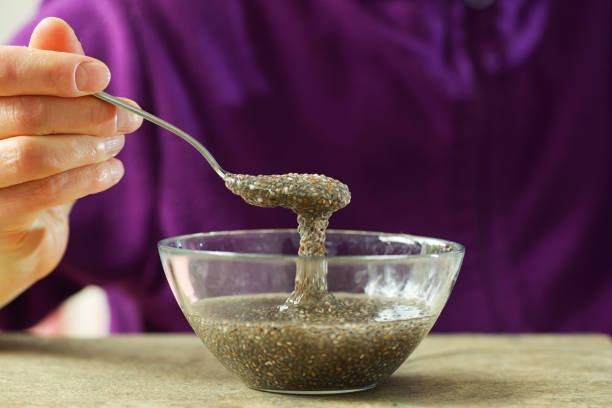
Chia seeds are highly nutritious, but because they are extremely rich in fiber, more is not always better. Consuming the right amount is key to gaining benefits while avoiding digestive discomfort. Most side effects linked to chia seeds occur when people increase intake too quickly or consume them without adequate fluids.
6.1 Recommended Daily Intake
For beginners, a small starting dose is strongly recommended to allow the digestive system to adapt. A good beginner dose is 1 teaspoon to 1 tablespoon per day, preferably soaked in water, milk, or added to foods with sufficient moisture. This amount already provides a meaningful fiber boost without overwhelming the gut.
For most healthy adults, the standard daily dose is 1–2 tablespoons (12–24 grams) per day. This range is commonly used in nutrition studies and provides roughly 8–10 grams of fiber, significant omega-3 fatty acids, and essential minerals while remaining well tolerated by most people.
The upper safe limit is generally considered 2 tablespoons per day for long-term daily use. Some individuals can tolerate up to 3 tablespoons, but this is not necessary for added benefit and increases the risk of bloating, gas, or abdominal discomfort. Health authorities emphasize gradual intake increases and adequate hydration when consuming high-fiber foods like chia seeds.
6.2 Chia Seeds Dosage by Health Goal
For weight loss support, 1–2 tablespoons per day is sufficient, ideally consumed before meals or added to breakfast. This amount helps increase fullness and stabilize blood sugar without adding excessive calories.
For digestive health, 1 tablespoon per day is often enough to promote regular bowel movements and support gut bacteria. Increasing beyond this does not necessarily improve digestion and may worsen bloating for sensitive individuals.
For heart health, 1–2 tablespoons daily provide ample omega-3 fatty acids and soluble fiber, which have been associated with improved cholesterol profiles and cardiovascular markers in dietary studies.
For energy and endurance, especially for active individuals, 1–2 tablespoons per day can support sustained energy due to slow-digesting carbohydrates and fats, particularly when consumed with fluids or pre-workout meals.
6.3 What Happens If You Eat Too Much Chia Seeds?
Eating too many chia seeds—especially without soaking them—can lead to digestive issues, including bloating, gas, abdominal cramps, and constipation or diarrhea. This happens because chia seeds absorb large amounts of water and expand in the digestive tract, placing stress on the gut when fluid intake is insufficient.
To prevent side effects, always soak chia seeds before consuming, drink plenty of water throughout the day, and increase your intake gradually over 1–2 weeks. If discomfort occurs, reduce the amount and allow your digestion to adjust before increasing again.
In summary: For most people, 1–2 tablespoons of chia seeds per day is safe, effective, and well tolerated, providing maximum benefits with minimal risk when consumed properly.
Not sure how to use superfoods daily?
Get my Superfoods Smoothie & Meal Guide with easy recipes and simple meal tips.
7. Best Ways to Eat Chia Seeds
Chia seeds are one of the most versatile superfoods because they have a mild, neutral taste and adapt well to both sweet and savory dishes. The key is to use methods that allow the seeds to absorb liquid, improving digestion and nutrient utilization while avoiding discomfort.
Chia Pudding
Chia pudding is one of the most popular and effective ways to eat chia seeds. It’s made by soaking chia seeds in milk or a plant-based alternative until they fully gel. This method maximizes satiety, supports digestion, and creates a dessert-like texture without added sugar. Chia pudding works especially well as a breakfast or healthy snack because it provides sustained energy and keeps you full for hours.
Smoothies
Adding chia seeds to smoothies is an easy way to boost fiber, omega-3s, and minerals without changing the flavor. When blended with liquid and fruits, chia seeds hydrate properly and are gentle on digestion. They also help thicken smoothies naturally while slowing sugar absorption, which can prevent energy crashes after fruit-heavy drinks.
Yogurt and Oatmeal
Chia seeds pair exceptionally well with yogurt and oatmeal. Sprinkling them into these foods allows the seeds to absorb moisture over time, improving texture and digestion. This combination supports gut health by pairing chia’s fiber with probiotics from yogurt or beta-glucans from oats, creating a balanced, digestion-friendly meal.
Baking
Chia seeds can be added to baked goods like bread, muffins, pancakes, and energy bars. They retain much of their fiber and mineral content during baking and add texture and nutritional value. When mixed with liquid, chia seeds can also act as a natural binding agent, making them useful in egg-free or vegan recipes.
Salads and Soups
Chia seeds can be sprinkled over salads or stirred into soups, provided there is enough liquid for them to hydrate. In soups, they naturally thicken the broth, while in salads they should be paired with moist ingredients or dressings to prevent dryness. This method adds nutrition without altering the dish’s overall flavor.
When eaten in hydrated forms and moderate amounts, chia seeds are easy to incorporate into daily meals and offer consistent health benefits without digestive issues.
8. Chia Seeds vs Other Seeds
Chia seeds are often grouped with other high-fiber seeds, but they differ significantly in nutrient profile, digestion, and practical use. Understanding these differences helps you choose the right option based on your health goals.
Chia Seeds vs Flax Seeds
Both chia and flax seeds are rich in fiber and omega-3 fatty acids, but they behave differently in the body. Chia seeds can be eaten whole and still provide full nutritional benefits, whereas flax seeds must be ground to absorb their omega-3s effectively. Chia seeds also form a thicker gel when soaked, which enhances satiety and blood sugar control. Flax seeds contain higher amounts of lignans, plant compounds linked to hormone balance and antioxidant effects. From a convenience standpoint, chia seeds are easier to use daily, while flax may be preferable for those specifically targeting hormonal or cholesterol benefits.
Chia Seeds vs Basil Seeds
Basil seeds (often called sabja seeds) are commonly used in traditional Asian drinks and share a similar gel-forming property with chia seeds. However, basil seeds contain less fiber, fewer omega-3 fatty acids, and lower mineral content compared to chia seeds. Basil seeds tend to swell faster and are primarily used for hydration and cooling effects, while chia seeds offer broader nutritional benefits, including heart health, metabolic support, and long-term satiety.
Chia Seeds vs Psyllium Husk
Psyllium husk is almost pure soluble fiber and is widely used as a laxative or fiber supplement. While it is very effective for constipation and cholesterol reduction, it provides little to no protein, fats, vitamins, or minerals. Chia seeds, on the other hand, deliver fiber along with omega-3s, antioxidants, and essential minerals, making them a more balanced whole-food option. Psyllium works best for targeted digestive or cholesterol support, whereas chia seeds are better suited for overall nutrition and daily wellness.
In summary:
- Choose chia seeds for all-around nutrition and long-term health
- Choose flax seeds for hormone and cholesterol-focused benefits
- Choose basil seeds for light hydration and cooling effects
- Choose psyllium husk for targeted digestive or cholesterol support
Each has its place, but chia seeds remain the most versatile and nutritionally complete option for everyday use.
9. Side Effects & Safety Considerations
Chia seeds are generally safe for most people and are widely consumed as part of a healthy diet. However, due to their high fiber content and strong water-absorbing ability, some individuals may experience side effects if they are used incorrectly or in excessive amounts. Understanding these considerations helps ensure safe, comfortable daily use.
Common Mild Side Effects
The most common side effects of chia seeds are digestive-related, especially when intake is increased too quickly. These may include bloating, gas, abdominal discomfort, constipation, or diarrhea. These symptoms typically occur when chia seeds are consumed dry, without enough liquid, or in amounts that exceed individual tolerance. Starting with small servings, soaking the seeds, and maintaining adequate hydration greatly reduces the risk of these effects.
Who Should Avoid Chia Seeds
People with a history of swallowing difficulties or esophageal strictures should avoid dry chia seeds, as they can expand and pose a choking risk if not fully hydrated. Individuals with seed allergies should also exercise caution. Those with severe digestive disorders, such as inflammatory bowel disease during active flare-ups, may need to limit or avoid chia seeds due to their high fiber content. Anyone advised to follow a very low-fiber diet should consult a healthcare professional before consuming chia seeds.
Medication Interactions
Chia seeds may interact with certain medications due to their effects on digestion and metabolism. Their fiber content can slow nutrient and drug absorption, so medications should ideally be taken at least 1–2 hours apart from chia seed consumption. Because chia seeds can help lower blood sugar and blood pressure, individuals taking diabetes or antihypertensive medications should monitor levels closely to avoid excessive drops. Chia seeds also have mild blood-thinning properties, so caution is advised for those on anticoagulant therapy.
Safety for Daily Use
For healthy adults, chia seeds are considered safe for daily consumption when eaten in moderate amounts, typically 1–2 tablespoons per day. Long-term dietary studies and traditional use support their safety when consumed as part of a balanced diet. The key factors for safe daily use are proper hydration, gradual intake increases, and moderation.
When used responsibly, chia seeds are a safe and effective addition to most diets, offering significant nutritional benefits with minimal risk.
10. Chia Seeds for Specific Groups
Chia seeds can benefit a wide range of people, but their effects and ideal usage may vary depending on age, activity level, and health status. Below is a practical, evidence-informed look at how chia seeds may support different groups when used appropriately.
Women
For women, chia seeds can support hormonal balance, bone health, and digestive regularity. Their high fiber content helps regulate estrogen metabolism by supporting healthy elimination through the gut, which may be beneficial during hormonal fluctuations. Chia seeds are also rich in calcium, magnesium, and phosphorus, nutrients essential for bone density, particularly important for women at higher risk of osteoporosis. Additionally, omega-3 fatty acids may help reduce inflammation associated with menstrual discomfort and support skin health.
Men
Men may benefit from chia seeds due to their role in heart health, metabolic support, and muscle maintenance. The combination of fiber, omega-3s, and antioxidants supports healthy cholesterol levels and cardiovascular function. Chia seeds also provide plant-based protein and minerals such as magnesium and zinc, which are involved in energy metabolism and muscle function, making them a useful addition to active or strength-focused diets.
Older Adults
For older adults, chia seeds offer gentle support for digestive health, bone strength, and cardiovascular wellness. Fiber helps prevent constipation, a common issue with aging, while calcium and magnesium contribute to maintaining bone density. Because digestion may be more sensitive in this group, starting with smaller amounts and ensuring the seeds are well soaked is especially important. When consumed properly, chia seeds can be a nutrient-dense, low-effort food for older adults.
Athletes
Athletes often use chia seeds for hydration, endurance, and recovery. When soaked, chia seeds help retain fluids and provide slow-release energy due to their fiber and fat content. Omega-3 fatty acids may support muscle recovery by reducing exercise-induced inflammation. Chia seeds can be added to smoothies, energy drinks, or pre-workout meals to support sustained performance without rapid blood sugar spikes.
People With Diabetes
Chia seeds can be beneficial for people with diabetes when consumed in moderation and as part of a balanced diet. Their soluble fiber slows carbohydrate absorption, helping reduce post-meal blood sugar spikes and improve glycemic control. Several human studies have shown improved insulin sensitivity and reduced glucose responses when chia seeds are included in meals. However, individuals using glucose-lowering medications should monitor blood sugar levels closely and consult a healthcare professional before significantly increasing intake.
Overall, chia seeds are adaptable and beneficial for many groups, provided they are consumed in appropriate amounts and prepared correctly.
11. FAQs About Chia Seeds
Can I eat chia seeds daily?
Yes, chia seeds are safe for daily consumption for most people when eaten in moderate amounts. A daily intake of 1–2 tablespoons is commonly recommended and well tolerated. Daily use can support digestion, heart health, and metabolic balance as long as the seeds are properly hydrated and total fiber intake is balanced with adequate fluids.
Is it better to soak chia seeds?
Yes, soaking chia seeds is generally better and safer. When soaked, chia seeds absorb liquid and form a gel, which improves digestion, reduces the risk of bloating, and prevents choking or throat discomfort. Soaked chia seeds also provide stronger satiety benefits compared to eating them dry.
Can chia seeds cause weight gain?
Chia seeds do not inherently cause weight gain, but they are calorie-dense in large amounts. Consuming excessive quantities can add extra calories, especially if not accounted for in the overall diet. When eaten in recommended portions, chia seeds are more likely to support weight management by increasing fullness and reducing overeating.
Are chia seeds safe long-term?
Yes, chia seeds are considered safe for long-term use when consumed as part of a balanced diet. Long-term dietary patterns that include high-fiber, omega-3–rich foods like chia seeds are associated with improved metabolic and cardiovascular health. The key is moderation, hydration, and gradual intake increases.
Can I drink chia seeds at night?
You can drink chia seeds at night, but individual tolerance varies. Some people find that chia seed drinks promote fullness and digestive comfort before bed, while others may experience bloating or discomfort. If consumed at night, it’s best to keep the portion small and ensure the seeds are fully soaked.
12. Finally : Should You Add Chia Seeds to Your Diet?
Chia seeds are a simple, affordable, and evidence-supported food that can add meaningful nutritional value to most diets. Thanks to their high fiber content, plant-based omega-3 fatty acids, and essential minerals, they offer benefits that extend beyond basic nutrition and support long-term health when used correctly.
Who Benefits the Most
Chia seeds are especially beneficial for people looking to improve digestive health, appetite control, heart health, and metabolic balance. They are well suited for individuals following plant-based diets, those with low fiber intake, people aiming for sustainable weight management, and anyone seeking a natural way to support blood sugar stability. Athletes and physically active individuals may also benefit from chia seeds’ hydration and slow-release energy properties.
How to Use Them Safely
To use chia seeds safely, moderation and preparation are key. A daily intake of 1–2 tablespoons, preferably soaked in water, milk, or mixed into moist foods, is sufficient for most adults. Increasing intake gradually, drinking enough fluids, and avoiding dry consumption help prevent digestive discomfort. People with medical conditions or those taking blood sugar or blood pressure medications should monitor their response and consult a healthcare professional if needed.