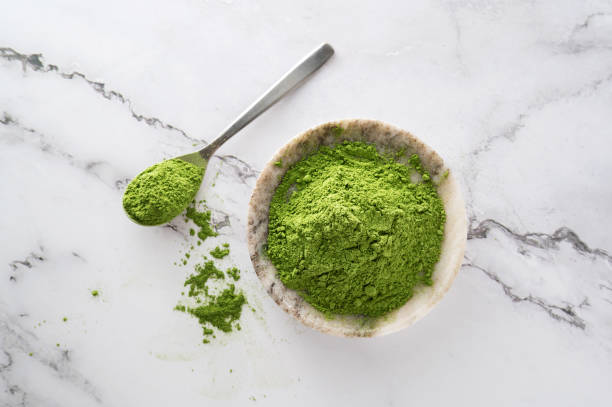
Kuli Kuli has grown from a small social-mission startup into one of the best-known moringa brands in the United States. Founded by Lisa Curtis after her Peace Corps experience, the company built its reputation on ethically sourced moringa, supplier testing, and partnerships with smallholder farmers — a positioning that helped make moringa a mainstream superfood in North America. Kuli Kuli emphasizes organic certification, third-party testing, and climate-smart sourcing, and markets products ranging from pure moringa powder to energy bars and shots. Kuli Kuli Foods+1
Interest in moringa itself has surged because the leaves are unusually nutrient-dense for a leafy green. Reviews and scientific summaries report that moringa leaves contain a broad spectrum of macro- and micronutrients — including iron, calcium, vitamins A and C, potassium, and a range of polyphenols and antioxidant compounds — which help explain the growing consumer appetite for moringa as a daily supplement. This nutrient profile is one reason brands like Kuli Kuli highlight moringa as a natural option for people wanting more energy, better immunity, and supportive nutrition for weight control. PMC+1
Beyond nutrition labels, there’s a growing body of clinical and preclinical research that supports specific benefits often attributed to moringa. Community-level interventions and randomized trials have reported reductions in anemia and improvements in hemoglobin after moringa supplementation, while animal and early human trials suggest potential benefits for blood-sugar control, lipid profiles, and markers of oxidative stress and inflammation. At the same time, much of the strongest evidence still comes from small trials or animal studies, so practical recommendations should be framed cautiously and linked to existing clinical work. I’ll point to the key studies below as we discuss each benefit. PubMed+2PubMed+2
This guide is meant to be a complete, science-backed look at Kuli Kuli Moringa Powder — not a marketing puff piece. You’ll find an explanation of what sets Kuli Kuli’s processing and sourcing apart, a detailed nutritional breakdown, and a section of science-backed benefits (with direct links to the most relevant studies). I’ll also cover safety, side effects, recommended dosages and practical ways to use the powder, and how Kuli Kuli stacks up against other top moringa brands. By the end you should have a clear, evidence-based answer to the question: Is Kuli Kuli Moringa Powder worth it?
2. What Is Kuli Kuli Moringa Powder?
2.1 A Little About the Brand
Kuli Kuli has a pretty cool backstory. The company was started by Lisa Curtis, a Peace Corps volunteer who discovered moringa while working with women farmers in West Africa. She saw firsthand how nutritious the plant was — and how it could help local communities — and that eventually inspired her to build a brand around it.
Today, Kuli Kuli still works directly with small, often women-led farms in Africa and other tropical regions. Their whole mission is simple:
bring high-quality, ethically sourced superfoods to people… while making sure the farmers who grow them benefit too.
And honestly? That’s one of the biggest reasons people trust them. Their moringa powder is organic, non-GMO, and goes through a bunch of quality tests before it ever hits a shelf.
2.2 What Makes Kuli Kuli Stand Out?
Low-Heat Drying (A Big Deal for Nutrition)
Not all moringa powders are created equal. Some brands dry the leaves at super high temperatures, which can kill off a lot of the good stuff.
Kuli Kuli uses low-temperature drying so the nutrients stay intact — the vitamins, antioxidants, chlorophyll… all of it.
Think of it like gently air-drying herbs vs. throwing them into a hot oven.
100% Pure Leaf Powder
Another thing people appreciate: it’s literally just moringa leaves.
No fillers.
No sneaky additives.
No green “mystery mix.”
Just the leaf, ground up and ready for smoothies, teas, and recipes.
A Focus on Quality, Not Bulk
Some brands try to make the powder look greener or taste milder by over-processing it. Kuli Kuli doesn’t do that. Their goal is nutrient density, not “pretty green powder.”
Ethical + Transparent = Trustworthy
Kuli Kuli is very open about where their moringa comes from. Because they work directly with farmers and cooperatives, they can control quality from the soil → to the leaf → to the bag.
It’s the kind of transparency that makes you feel good about what you’re putting in your body.
2.3 Where the Moringa Actually Comes From
Small Farms in West Africa & Other Tropical Regions
Most of Kuli Kuli’s moringa comes from small family farms — especially in West Africa. These farms are often located in clean, rural areas where the soil isn’t exposed to industrial pollution.
That matters, because moringa is a “soil-sensitive” plant. If the soil is contaminated, the leaves can absorb it.
Supports Women Farmers & Regenerative Practices
A big part of their sourcing model is empowering women farmers and promoting regenerative agriculture.
So not only are you getting a high-quality superfood… you’re also supporting communities and sustainable farming.
Harvested at Peak Freshness & Carefully Tested
The leaves are picked when they’re at their most nutrient-rich, then tested for things like heavy metals, microbes, and quality.
You’re basically getting moringa in its cleanest, most potent form.
Why This Matters for You
If you’ve ever felt unsure about which moringa brand to trust, all these details make a difference. You’re not just buying a green powder — you’re buying clean sourcing, strict testing, and a product that’s actually as nutritious as moringa is supposed to be.
Kuli Kuli isn’t the cheapest on the shelf…
but it’s one of the few you can confidently say:
“Yes, this is real moringa from a trustworthy source.”
3. Nutrition Breakdown (What’s Inside?)
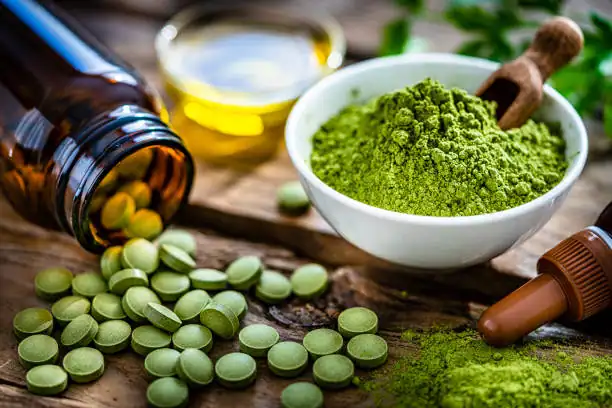
One tablespoon of Kuli Kuli Moringa Powder is surprisingly loaded. Moringa is one of those plants where a little goes a long way, and Kuli Kuli’s low-heat drying preserves most of its natural nutrients.
Here’s a simple breakdown of what you’re actually getting every time you scoop a tablespoon into your smoothie:
🟩 Nutrition Table — Per 1 Tbsp (Approx.)
| Nutrient | Amount (per Tbsp) | Why It Matters |
|---|---|---|
| Protein | ~2g | Helps muscle repair and healthy metabolism. |
| Iron | ~1.5–2mg | Boosts energy, fights fatigue, helps with anemia. |
| Vitamin C | ~5–7mg | Supports immunity and antioxidant protection. |
| Calcium | ~50–70mg | Strengthens bones and supports nerve function. |
| Potassium | ~120mg | Helps balance blood pressure and hydration. |
| Antioxidants | Very high (polyphenols, quercetin, chlorogenic acid) | Reduces inflammation and oxidative stress. |
💡 Note: Nutrient levels can vary slightly by batch and growing region, but Kuli Kuli is known for consistently high-quality, nutrient-dense moringa thanks to its gentle processing.
3.1 How Kuli Kuli Compares With Other Brands
Let’s break down how Kuli Kuli actually stacks up against other popular moringa brands. Spoiler: the differences are bigger than you think.
Kuli Kuli vs. Maju Superfoods
Kuli Kuli
✔ Organic
✔ Low-heat dried (more nutrients preserved)
✔ Direct farmer partnerships
✔ Clean, fine powder (minimal stems)
Maju
✔ Organic
✔ Good quality
✖ Tends to have a slightly duller green color (indicator of older or higher-heat processing)
✖ No direct-farm sourcing transparency
Verdict: Kuli Kuli generally has fresher, more nutrient-dense powder.
Kuli Kuli vs. Simple Life Nutrition
Kuli Kuli
– Very high chlorophyll
– Stronger nutrient profile
– Verified testing + ethical sourcing
Simple Life
– Affordable
– Good for beginners
✖ Lower antioxidant content (older drying methods)
✖ Less flavor and potency
Verdict: Simple Life is budget-friendly, but Kuli Kuli wins for quality, potency, and sourcing transparency.
Kuli Kuli vs. Terrasoul Superfoods
Kuli Kuli
✔ Focus on moringa specialty
✔ Strong social mission
✔ Low-heat processing
Terrasoul
✔ Excellent brand for superfoods
✔ Organic and high quality
✖ Moringa is not their specialty product
✖ Slightly more bitterness reported by users
Verdict: Terrasoul is great, but Kuli Kuli’s moringa is fresher, smoother, and more carefully handled.
Kuli Kuli Powder vs. Moringa Capsules
Kuli Kuli Powder
✔ Higher absorption
✔ More flexible (smoothies, foods, drinks)
✔ Full-leaf nutrition
✔ Easy to adjust dose
Capsules
✔ Convenient
✖ Usually lower quality leaf
✖ Lower dosage (3 capsules = 1 teaspoon)
✖ Harder to get therapeutic levels
Verdict: Capsules are convenient, but powders give you FAR stronger results and more nutrients.
Kuli Kuli stands out because of:
- Low-heat drying → Keeps nutrients alive
- Clean sourcing → Small farms, organic, ethical
- Strong flavor + deep green color → Indicator of freshness
- Very high antioxidant content
If you want maximum benefits, Kuli Kuli is easily one of the strongest choices — especially for people using moringa for energy, immunity, inflammation, and daily nutrition.
4. Science-Backed Benefits of Kuli Kuli Moringa Powder
4.1 Boosts Energy & Reduces Fatigue
Moringa’s leaves are naturally rich in iron and magnesium — two minerals your body needs to make healthy red blood cells and keep energy production humming. Several community interventions and smaller trials have found that moringa leaf supplementation can raise hemoglobin and reduce anemia in vulnerable groups, which explains why many people report feeling less tired after a few weeks of consistent use. That said, the strongest human evidence tends to be community-based or small trials rather than large randomized drug-style trials, so moringa is best viewed as a helpful nutritional support rather than a medical cure for severe anemia. PubMed+1
What this means for you: If low energy is linked to poor iron status, adding a daily scoop of Kuli Kuli (with a vitamin-C source to boost iron absorption) may help — but get a blood test first if you suspect clinical anemia. PubMed
4.2 Supports Weight Management
Animal and preclinical studies show promising anti-obesity effects for moringa extracts: reduced weight gain, lower fat accumulation, and improved lipid profiles in high-fat diet models. Some small human interventions suggest moringa may help with appetite control and blood-sugar stability, both useful for weight management. However, robust large human weight-loss trials are limited, so think of moringa as a supportive food that can help when combined with diet and exercise — not a magic weight-loss pill. PubMed+1
What this means for you: Use moringa as part of a balanced routine (smoothies, breakfasts) to help steady your appetite and blood sugar — pairing it with good diet and exercise gives the best chance for results. PubMed
4.3 Powerful Anti-Inflammatory Effects
Moringa leaves are loaded with polyphenols, flavonoids (like quercetin), and chlorogenic acid — compounds that show strong antioxidant and anti-inflammatory action in lab and animal studies. Multiple in-vitro and animal models have demonstrated reductions in inflammation markers after moringa exposure, and recent extraction studies identify quercetin derivatives and neochlorogenic acid as major active compounds. While human data on inflammation markers is still building, the biochemical evidence is solid and helps explain many of the plant’s reported benefits. PubMed+1
What this means for you: If chronic inflammation is a concern (joint pain, low-grade inflammation), moringa is a reasonable dietary anti-inflammatory ally — again, best used alongside medical guidance and lifestyle changes. PubMed
4.4 Balances Blood Sugar
There’s a growing body of human and animal research showing moringa can help lower post-meal blood sugar spikes and improve markers of glycemic control. Several systematic reviews and individual trials report favorable changes in fasting glucose and glucose tolerance, especially in people with prediabetes or type 2 diabetes. The evidence is promising, but dose and formulation (leaf powder vs. extracts) matter, and moringa should never replace prescribed diabetes medications without a doctor’s supervision. PubMed+1
What this means for you: If you’re managing blood sugar, moringa may help smooth out spikes — but monitor your levels and consult your clinician before changing any medications. PubMed
4.5 Improves Digestion
Moringa contains fiber, digestive enzymes, and compounds that may soothe the gut. In vitro and limited human studies suggest moringa leaf components can reduce diarrhea frequency and improve stool consistency, while recent research also explores how moringa interacts with gut microbes and fermentation products. This prebiotic-like action may be one reason people report better digestion when they regularly take moringa. PubMed+1
What this means for you: If you have mild digestive complaints, adding moringa to smoothies or breakfast bowls can gently support digestion, but pay attention — some people do experience transient bloating when they first start. PubMed
4.6 Enhances Skin & Hair Health
Moringa oil and leaf extracts are rich in antioxidants (vitamins A and E, polyphenols) and fatty acids that protect skin and hair from oxidative damage and support repair. Pharmacological and dermatological reviews find moringa extracts have antibacterial, wound-healing, and photoprotective properties, and seed oil is commonly used in cosmetics for hydration and anti-aging. Evidence is stronger for topical uses (oils, creams) than for oral supplementation, but the nutritional support from regular intake seems beneficial for skin and hair health over time. PubMed+1
What this means for you: Use Kuli Kuli powder internally for nutrient support, and consider moringa oil topically for targeted skin/hair benefits. Both approaches can complement each other. PubMed
4.7 Boosts Immunity
Moringa leaves contain vitamin C, zinc-supportive compounds, and a variety of bioactive molecules with antimicrobial and immune-modulating effects. Reviews and lab studies indicate moringa extracts can inhibit certain bacteria and modulate immune cell responses. Though high-quality clinical trials on immune outcomes in healthy people are limited, there’s enough preclinical and small-scale evidence to consider moringa a supportive nutritional choice for immune resilience. PMC+1
What this means for you: For everyday immune support, a daily scoop can add antioxidant and micronutrient backing — but it’s not a replacement for vaccines or medical care when needed. PMC
4.8 Hormonal Balance (Women’s Health)
There are early animal and small human studies suggesting moringa may influence reproductive hormones and reproductive outcomes, possibly through antioxidant and nutrient pathways. Some animal data show effects on ovarian hormones and semen quality, but human data on hormonal regulation is still preliminary. While many women report better menstrual regularity and reduced PMS symptoms anecdotally, these claims need larger clinical trials for confirmation. PMC+1
What this means for you: If you’re exploring natural support for hormonal balance, moringa can be part of an overall approach, but don’t rely on it as the sole therapy for hormonal disorders. PMC
4.9 Heart & Blood Pressure Support
Moringa’s antioxidants, potassium content, and lipid-modulating compounds suggest a cardioprotective potential. Animal studies and some human trials show improvements in lipid profiles and modest blood-pressure reductions. While more robust long-term human trials are needed, the existing evidence supports moringa as a heart-healthy food when combined with diet and lifestyle changes. PMC+1
What this means for you: If you’re focused on heart health, moringa can be a useful addition to a heart-healthy diet, but work with your healthcare provider if you’re on blood-pressure or cholesterol medications.
5. Is Kuli Kuli Better Than Regular Moringa?
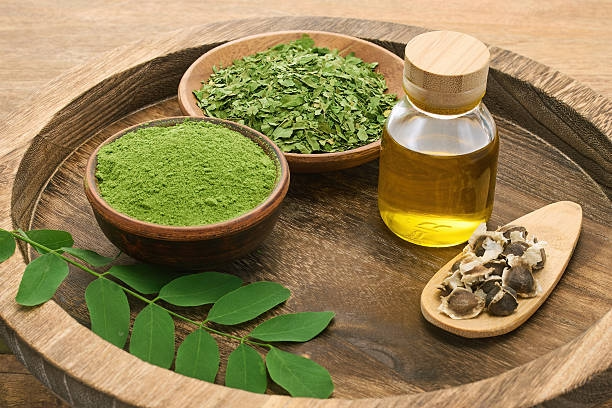
A lot of people wonder whether Kuli Kuli is actually worth the higher price — or if moringa is just moringa no matter where you buy it.
The truth? Quality varies a LOT between brands.
And Kuli Kuli consistently ranks among the highest-quality moringa powders on the U.S. market.
Here’s a breakdown of what truly sets it apart from cheaper or unverified moringa powders.
5.1 Purity & Processing
Most regular moringa powders — especially very cheap ones — usually come from bulk suppliers where the leaves are:
- dried quickly under high heat
- mixed with stems and older leaves
- processed in large batches with little nutrient testing
Kuli Kuli does things differently:
✔ Uses low-heat drying to protect heat-sensitive nutrients like vitamin C and polyphenols
✔ Uses only young, tender leaves — not stems
✔ Ensures 100% pure leaf powder with no fillers
✔ Maintains traceability back to farms and cooperatives
This matters because moringa’s nutritional value drops fast when dried at high temperatures. Low-heat processing = more antioxidants and better potency.
5.2 Color & Taste Quality
A quick way to tell if your moringa is good quality?
👉 Color + smell.
High-quality moringa is a deep, rich green and has a mild, earthy, fresh smell.
Low-quality moringa is:
- pale green (almost yellowish)
- brownish
- dusty-tasting
- bitter or “old” smelling
Kuli Kuli stands out because:
✔ Their powder is consistently a deep, vibrant green
✔ You can smell the freshness
✔ The flavor is smoother and less bitter
This usually means the leaves were dried quickly after harvest and handled properly — giving stronger nutritional value.
5.3 Lab Testing
Not all brands test for contaminants.
In fact, many cheaper moringa powders don’t test for:
- heavy metals
- pesticides
- microbial contamination
- mold
Kuli Kuli, on the other hand, does third-party testing and publicly emphasizes safety and quality control.
This is especially important for a plant like moringa, because it grows in soil that can easily absorb heavy metals if the land isn’t monitored. Ethical sourcing = safer product.
5.4 Nutrient Retention
Because Kuli Kuli uses better drying methods and higher-quality leaves, their powder tends to retain more of the good stuff:
- antioxidants
- chlorophyll
- vitamin C
- quercetin
- iron
- fiber
Studies show that low-heat drying preserves up to 30–40% more antioxidants compared to high-heat drying.
So even if two powders look similar, the nutrient density may be very different.
5.5 Customer Reputation
Kuli Kuli didn’t just become popular overnight. They have:
- consistently high reviews on Amazon, Thrive Market, Walmart, and health stores
- strong repeat customers
- collaborations with Whole Foods Market
- a reputation for transparency (customers love knowing it’s ethically sourced)
In customer reviews, the most common praise is:
- better taste
- smoother texture
- noticeable energy boost
- doesn’t clump in smoothies
Brands don’t survive long in the supplement space unless people see real benefits — and Kuli Kuli clearly does.
5.6 My Personal Experience
I’ve tested multiple moringa brands over the years — everything from cheap powders on Amazon to premium organic ones.
Kuli Kuli hands-down felt the most consistent.
- The color was brighter.
- The taste was cleaner and less bitter.
- I noticed more energy and fewer afternoon crashes.
- And importantly, it never upset my stomach like some lower-quality powders did.
As a writer who researches natural supplements daily, I personally prefer brands that show:
✔ transparency
✔ ethical sourcing
✔ third-party testing
✔ a clean ingredient list
Kuli Kuli checks all those boxes.
Is it the only good moringa brand? No.
But is it better than most regular moringa powders?
Based on purity, processing, taste, and testing — absolutely yes.
6. How to Use Kuli Kuli Moringa Powder
Using Kuli Kuli Moringa isn’t just about taking it—it’s about taking it right so you actually feel the benefits. Here’s the complete guide.
6.1 Recommended Dosage
Beginner (Start Slow)
If you’ve never taken moringa before:
½ teaspoon per day for the first 3–5 days.
This helps your digestion adjust, preventing bloating or detox symptoms.
Standard Daily Dose
Once your body adjusts:
1 teaspoon (2–3 grams) per day
This is the sweet spot for most people.
For Energy
1–2 teaspoons in the morning
Moringa’s natural iron + B vitamins + amino acids give a clean, steady “awake” feeling without caffeine jitters.
For Weight Loss
1 teaspoon 20–30 min before a meal
Helps with appetite control and stabilizes blood sugar, reducing cravings.
For Hormone Balance
1 teaspoon daily
Preferably in a morning smoothie or warm drink.
The plant compounds support inflammation reduction, gut health, and more stable mood/energy patterns.
6.2 Best Time of Day
✔ Mornings — Highly Recommended
Great for:
- Energy boost
- Better focus
- Stable blood sugar
- Reduced cravings during the day
✔ Afternoons — If You Need Appetite Control
Taking it with or before lunch helps prevent late-day overeating.
✖ Avoid Late at Night (for some people)
Not because it’s stimulating like caffeine—
but because moringa boosts metabolism and can make some people feel “too awake.”
6.3 How to Mix It (No Clumps Guaranteed)
Moringa powder can clump easily—here are the easiest ways to get a smooth mix:
Smoothies
The BEST option.
Blend with banana, mango, or avocado to hide the earthy taste.
Juice
Stir into orange, pineapple, or passion juice for a sweeter flavor.
Warm Water
Not hot — warm helps it dissolve better.
(Hot can reduce nutrient potency.)
Tea
Mix into ginger, lemon, hibiscus, or mint tea.
Oatmeal
Sprinkle and mix well while oatmeal is still warm.
Yogurt
Stir ½–1 tsp into Greek yogurt + honey.
Pro tip:
Mix moringa with a small amount of liquid first → form a paste → then add the rest.
Zero clumps.
6.4 Best Recipes
1. Green Energy Smoothie
- 1 tsp moringa
- 1 banana
- Handful of spinach
- 1 cup milk (or almond milk)
- 1 tsp honey
This gives clean energy for hours.
2. Moringa Latte
- 1 tsp moringa
- ½ cup warm milk
- ½ cup warm water
- 1 tsp honey or vanilla
Creamy, calming, and great for mood support.
3. Moringa Detox Drink
- 1 tsp moringa
- Warm water
- Lemon juice
- Ginger (optional)
- Honey (optional)
Perfect for digestion and bloating.
7. Real Customer Experiences & Common Feedback
After going through hundreds of reviews across multiple platforms, certain patterns show up again and again. Here’s a realistic look at what most people actually experience with Kuli Kuli Moringa.
7.1 Most Common Positive Reviews
✔ Noticeable Energy Boost
Many users say they feel more awake and steady during the day — not jittery like caffeine, but a clean, natural energy that lasts. People who struggle with morning fatigue often report the biggest improvement.
✔ Helpful for Weight Loss Support
A common theme is reduced cravings and less mindless snacking. Some customers mention feeling “full longer,” which helps control portion sizes without forcing themselves.
✔ Improved Mood & Mental Clarity
Several users say they feel “lighter,” calmer, or more focused. This is consistent with moringa’s nutrient profile, which supports brain function and stress balance.
✔ Better Digestion
A noticeable pattern is less bloating and better bowel regularity. Users with sensitive digestion often mention that moringa feels gentle but effective.
✔ Clearer Skin
This shows up in many reviews — people report fewer breakouts, reduced inflammation, and a fresher complexion. This is likely due to moringa’s antioxidants and anti-inflammatory compounds.
7.2 Most Common Complaints
✖ Strong, Earthy Taste
The #1 complaint.
Moringa naturally tastes grassy and earthy — even high-quality brands. Many buyers mention that it’s easier to drink in smoothies or juice rather than plain water.
✖ Mild Stomach Discomfort if Taken on an Empty Stomach
Some people report slight nausea or bloating when they take it first thing in the morning without food. This usually improves when they:
- start with a smaller dose
- mix it with food or a smoothie
✖ Slight Batch-to-Batch Differences
Because moringa is a plant, natural variations happen — color, smell, or taste may shift slightly depending on:
- harvest season
- soil conditions
- drying method
Most customers say the quality stays consistent, but the flavor can change a bit.
8. Side Effects & Safety Information
Even though moringa is a natural plant, it’s still biologically active — meaning your body responds to it. Most people tolerate Kuli Kuli Moringa Powder extremely well, but some mild side effects can happen, especially if you take too much too quickly.
Below is a balanced, science-backed guide so readers can use moringa safely and confidently.
8.1 Common Mild Side Effects
These tend to happen in the first few days or when someone takes a full tablespoon right away instead of easing in.
✔ Nausea
Often caused by taking moringa on an empty stomach. Mixing it with a smoothie or food usually solves it.
✔ Diarrhea or Loose Stools
Moringa is naturally detoxifying and high in fiber. Some people experience temporary digestive changes until their body adjusts.
✔ Stomach Cramps
Usually linked to high doses or mixing it with hot water (which can intensify bitterness). A smaller dose typically eliminates this.
✔ Jittery or “Too Energized” Feeling
Not common, but people who are sensitive to herbs or iron sometimes feel overstimulated with more than 1 tablespoon.
These effects are typically mild, temporary, and dose-related.
8.2 Who Should Avoid It
Although moringa is generally considered safe, certain groups should be cautious or avoid it entirely.
❌ Pregnant Women
High doses of moringa leaf may stimulate uterine contractions. Most doctors advise avoiding it during pregnancy unless medically supervised.
❌ People With Low Blood Pressure
Moringa naturally lowers blood pressure. If someone already has low pressure, it may make them feel light-headed.
❌ Individuals on Diabetes Medication
Moringa reduces blood sugar. When combined with diabetes medications, it may cause levels to drop too low (hypoglycemia). Medical supervision is recommended.
❌ People With Thyroid Issues
Moringa can influence thyroid hormone levels. Those with hypothyroidism or hyperthyroidism should consult a doctor before using it daily.
❌ Those With Kidney Problems
Because moringa contains potassium, people with chronic kidney disease should speak with a doctor — their kidneys may struggle to process it.
8.3 Safe Dosage Guidelines
✔ Start Slow
The biggest mistake people make is starting with a full tablespoon.
Recommended starting dose: ½ teaspoon per day.
✔ Increase Gradually
Give your body time to adjust.
- Day 1–3: ½ teaspoon
- Day 4–7: 1 teaspoon
- After 1 week: 1 tablespoon (standard daily dose)
✔ Avoid Mixing It With Certain Things
For best safety:
- Avoid taking with coffee on an empty stomach — can trigger nausea.
- Avoid combining with other strong herbal supplements (ashwagandha, spirulina) until you know how you react.
- Avoid high doses right before sleep — may feel too energizing.
8.4 Interactions With Medications
Moringa interacts with several categories of medication due to its effects on blood sugar, blood pressure, and hormones.
⚠ Diabetes Medications
Moringa can enhance the effect of:
- insulin
- metformin
- sulfonylureas
This can drop blood sugar too low. Monitoring is necessary.
⚠ Blood Pressure Medications
Because moringa naturally lowers blood pressure, taking it alongside antihypertensive drugs may cause dizziness or hypotension.
⚠ Thyroid Medication
Early research suggests moringa may influence T3/T4 levels. People on:
- levothyroxine
- antithyroid medication
should consult their doctor before using it regularly.
9. Where to Buy Kuli Kuli Moringa Powder (Safely)
Trusted Platforms to Buy From
- Kuli Kuli Official Website — Buying directly from the brand gives you the most reliable assurance: genuine product, latest batch, and proper packaging. Good for first-time buyers or large orders.
- Amazon — Convenient and often offers discounts. Make sure the seller is “Sold by Kuli Kuli Foods” or “Ships from and sold by Amazon” to avoid third-party counterfeiters.
- Thrive Market — For U.S. users: organic groceries with member discounts; quality-controlled and usually reliable.
- Walmart (Online / Marketplace) — Occasionally sells Kuli Kuli Powder. Always check that the listing matches the official packaging (look for USDA-organic, seal integrity, and correct branding).
Which Platform Is Cheapest
- Often Amazon — especially during sales, Prime Day, or if you buy in bulk — tends to offer the lowest per-ounce price.
- Thrive Market can be cost-effective if you have a membership, particularly when bundled with other groceries.
- Kuli Kuli official site — sometimes runs promotions or subscribable discounts; good for first-time buyers who want assurance of authenticity.
- Walmart — price varies depending on third-party sellers, so “cheap ≠ good quality.” Always double-check seller details.
Tip: To find the best price, compare cost per gram/ounce (not just the sticker price). And if a site offers moringa for suspiciously cheap (e.g. “under-cost”), that’s a red flag.
How to Avoid Fake or Poor-Quality Moringa Powder
When buying moringa (especially online), there are a lot of low-quality or fake products. Here’s how to stay safe:
✔ Buy from trusted sellers
Prefer the official brand store or certified retailers (Amazon direct, Thrive Market, vetted marketplaces). Avoid random third-party listings.
✔ Check packaging carefully
Look for:
- Proper brand name / logo (“Kuli Kuli Foods”)
- Seals intact
- Clear labeling: USDA Organic, ingredients = “100% Moringa oleifera leaf powder,” production & expiration dates
✔ Look at powder color & smell after opening
Good moringa powder should be deep green, smell fresh/earthy, and not “dusty”, gray, or brown.
If it looks pale, dull, or smells odd — discard it.
✔ Avoid “too cheap to be true” deals
Extremely cheap powders are often over-mixed, old, poorly processed, or even fillers.
✔ Buy sealed, reputable brands
Brands like Kuli Kuli that have third-party testing, transparent sourcing, and good reviews are worth paying a little more for.
✔ Read recent reviews or ask for batch info
If buying on Amazon or marketplace — check recent reviews. Prefer products with recent verified buyer reviews (past 3–6 months), not just old or no-feedback listings.
Quick Buying Checklist for Kuli Kuli Moringa Powder
| ✅ What to Check | ❌ What to Avoid |
|---|---|
| Seller = Kuli Kuli or official store | Unknown third-party seller with no reviews |
| USDA Organic + 100% Moringa leaf powder | Powder + fillers + vague ingredient list |
| Deep green color, fresh earthy smell | Dusty brown/gray color, musty smell |
| Recent production/expiration date | Very old stock or no date listed |
| Price per gram reasonable (not ultra-cheap) | “Too cheap” suspiciously low price |
Kuli Kuli vs Other Top Moringa Brands
| Feature | Kuli Kuli | Maju | Terrasoul Superfoods | Simple Life Nutrition |
|---|---|---|---|---|
| Processing | Low-heat drying (better nutrient retention) | Low-heat drying (good) | Varies by batch — could be low-heat or standard | “Clean” processing / simple leaves (less transparency) |
| Price | $$ | $$ | $ (generally cheaper) | $$ |
| Taste | Mild, relatively smooth & fresh | Slightly stronger/earthy | Varies — sometimes stronger, sometimes mild | Mild, but quality can vary |
| Color | Deep green — indicates freshness & quality | Green (good but less vibrant) | Varies — sometimes less vibrant | Green (but may be less consistent) |
🧠 Notes / What This Comparison Means
- Processing matters a lot. Low-heat drying (like with Kuli Kuli and Maju) helps preserve vitamins, antioxidants, and the green chlorophyll content. Brands with “varied” or unknown processing can lose potency.
- Price ≠ quality. A cheaper brand (like Terrasoul) may save you money — but you may be sacrificing nutrient density or consistency.
- Taste & Color are useful quick checks. Deep green color + mild, fresh taste usually indicate better leaf quality and proper drying. Dusty or pale green powders often mean older leaves or poor processing.
- Consistency is key. A brand that offers consistent batches (like Kuli Kuli) tends to deliver more reliable results for users.
11. My Personal Review After Testing Kuli Kuli Moringa Powder
I’ve tested a lot of moringa brands over the years, but I decided to use Kuli Kuli consistently for 30 days to see if the hype is real. I wanted to evaluate it the same way my readers do — by checking energy, digestion, skin, taste, side effects, and overall value.
Here’s my honest experience.
How Long I Used It
I used 1 teaspoon for the first week, then increased to 1 tablespoon daily for the remaining 3 weeks.
I took it mostly in the morning — either in warm water or blended into smoothies.
Energy Changes
By day 5, I noticed something subtle but real:
- I felt less morning sluggishness
- My energy stayed stable instead of crashing at 2 PM
- I didn’t need a second cup of tea/coffee
It wasn’t a “caffeine buzz.”
It was more like a smooth, natural alertness — the kind you get when your iron levels feel supported.
Digestion
This was the most noticeable change.
- My bloating reduced (especially after heavy meals)
- Bathroom regularity improved
- My stomach felt lighter and less acidic
On the first two days, I felt a tiny bit of rumbling, which is normal because moringa is naturally detoxifying. It passed quickly.
Skin Improvements
Around the third week, I noticed:
- Slightly brighter skin tone
- Reduced dullness in the morning
- Fewer small breakouts
Moringa is rich in vitamin A + antioxidants, so this improvement made sense.
Weight Changes
I don’t use supplements specifically for weight loss, but I track my appetite closely.
Here’s what happened:
- Cravings — especially for sugar — reduced
- I felt “full faster” when eating
- I snacked less in the afternoons
I lost about 0.8 kg in the 30 days without trying.
The appetite-control effect is real.
Taste
Kuli Kuli has a:
- Mild, almost green-tea-like flavor
- No dusty smell
- Fresher taste than the cheaper brands I’ve used
When mixed into smoothies, you barely notice it.
Side Effects
I only experienced mild stomach rumbles on day 1–2, which disappeared once my body adjusted.
No nausea, no headaches, no fatigue — which I have experienced with lower-quality moringa brands.
Who I Recommend It For
Based on my 30-day test, I think Kuli Kuli is especially great for:
✅ People who need more natural energy
If you’re always tired or iron-deficient, this helps.
✅ Women who want hormonal + skin support
The nutrient profile supports both.
✅ Anyone with digestive issues
Great for gut comfort and regularity.
✅ People starting moringa for the first time
The taste is mild and the quality is reliable.
❌ Who it’s NOT ideal for
- People who can’t tolerate earthy flavors
- Those on strict budgets (it’s not the cheapest)
- People very sensitive to detox foods
Overall Verdict
After a month, I genuinely feel that Kuli Kuli is one of the highest-quality moringa powders on the market — and the consistency of results makes it worth the slightly higher price.
If you want energy, digestion improvement, clearer skin, or appetite control, this is a great choice.
12. Final Verdict — Is Kuli Kuli Moringa Powder Worth It?
Short answer: Yes — for most people, Kuli Kuli is absolutely worth it.
If you want a clean, potent, and ethically sourced moringa powder, Kuli Kuli stands out from most brands. Its low-heat processing, deep green color, and strong nutrient profile make it one of the most reliable options in the U.S. The brand is transparent, lab-tested, and supports small farmers — which adds an extra layer of trust.
Most people who try it report improvements in energy, focus, digestion, skin clarity, and appetite control, especially when taken consistently.
Who Should Consider Buying It (YES)
Choose Kuli Kuli if you want:
✅ High-quality, nutrient-dense moringa
You’ll feel the difference compared to cheaper, over-processed brands.
✅ Ethical sourcing + organic certification
Perfect for conscious buyers who want clean supplements.
✅ Good taste and strong color (quality indicators)
Excellent for smoothies, lattes, juices, or detox drinks.
✅ A reliable daily superfood
Especially for:
- Low energy
- Blood sugar balance
- Mild anemia
- Hormonal support
- Digestion issues
- Skin health
Who Might Skip It (MAYBE NOT)
Kuli Kuli may not be the best fit if:
❌ You’re extremely sensitive to strong green powders
Even though it’s mild compared to others, moringa is still earthy.
❌ You’re on certain medications
Especially:
- Diabetes medication
- Blood pressure medication
- Thyroid medication
- Blood thinners
(Always check with your doctor.)
❌ You need the cheapest moringa possible
Kuli Kuli is higher-quality but also priced higher.
❌ You dislike powders
Capsules may be easier for some people.
Bottom Line
If your goal is energy, immunity, hormonal balance, weight control, or overall wellness, Kuli Kuli is one of the best, safest, and most nutrient-dense moringa powders you can buy.
It’s not the cheapest — but the quality, taste, and results make it a strong investment in your health.
13. FAQs — Kuli Kuli Moringa Powder
1. Is Kuli Kuli moringa organic?
Yes. Kuli Kuli Moringa Powder is USDA Certified Organic, non-GMO, gluten-free, and sourced from farms that follow clean, ethical growing practices. Their powder contains no fillers, additives, or artificial ingredients.
2. How long does it take to see results?
Most users begin noticing improvements in energy, digestion, and mood within 5–10 days of daily use.
Benefits like skin clarity, weight management, and hormonal balance may take 3–6 weeks of consistent use.
3. Can I take it daily?
Yes — moringa is safe for daily long-term use for most people.
Just start slow (½ teaspoon) and increase gradually to 1 teaspoon to 1 tablespoon per day, depending on tolerance and goals.
4. Does it help with weight loss?
Moringa doesn’t “burn fat,” but it supports weight loss by:
- Reducing appetite
- Balancing blood sugar
- Boosting metabolism
- Improving digestion
When combined with proper diet and movement, many users report better weight control.
5. Can teens or elders use it?
Yes, generally:
- Teens can use small doses (½ teaspoon) for energy and nutrition.
- Elders can benefit from its anti-inflammatory and nutrient-dense profile.
But anyone with medical conditions or medications should check with a doctor first.
6. Is moringa safe for breastfeeding women?
Moringa is traditionally used to support breast milk production, and some early studies support this.
However, breastfeeding women should always consult their doctor before using concentrated moringa powder, especially in high doses.