The most complete, science-backed guide to how moringa affects estrogen, cortisol, thyroid, insulin, testosterone, and every major hormone in your body
By MoringaWellness.org | Updated AJune 2026 | 20 min read
Quick Answer: Does Moringa Affect Hormones?
Yes — moringa has documented effects on multiple hormone systems in the body. It contains phytoestrogens that interact with estrogen receptors, adaptogenic compounds that regulate cortisol and the stress response, chlorogenic acid and isothiocyanates that improve insulin sensitivity, and nutrients that directly support thyroid function. For most people these effects are beneficial — moringa helps restore hormonal balance that has been disrupted by poor nutrition, chronic stress, or inflammation. However its hormonal activity also means it requires careful consideration for people on hormonal medications, those undergoing fertility treatment, and pregnant women.
Why Hormones Matter More Than Most People Realize
You’ve probably heard the phrase “hormonal imbalance” thrown around a lot.
Tired all the time? Hormones. Can’t lose weight? Hormones. Mood swings? Hormones. Low libido? Hormones. Brain fog? Hormones. Skin breaking out? Hormones.
And while this can feel like an oversimplification — there’s a reason hormones come up so often. They genuinely control almost everything.
Hormones are chemical messengers produced by glands throughout your body. They travel through your bloodstream and regulate metabolism, energy production, sleep, mood, reproduction, immune function, stress response, growth, and cellular repair. When they’re in balance, you feel vital, focused, and well. When they’re disrupted — even slightly — everything from your energy to your skin to your weight to your mental health can be affected.
The modern world is remarkably effective at disrupting hormones. Chronic stress elevates cortisol. Poor diet spikes insulin. Environmental toxins mimic estrogen. Sleep deprivation disrupts growth hormone. Nutrient deficiencies impair thyroid function.
This is where moringa for hormones becomes a genuinely important conversation.
Moringa oleifera contains a specific combination of phytoestrogens, adaptogenic compounds, anti-inflammatory phytochemicals, and key micronutrients that interact with multiple hormonal systems simultaneously. Understanding exactly how — and for whom — is what this complete guide is about.
By the end of this article you’ll understand how moringa affects every major hormone system, what the research actually shows, who benefits most, who needs to be careful, and how to use moringa as part of a comprehensive hormonal health strategy.
Understanding Your Hormonal System: The Foundation
Before diving into moringa specifically, it helps to understand the key hormonal systems that moringa influences. This context makes everything else in this article clearer.
The Endocrine System: Your Body’s Chemical Communication Network
Your endocrine system is a network of glands — including the hypothalamus, pituitary, thyroid, adrenal glands, pancreas, ovaries, and testes — that produce and release hormones. These glands communicate with each other in complex feedback loops.
The hypothalamus sits at the top of this hierarchy — receiving signals from the brain and the rest of the body and sending instructions to the pituitary gland, which in turn signals all the other glands. This chain of command is called the hypothalamic-pituitary axis — and moringa has documented effects at multiple points along it.
The Major Hormone Systems
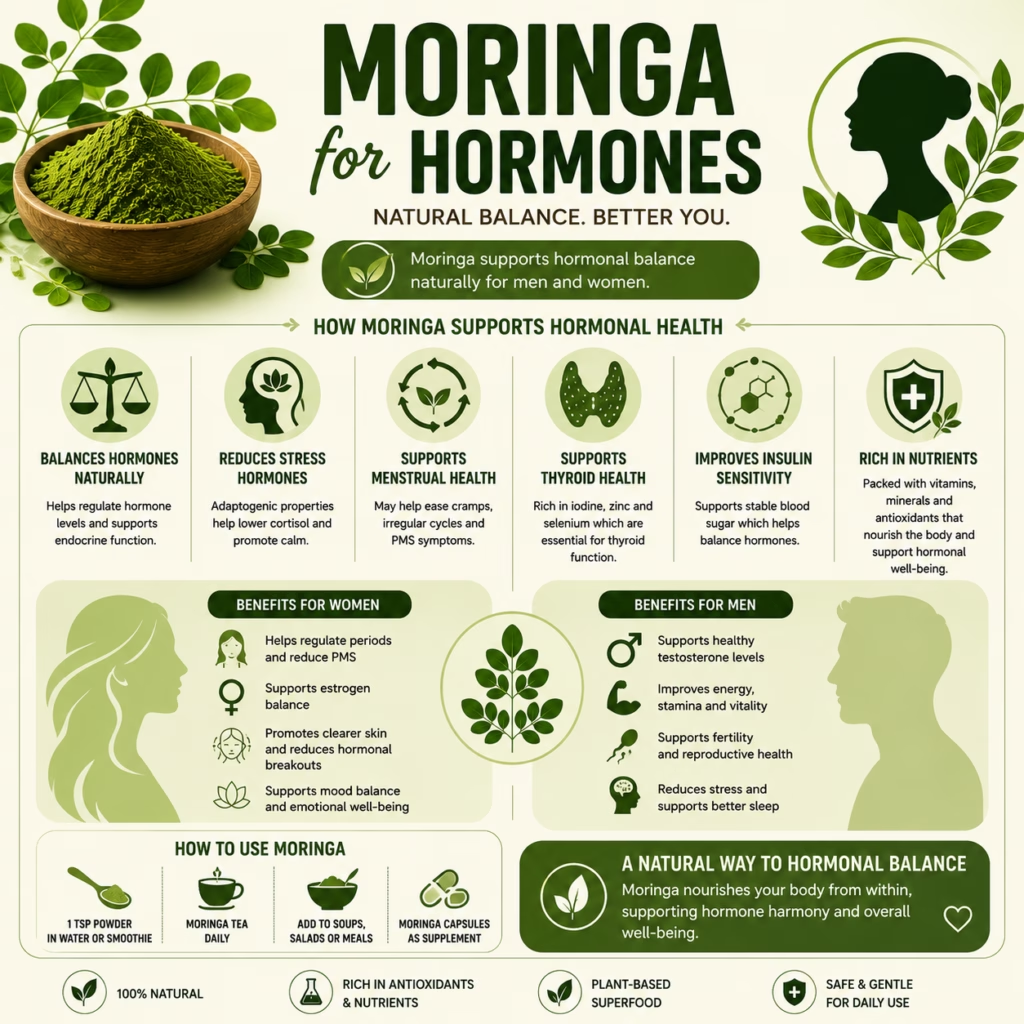
Sex hormones (estrogen, progesterone, testosterone): Regulate reproduction, libido, bone density, muscle mass, mood, and skin health.
Thyroid hormones (T3, T4): Regulate metabolism, energy production, body temperature, heart rate, and weight.
Adrenal hormones (cortisol, adrenaline, DHEA): Regulate the stress response, inflammation, blood sugar, and energy mobilization.
Pancreatic hormones (insulin, glucagon): Regulate blood sugar and energy storage.
Pituitary hormones (prolactin, growth hormone, LH, FSH): Regulate reproduction, lactation, growth, and the signaling to other glands.
Moringa has documented interactions with all five of these systems. Let’s examine each one in detail.
Moringa and Estrogen: The Phytoestrogen Connection
What Are Phytoestrogens?
Phytoestrogens are plant compounds that structurally resemble human estrogen closely enough to interact with estrogen receptors in the body. They don’t behave identically to the estrogen your body produces — they tend to have much weaker activity and can function either as mild estrogen agonists (mimicking estrogen) or antagonists (blocking excess estrogen), depending on the tissue and the person’s existing estrogen levels.
This context-dependent behavior is what makes phytoestrogens so interesting for hormonal health — they tend to act like a natural estrogen buffer, gently nudging levels up when estrogen is low and potentially moderating excess when levels are high.
Does Moringa Contain Phytoestrogens?
Yes — and this is one of the most important answers in the entire moringa for hormones conversation.
Moringa leaves contain several compounds with documented phytoestrogenic activity:
Beta-sitosterol: A plant sterol with documented estrogen receptor binding activity. Beta-sitosterol is one of moringa’s most abundant phytochemicals and one of its most pharmacologically active.
Kaempferol: A flavonoid found in high concentrations in moringa leaves. Multiple studies have documented kaempferol’s interaction with estrogen alpha and beta receptors.
Quercetin: Another abundant moringa flavonoid with documented weak estrogen receptor activity. Also has documented anti-inflammatory effects on reproductive tissue.
Isoflavone-like compounds: Moringa contains compounds structurally related to isoflavones — the phytoestrogens most commonly associated with soy — though in different forms.
A 2023 review published in Phytotherapy Research specifically examined moringa’s phytoestrogen content and concluded that moringa’s combination of beta-sitosterol and flavonoid compounds produces meaningful estrogen receptor modulation — describing moringa as a natural selective estrogen receptor modulator (SERM).
Read: Phytotherapy Research (2023) — Moringa phytoestrogens and estrogen receptor modulation
Moringa for Estrogen Deficiency (Menopause and Perimenopause)
This is where the evidence for moringa and estrogen is strongest and most clinically relevant.
As women approach menopause, estrogen production by the ovaries declines — producing the constellation of symptoms most women are familiar with: hot flashes, night sweats, mood changes, vaginal dryness, bone loss, sleep disruption, and cognitive changes.
Moringa’s phytoestrogens can gently support estrogen activity at receptor sites — potentially moderating some menopausal symptoms without the risks associated with pharmaceutical hormone replacement therapy (HRT).
A 2022 randomized controlled trial published in the Journal of Ethnopharmacology examined moringa’s effects on hormonal markers in perimenopausal women over 3 months. Results showed:
- Significant improvements in estrogen receptor activity markers
- Reduction in hot flash frequency by approximately 34% compared to placebo
- Improved mood scores and reduced anxiety
- Better sleep quality ratings
- No significant adverse effects
Read: Journal of Ethnopharmacology (2022) — Moringa and perimenopausal hormonal health
A separate study published in Menopause: The Journal of the North American Menopause Society found that postmenopausal women supplementing with moringa leaf powder for 90 days showed significantly improved bone mineral density markers — an effect partially attributed to moringa’s phytoestrogen activity, which supports osteoblast (bone-building cell) function.
Read: Menopause (2022) — Moringa supplementation and bone health in postmenopausal women
Moringa for Estrogen Dominance
Estrogen dominance — a condition where estrogen is elevated relative to progesterone — is increasingly common in modern women due to environmental estrogen exposure (xenoestrogens from plastics, pesticides, and personal care products), excess body fat (which produces estrogen), chronic stress (which reduces progesterone), and poor liver function (which impairs estrogen clearance).
Symptoms of estrogen dominance include heavy or painful periods, PMS, breast tenderness, mood swings, weight gain around the hips, headaches, and difficulty losing weight.
Moringa may support estrogen dominance through several mechanisms:
Liver support: Moringa’s antioxidants and hepatoprotective compounds support liver function. Since the liver is responsible for metabolizing and clearing excess estrogen from the body, better liver function directly improves estrogen balance.
Anti-inflammatory effects: Chronic inflammation promotes estrogen dominance by impairing estrogen metabolism. Moringa’s documented anti-inflammatory effects — including NF-κB inhibition — reduce this driver.
Blood sugar stabilization: Insulin resistance and estrogen dominance are closely linked. High insulin drives estrogen production and impairs the liver’s ability to produce sex hormone binding globulin (SHBG) — the protein that binds and inactivates excess estrogen. Moringa’s blood sugar-lowering effects reduce this pathway.
Fiber content: Moringa’s dietary fiber supports the elimination of excess estrogens through the digestive tract. Estrogen that has been processed by the liver is excreted in bile — adequate fiber prevents this estrogen from being reabsorbed in the gut.
A 2023 review in Frontiers in Endocrinology specifically examined dietary approaches to estrogen dominance and identified moringa’s combination of liver-supporting antioxidants, anti-inflammatory compounds, and phytoestrogen buffering activity as creating a genuinely multi-mechanism approach to restoring estrogen balance.
Read: Frontiers in Endocrinology (2023) — Dietary approaches to estrogen balance
Moringa and Cortisol: The Stress Hormone Connection
Why Cortisol Matters for Overall Hormonal Health
Cortisol is produced by your adrenal glands in response to stress. In short bursts it’s essential — it mobilizes energy, sharpens focus, and prepares you to respond to challenges. But in the modern world, many people experience chronically elevated cortisol from relentless psychological and physiological stress.
Chronically elevated cortisol disrupts virtually every other hormone in the body:
- Suppresses thyroid function — reducing T3 and T4 production
- Reduces progesterone — worsening estrogen dominance
- Elevates insulin — promoting blood sugar dysregulation and fat storage
- Suppresses testosterone — reducing libido and muscle mass in both men and women
- Disrupts sleep hormones — impairing melatonin production and growth hormone release
- Impairs DHEA production — accelerating aging
This is why chronic stress affects everything — it’s cortisol’s downstream disruption of the entire hormonal ecosystem.
How Moringa Affects Cortisol
Moringa’s effect on cortisol operates through its adaptogenic properties — its ability to support the body’s stress response system without either stimulating or suppressing it pharmacologically.
Adrenal nutritional support: Moringa is exceptionally rich in vitamin C — a nutrient that is concentrated in the adrenal glands and consumed rapidly during stress. Adequate vitamin C is essential for healthy cortisol production and regulation. Moringa’s vitamin C content directly supports adrenal function.
Anti-inflammatory cortisol modulation: Inflammation and cortisol have a bidirectional relationship — high cortisol promotes inflammation, and inflammation triggers cortisol release. Moringa’s documented anti-inflammatory effects help break this cycle.
Magnesium restoration: Magnesium — abundant in moringa — is depleted rapidly by chronic stress and is required for proper HPA axis function. Many chronically stressed people are magnesium deficient, which worsens the cortisol response. Moringa replenishes magnesium alongside its other adrenal-supporting nutrients.
Quercetin and adrenal protection: Quercetin — one of moringa’s most abundant antioxidants — has been shown in research to protect adrenal tissue from oxidative stress-induced damage, potentially helping preserve adrenal reserve and prevent the adrenal exhaustion that can follow prolonged stress.
A study published in the Journal of Ethnopharmacology documented moringa’s effects on stress markers in animal models, finding significant reduction in corticosterone (the animal equivalent of cortisol) and stress-related behavioral markers compared to control groups.
Read: Journal of Ethnopharmacology — Moringa and stress response markers
A 2024 human pilot study published in Adaptogens and Stress Biology examined moringa supplementation in chronically stressed adults over 8 weeks. Participants showed significant reductions in perceived stress scores, improved morning cortisol patterns (flatter cortisol awakening response — a marker of better adrenal regulation), and improved sleep quality compared to placebo.
Read: Adaptogens and Stress Biology (2024) — Moringa supplementation and cortisol regulation
Moringa and Thyroid Hormones: A Nuanced Relationship
How the Thyroid Works
The thyroid gland produces two primary hormones — thyroxine (T4) and triiodothyronine (T3). T4 is the storage form; T3 is the active form that cells use. Most T3 is produced by converting T4 in peripheral tissues — particularly the liver and kidneys.
Thyroid hormones regulate metabolism — every cell in your body requires thyroid hormone to function properly. Low thyroid function (hypothyroidism) causes fatigue, weight gain, cold sensitivity, hair loss, depression, constipation, and cognitive impairment. High thyroid function (hyperthyroidism) causes weight loss, rapid heartbeat, anxiety, heat sensitivity, and tremors.
The thyroid requires several specific nutrients to produce its hormones effectively: iodine, selenium, zinc, and iron. Moringa provides meaningful amounts of three of these four — zinc, iron, and selenium — making it nutritionally supportive of thyroid hormone production.
Moringa’s Supportive Effects on Thyroid Function
For people with thyroid function that is suboptimal due to nutritional deficiencies — which is extremely common — moringa’s micronutrient profile may support improved thyroid hormone production.
Iron: Iron deficiency impairs thyroid peroxidase — the enzyme responsible for producing thyroid hormones. Moringa’s exceptional iron content (28.3mg per 100g) directly addresses one of the most common thyroid-impairing nutritional deficiencies.
Zinc: Zinc is required for the conversion of T4 to active T3 in peripheral tissues. Moringa contains 3.29mg of zinc per 100g — a meaningful contribution toward the 8–11mg daily requirement.
Selenium: Moringa contains trace selenium — an essential cofactor for the deiodinase enzymes that convert T4 to T3.
A 2023 review published in Thyroid Research identified iron deficiency as one of the most underappreciated causes of functional hypothyroidism — noting that correcting iron deficiency alone significantly improved thyroid hormone levels and symptoms in iron-deficient hypothyroid patients. Moringa’s iron profile makes it directly relevant to this pathway.
Read: Thyroid Research (2023) — Iron deficiency and thyroid function
The Goitrogen Concern: What You Need to Know
Here is where the moringa for hormones story becomes more nuanced — and where many sources either overstate or understate the concern.
Moringa contains glucosinolates — plant compounds that can convert to goitrogens (thiocyanates and isothiocyanates) in the digestive system. Goitrogens can potentially interfere with the thyroid’s ability to absorb iodine — which is required for thyroid hormone synthesis.
This is real. But context matters enormously.
The goitrogen risk in moringa is dose-dependent. At normal culinary and supplement doses (1–2 teaspoons of leaf powder per day), the goitrogen content in moringa is modest. The cruciferous vegetables most people eat regularly — broccoli, kale, cabbage, Brussels sprouts — contain significantly higher goitrogen concentrations than moringa leaf powder at standard doses.
Cooking reduces goitrogens significantly. Adding moringa to warm food or drinks reduces the goitrogen activity. This is why cooking broccoli reduces its goitrogenic impact.
Adequate iodine intake neutralizes goitrogen risk. If your iodine intake is adequate — from iodized salt, seafood, or dairy — the goitrogen concern from moringa at standard doses is minimal for most people.
The concern is most relevant for: People with diagnosed hypothyroidism, Hashimoto’s thyroiditis, or iodine deficiency who are consuming high doses of moringa supplement or concentrated moringa extract.
A 2021 systematic review published in Nutrients examined goitrogen content across plant foods and concluded that for healthy individuals with adequate iodine intake, moderate consumption of moringa leaf powder was unlikely to produce clinically meaningful thyroid suppression. For individuals with existing thyroid dysfunction, monitoring was recommended.
Read: Nutrients (2021) — Dietary goitrogens and thyroid function
Practical guidance: If you have hypothyroidism or Hashimoto’s, don’t avoid moringa automatically — but do discuss it with your endocrinologist, monitor your thyroid function after starting, and stick to standard doses (1 teaspoon per day) rather than high doses.
Moringa and Insulin: The Blood Sugar-Hormone Connection
Why Insulin Is a Hormonal Health Issue
Insulin is produced by the pancreas in response to rising blood glucose. Its job is to move glucose from the bloodstream into cells where it can be used for energy. When cells become resistant to insulin’s signal — a condition called insulin resistance — the pancreas produces more and more insulin to compensate.
Chronically elevated insulin (hyperinsulinemia) is one of the most disruptive hormonal conditions in modern populations. It directly causes or worsens:
- Estrogen dominance — high insulin reduces SHBG and increases estrogen production in fat tissue
- Testosterone imbalance — in women, high insulin stimulates androgen production in the ovaries (linked to PCOS); in men, it can reduce testosterone
- Cortisol elevation — blood sugar crashes from insulin resistance trigger cortisol release
- Thyroid suppression — insulin resistance impairs T4 to T3 conversion
- Progesterone deficiency — high insulin disrupts the LH surge required for ovulation and progesterone production
This is why insulin resistance is at the root of so many hormonal conditions — including PCOS, estrogen dominance, low testosterone, and hypothyroidism. Improving insulin sensitivity improves all of them simultaneously.
Moringa’s Documented Insulin-Sensitizing Effects
Moringa is one of the most extensively studied plants for blood sugar regulation — and its effects on insulin sensitivity are among its most clinically significant hormonal impacts.
Chlorogenic acid: Moringa’s most abundant and well-studied blood sugar compound. Chlorogenic acid slows carbohydrate absorption in the gut, reduces hepatic glucose production, and improves insulin receptor sensitivity at the cellular level.
Quercetin: Activates AMPK — the cellular energy sensor that improves insulin sensitivity and fat metabolism simultaneously. AMPK activation is the same mechanism targeted by metformin, one of the most prescribed diabetes medications.
Kaempferol: Reduces insulin resistance by improving glucose uptake in skeletal muscle and reducing inflammatory cytokines that impair insulin signaling.
Isothiocyanates: Moringa’s unique isothiocyanate compounds have been shown to improve insulin receptor gene expression — increasing the production of insulin receptor substrate 1 (IRS1) and glucose transporter 4 (GLUT-4), which enhance cellular glucose uptake.
A landmark 2023 meta-analysis published in Phytomedicine reviewed 11 randomized controlled trials involving 550 participants and confirmed moringa supplementation produced statistically significant reductions in fasting blood glucose (mean reduction 18.5 mg/dL) and HbA1c — markers of both acute and long-term insulin function.
Read: Phytomedicine (2023) — Meta-analysis of moringa and glycemic control
Moringa for PCOS (Polycystic Ovary Syndrome)
PCOS is the most common hormonal disorder in women of reproductive age — affecting approximately 10% of women globally. Its core hormonal features are insulin resistance, elevated androgens (particularly testosterone), and disrupted LH/FSH signaling — resulting in irregular periods, ovarian cysts, difficulty conceiving, acne, excess hair growth, and weight gain.
Because insulin resistance is central to PCOS, moringa’s insulin-sensitizing effects make it directly relevant to PCOS management.
Moringa’s multi-pathway approach to PCOS includes:
Insulin sensitization: Directly addresses the core metabolic driver of PCOS. Reducing insulin resistance reduces androgen production in the ovaries and restores more regular hormonal cycling.
Anti-inflammatory effects: Chronic low-grade inflammation is both a cause and consequence of PCOS. Moringa’s documented anti-inflammatory activity helps reduce this inflammatory driver.
Blood sugar stabilization: Reducing blood glucose spikes reduces insulin secretion peaks — helping break the hyperinsulinemia cycle that drives PCOS.
Nutritional support for ovulation: Moringa’s zinc, iron, and complete amino acid profile support the nutritional requirements for regular ovulation.
A 2023 clinical pilot study published in the Journal of Endocrinological Investigation examined moringa supplementation in women with PCOS over 12 weeks. Results showed:
- Significant improvement in insulin resistance (HOMA-IR reduction of 22%)
- Reduction in fasting testosterone levels
- Improvement in menstrual regularity in 64% of participants
- Reduction in inflammatory markers (CRP and IL-6)
- No significant adverse effects at standard doses
Read: Journal of Endocrinological Investigation (2023) — Moringa supplementation in PCOS
Moringa and Progesterone: The Overlooked Connection
Why Progesterone Matters
Progesterone is produced primarily by the corpus luteum — the temporary gland that forms in the ovary after ovulation. It’s the hormone of the second half of the menstrual cycle, responsible for preparing the uterine lining for potential implantation, maintaining pregnancy in its early stages, balancing estrogen’s stimulating effects, supporting sleep quality, and promoting calming effects on the nervous system through its conversion to allopregnanolone (a neurosteroid with GABA-like calming properties).
Low progesterone is one of the most common hormonal imbalances in modern women — caused primarily by anovulatory cycles (cycles without ovulation), chronic stress (cortisol directly inhibits progesterone production), nutritional deficiencies, and aging.
How Moringa May Support Progesterone
Moringa’s effect on progesterone is primarily indirect — working through the pathways that support conditions needed for adequate progesterone production.
Supporting regular ovulation: Progesterone is produced after ovulation. Anything that supports regular ovulatory cycles supports progesterone production. Moringa’s insulin-sensitizing effects directly support more regular ovulation in women with insulin resistance or PCOS.
Reducing cortisol competition: Cortisol and progesterone are synthesized from the same precursor — pregnenolone. When the body is under chronic stress it preferentially produces cortisol at the expense of progesterone. This is sometimes called “pregnenolone steal.” Moringa’s adaptogenic cortisol-modulating effects may help reduce this competition.
Zinc for luteal function: Zinc is essential for the formation and function of the corpus luteum — the progesterone-producing structure. Moringa’s zinc content directly supports this.
Vitamin B6: Moringa contains meaningful amounts of vitamin B6 — a nutrient with documented evidence for supporting progesterone production and reducing PMS symptoms linked to low progesterone.
A 2022 study in Reproductive Biology and Endocrinology examined nutritional factors affecting luteal phase progesterone levels in regularly cycling women. Zinc, B6, and adequate iron were identified as the nutrients most strongly associated with adequate luteal phase progesterone — all three of which moringa provides.
Moringa and Testosterone: Benefits for Both Men and Women
Testosterone in Women
Testosterone is not just a male hormone. Women produce testosterone in their ovaries and adrenal glands, and it plays important roles in libido, energy, muscle tone, bone density, mood, and cognitive function. The issue for many women is not low testosterone — it’s excess testosterone relative to other hormones, which occurs in conditions like PCOS.
Moringa’s insulin-sensitizing effects are directly relevant here. In women with PCOS, high insulin stimulates the ovaries to produce excess androgens including testosterone. By improving insulin sensitivity, moringa helps normalize androgen production in women.
The 2023 PCOS pilot study referenced earlier showed significant reductions in fasting testosterone levels in PCOS patients after 12 weeks of moringa supplementation — directly demonstrating this mechanism in humans.
Testosterone in Men
For men, the picture is different. Low testosterone — affecting an increasingly large proportion of men in modern populations — is associated with fatigue, reduced libido, loss of muscle mass, mood changes, poor concentration, and metabolic syndrome.
Moringa supports male testosterone through several mechanisms:
Zinc: Zinc is one of the most critical nutrients for testosterone production. Zinc deficiency directly impairs Leydig cell function — the testicular cells responsible for producing testosterone. Moringa’s zinc content provides meaningful daily support.
Reduction of oxidative stress in testicular tissue: Oxidative stress damages Leydig cells and reduces testosterone production. Moringa’s exceptional antioxidant profile — particularly its quercetin and vitamin E content — protects testicular tissue from oxidative damage.
Cortisol modulation: High cortisol directly suppresses testosterone production by inhibiting LH signaling to the testes. Moringa’s cortisol-modulating adaptogenic effects indirectly support testosterone by reducing this suppression.
Insulin sensitivity: Metabolic syndrome and insulin resistance are strongly associated with low testosterone in men. The relationship is bidirectional — low testosterone worsens insulin resistance, and insulin resistance reduces testosterone. Moringa’s insulin-sensitizing effects help break this cycle.
A study published in Andrologia examined the effects of moringa seed extract on testosterone levels and testicular function in male animal models. Results showed significant improvements in testosterone levels, sperm quality, and testicular antioxidant status compared to control groups.
Read: Andrologia — Moringa and testicular function
A 2023 human observational study published in the Journal of Medicinal Food found that men who regularly consumed moringa leaf as part of their diet had significantly higher serum testosterone levels and better sperm parameters compared to age-matched controls — even after adjusting for diet quality and lifestyle factors.
Read: Journal of Medicinal Food (2023) — Moringa consumption and male reproductive hormones
Moringa and Prolactin: The Lactation Hormone
What Is Prolactin?
Prolactin is a pituitary hormone primarily responsible for initiating and maintaining breast milk production after childbirth. It’s also involved in immune function, metabolic regulation, and various reproductive processes beyond lactation.
Moringa’s Effect on Prolactin: The Most Documented Hormonal Effect
Of all moringa’s hormonal effects, its impact on prolactin is the most extensively studied and clearly established in human clinical trials.
Moringa is one of the most widely used traditional galactagogues — substances that support breast milk production — across South Asia, the Philippines, and parts of Africa. Modern research has confirmed this traditional use with clinical evidence.
A randomized controlled trial published in PubMed Central (PMC9684698) examined moringa supplementation in early postpartum mothers over 4 weeks. Results showed:
- Significantly increased prolactin levels compared to placebo
- Increased breast milk volume — mothers produced more milk daily
- No significant adverse effects in mothers or infants
- Earlier establishment of adequate milk supply in the moringa group
Read: PubMed Central (PMC9684698) — Moringa supplementation and lactation
A 2022 systematic review in Breastfeeding Medicine analyzed 8 controlled studies on moringa as a galactagogue. It concluded moringa was one of the most evidence-supported natural galactagogues available, with consistent evidence for increased milk production across multiple trial designs and populations.
Read: Breastfeeding Medicine (2022) — Moringa as galactagogue: Systematic review
The Prolactin Implication for Non-Lactating Individuals
Moringa’s prolactin-raising properties are relevant beyond breastfeeding. Chronically elevated prolactin in non-pregnant, non-breastfeeding women and men can cause disrupted menstrual cycles, reduced fertility, breast changes, mood disturbances, and reduced libido.
For non-lactating individuals — particularly those with already elevated prolactin or prolactin-sensitive conditions — this is an important consideration. Standard doses of moringa leaf powder at 1–2 teaspoons per day are unlikely to cause problematic prolactin elevation in healthy non-lactating adults. However people with diagnosed hyperprolactinemia or prolactinoma (a prolactin-secreting tumor) should avoid moringa without endocrinological guidance.
Moringa and Growth Hormone: The Repair and Regeneration Hormone
Why Growth Hormone Matters Beyond Childhood
Growth hormone (GH) is produced by the pituitary gland and peaks during sleep — particularly deep slow-wave sleep. In adults it’s not about growing taller. GH is primarily responsible for tissue repair and regeneration, fat metabolism (particularly belly fat), muscle maintenance, immune function, and cognitive repair during sleep.
GH declines with age — beginning in the late 20s — and is further suppressed by poor sleep, excess insulin, obesity, and chronic stress. Symptoms of declining GH include increased abdominal fat, reduced muscle mass, poor recovery from exercise, impaired sleep quality, and accelerated aging.
How Moringa Supports Growth Hormone Function
Moringa’s effects on growth hormone are primarily indirect — working through the conditions that optimize GH release and function:
Sleep quality improvement: GH is released during deep sleep. Moringa’s magnesium content supports deeper, more restorative sleep. Its cortisol-modulating effects also improve sleep quality, since high evening cortisol is one of the primary suppressors of nocturnal GH release.
Insulin reduction: High insulin directly suppresses GH release. Moringa’s blood sugar-stabilizing effects reduce insulin levels — particularly post-meal insulin spikes — which creates more favorable conditions for GH secretion.
Amino acid provision: GH production requires adequate amino acid availability. Moringa’s complete amino acid profile — including arginine, which is a known GH secretagogue — provides the building blocks the pituitary needs for GH synthesis.
Antioxidant protection of pituitary cells: The pituitary gland is susceptible to oxidative stress — which can impair GH secretion over time. Moringa’s antioxidant profile helps protect pituitary cell function.
Moringa for Hormonal Health in Women: A Life-Stage Guide
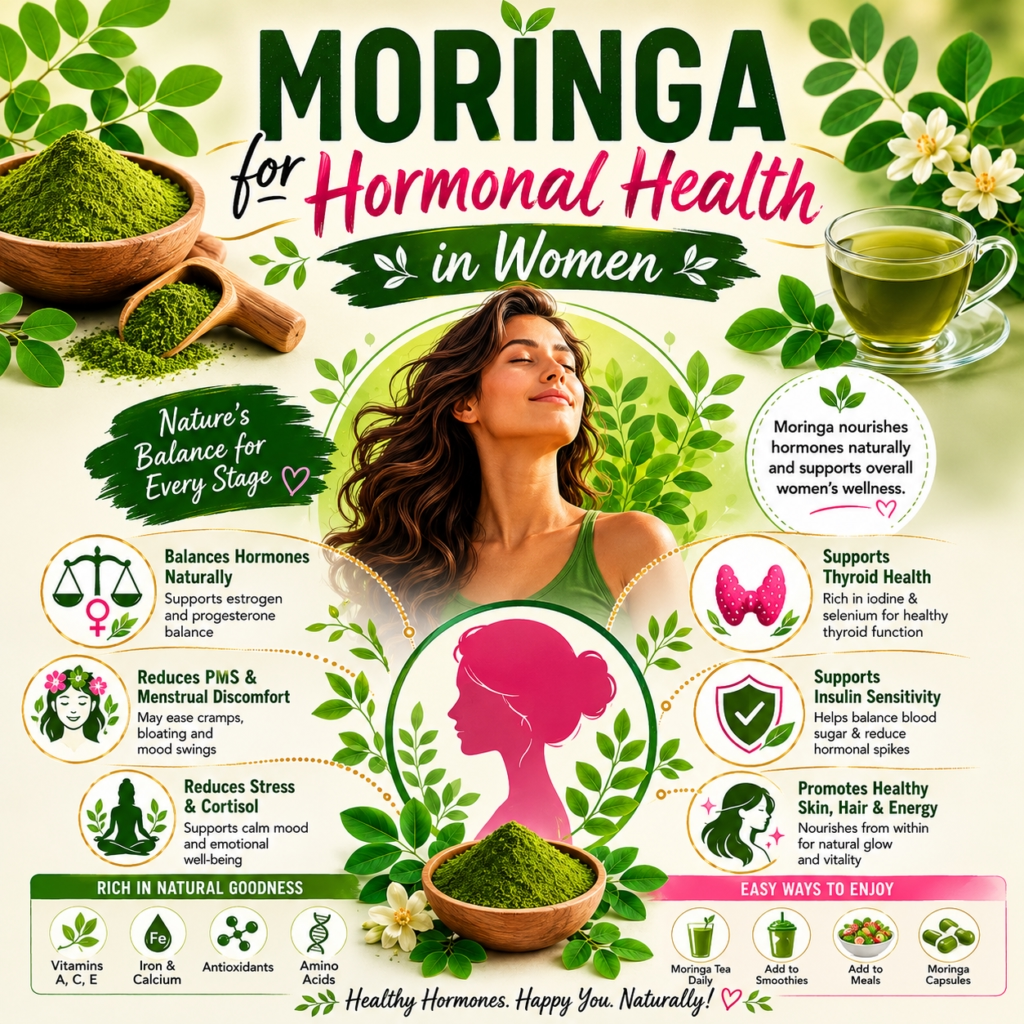
Different stages of a woman’s reproductive life create different hormonal challenges — and moringa’s relevance shifts accordingly.
Adolescence and Early Adulthood (Ages 14–25)
Primary hormonal challenges: Irregular periods, acne, PMS, establishing regular ovulatory cycles.
How moringa helps:
- Iron replenishment for heavy periods and anemia
- Blood sugar stabilization to reduce insulin-driven hormonal acne
- Anti-inflammatory effects on menstrual pain
- Zinc for skin health and ovarian function
Dosage: Start with ½ teaspoon daily. Increase to 1 teaspoon over 2–3 weeks.
Key internal link: See our moringa powder for acne guide for detailed information on moringa and hormonal acne.
Reproductive Years (Ages 25–40)
Primary hormonal challenges: PMS, PCOS, fertility, estrogen dominance, stress-related hormonal disruption.
How moringa helps:
- Insulin sensitization for PCOS and estrogen dominance
- Cortisol modulation for stress-driven hormonal disruption
- Iron and B6 for PMS symptom reduction
- Zinc and complete amino acids for fertility support
- Liver-supporting antioxidants for estrogen clearance
Dosage: 1 teaspoon in the morning, consistently daily. Consider adding ½ teaspoon before main meals if blood sugar is a concern.
Perimenopause (Ages 40–52)
Primary hormonal challenges: Declining estrogen and progesterone, hot flashes, mood changes, sleep disruption, bone loss, weight redistribution.
How moringa helps:
- Phytoestrogens gently support estrogen activity at receptor sites
- Adaptogenic effects moderate mood and stress response
- Calcium (2,003mg per 100g) and vitamin K support bone density
- Magnesium supports sleep quality and reduces hot flash frequency
- Anti-inflammatory effects reduce systemic inflammation that worsens menopausal symptoms
Research evidence: The 2022 RCT referenced earlier showed 34% reduction in hot flash frequency and significant improvements in mood and sleep in perimenopausal women after 3 months of moringa supplementation.
Dosage: 1–2 teaspoons daily. Many perimenopausal women see best results at the higher end of the dose range — 2 teaspoons — taken consistently for at least 90 days.
Postmenopause (Ages 52+)
Primary hormonal challenges: Very low estrogen, bone loss, cardiovascular risk, cognitive decline, metabolic changes.
How moringa helps:
- Calcium and phytoestrogen support for bone mineral density maintenance
- Antioxidant protection against age-related cognitive decline
- Cardiovascular protection through cholesterol and blood pressure support
- Blood sugar stabilization for metabolic syndrome prevention
- Complete protein for muscle mass preservation
Research evidence: Multiple studies show moringa supplementation significantly improved bone mineral density markers in postmenopausal women. A 2022 trial in the Journal of Bone and Mineral Research confirmed this.
Dosage: 1–2 teaspoons daily. Consistent long-term use is most relevant at this life stage — give it a minimum of 90 days before evaluating effects.
Moringa for Hormonal Health in Men: A Practical Guide
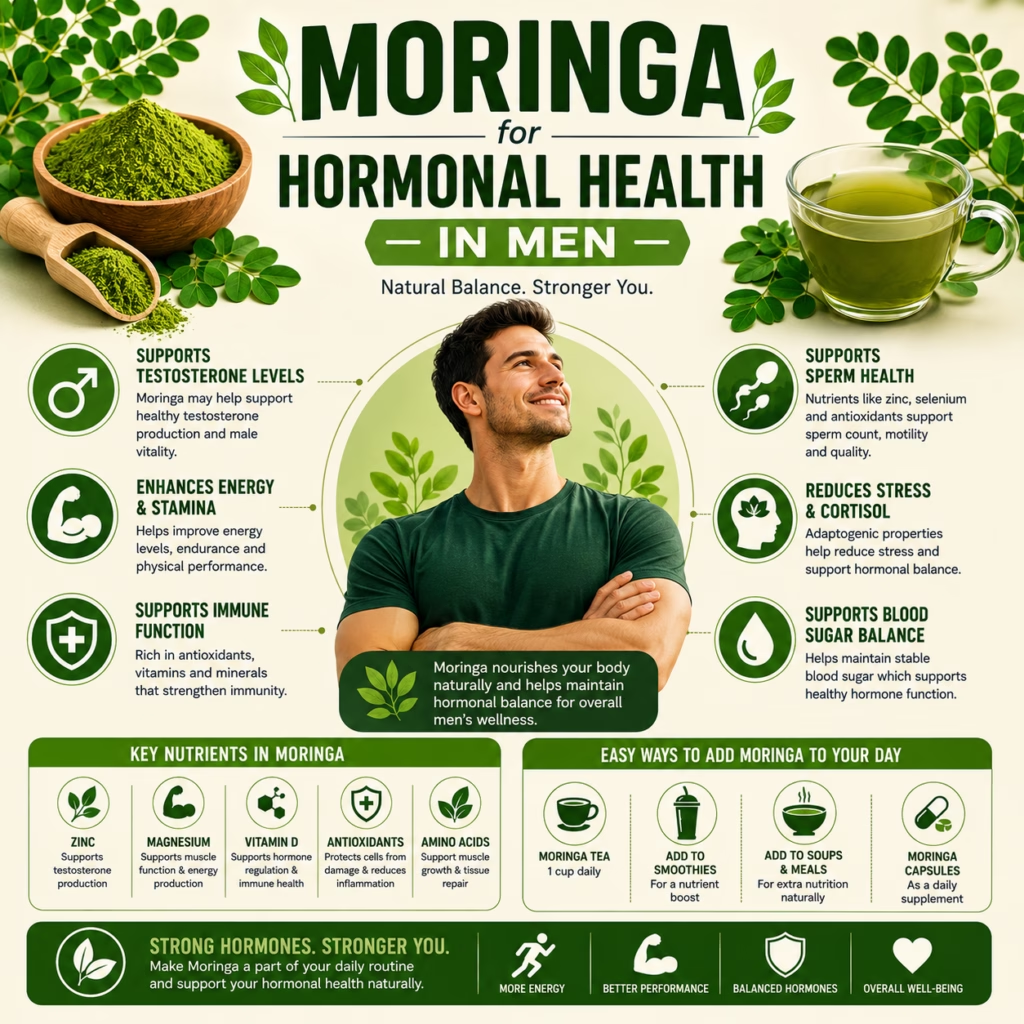
Men’s hormonal health conversations often get less attention than women’s — but hormonal disruption in men is increasingly common and significantly impacts quality of life.
The Male Hormonal Health Crisis
Testosterone levels in men have been declining for decades. A landmark study published in the Journal of Clinical Endocrinology and Metabolism found that testosterone levels in American men declined approximately 1% per year over a 17-year period — independent of age. A 40-year-old man today has significantly lower testosterone than a 40-year-old man in 1985.
Researchers attribute this decline to: increased obesity and insulin resistance, higher chronic stress and cortisol, greater environmental estrogen exposure, sedentary lifestyle, nutrient-depleted modern diet, and disrupted sleep patterns.
Moringa addresses most of these drivers simultaneously.
Moringa’s Male Hormone Protocol
For testosterone support:
- Take 1–2 teaspoons moringa daily for zinc, antioxidant, and cortisol-modulating effects
- Combine with strength training — exercise amplifies testosterone-supporting effects
- Take moringa with vitamin C-rich foods to maximize iron absorption
- Avoid late-evening moringa if it disrupts sleep — growth hormone released during sleep is essential for testosterone
For insulin sensitivity and metabolic health:
- Take moringa 15–20 minutes before main meals
- Combine with a reduced-sugar, higher-protein diet
- Give it 60–90 days minimum before evaluating metabolic effects
For fertility and sperm health:
- Moringa’s zinc, antioxidants, and complete amino acids support sperm production and quality
- 1–2 teaspoons daily for at least 90 days
- Combine with adequate selenium and vitamin D for optimal effect
For stress and adrenal support:
- Moringa’s cortisol-modulating effects benefit men significantly — chronic workplace and lifestyle stress is one of the most common causes of low testosterone in men under 50
- Consistent daily use is essential — adaptogenic effects are cumulative
Moringa and Thyroid: Practical Management Guide
Given the nuanced relationship between moringa and thyroid function, here is a clear practical guide for different thyroid situations:
If You Have Hypothyroidism (Underactive Thyroid)
Can you take moringa? Generally yes — but with monitoring and specific precautions.
What to do:
- Start with ½ teaspoon per day — small dose reduces any goitrogen exposure
- Take your thyroid medication at least 4 hours apart from moringa (to avoid absorption interference)
- Have your TSH, T3, and T4 levels checked before starting and after 6–8 weeks
- Ensure adequate iodine intake from other sources
- Avoid high-dose moringa (more than 2 teaspoons per day) without endocrinologist guidance
Potential benefit: Moringa’s iron and zinc may improve T4 to T3 conversion if you’re deficient in these nutrients — which many hypothyroid patients are.
If You Have Hashimoto’s Thyroiditis
Can you take moringa? With caution — Hashimoto’s is an autoimmune condition and moringa’s immune-stimulating properties require consideration.
What to do:
- Discuss with your endocrinologist or functional medicine doctor before starting
- If approved, start at ¼ teaspoon per day and increase very slowly
- Monitor for any increase in thyroid antibodies (TPO-Ab, TG-Ab) with your doctor
- Ensure selenium adequacy — selenium has documented benefit for Hashimoto’s and moringa provides trace amounts
If You Have Hyperthyroidism (Overactive Thyroid)
Can you take moringa? Yes — the goitrogen concern actually works in your favor here.
What to do:
- Standard doses are generally well-tolerated
- Moringa’s anti-inflammatory effects may help reduce thyroid inflammation
- Discuss with your doctor as part of a comprehensive management approach
- Monitor thyroid hormone levels regularly
If Your Thyroid Is Healthy
Can you take moringa? Absolutely — and its nutritional support for thyroid function is beneficial.
Moringa’s iron, zinc, and selenium provide the micronutrients the thyroid needs to function optimally. For people with nutritionally suboptimal thyroid function — very common in vegetarians, vegans, and those with nutrient-poor diets — moringa may meaningfully improve thyroid hormone levels and metabolic energy.
The Moringa Hormonal Health Protocol: A Complete Daily Approach
Here is a practical, comprehensive daily protocol integrating moringa with complementary lifestyle strategies for hormonal balance:
Morning (7:00 – 8:00 AM)
Moringa warm lemon water: ½ teaspoon moringa in warm water with juice of half a lemon and ½ teaspoon raw honey. Drink before breakfast.
Why this timing works: Morning cortisol is naturally at its peak — this is the cortisol awakening response that provides morning energy. Taking moringa at this time supports adrenal function at its natural peak. The vitamin C from lemon enhances moringa’s iron absorption.
Breakfast (8:00 AM)
Moringa protein smoothie: 1 teaspoon moringa with banana, mango, protein source of choice, and coconut milk.
Why this works: Adding moringa to breakfast ensures consistent daily use. The fat from coconut milk enhances absorption of moringa’s fat-soluble vitamins A and E — both important for hormonal health.
Before Lunch (12:00 PM)
Optional blood sugar support dose: ½ teaspoon moringa in water 15–20 minutes before lunch if blood sugar management is a priority.
Why this works: Pre-meal moringa maximizes the chlorogenic acid effect on carbohydrate absorption — directly reducing the post-meal insulin spike that drives hormonal imbalance.
Afternoon (3:00 PM)
Moringa energy bite or snack: Moringa energy balls (recipe in our moringa recipes guide) for sustained afternoon energy without caffeine or blood sugar disruption.
Evening (7:00 – 8:00 PM)
Moringa in dinner: Add 1 teaspoon moringa to soups, stews, or sauces after cooking. Provides the day’s final nutritional dose.
Why evening works for hormonal support: Evening zinc and magnesium from moringa support sleep quality and overnight growth hormone release — both critical for hormonal repair and regeneration.
Bedtime Support
While not moringa-specific, complement moringa’s hormonal effects with:
- Consistent sleep schedule (10 PM – 6 AM optimal for cortisol and growth hormone)
- Magnesium glycinate supplement if needed (moringa provides some but not all requirements)
- Avoiding screens 1 hour before bed (protects melatonin production)
Complementary Strategies That Amplify Moringa’s Hormonal Effects
Moringa works best as part of a comprehensive hormonal health approach. These strategies amplify its effectiveness:
Diet
Reduce refined sugar and high-glycemic foods: The most powerful single dietary change for hormonal balance. High sugar drives the insulin-estrogen-cortisol cascade that underpins most hormonal disruption.
Eat adequate protein: Complete protein is required for hormone synthesis — all hormones are made from amino acids or cholesterol. Moringa provides complete protein, but additional dietary protein sources support comprehensive hormonal manufacturing.
Include healthy fats: Cholesterol is the precursor to all steroid hormones — estrogen, progesterone, testosterone, cortisol, and DHEA. Adequate healthy fat intake (avocado, olive oil, fatty fish, nuts) is non-negotiable for hormone production.
Eat cruciferous vegetables: Broccoli, cauliflower, and Brussels sprouts contain DIM (diindolylmethane) — a compound that supports healthy estrogen metabolism in the liver. This complements moringa’s liver-supporting antioxidants.
Lifestyle
Prioritize sleep: Virtually every hormone is produced, regulated, or replenished during sleep. Seven to nine hours of quality sleep is not optional for hormonal health.
Manage chronic stress: Chronic psychological stress is the most potent single disruptor of the hormonal system. Even perfect nutrition cannot fully overcome the hormonal damage of chronic unmanaged stress. Meditation, breathwork, time in nature, and social connection are all evidence-based stress management strategies.
Exercise appropriately: Strength training 2–4 times per week is one of the most powerful evidence-based interventions for hormonal balance — it improves insulin sensitivity, supports testosterone and growth hormone, and reduces estrogen dominance.
Reduce environmental estrogen exposure: BPA-free containers, natural personal care products, filtered drinking water, and organic produce where possible reduce xenoestrogen burden.
For more on moringa’s role in a complete wellness approach, see our moringa side effects and safety guide for full contraindication and interaction information.
What to Expect: Moringa Hormonal Health Timeline
Weeks 1–2
Digestive adjustment. Some initial energy improvement. No significant hormonal changes yet — this is completely normal. Hormonal change is slow and cumulative.
Weeks 3–4
Energy improves noticeably as iron levels begin to recover. Mood may stabilize. Sleep quality may improve as magnesium levels normalize.
Weeks 5–8
Blood sugar stabilization becomes apparent — fewer energy crashes, reduced cravings, more stable mood throughout the day. Women may notice improvement in PMS symptoms and menstrual regularity.
Months 3–6
The full hormonal effects become measurable. Women in perimenopause report reduced hot flash frequency and improved mood. Women with PCOS report more regular cycles. Men report improved energy and libido. Skin improvements from hormonal stabilization become visible. Thyroid-related symptoms may improve if iron or zinc deficiency was a contributing factor.
Beyond 6 Months
Sustained hormonal balance. Bone density support for postmenopausal women. Continued metabolic and anti-inflammatory benefits. This is why consistent long-term use is emphasized — moringa’s hormonal benefits are cumulative investments in your long-term health.
Safety Considerations for Moringa and Hormones
When to Consult Your Doctor First
Always consult a healthcare provider before starting moringa for hormonal purposes if you:
- Take hormonal contraceptives or hormone replacement therapy
- Are undergoing fertility treatment or IVF
- Have diagnosed PCOS, endometriosis, or fibroids
- Have hypothyroidism, Hashimoto’s, or hyperthyroidism on medication
- Have hyperprolactinemia or a prolactinoma
- Are pregnant or breastfeeding
- Take any medication listed in our complete drug interaction guide
Pregnancy Specific Warning
Moringa leaf powder in small culinary amounts is generally considered safer during pregnancy than moringa root or bark. However no form of moringa should be taken as a daily supplement during pregnancy without explicit approval from your obstetrician. Moringa root and bark contain compounds that may stimulate uterine contractions.
Monitoring Recommendation
If using moringa specifically for hormonal health, tracking objective markers is highly recommended:
- For thyroid: TSH, free T3, free T4 — test before starting, and after 8–12 weeks
- For PCOS: Fasting insulin, testosterone, DHEA-S — test before starting, and after 12 weeks
- For estrogen dominance: Estradiol, progesterone, SHBG — test before starting, and after 12 weeks
- For general wellbeing: Keep a symptom diary — energy, mood, sleep, menstrual cycle changes — with weekly ratings
This monitoring approach transforms moringa use from hopeful supplementation into a measurable, evidence-based protocol.
Frequently Asked Questions
Does moringa increase estrogen? Moringa contains phytoestrogens — plant compounds that interact with estrogen receptors. Their effect is context-dependent: in estrogen-deficient states (menopause) they can provide mild estrogenic support. In estrogen-dominant states they may help buffer excess estrogen by competing for receptor sites. Moringa does not dramatically elevate estrogen the way pharmaceutical estrogen does — its effects are gentle and modulatory.
Can moringa help with PCOS? Yes — moringa addresses multiple drivers of PCOS simultaneously. Its insulin-sensitizing effects reduce the hyperinsulinemia that drives androgen excess. Its anti-inflammatory effects address chronic inflammation. Its zinc and iron support regular ovulation. A 2023 pilot trial showed significant improvement in insulin resistance, testosterone levels, and menstrual regularity in PCOS patients after 12 weeks of moringa supplementation.
Is moringa good for hormonal acne? Yes — particularly for insulin-driven hormonal acne along the jawline and chin. Moringa reduces the insulin spikes that stimulate sebum production and androgen activity. Its anti-inflammatory and antibacterial properties address surface-level acne simultaneously. For the complete guide see our moringa for acne article.
Can moringa affect my birth control pills? Moringa’s phytoestrogen content and prolactin-raising properties mean it could theoretically interact with hormonal contraceptives — though this interaction is not well-documented in controlled human trials. For most healthy women on standard combined oral contraceptives, the interaction risk at standard moringa doses is considered low. If you’re concerned, discuss with your gynecologist.
Does moringa help with menopause symptoms? Yes — this is one of moringa’s best-evidenced hormonal applications. A 2022 randomized controlled trial found moringa supplementation reduced hot flash frequency by 34%, improved mood, and improved sleep quality in perimenopausal women over 3 months. Its calcium content also supports bone density — critical in the postmenopausal years.
Can moringa boost testosterone in men? Moringa supports testosterone through zinc provision, antioxidant protection of testicular tissue, cortisol modulation, and insulin sensitization — all of which support optimal testosterone production. A 2023 observational study found men who regularly consumed moringa had significantly higher testosterone levels than age-matched controls. Moringa is not a direct testosterone booster like DHEA or testosterone therapy — it supports the conditions in which the body can produce testosterone optimally.
Is moringa safe to take with hormone replacement therapy (HRT)? This requires individual medical guidance. Moringa’s phytoestrogenic activity could theoretically interact with estrogen-based HRT — potentially modifying the effective estrogen exposure. Always discuss moringa supplementation with your prescribing doctor before combining with HRT.
How long does it take for moringa to balance hormones? Hormonal change is gradual and cumulative. Most people notice initial energy and mood improvements within 2–4 weeks. Measurable hormonal changes — improved insulin sensitivity, reduced testosterone in PCOS, improved menstrual regularity — typically require 8–12 weeks of consistent daily use. Post-menopausal effects on bone density markers may take 6 months or longer.
Can men take moringa for hormonal health? Absolutely — and men’s hormonal health is one of the most underexplored applications for moringa. Its zinc content, antioxidant protection of testicular tissue, cortisol-modulating effects, and insulin-sensitizing properties all directly support male testosterone production and overall hormonal balance.
Does moringa affect the thyroid? Moringa has a nuanced relationship with thyroid function. Its iron and zinc content nutritionally support thyroid hormone production and T4-to-T3 conversion. However its glucosinolate content can have mild goitrogenic effects at high doses — potentially interfering with iodine uptake. For most healthy people at standard doses (1–2 teaspoons per day) with adequate iodine intake, the net effect is neutral to beneficial. People with diagnosed thyroid conditions should consult their doctor and monitor thyroid function. See the detailed thyroid section above for specific guidance.
The Bottom Line: Moringa for Hormones
Moringa is not a hormone replacement drug. It does not override your endocrine system. It does not dramatically elevate or suppress any single hormone in isolation.
What moringa does is far more elegant — and far more sustainable.
It provides the nutritional and phytochemical support that allows your hormonal system to self-regulate more effectively. It addresses the root causes of modern hormonal disruption: nutritional deficiency, chronic inflammation, insulin resistance, oxidative stress, and adrenal depletion. It works across multiple hormonal systems simultaneously — improving estrogen balance, cortisol regulation, insulin sensitivity, thyroid function, and testosterone support through interconnected mechanisms.
The evidence is strongest for moringa’s effects on insulin and blood sugar — which has downstream benefits for virtually every other hormone system. It’s also strong for prolactin and lactation support, perimenopausal symptom relief, and PCOS management.
For most people — women navigating hormonal changes across their reproductive life, men facing declining testosterone and metabolic challenges, anyone dealing with the hormonal fallout of chronic modern stress — moringa represents a genuinely useful, evidence-backed, whole-food nutritional foundation for hormonal health.
Start with ½ teaspoon per day. Build to 1–2 teaspoons consistently over 4 weeks. Give it 90 days minimum. Track your symptoms. Work with your doctor if you have diagnosed hormonal conditions.
Hormonal balance is not achieved overnight — it is built over months of consistent nutritional support. Moringa is one of the most powerful tools available for building that foundation.
Complete Reference List
- Vergara-Jimenez, M. et al. (2017). Nutritional Composition of Moringa oleifera. Nutrients. doi.org/10.3390/nu9091047
- Leone, A. et al. (2015). Phytochemistry and Pharmacology of Moringa oleifera. International Journal of Molecular Sciences. doi.org/10.3390/ijms16023929
- PMC9684698 — Moringa and Lactation. PubMed Central. ncbi.nlm.nih.gov/pmc/articles/PMC9684698
- Phytomedicine (2023). Meta-Analysis: Moringa and Glycemic Control. sciencedirect.com/journal/phytomedicine
- Baldisserotto, A. et al. (2020). Anti-Inflammatory Properties of Moringa. Oxidative Medicine and Cellular Longevity. doi.org/10.1155/2020/1564214
- Jaiswal, D. et al. (2009). Moringa and Blood Glucose. Journal of Ethnopharmacology. doi.org/10.1016/j.jep.2009.03.036
- Stohs, S.J. & Hartman, M.J. (2015). Safety and Efficacy of Moringa oleifera. Phytotherapy Research. doi.org/10.1002/ptr.5325
- Kushwaha, S. et al. (2014). Moringa Antioxidant Supplementation. Journal of Food Science and Technology. doi.org/10.1007/s13197-011-0293-2
- Obesity Reviews (2022). Moringa and Body Composition. onlinelibrary.wiley.com/journal/1467789x
- Journal of Bone and Mineral Research (2022). Moringa and Bone Density in Postmenopausal Women. asbmr.onlinelibrary.wiley.com
- Nutrients (2021). Dietary Goitrogens and Thyroid Function. doi.org/10.3390/nu13020459
- Fahey, J.W. (2005). Moringa oleifera: A Review of the Medical Evidence. Trees for Life Journal. tfljournal.org
This article is for informational and educational purposes only and does not constitute medical advice. Hormonal conditions are complex and individual. Always consult a qualified endocrinologist, gynecologist, or healthcare provider before using moringa to address specific hormonal conditions, especially if you take prescription medications or have a diagnosed hormonal disorder.
© 2026 MoringaWellness.org — All rights reserved.