
moringa tea benefits has quickly gained popularity as a powerful herbal drink packed with nutrients and antioxidants. Made from the dried leaves of the Moringa oleifera tree—often referred to as the “Miracle Tree”—this tea is more than just a soothing beverage. For centuries, moringa has been used in traditional medicine across Asia and Africa for its ability to boost energy, improve digestion, and support overall wellness. Today, modern research continues to confirm many of these health claims, making moringa tea one of the most talked-about superfood drinks.
Unlike regular green or black tea, moringa tea is naturally caffeine-free, making it a great choice for those who want sustained energy without jitters or sleep disruption. It’s rich in vitamins like A, C, and E, as well as minerals such as calcium, potassium, and iron. The tea also contains unique plant compounds, including quercetin and chlorogenic acid, that contribute to its powerful antioxidant and anti-inflammatory effects.
In this complete guide, we’ll break down everything you need to know about moringa tea—its health benefits, possible side effects, recommended dosage, and the best ways to prepare it. Whether you’re new to herbal teas or already a wellness enthusiast, this article will help you understand how to incorporate moringa tea into your lifestyle safely and effectively.
What is Moringa Tea Made Of?
Moringa tea is made from the dried leaves of the Moringa oleifera tree, often referred to as the “miracle tree” due to its wide range of health benefits. The leaves are harvested, washed, and air-dried at low temperatures to preserve their nutrients before being crushed into smaller pieces or ground into powder. These dried leaves can then be steeped in hot water, similar to green tea or herbal teas. Some variations also use moringa powder packed into tea bags or blended with other herbs such as ginger, lemongrass, or peppermint for added flavor and benefits. Unlike caffeinated teas, moringa tea is naturally caffeine-free, making it suitable for daily use, even in the evening.
Moringa Leaves vs. Moringa Powder Tea
Both moringa leaf tea and moringa powder tea come from the same plant, but their preparation and nutritional concentrations differ:
- Moringa Leaf Tea: This is made from whole dried moringa leaves steeped directly in hot water. It has a milder, earthy taste and tends to preserve more of the plant’s original compounds in a gentle form.
- Moringa Powder Tea: Moringa leaves are dried and finely ground into a concentrated powder, which can be whisked into hot water or added to smoothies and lattes. Powder tea is more nutrient-dense because you consume the entire leaf rather than just the extract from steeping.
In short, if you prefer a lighter, calming herbal tea, moringa leaf tea is ideal. If you want a more potent nutritional boost, moringa powder tea may be the better choice.
Nutritional Profile of Moringa Tea (Vitamins, Minerals, Antioxidants)
Moringa tea is packed with a remarkable range of nutrients that support overall wellness. While the exact nutritional content depends on whether you use leaf tea or powder tea, here’s a breakdown of what makes it so powerful:
- Vitamins: Rich in vitamin C (immune support), vitamin A (eye health), and B vitamins (energy metabolism).
- Minerals: Contains calcium, potassium, magnesium, and iron, all crucial for bone strength, nerve function, and oxygen transport.
- Antioxidants: High levels of quercetin, chlorogenic acid, and beta-carotene help fight oxidative stress, reduce inflammation, and protect against chronic diseases.
- Amino Acids: Contains essential amino acids that contribute to muscle repair and hormone balance.
- Polyphenols: These compounds give moringa tea its powerful anti-aging and anti-inflammatory effects.
Because of this unique nutritional profile, moringa tea is often considered a “superfood beverage” that goes beyond simple hydration.
3. Top Moringa Tea Benefits
3.1 Rich Source of Antioxidants
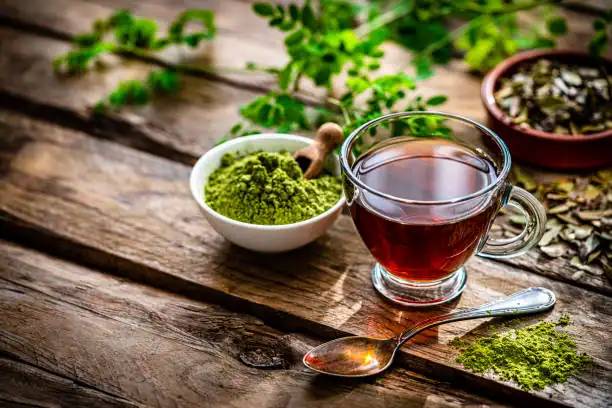
Moringa tea is loaded with powerful antioxidants such as quercetin, chlorogenic acid, and beta-carotene. These compounds help neutralize free radicals, which are unstable molecules that can damage cells and contribute to chronic diseases and premature aging. Drinking moringa tea regularly can support cellular health, slow down oxidative stress, and help reduce the risk of conditions like cancer and heart disease. Compared to many herbal teas, moringa tea has a particularly high antioxidant profile, making it a natural daily defense system for your body.
3.2 Supports Weight Management and Metabolism
Moringa tea has thermogenic properties that may gently boost metabolism and support fat breakdown. Its natural compounds help regulate blood sugar levels, which is key for preventing cravings and energy crashes that often lead to overeating. Additionally, moringa contains isothiocyanates, which can promote fat metabolism and help maintain a healthy weight. Replacing sugary drinks with moringa tea is a simple habit that may contribute to sustainable weight loss and better energy balance.
3.3 Boosts Energy and Reduces Fatigue
Unlike caffeinated teas and coffee, moringa tea provides clean, natural energy without causing jitters or a crash. This is due to its rich content of vitamins like B2 (riboflavin), iron, and magnesium—nutrients that play a role in energy production. Iron, for example, helps transport oxygen to your cells, preventing tiredness and anemia-related fatigue. Many people report feeling more alert and focused after adding moringa tea to their morning routine.
3.4 Improves Digestion and Gut Health
Moringa tea has mild laxative properties and contains natural fibers and compounds that promote healthy digestion. It can soothe bloating, constipation, and acidity while supporting the balance of gut bacteria. Chlorogenic acid, found in moringa leaves, is also known to improve nutrient absorption in the intestines. By aiding digestion, moringa tea indirectly supports weight control, energy, and overall well-being.
3.5 Supports Heart Health and Healthy Cholesterol Levels
Several studies suggest that moringa may help lower LDL (bad) cholesterol while raising HDL (good) cholesterol, supporting overall cardiovascular health. The antioxidants in moringa protect against oxidative damage to arteries, while its anti-inflammatory properties reduce the risk of plaque buildup. Drinking moringa tea regularly may help maintain blood pressure at healthy levels and reduce the risk of heart disease when paired with a balanced diet and lifestyle.
3.6 Strengthens Immunity and Fights Inflammation
Moringa is rich in vitamin C, vitamin A, and zinc—all crucial for a strong immune system. It also contains anti-inflammatory plant compounds that can help the body fight infections and reduce symptoms of inflammation, such as joint pain and swelling. For people dealing with chronic inflammatory conditions like arthritis, moringa tea can provide soothing, long-term benefits when used alongside medical treatment.
3.7 Enhances Skin and Hair Health
The vitamins and minerals in moringa tea nourish your skin and hair from the inside out. Vitamin A and beta-carotene support skin cell renewal, while vitamin C promotes collagen production, reducing signs of aging like wrinkles and sagging. Zinc and iron help strengthen hair follicles, reducing hair fall and promoting growth. Regular consumption of moringa tea may lead to clearer skin, stronger hair, and a natural glow.
3.8 Regulates Blood Sugar and Supports Diabetes Management
One of the most researched benefits of moringa is its ability to regulate blood sugar levels. Compounds like isothiocyanates and chlorogenic acid slow the absorption of sugar in the intestines and improve insulin sensitivity. For individuals with type 2 diabetes or prediabetes, moringa tea may help stabilize glucose levels naturally. However, it should be consumed as a supportive aid and not as a replacement for prescribed medication.
3.9 Hormonal Balance and Women’s Health Benefits
Moringa tea can support women’s health by balancing hormones naturally. Its calcium, iron, and folate content help reduce PMS symptoms, support fertility, and ease menopause-related discomforts like hot flashes and mood swings. Some studies suggest moringa may improve breast milk production in nursing mothers, thanks to its nutrient-dense composition. By regulating hormones and replenishing essential nutrients, moringa tea offers a gentle yet powerful aid for women’s wellness.
3.10 Mental Clarity, Stress Relief, and Better Sleep
Moringa tea contains adaptogenic properties that help the body cope with stress. It supports the production of neurotransmitters like serotonin and dopamine, which regulate mood and mental clarity. The magnesium in moringa promotes relaxation of the nervous system, making it easier to unwind and sleep well at night. Unlike caffeinated drinks, moringa tea won’t disrupt your sleep cycle but instead helps restore calm and focus.

Before You Take Another Scoop —
Read This First
Most people take moringa without knowing the right dose, the risky combinations, or the signs to stop. This guide fixes that — with evidence-based answers, not guesswork.
- Exact safe dosage by body weight & health goal
- Drug & supplement interactions to avoid
- Who should NOT take moringa (and why)
- How to know when to stop or adjust
4. Potential Side Effects of Moringa Tea
While moringa tea is widely praised for its health-promoting benefits, it’s equally important to understand its potential side effects and safety concerns. Most people tolerate moringa tea well when consumed in moderate amounts, but excessive intake or improper use may lead to unwanted effects.
4.1 Digestive Issues
Moringa tea is high in fiber and bioactive compounds. Drinking it in large amounts may sometimes cause digestive discomfort such as bloating, gas, or mild diarrhea. If you’re new to moringa, it’s best to start with a small cup daily and gradually increase your intake as your body adjusts.
4.2 Risk During Pregnancy and Breastfeeding
Pregnant women are generally advised to avoid moringa root and bark extracts, as these may stimulate uterine contractions and potentially increase the risk of complications. While moringa leaves (used in tea) are considered safer, it’s still best for pregnant and breastfeeding women to consult a healthcare provider before consuming moringa tea regularly.
4.3 Possible Interactions with Medications
Moringa tea may interact with certain medications:
- Diabetes medications: Since moringa naturally lowers blood sugar, combining it with diabetes drugs may cause hypoglycemia (too low blood sugar).
- Blood pressure medications: Moringa may enhance the effects of antihypertensive drugs, leading to excessively low blood pressure.
- Blood thinners (e.g., warfarin): Because moringa has blood-thinning effects, it could increase bleeding risk when combined with these medications.
4.4 Overconsumption Risks
Although moringa tea is milder than concentrated moringa supplements, excessive intake may still put strain on the liver or kidneys due to its high concentration of plant compounds. Drinking more than 3–4 cups daily is generally not recommended.
4.5 Allergic Reactions (Rare)
Allergic reactions to moringa are rare, but some individuals may experience skin rashes, itching, or mild respiratory irritation. If you notice these symptoms after drinking moringa tea, discontinue use and consult a doctor.
5. How to Make Moringa Tea
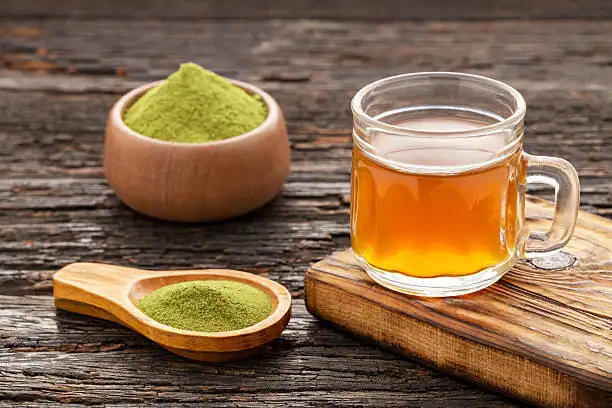
Moringa tea is simple to prepare, yet the way you brew it can affect both its flavor and health benefits. You can use dried moringa leaves, tea bags, or moringa leaf powder depending on what’s available to you. Below are different methods:
5.1 Using Dried Moringa Leaves
- Boil water: Heat 1–2 cups of fresh, filtered water until it reaches a gentle boil.
- Add leaves: Place 1–2 teaspoons of dried moringa leaves into a tea infuser or directly into the cup.
- Steep: Pour the hot water over the leaves and let it steep for 5–7 minutes. The longer you steep, the stronger the flavor.
- Strain and enjoy: Remove the leaves or strain the tea. You can drink it plain or add lemon, ginger, or honey for extra taste.
5.2 Using Moringa Powder
- Mix powder with hot water: Add ½–1 teaspoon of moringa powder to a cup.
- Stir well: Since moringa powder doesn’t dissolve completely, whisk or stir until it’s well-blended.
- Optional flavoring: Add honey, mint, or lemon juice to improve taste and aroma.
5.3 Cold Brew Moringa Tea
- Combine ingredients: Place 2 teaspoons of dried moringa leaves (or 1 teaspoon powder) in a pitcher with 2 cups of cold water.
- Steep overnight: Leave in the fridge for 8–12 hours.
- Strain and serve: Refreshing and mild in flavor, ideal for hot days.
5.4 Tips for Best Taste and Benefits
- Do not boil moringa leaves directly, as this can reduce some nutrient potency.
- Combine with other herbs like ginger, mint, or lemongrass for enhanced benefits.
- Drink in moderation (1–2 cups daily) to avoid side effects.
6. Dosage and Best Practices for Moringa Tea
6.1 Recommended Daily Intake
There is no universally established dosage for moringa tea since it is an herbal infusion rather than a standardized supplement. However, most health experts suggest drinking 1–2 cups of moringa tea per day to enjoy its benefits without overwhelming the body. A single cup is usually made from 1–2 teaspoons of dried moringa leaves or powder steeped in hot water. Beginners may start with half a teaspoon per cup to allow their bodies to adjust before gradually increasing.
6.2 Factors That Influence the Right Dosage
The ideal dosage can vary depending on:
- Age and overall health – Children, elderly individuals, and those with medical conditions may require smaller amounts.
- Purpose of consumption – Someone drinking moringa tea for general wellness may need less than someone seeking targeted benefits like blood sugar regulation.
- Form of moringa – Loose leaves, tea bags, and powdered tea all have different potency levels. Powder tends to be more concentrated, so smaller amounts are needed compared to whole leaves.
6.3 Best Time to Drink Moringa Tea
- Morning boost – Many people prefer moringa tea in the morning because it provides a natural energy lift without caffeine jitters.
- Afternoon pick-me-up – A cup in the afternoon can help fight fatigue and improve focus.
- Evening relaxation – Some drink moringa tea before bed since it promotes relaxation and may improve sleep quality. However, those sensitive to its energizing effect may prefer drinking it earlier in the day.
6.4 Best Practices for Maximum Benefits
- Use hot but not boiling water – Steeping in hot (not boiling) water helps preserve delicate antioxidants and vitamins.
- Avoid excess sugar – Sweeten lightly with honey or lemon instead of refined sugar to keep the tea healthy.
- Combine with other herbs – Moringa pairs well with ginger, mint, or lemongrass for added flavor and health benefits.
- Stay consistent – Like most herbal remedies, the benefits of moringa tea are best experienced with regular, consistent use rather than one-time consumption.
6.5 Who Should Avoid Large Quantities
While generally safe, some groups should be cautious:
- Pregnant and breastfeeding women – Should consult their doctor before drinking regularly.
- People on blood pressure or diabetes medication – Moringa can amplify the effects of these drugs, so dosage must be monitored.
- Individuals with sensitive stomachs – Too much moringa tea may cause mild digestive discomfort in some people.
Moringa Tea vs. Other Herbal Teas
Herbal teas have been consumed for centuries for their soothing flavors, healing properties, and wellness benefits. While many people are familiar with popular choices like green tea, chamomile, peppermint, or ginger tea, Moringa tea is unique in both its nutritional value and versatility. Below is a detailed comparison that shows how Moringa tea differs from other herbal teas.
1. Nutritional Density
- Moringa Tea: Known as the “miracle tree”, moringa leaves are incredibly nutrient-dense. They contain high amounts of vitamins (A, C, E, and several B vitamins), minerals (iron, calcium, magnesium, potassium), and complete plant-based proteins (all nine essential amino acids). Most herbal teas, though beneficial, do not provide this level of macronutrient and micronutrient content.
- Other Herbal Teas: Chamomile, peppermint, ginger, or hibiscus teas mainly offer phytochemicals and antioxidants, but they lack significant protein or a wide vitamin-mineral profile.
✅ Moringa tea is not only soothing but also doubles as a nutrient supplement, making it stand out nutritionally.
2. Antioxidant Properties
- Moringa Tea: Contains polyphenols, flavonoids, and chlorogenic acid, which combat oxidative stress, neutralize free radicals, and support anti-aging.
- Green Tea: High in catechins like EGCG, making it one of the strongest antioxidant teas, though it typically has caffeine.
- Chamomile & Peppermint: Provide antioxidants like apigenin (in chamomile) and menthol (in peppermint), but at lower concentrations compared to moringa.
✅ Moringa tea competes with green tea in antioxidant content, but without the caffeine buzz.
3. Caffeine Content
- Moringa Tea: Naturally caffeine-free, making it suitable for people who want an energy boost without jitters, crashes, or sleep disruption.
- Green Tea & Black Tea: Contain moderate to high caffeine, which can be stimulating but unsuitable for sensitive individuals or late-night consumption.
- Chamomile & Rooibos: Also caffeine-free, but with fewer energizing properties compared to moringa.
✅ If you want caffeine-free energy and focus, moringa tea is one of the best options.
4. Digestive Health
- Moringa Tea: Known to soothe digestion, reduce bloating, and support gut health thanks to its fiber, antioxidants, and mild anti-inflammatory effects.
- Peppermint Tea: Excellent for indigestion and bloating relief.
- Ginger Tea: Great for nausea, motion sickness, and digestive stimulation.
- Chamomile Tea: Helpful for mild stomach cramps and relaxation.
✅ Moringa is a gentle all-rounder, while peppermint and ginger are stronger targeted remedies for digestive discomfort.
5. Immune System Support
- Moringa Tea: Rich in vitamin C, beta-carotene (vitamin A precursor), zinc, and other compounds that strengthen immunity. Its anti-inflammatory and antibacterial properties further enhance defense against infections.
- Echinacea Tea: Commonly used to prevent or shorten colds, but with mixed research results.
- Ginger & Turmeric Teas: Support immunity by reducing inflammation, but without as wide a nutritional profile.
✅ Moringa tea provides both preventive immune support and general nutritional backup.
6. Skin and Hair Benefits
- Moringa Tea: Vitamin E and antioxidants help reduce oxidative stress, promoting clearer skin and stronger hair. Its amino acids also support keratin production.
- Chamomile Tea: Soothes skin irritation and helps with relaxation, but not as nutrient-rich.
- Rooibos Tea: Contains zinc and alpha hydroxy acid, which support skin health, but fewer proteins compared to moringa.
✅ Moringa tea is one of the few teas that supports skin and hair from the inside out through direct nutritional input.
7. Weight Management and Energy
- Moringa Tea: May help support metabolism, reduce cravings, and boost energy naturally without caffeine.
- Green Tea: A popular choice for weight management due to caffeine and catechins that stimulate fat burning.
- Peppermint & Chamomile: Better for calming and relaxation, not weight management.
✅ For weight management without caffeine, moringa tea has the advantage.
8. Unique Advantage of Moringa Tea
What sets moringa apart is its dual role:
- A soothing herbal tea with traditional healing benefits.
- A nutrient-packed supplement offering vitamins, minerals, antioxidants, and proteins that other teas lack.
In short:
- If you want nutrients + antioxidants + caffeine-free energy, moringa tea is unmatched.
- If you want targeted relief (like peppermint for bloating or ginger for nausea), other herbal teas may complement it.
Final Takeaway:
Moringa tea doesn’t just belong in the herbal tea category—it straddles the line between a functional food and a therapeutic beverage. While most herbal teas are enjoyed for their flavor or single benefit, moringa tea offers a complete wellness package that makes it unique among herbal infusions.
Before You Take Another Scoop —
Read This First
Most people take moringa without knowing the right dose, the risky combinations, or the signs to stop. This guide fixes that — with evidence-based answers, not guesswork.
- Exact safe dosage by body weight & health goal
- Drug & supplement interactions to avoid
- Who should NOT take moringa (and why)
- How to know when to stop or adjust
Where to Buy High-Quality Moringa Tea
Choosing a trusted source for moringa tea ensures you enjoy the full nutritional benefits without worrying about contaminants. Here’s how to shop smart and what products I recommend.
Buying Formats & Quality Must-Haves
| Format | Pros | Considerations |
|---|---|---|
| Loose Leaf Tea | Fresher taste, full-flavor, nutrient-rich | Requires a strainer and proper storage |
| Tea Bags | Convenient, travel-friendly | May contain fillers or lower leaf content |
| Powder | Highly versatile for drinks and recipes | Strong flavor, needs stirring or blending |
Quality Checklist:
- USDA Organic & Non-GMO certified
- Ingredient list: should list only moringa leaves
- Third-party testing for purity (e.g. heavy metals)
- Bright green color or fresh aroma indicates good processing
Top Amazon Picks for Moringa Tea
- HANDPICK Organic Moringa Tea Bags – A practical choice in convenient tea bag form. Made from pure moringa leaves, non-GMO verified, and packaged in eco-conscious bags—perfect if you’re often on the go.
- Miracle Tree Organic Moringa Herbal Tea Bags – Offers high-quality loose-leaf tea in easy stewable bags. USDA Organic, plastic-free, and sustainably solar-dried, this tea earned a Great Taste award for its clean flavor and impressive profile Miracle Tree.
Other Trusted Options (non-Amazon)
- Suiro Teas’ Moringa Herbal Tea – Handcrafted from organic dried leaves, praised for its earthy flavor and digestion support Suiro Teas.
Final Buying Tips
- Stick with Moriga Leaves: Avoid blends with fillers or added flavors unless you’re specifically looking for those benefits.
- Check Certifications: Organic and transparent sourcing help ensure purity.
- Start Small: Buy a smaller size first to test flavor and how your body responds.
Conclusion: Is Moringa Tea Worth Adding to Your Daily Routine?

Moringa tea is more than just a soothing herbal drink—it’s a nutrient-dense powerhouse that offers a wide range of health benefits. From boosting energy and supporting digestion to balancing hormones and improving skin health, this tea has earned its reputation as a natural superfood in a cup. Unlike many herbal teas that serve a single purpose, Moringa tea provides a holistic blend of antioxidants, vitamins, and minerals that nourish your body from the inside out.
Of course, as with any supplement or herbal remedy, moderation is key. Drinking Moringa tea daily can be highly beneficial, but it’s important to listen to your body and follow recommended dosages. If you are pregnant, breastfeeding, or managing chronic health conditions, consult your healthcare provider before making it part of your routine.
With its earthy flavor, versatility, and impressive health profile, Moringa tea can easily become a daily ritual—whether you enjoy it in the morning for energy, after meals for digestion, or in the evening to unwind. By choosing high-quality, organic products from trusted sources, you ensure that every sip delivers maximum benefits.
In short: If you’re looking for a natural way to boost your wellness, improve energy, and support long-term health, Moringa tea is absolutely worth trying.