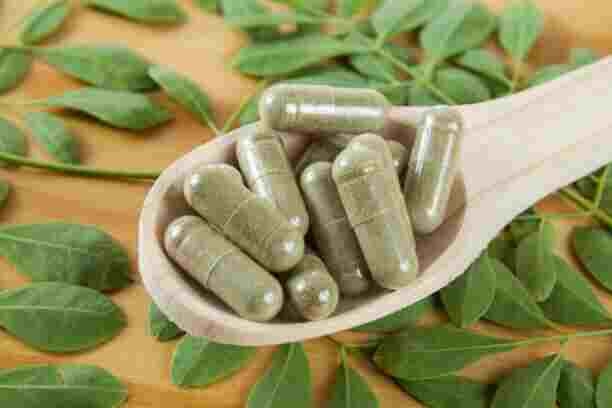
Rosabella Moringa Capsules are a dietary supplement made from the nutrient-rich leaves of the Moringa oleifera tree, encapsulated in an easy-to-take form designed to fit into daily wellness routines. Each capsule typically contains ground whole moringa leaf powder, offering a concentrated source of plant nutrients, antioxidants, vitamins, and minerals in a convenient format for people who prefer supplements over powders or teas.
Moringa supplements have become increasingly popular in wellness communities because they are perceived as a natural, plant-based option for supporting daily nutrition and general well-being. Rich in compounds like quercetin and chlorogenic acid, moringa is often marketed for antioxidant support, digestive health, energy balance, and inflammation control. Its rise into mainstream usage reflects a broader trend toward botanical and whole-food supplements that claim multiple functional benefits with relatively simple ingredients.
Despite this popularity, consumer interest is not driven purely by marketing hype; moringa’s nutrient density and historical use in traditional medicine have made it a frequent topic of discussion among nutrition enthusiasts, holistic health practitioners, and people exploring alternatives to highly processed supplements.
This guide goes beyond surface-level claims to provide a science-based, all-in-one resource. You’ll learn what the evidence says about potential benefits and risks, proper dosages, how to evaluate quality, and real-world context around Rosabella Moringa Capsules specifically — including considerations for safety, effectiveness, and how they compare to other moringa products.
2. What Moringa oleifera Is
Botanical Overview
Moringa oleifera is a fast-growing tree native to parts of South Asia and now cultivated across Africa, the Middle East, and tropical regions worldwide. It’s often called the “drumstick tree” (because of its long seed pods) or “miracle tree” due to how many parts of the plant are traditionally used.
- Leaves: The most nutrient-dense and commonly used part; dried and used in powders, capsules, teas, and foods
- Seeds: Used for oil extraction and water purification, less commonly in supplements
- Pods: Consumed as vegetables in some cuisines
- Roots & bark: Used traditionally, but not recommended for supplementation due to safety concerns
For supplements like Rosabella Moringa Capsules, the leaf is the focus because it offers the best balance of nutrients and safety.
Historically, moringa leaves have been used in Ayurvedic medicine, African traditional practices, and folk remedies for general nourishment, recovery from illness, and supporting energy and digestion.
Key Phytochemicals & Nutrients
What sets moringa apart is its unusually broad nutrient spectrum for a single plant:
- Polyphenols & antioxidants
- Quercetin
- Chlorogenic acid
- Kaempferol
- These compounds help neutralize oxidative stress and are often studied for inflammation and metabolic support.
- Vitamins
- Vitamin A (as beta-carotene)
- Vitamin C
- Vitamin E
- B-vitamins (small but meaningful amounts)
- Minerals
- Calcium
- Potassium
- Iron
- Magnesium
- Plant compounds
- Isothiocyanates (also found in cruciferous vegetables)
- Amino acids, including several essential ones
Importantly, when moringa is used in whole-leaf powder capsules, these compounds remain in a more natural ratio compared to isolated extracts.
How Moringa Differs From Generic Herbs
Unlike many single-function herbs (for example, valerian for sleep or turmeric mainly for inflammation), moringa is considered a nutrient-support herb rather than a targeted medicinal one.
Key differences:
- Whole-food profile: Acts more like a concentrated green vegetable than a stimulant or drug-like herb
- Multi-system support: Nutrition, antioxidant defense, metabolic balance, and mild anti-inflammatory effects
- Lower acute effects: Benefits tend to be subtle and cumulative, not immediate or “felt” like caffeine or adaptogens
This is why moringa supplementation is often positioned as daily nutritional support, not a quick-fix remedy — and why quality, dosage, and consistency matter more than hype
3. Why People Take Moringa Supplements
Common Health Goals
Most people don’t take moringa for one dramatic effect — they take it for broad, foundational support. Based on clinical research trends, traditional use, and consumer behavior, the most common goals include:
- Energy & vitality (without stimulants)
- Moringa contains iron, magnesium, B-vitamins, and polyphenols that support cellular energy production. Unlike caffeine-based supplements, moringa doesn’t “boost” energy acutely; instead, users often report steadier energy over time, especially when deficiencies are present.
- Immune system support
- Antioxidants like quercetin and vitamin C help support immune defense by reducing oxidative stress. This is particularly attractive to people looking for daily immune maintenance, not immune “activation.”
- Metabolic & blood sugar wellness
- Several human and animal studies suggest moringa leaf may help support healthy glucose metabolism and insulin sensitivity. This has made moringa popular among people focused on metabolic balance, weight management, or overall blood sugar stability.
- Micronutrient supplementation
- Moringa is often used as a natural multinutrient, especially by people with limited vegetable intake, plant-based diets, or higher nutrient needs (fatigue, recovery, postpartum nutrition in traditional contexts).
In short, moringa appeals to people who want nutritional reinforcement, not a pharmaceutical-style intervention.
Why Capsules Instead of Powder or Tea
Although moringa powder and tea are traditional formats, capsules dominate the supplement market for practical reasons:
- Taste avoidance
- Moringa powder has a strong, earthy, slightly bitter flavor that many people struggle to consume consistently.
- Dosage precision
- Capsules provide a standardized daily dose, which is critical when following evidence-based intake ranges used in studies.
- Convenience & compliance
- No mixing, no brewing, no recipes. This improves long-term adherence — a key factor in seeing benefits from nutrient-based supplements.
- Portability & shelf stability
- Capsules are easier to travel with and less prone to oxidation compared to loose powder.
For brands like Rosabella Moringa Capsules, capsule form also allows for quality control, ensuring each serving contains a known amount of leaf powder rather than a variable scoop.
4. Scientific Evidence on Moringa Supplementation
Moringa oleifera has been widely studied in laboratory and animal models, with a growing—though still limited—body of human clinical research. This section reviews what current scientific evidence actually supports, where results are promising but preliminary, and where claims exceed data.
4.1 Cardiometabolic Health (Human Trials)
Human research on moringa supplementation and cardiometabolic outcomes (blood pressure, cholesterol, glucose) is mixed and not yet conclusive.
- A systematic review and meta-analysis of randomized controlled trials (RCTs) found:
- No consistent, clinically significant improvements in broad cardiometabolic markers across studies
- Modest reductions in diastolic blood pressure in certain subgroups
- Benefits were more likely when:
- Daily doses were below 10 g
- Supplementation lasted ≥12 weeks
These findings suggest moringa may support cardiovascular parameters in specific contexts, but it cannot be considered a primary cardiometabolic therapy.
4.2 Antioxidant & Anti-Inflammatory Properties
One of moringa’s most consistently supported attributes is its high antioxidant potential.
- Moringa leaves contain:
- Flavonoids (quercetin, kaempferol)
- Phenolic acids
- Vitamin C and beta-carotene
- In animal and in vitro studies, these compounds:
- Reduce markers of oxidative stress
- Neutralize free radicals
- Modulate inflammatory signaling pathways
Laboratory research also supports anti-inflammatory activity, aligning with moringa’s long history in traditional medicine for inflammatory conditions.
🔗 PubMed Central (free full-text reviews)
4.3 Blood Sugar & Insulin Response
Blood glucose regulation is one of the most cited reasons people take moringa supplements, but evidence must be interpreted cautiously.
- Early human trials suggest moringa leaf powder or extract:
- May reduce postprandial blood glucose
- May improve insulin response
- Animal studies support mechanisms involving:
- Improved insulin sensitivity
- Reduced hepatic glucose output
However:
- Studies are often small, short-term, or methodologically heterogeneous
- Dosage, extract type, and participant health status vary widely
🔗 WebMD (evidence summary & safety context)
Conclusion:
Moringa shows potential metabolic benefits, but high-quality, long-term human trials are still needed.
4.4 Other Potential Mechanistic Benefits
Beyond targeted outcomes, moringa’s value may lie in its nutrient density and biological activity, especially for individuals with suboptimal diets.
Micronutrient Support
Moringa leaves naturally contain:
- Vitamins A, C, and E
- Minerals such as calcium, potassium, and iron
This may help complement diets low in fruits and vegetables, though capsule doses contribute modest—not therapeutic—amounts.
Cellular & Molecular Effects
Laboratory research suggests moringa bioactives may:
- Influence cell signaling pathways
- Modulate inflammatory gene expression
- Reduce oxidative damage at the cellular level
🔗 WebMD (nutrient profile & mechanisms)
Don’t Buy Moringa Until You Read This !
Incorrect dosing is one of the main causes of moringa side effects. Learn the safe dose, warning signs, and who should avoid it in our Moringa Side Effects & Safe Use Guide you’re using the right dose and avoiding common side effects.
5. Rosabella Moringa Capsules: Specific Context
What Rosabella Claims
Rosabella positions its moringa product as a pure, high-nutrient wellness supplement made from Moringa oleifera leaf powder. Each serving typically contains around 800 mg of nutrient-rich moringa powder, providing vitamins (A, C, B-complex), minerals (iron, calcium, magnesium), protein, and antioxidant compounds such as quercetin and chlorogenic acid. The brand emphasizes support for energy, immune function, gut health, and overall vitality by delivering this concentrated plant nutrition in an easy-to-take capsule.
Marketing messaging frequently highlights outcomes like increased focus and memory, reduced inflammation, improved gut balance, and enhanced immunity through antioxidant support and prebiotic fiber. Rosabella also promotes benefits tied to its micronutrients, such as iron for energy metabolism and vitamins A and C for immune and skin support.
Reported User Experiences & Cohort Observations
Anecdotal accounts from users include claims of boosted energy and mental clarity within a short period of consistent use, with some reporting effects in a few days to a few weeks. These self-reported experiences often cite improved focus and reduced fatigue when taken as part of a daily routine. Some users also link moringa intake with subjective improvements in digestive comfort and overall wellness.
However, it’s important to differentiate individual user reports from clinical evidence. While some people describe positive effects, others report no noticeable changes or mixed results with energy, immunity, or digestion. This variation in experience is common with botanical supplements and reflects differences in individual physiology, dosage, and overall health context.
Transparency & Quality Considerations
Quality and transparency are essential when evaluating any botanical supplement, including Rosabella Moringa Capsules. Some brand-related reports and third-party articles describe Rosabella as using pure moringa leaf powder without fillers, additives, or synthetic ingredients, and often mention:
- Vegetarian (hypromellose) capsules that avoid animal-derived gelatin, appealing to vegans and vegetarians.
- Claims of sourcing from ethically managed farms and strict processing to retain nutrient integrity.
- Lab testing for purity and potency is noted in product descriptions, with third-party testing badges referenced by reviewers as a sign of quality control.
A strong indicator of product quality is a Certificate of Analysis (CoA), which verifies purity, absence of contaminants (e.g., heavy metals, microbes), and consistency with label claims. While some independent guides note that reputable moringa brands perform such testing, buyers are advised to check explicitly for batch-specific CoAs or third-party verification rather than rely solely on marketing phrases.
In Summary:
Rosabella Moringa Capsules are marketed as a pure, nutrient-dense botanical supplement aimed at supporting energy, immunity, and overall wellness, with reported benefits from user communities. However, individual results vary, and scientific evidence remains limited. Transparency markers such as third-party lab testing and Certificate of Analysis documentation help differentiate quality products from less reliable ones.
you may also like Rosa Bella Moringa : Ingredients, Benefits, and How to Use It Effectively
If this article helped you, consider buying us a coffee ☕
Your support helps us create more helpful content like this.
Help us keep going
6. Mechanisms of Action: How Moringa Works in the Body (and Why Results Vary)

6.1 How Moringa Compounds Act in the Body
Moringa oleifera isn’t a “single-compound” supplement. Its effects—when they occur—come from multiple overlapping mechanisms, not one magic pathway.
Antioxidant Pathways
Moringa leaves contain polyphenols such as:
- Quercetin
- Kaempferol
- Chlorogenic acid
These compounds help:
- Neutralize free radicals
- Reduce oxidative stress at the cellular level
- Support endogenous antioxidant systems (like glutathione activity)
➡️ In practical terms: this may help protect cells from chronic low-grade inflammation, which is linked to metabolic and cardiovascular dysfunction—but it does not act like a pharmaceutical antioxidant drug.
Anti-Inflammatory Signaling
In laboratory and animal models, moringa extracts appear to:
- Modulate inflammatory mediators (e.g., NF-κB signaling)
- Reduce pro-inflammatory cytokine expression
This mechanism helps explain why moringa has been used traditionally for inflammatory conditions. However, human data remain limited, and effects are generally modest rather than dramatic.
Micronutrient Delivery
Moringa leaves are naturally rich in:
- Vitamin A precursors (beta-carotene)
- Vitamin C and E
- Iron, calcium, potassium, magnesium
- Plant protein and amino acids
Capsules function primarily as a micronutrient complement, especially for individuals with:
- Low dietary diversity
- Mild micronutrient insufficiencies
- Increased nutritional needs
➡️ This is likely where many “energy” or “vitality” effects come from—not stimulation, but improved nutrient availability.
Metabolic & Glucose-Related Effects
Some compounds in moringa may:
- Influence glucose absorption enzymes
- Affect insulin signaling pathways in experimental models
Early human trials suggest possible support for blood sugar regulation, but:
- Doses vary widely
- Extracts differ from whole-leaf capsules
- Results are inconsistent
This explains why moringa is often marketed for “blood sugar balance,” yet cannot be considered a glucose-lowering treatment.
6.2 Why Controlled Research Results Differ from Supplement Marketing
Whole Leaf vs Extract Confusion
Many positive lab results are used:
- Concentrated extracts
- Isolated compounds
- Doses far higher than capsule equivalents
Most commercial supplements (including Rosabella) use whole-leaf powder, which:
- Is nutritionally balanced
- Is safer for long-term use
- But produces milder effects
Marketing often blurs this distinction.
Bioavailability Limitations
Not all compounds in moringa are absorbed equally:
- Polyphenols have variable absorption
- Fiber can limit compound uptake
- Capsule form slows digestion compared to extracts
This means:
What’s present on the label is not always what reaches circulation in meaningful amounts.
Baseline Health Matters
People who notice benefits are often:
- Nutrient-deficient
- Under oxidative or metabolic stress
- Experiencing fatigue linked to diet quality
Well-nourished individuals may feel little to no change, which explains mixed user reviews.
Marketing Language vs Biological Reality
Claims like:
- “Boosts energy instantly.”
- “Detoxifies the body.”
- “Balances hormones”
Are not supported by controlled human evidence.
What moringa realistically does:
- Supports nutritional adequacy
- Contributes antioxidants
- May modestly influence inflammatory and metabolic markers over time
7. Evidence-Based Benefits (With Caveats)
When evaluating moringa supplementation, it’s important to focus on scientific evidence, not just marketing claims. Below are the key potential benefits supported by research, along with important context about the strength of that evidence.
7.1 Antioxidant Support
Moringa leaves and extracts are rich in antioxidants, including flavonoids and phenolic acids, which help neutralize free radicals and reduce oxidative stress in laboratory models. These antioxidant compounds (e.g., quercetin) have been identified as potentially protective against cellular damage associated with ageing and chronic disease processes.
Caveat: Most of the evidence for antioxidant effects comes from in vitro or animal studies, not large human clinical trials, so clear health outcomes in people remain unconfirmed even though biochemical activity is strong.
7.2 Blood Pressure Regulation
Some clinical research suggests moringa may have a modest impact on blood pressure, particularly diastolic blood pressure. A meta-analysis of randomized controlled trials found that moringa supplementation was associated with a small reduction in diastolic blood pressure in certain subgroups — for example, with longer supplementation periods or lower daily doses — although this effect was not consistently robust across studies.
Other trials involving cooked moringa leaves in humans have shown short-term decreases in post-meal blood pressure.
Caveat: Evidence is limited, mixed, and not yet definitive, and does not support moringa as a primary treatment for hypertension.
7.3 Micronutrient Supplementation
Moringa leaves naturally contain a range of vitamins and minerals, including vitamin C, vitamin A precursors, iron, and calcium, which can help complement diets low in essential micronutrients. Many people use moringa supplements to increase overall vitamin and mineral intake.
Caveat: While moringa can contribute nutrients, the actual amounts in capsule doses may be far smaller than in whole-food servings, and effectiveness depends on overall diet quality.
7.4 Energy and Well-Being
Anecdotally, many people report more stable energy levels, reduced fatigue, and improved general wellness with consistent moringa use. Self-reported experiences describe benefits such as sustained energy, better digestion, and clearer skin.
Caveat: These experiences are individual and subjective, and there is limited high-quality clinical evidence directly linking moringa supplementation to measurable improvements in energy or fatigue in well-controlled human studies.
7.5 Digestive and Immune Support
Moringa contains fibre, bioactive compounds, and micronutrients that may help support digestive comfort and immune system function. Some research indicates moringa can influence immune-related pathways and has been traditionally used to support digestion.
Caveat: Most evidence for immune or digestive benefits comes from preclinical research or traditional use, not large human trials, and effects vary by individual and product formulation.
8. Side Effects & Risks (Evidence + Clinical Insight)
Even though many people tolerate moringa supplements well, there are clearly documented risks and safety considerations you should know before taking Rosabella Moringa Capsules — especially at higher doses or with certain health conditions.
8.1 Common Mild Side Effects
Some people experience gastrointestinal discomfort when taking moringa, particularly if taken on an empty stomach or at high doses. These can include symptoms such as:
- Nausea
- Bloating
- Diarrhea
- Gas or cramping
These effects are often due to moringa’s fibre and phytochemical content, which can act like a mild laxative in sensitive individuals.
8.2 Blood Sugar & Blood Pressure Interaction
Moringa has biological activity that can lower blood glucose and blood pressure levels. This effect may be beneficial in some cases, but it also means moringa can interact with medications used for diabetes or hypertension:
- It may add to the glucose-lowering effect of antidiabetic drugs (e.g., metformin or insulin), increasing the risk of hypoglycemia.
- It may enhance the effect of blood pressure medications, leading to dangerously low blood pressure.
This necessitates careful monitoring and medical consultation if you are taking medication for these conditions.
8.3 Serious Safety Concerns
Not all parts of the moringa tree are safe for supplementation:
- Root and bark extracts contain toxic alkaloids (such as spirochin) that can potentially cause nerve paralysis and serious health issues. These parts should not be consumed as supplements.
Although moringa leaf products are generally well-tolerated, rare case reports and theoretical warnings suggest possible liver or kidney effects in extreme doses or with contaminated products. Formal clinical evidence is limited, but caution is still advised.
8.4 Vulnerable Populations
Certain groups should be especially cautious or avoid moringa supplements unless advised by a healthcare provider:
- Pregnancy and breastfeeding: There is insufficient safety data, and moringa-derived compounds could stimulate uterine contractions, posing a risk during pregnancy. Most authorities advise against use in pregnancy and breastfeeding without medical supervision.
- People with hypotension: Because moringa may lower blood pressure, individuals with naturally low blood pressure or on antihypertensive drugs may experience dizziness or fainting.
- Individuals at risk of iron overload (hemochromatosis): Moringa contains iron, and excess intake might contribute to iron accumulation, which can damage organs if not monitored.
Always consult a healthcare professional before starting supplementation if you fall into any of these categories.
8.5 Product Safety and Contamination Risks
Dietary supplements aren’t regulated like prescription medications, and moringa products have been involved in contamination and recall events:
- In 2025 and 2026, multiple moringa leaf powder products and supplement powders were linked to Salmonella contamination, leading to recalls and outbreaks of illness — including hospitalizations — in several U.S. states.
These events underscore the importance of choosing products from reputable brands with third-party testing, Certificates of Analysis (CoAs), and transparent quality control measures. Capsules made under strict Good Manufacturing Practices (GMP) and tested for heavy metals and microbial contamination are generally safer than unverified bulk powders.
you may also like Rosa Bella Moringa Reviews: Worth It or Not?
If this article helped you, consider buying us a coffee ☕
Your support helps us create more helpful content like this.
Help us keep going
9. Dosage and How to Take Rosabella Moringa Capsules
Getting the dosage right is one of the most important — and most misunderstood — aspects of moringa supplementation. While moringa is often marketed as a “natural superfood,” its physiological effects are dose-dependent, and more is not always better.
This section breaks down realistic dosing ranges, how to start safely, and why standardization and label clarity matter when using Rosabella Moringa Capsules or similar products.
9.1 Typical Dosing Ranges Seen in Research & User Cohorts
There is no universally established clinical dose for moringa leaf supplements, but patterns emerge from human studies, observational data, and real-world use:
Common dosing ranges (moringa leaf powder equivalent):
- 500–1,000 mg/day
- → Low, conservative dose
- → Often used by beginners or caffeine-sensitive individuals
- 1,500–3,000 mg/day
- → Most common “daily wellness” range
- → Used in many human trials examining blood sugar, lipids, and inflammation
- Up to 6,000–10,000 mg/day
- → Seen in some research contexts
- → Higher risk of GI side effects; not typically recommended for long-term unsupervised use
Most commercially available capsules (including Rosabella-style formulations) contain 400–600 mg per capsule, meaning typical daily intake falls between 2–4 capsules per day depending on the brand.
Evidence context:
- Human trials evaluating blood pressure and metabolic markers generally used ≤10 g/day for 8–12+ weeks, with modest effects and variable tolerance.
- Source: PubMed clinical summaries
- Consumer guidance platforms consistently recommend starting below 2 g/day for tolerance assessment.
- Source: WebMD
9.2 Suggested Ramp-Up Strategy (To Reduce GI Side Effects)
One of the most common reasons people discontinue moringa is digestive discomfort, not lack of benefit. A gradual ramp-up significantly improves tolerance.
Evidence-informed ramp-up approach:
Week 1
- 1 capsule daily (≈400–600 mg)
- Take with food, preferably breakfast or lunch.
Week 2
- 2 capsules daily (split doses if possible)
- Continue taking with meals
Week 3 (optional)
- Increase to label-recommended full dose (e.g., 3–4 capsules/day)
- Monitor digestion, energy, and blood pressure
Why this works:
- Moringa contains fibre, polyphenols, and bioactive compounds that can stimulate digestion
- Gradual exposure allows the gut microbiota and digestive enzymes to adapt
- Source: Biomedicus
Practical tips:
- Avoid taking moringa on an empty stomach
- Do not combine with other new supplements during the first 1–2 weeks
- If bloating or diarrhea occurs, reduce the dose rather than stopping completely
9.3 Why Standardized Dosing Matters (and Why Labels Differ)
Not all moringa capsules are created equal — even when the capsule size looks the same.
Key reasons dosing can vary between brands:
- Raw powder vs standardized extract
- Some products use whole-leaf powder
- Others use extracts concentrated for polyphenols or antioxidants
- “500 mg” does not always mean the same biological activity
- Leaf source & processing
- Nutrient density depends on soil quality, harvest time, and drying method
- Poor processing can degrade antioxidants and chlorophyll
- Source: PMC
- https://www.ncbi.nlm.nih.gov/pmc/articles/PMC5452224/
- Label transparency
- High-quality labels clearly state:
- Part used: leaf only (not seed, root, or bark)
- Amount per capsule (mg)
- Serving size (capsules per day)
- Third-party testing or Certificate of Analysis (CoA)
Why this matters clinically:
- Underdosed products may lead to “no effect” conclusions
- Overdosed or poorly standardized products increase side-effect risk
- Inconsistent labelling makes comparing studies to real-world products difficult
- Source: WebMD
9.4 Timing & How to Take for Best Results
- Best time of day: Morning or early afternoon
- (contains mild caffeine-like compounds and may affect sleep if taken late)
- With food: Improves absorption and reduces GI irritation
- Consistency matters more than dose: Daily moderate intake > occasional high doses
Avoid combining moringa with:
- Strong stimulants
- New blood sugar or blood pressure medications (without medical guidance)
Thinking about trying moringa?

Before you start, make sure you’re using the right dose and avoiding common side effects.

👉 Download The Moringa Side Effects & Safe Use Guide — a clear, practical resource with dosage charts, safety checklists, and a 7-day start plan so you can use moringa confidently and responsibly.
10. How to Evaluate Moringa Capsules (Quality Checklist)
Because moringa supplements are sold as dietary supplements (not drugs), quality can vary dramatically between brands. Many safety issues linked to moringa are not due to the plant itself, but to poor sourcing, contamination, or misleading labels.
This checklist helps you objectively evaluate Rosabella Moringa Capsules or any moringa product before trusting it long-term.
10.1 Third-Party Testing (Heavy Metals & Contaminants)
This is non-negotiable for moringa.
Why it matters
- Moringa leaves easily absorb heavy metals (lead, arsenic, cadmium, mercury) from soil
- Contamination cases have been documented in imported herbal powders
- Regulatory oversight is weaker than that of pharmaceuticals
Independent testing ensures the product meets safety thresholds.
What to look for
- Explicit statement: “Third-party tested”
- Named testing standards (USP, NSF, ISO-accredited labs)
- Testing for:
- Heavy metals
- Microbial contamination
- Pesticides
- Mycotoxins
Supporting sources
- FDA on dietary supplement contamination risks
- Houston Chronicle reporting on contaminated herbal supplements
🚩 Red flag: “Lab tested” with no explanation of who tested it.
10.2 Certificate of Analysis (CoA) Verification
A Certificate of Analysis (CoA) is the strongest indicator of product transparency.
What a real CoA includes
- Batch or lot number (must match the bottle)
- Date of testing
- Lab name and accreditation
- Results for:
- Heavy metals
- Microbes
- Active compound ranges (if standardized)
Best practice
- Brand provides CoA:
- On its website
- Via QR code
- Or upon request via email
Why this matters scientifically
- Confirms the product actually contains what the label claims
- Allows comparison between batches
- Reduces risk of adulteration
Reference
🚩 Red flag: “Proprietary blend” with no batch documentation.
10.3 Transparent Sourcing & Processing
High-quality moringa begins before encapsulation.
Key sourcing criteria
- Plant part used: leaf only
- (roots and bark are unsafe)
- Country or region of origin disclosed
- Harvesting practices explained (shade-dried vs heat-dried)
Why processing matters
- High heat degrades:
- Polyphenols
- Vitamin C
- Chlorophyll
- Poor drying leads to mould growth and toxin formation
Evidence
- Research shows antioxidant loss in improperly dried moringa leaves
Best indicators
- “Leaf-only powder”
- “Low-temperature dried”
- “No irradiation”
🚩 Red flag: No mention of plant part or processing method.
10.4 Ingredient List Simplicity (Less Is More)
Moringa capsules do not need complex formulas to work.
Ideal ingredient list
- Moringa oleifera leaf powder (or standardized extract)
- Capsule material (vegetable cellulose preferred)
Acceptable
- Rice flour (minimal filler)
- Magnesium stearate (small amounts)
Avoid
- Artificial colours (especially green dyes)
- Flavorings
- Stimulants or “energy blends”
- Hidden iron fortification (can be risky for some users)
Why simplicity matters
- Reduces interaction risk
- Improves tolerance
- Makes dosing more predictable
Clinical guidance
- Simpler formulations improve adverse-event traceability
🚩 Red flag: Long ingredient list unrelated to moringa.
10.5 Quick Quality Checklist (Scan Before You Buy)
✔ Leaf-only moringa
✔ Third-party tested
✔ CoA available
✔ Transparent sourcing
✔ Simple ingredient list
✔ Clear dosage per capsule
❌ No testing disclosure
❌ No plant part specified
❌ “Detox” or miracle claims
❌ Hidden blends or additives
11. Real User Experiences (Balanced Perspective)
While clinical research provides boundaries for what moringa can plausibly do, real-world use is shaped by individual biology, expectations, diet, and product quality. Reviewing user-reported experiences helps contextualize Rosabella Moringa Capsules without overstating outcomes.
11.1 Common Positive Responses Reported by Users
Across wellness forums and supplement communities, some users describe mild but noticeable benefits, particularly when moringa is used consistently and at moderate doses.
Most frequently mentioned positives
- Steadier energy (described as “calm” rather than stimulant-like)
- General sense of well-being or “nutritional support”
- Mild digestive comfort when taken with meals
- Improved routine adherence due to capsule convenience
These experiences are often framed as subtle improvements, not dramatic changes.
Representative discussions
- Reddit: user-reported energy and wellness experiences with moringa
- Reddit: anecdotal reports on moringa capsules and daily use
⚠️ Important context: positive experiences are more commonly reported by users who:
- Start with low doses
- Take capsules with food
- Use moringa as a nutritional adjunct, not a treatment
11.2 Neutral or Non-Responsive Outcomes
A significant portion of users report no noticeable effect.
Typical neutral feedback
- “Didn’t feel anything”
- “No difference compared to placebo”
- “Fine, but not worth repurchasing”
These responses are especially common among:
- Individuals with already nutrient-adequate diets
- Users expecting stimulant-like energy
- Short trial periods (<2–3 weeks)
Representative discussions
This aligns with scientific literature showing inconsistent or modest effects in humans, particularly for metabolic or energy-related outcomes.
11.3 Negative Experiences & Early Discontinuation
Although less common, some users stop taking moringa due to tolerance issues.
Reported reasons
- GI discomfort (bloating, nausea)
- Headache when taken on an empty stomach
- Perceived blood sugar or blood pressure drops
These effects are more frequently reported with:
- High starting doses
- Poor-quality or contaminated products
- Concurrent use with medications
This reinforces the importance of gradual dosing and product quality, as discussed in Sections 8–10.
11.4 Why Experiences Vary So Widely
User outcomes differ because moringa is not a drug with a single dominant mechanism.
Key variables include:
- Baseline nutrient status
- Gut tolerance and microbiome differences
- Dose and consistency
- Capsule quality and testing standards
- Expectations vs realistic physiological effects
From a clinical perspective, moringa behaves more like a nutrient-dense food concentrate than a targeted therapeutic agent.
11.5 How to Interpret User Reviews Correctly
Best practice for readers
- Treat reviews as context, not proof
- Give more weight to:
- Long-term use reports
- Balanced reviews noting both pros and cons
- Be sceptical of:
- “Life-changing” claims
- Rapid results in days
Evidence hierarchy reminder
Anecdotes < Observational data < Controlled human trials
Key Takeaway
Real user experiences with Rosabella Moringa Capsules and similar products range from mildly positive to neutral, with occasional intolerance. This variability mirrors the scientific evidence: moringa may support general wellness for some people, but it is not universally effective and should be approached with measured expectations.
12. Rosabella Moringa Capsules vs Other Moringa Supplements
When comparing Rosabella Moringa Capsules to other moringa products on the market, the differences often come down to quality markers, transparency, third-party verification, and real-world user reputation. Here’s a balanced breakdown to help you assess where Rosabella stands relative to alternatives.
12.1 Quality Markers & Ingredient Integrity
Rosabella Moringa Capsules
- Uses 100% pure moringa leaf powder with no fillers or binders in most authentic batches. A detailed label clearly specifies leaf content and vegetarian capsule material.
- Some brands, by contrast, mix moringa with fillers or proprietary blends that dilute active content.
- Rosabella emphasizes organic and vegan attributes, though organic certification isn’t always shown on every product label, according to some catalogues.
Other brands
- Some competitors (e.g., pure moringa leaf capsules) also use only leaf powder but may not disclose complete sourcing or capsule ingredients, weakening transparency.
- Premium products may offer specific extraction standards or targeted formulations (e.g., higher polyphenol concentration) that go beyond simple leaf powder.
Takeaway: Quality varies widely. A short, clean ingredient list with leaf-only powder is a strong baseline quality indicator.
12.2 Transparency & Testing
Rosabella
- Some guides highlight third-party testing claims and vegetarian capsule verification for Rosabella products.
- However, independent reviewers have raised concerns about the lack of publicly accessible Certificates of Analysis (CoAs) on official sales pages, which complicates validation of test results.
- Alibaba–style reports suggest CoAs may be supplied on request or via QR code on the bottle for downstream authenticity checks.
Other Moringa Brands
- Higher-rated options often publish batch-specific CoAs verifying heavy metals, pesticides, and microbial safety. This level of transparency is commonly seen in premium lines.
- Some brands combine USDA Organic, Non-GMO Project Verified, and third-party vetting, which increases consumer confidence.
Takeaway:
- Rosabella’s transparency is better than that of basic products but may lag behind premium brands that proactively publish detailed test reports.
- Always check for access to up-to-date CoAs regardless of brand.
12.3 Consumer Reputation & Outcome Differences
Rosabella Moringa Capsules available on Aamazon
- Many customers appreciate the branding and straightforward dosing (e.g., ~800 mg per serving) and experience wellness support when using consistently.
- However, independent review sites report mixed quality control (e.g., oxidation issues leading to brown powder in some batches) and occasional digestive complaints.
- Some reviewers also highlight potential subscription or pricing policy concerns unrelated to product quality per se.
Other Moringa Supplements
- Compilations of top brands often place Rosabella in the middle of the pack, with some competitors scoring higher on potency, purity, and user satisfaction.
- Products like Moringa Magic or other premium organic formulations tend to receive stronger user reviews on clarity of energy support and fewer complaints about quality consistency.
- Some community reviews favour brands with well-documented third-party testing and more stable product colour/texture, which can correlate with actual nutrient retention.
Takeaway: Rosabella has a large user base and recognizable brand positioning, but it’s not universally rated as the highest performer when comparing consumer satisfaction and quality consistency.
12.4 Price, Packaging & Value Considerations
- Rosabella often competes as a mid-range option with approachable pricing for many consumers.
- Other brands may command premium prices due to more rigorous testing, certified sourcing, or enhanced formulations, offering better long-term value despite higher cost.
Conclusion
Rosabella Moringa Capsules hold their own as a branded, mid-range moringa supplement with clear labelling and generally positive user familiarity. However, compared to premium competitors that emphasize published third-party testing, standardized sourcing, and strong user satisfaction, Rosabella may sit slightly below the top tier in transparency and consistency.
For readers prioritizing objective quality validation and stable potency, choosing a brand that publicly shares COAs and detailed test data can provide greater peace of mind and potentially more consistent real-world outcomes.
If this article helped you, consider buying us a coffee ☕
Your support helps us create more helpful content like this.
Help us keep going