
Strawberry matcha is a modern café favorite that blends earthy matcha green tea with the natural sweetness of strawberries, creating a drink that is both visually striking and well-balanced in flavor. The slight bitterness of matcha pairs naturally with the bright, fruity notes of strawberries, resulting in a smooth, refreshing beverage that appeals to both matcha lovers and newcomers alike.
Its popularity has surged thanks to several factors. Visually, the layered green-and-pink look is highly shareable on social media. From a taste perspective, strawberry matcha softens matcha’s intensity without masking its character. Health-wise, it aligns with growing interest in functional drinks—combining matcha’s antioxidants and calm energy with the vitamin-rich profile of strawberries.
Unlike a regular matcha latte, which focuses primarily on matcha and milk, strawberry matcha adds a fruit component that changes both the flavor and nutritional profile. It can be lightly sweet and refreshing when iced, or creamy and comforting when served hot, offering more versatility than a standard latte.
In this guide, you’ll learn exactly what makes strawberry matcha unique, explore its potential health benefits, understand its calorie content, and discover a range of recipes and variations so you can enjoy it in a way that fits your taste and lifestyle.
2. What Is Strawberry Matcha?
Strawberry matcha is a matcha-based beverage that combines finely ground matcha green tea powder with fresh or puréed strawberries and milk or a milk alternative. The drink is typically lightly sweetened and can be served either iced or hot, depending on preference. Its defining feature is the contrast between matcha’s earthy, slightly bitter notes and the natural sweetness and acidity of strawberries.
At its core, strawberry matcha has three main components. Matcha green tea powder provides the vibrant green color, antioxidants, and calm, sustained energy. Strawberries—used fresh, blended into a purée, or occasionally as a syrup—add sweetness, aroma, and a subtle tartness. Milk or milk alternatives such as almond, oat, soy, or coconut milk give the drink its creamy texture and help balance matcha’s intensity.
Strawberry matcha can be prepared in different styles. Iced strawberry matcha is the most popular version, especially in cafés, as it highlights the layered visual effect and feels light and refreshing. Hot strawberry matcha is less common but offers a smoother, more comforting experience, with the fruit flavor blending more fully into the drink. In terms of presentation, café-style versions are often layered, with strawberry at the bottom, milk in the middle, and matcha on top. In contrast, homemade or grab-and-go versions may be fully blended for a uniform taste.
Flavor-wise, strawberry matcha is best described as creamy, lightly sweet, and refreshing, with a gentle bitterness from the matcha that keeps the drink from becoming overly sugary. This balance is what makes it appealing to a wide audience, including those who find plain matcha too strong on its own.
3. Nutritional Profile of Strawberry Matcha
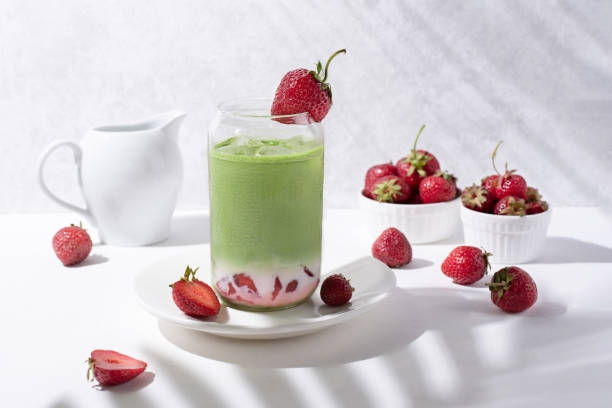
Strawberry matcha offers a nutritional profile that depends heavily on how it’s prepared, particularly the type of milk used and whether sweeteners are added. In its simplest form—matcha, strawberries, and unsweetened milk—it can be a relatively balanced beverage that provides energy, antioxidants, and micronutrients without excessive calories. Café-style versions, however, may contain significantly more sugar and calories due to syrups and sweetened creamers.
3.1 Macronutrients Overview
The calorie content of strawberry matcha typically ranges from 80–120 calories for a homemade, lightly sweetened version made with unsweetened plant milk, and 180–300+ calories for café-style drinks made with whole milk, strawberry syrup, or added sugar. Carbohydrates mainly come from strawberries and milk, providing natural sugars such as fructose and lactose, but added sugars from syrups can substantially increase total carb content and glycemic load.
Protein levels vary depending on the milk base: drinks made with dairy milk or soy milk generally provide 6–10 grams of protein, while almond or oat milk versions tend to be lower unless fortified. Fat content is usually modest, but it increases when whole milk, creamers, or coconut milk are used, contributing to satiety but also raising overall calorie density.
3.2 Micronutrients & Bioactive Compounds
Strawberry matcha is particularly valued for its bioactive compounds rather than its macronutrients alone. Matcha is rich in catechins, especially EGCG (epigallocatechin gallate), which are potent antioxidants linked to metabolic and cardiovascular health. Strawberries contribute vitamin C, supporting immune function, collagen synthesis, and antioxidant defense. One of the most distinctive aspects of matcha is the presence of L-theanine, an amino acid that works synergistically with caffeine to promote calm focus, reducing the jittery effect often associated with coffee. Together, the polyphenols from both matcha and strawberries help combat oxidative stress and may support long-term health by reducing inflammation and supporting cellular function.
4. Strawberry Matcha Health Benefits
4.1 Energy Without Jitters
Strawberry matcha provides a form of energy that is notably different from coffee or sugary energy drinks. Matcha contains caffeine, but because the whole tea leaf is consumed, the caffeine is released more slowly. This creates sustained energy rather than a rapid spike and crash. The presence of L-theanine, a naturally occurring amino acid in matcha, further moderates caffeine’s effects by promoting calm alertness, improved focus, and mental clarity. This combination allows many people to feel energized yet relaxed, making strawberry matcha suitable for productivity, studying, or light physical activity without nervousness or heart palpitations.
4.2 Antioxidant Support
One of the strongest health benefits of strawberry matcha comes from its antioxidant profile. Matcha is exceptionally rich in catechins, particularly EGCG, which has been widely studied for its role in reducing oxidative stress and supporting cellular health. Strawberries complement this by providing additional antioxidants such as anthocyanins and vitamin C, which help neutralize free radicals and support immune function. Together, these compounds create a synergistic antioxidant effect that may contribute to reduced inflammation and long-term disease prevention when consumed regularly as part of a balanced diet.
4.3 Metabolism & Fat Oxidation
Matcha has been associated with increased thermogenesis, the process by which the body burns calories to produce heat. Research suggests that the catechins in matcha, especially EGCG combined with caffeine, may enhance fat oxidation during physical activity. Strawberry matcha can support weight-related goals when prepared with minimal added sugar and consumed alongside a nutrient-dense diet. While it is not a fat-loss solution on its own, it can complement an active lifestyle by slightly increasing metabolic efficiency and reducing reliance on high-sugar energy beverages.
4.4 Blood Sugar & Appetite Control
Strawberries provide dietary fiber, which helps slow digestion and reduce rapid spikes in blood glucose when compared to sweetened syrups or fruit juices. When strawberry matcha is made with whole strawberries and unsweetened milk, it offers better blood sugar stability than many café-style drinks. The combination of fiber, protein from milk, and fat (depending on the milk used) supports satiety and appetite control, making strawberry matcha a more balanced option than sweetened lattes or frappés.
4.5 Skin & Wellness Benefits
The antioxidants in strawberry matcha also support skin and overall wellness. Vitamin C from strawberries plays a critical role in collagen synthesis, helping maintain skin elasticity and resilience, while matcha’s polyphenols help protect collagen from oxidative damage. Additionally, the anti-inflammatory properties of both matcha and strawberries may contribute to improved skin appearance and reduced signs of premature aging. When consumed regularly as part of a nutrient-rich diet, strawberry matcha can support both internal health and external skin vitality.
5. Calories in Strawberry Matcha (By Type)
Calories in strawberry matcha vary widely depending on preparation method, ingredients, and portion size. The biggest differences come from where it’s made (homemade vs café), the type of milk used, and how much sugar or syrup is added. Understanding these differences helps you enjoy strawberry matcha while staying aligned with your calorie or health goals.
Homemade vs Café Versions
Homemade strawberry matcha is typically much lower in calories because you control the ingredients. A basic homemade version made with unsweetened almond milk, matcha, and fresh strawberries can range from 60–120 calories per serving. Café versions often include strawberry syrup, sweetened milk, or creamers, pushing calories to 180–350+ calories, especially in large sizes.
Iced Strawberry Matcha Latte Calories
An iced strawberry matcha latte made at home usually contains 70–150 calories, depending on milk choice and whether any sweetener is added. Café-style iced versions often range from 200–300 calories due to flavored syrups, sugar-heavy strawberry purées, and whole milk. Ice itself adds no calories, but larger cup sizes encourage higher sugar content.
Hot Strawberry Matcha Calories
Hot strawberry matcha tends to be slightly higher in calories than iced versions when made with dairy milk, averaging 120–200 calories at home. Café hot versions can exceed 250–350 calories, especially if steamed whole milk and sweetened strawberry sauces are used. The warmth doesn’t change calorie content, but hot drinks are more often prepared with richer ingredients.
Sweetened vs Unsweetened Versions
Unsweetened strawberry matcha relies on the natural sweetness of strawberries and typically stays under 100–120 calories. Sweetened versions using honey, maple syrup, sugar, or flavored syrups can add 40–120 extra calories per serving. Many café drinks contain multiple sweeteners, which significantly increases total calories without adding fiber.
Low-Calorie vs Indulgent Versions
Low-calorie strawberry matcha uses unsweetened plant milk, fresh strawberries, and minimal or no added sugar, usually staying within 60–100 calories. Indulgent versions may include whole milk, strawberry syrup, whipped cream, or condensed milk, easily reaching 300–400+ calories. These versions function more like dessert beverages rather than daily wellness drinks.
Overall, strawberry matcha can be either a light, functional drink or a high-calorie treat depending entirely on ingredient choices, making it easy to customize for weight management, energy support, or occasional indulgence.
6. How to Make Strawberry Matcha (Step-by-Step)
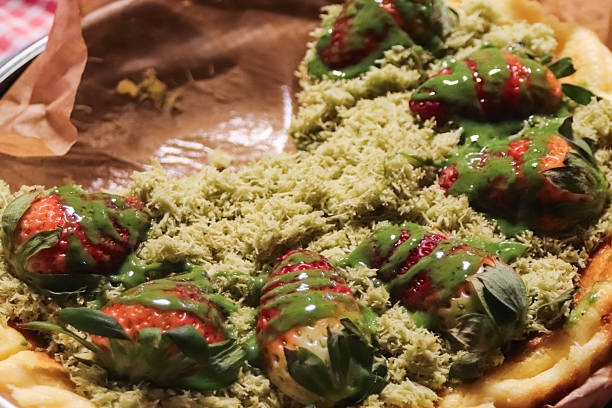
Making strawberry matcha at home allows full control over flavor, sweetness, and nutritional quality. The process involves three key elements: preparing the strawberry base, properly whisking the matcha, and assembling the drink using either a layered or blended method.
6.1 Basic Strawberry Matcha Latte
Required tools
You’ll need a matcha whisk (chasen) or a small electric frother, a small bowl or cup for whisking, a blender (if blending strawberries), a measuring spoon, and a tall glass for serving. A fine mesh sieve is helpful for sifting matcha to avoid clumps.
Ingredient ratios
A balanced base uses 1 teaspoon ceremonial or culinary-grade matcha, ½ cup milk or plant milk, ¼–½ cup strawberry purée, and ¼ cup warm water for whisking the matcha. Sweetener is optional and should be added sparingly to preserve the natural flavor balance between strawberries and matcha.
Layering vs blending methods
For a café-style layered drink, pour the strawberry base into the glass first, add ice and milk, then slowly pour the whisked matcha on top to create visible layers. For a smoother, uniform flavor, blend the strawberry base, milk, and matcha for a fully integrated latte with a consistent taste.
6.2 Best Matcha Preparation Method
Whisking technique
Always sift matcha before whisking. Add warm water and whisk in a fast “W” or “M” motion until a fine foam forms on the surface. Avoid circular stirring, which leads to clumping rather than emulsification.
Water temperature control
Use water heated to approximately 70–80°C (160–175°F). Water that is too hot destroys delicate catechins and intensifies bitterness, while water that is too cool prevents proper dissolution.
Preventing bitterness
Bitterness is usually caused by low-quality matcha, overheating, or excessive powder. Stick to measured amounts, avoid boiling water, and balance the drink with milk and strawberries rather than excess sweetener.
6.3 Strawberry Base Options
Fresh strawberry purée
Fresh strawberries blended with a small amount of water or milk provide the cleanest flavor and highest vitamin C content. This option is ideal for low-sugar and whole-food versions.
Frozen strawberries
Frozen strawberries create a thicker texture and colder drink, especially for iced versions. They are convenient, cost-effective, and nutritionally comparable to fresh berries.
Strawberry powder or compote
Strawberry powder offers convenience and long shelf life, but may lack fiber unless made from whole dried fruit. Strawberry compote delivers intense flavor but often contains added sugar, making it better suited for occasional or indulgent versions rather than daily consumption.
7. Strawberry Matcha Recipes (Core Section)
This section covers the most popular and practical strawberry matcha variations, from café-style drinks to functional, nutrition-focused options. Each recipe is designed to highlight the balance between matcha’s earthy bitterness and strawberry’s natural sweetness while serving different goals such as low calories, plant-based diets, or higher protein intake.
7.1 Classic Iced Strawberry Matcha Latte
The classic iced version is the most recognizable and visually appealing. It uses a strawberry purée base layered with milk and topped with freshly whisked matcha. The sweetness comes primarily from ripe strawberries, with minimal added sweetener if needed. Whole milk creates a richer mouthfeel, while oat milk provides natural sweetness and a creamy texture. This version is ideal for everyday enjoyment and café-style presentation.
7.2 Hot Strawberry Matcha Latte
The hot version focuses on comfort and cohesion rather than visual layering. Instead of a thick strawberry purée at the bottom, strawberries are lightly warmed and blended into the milk, then combined with whisked matcha. This prevents fruit separation and creates a smooth, unified drink. It works best with finely blended strawberries or strawberry powder and is ideal during colder months when iced drinks are less appealing.
7.3 Low-Calorie Strawberry Matcha
This variation prioritizes flavor with minimal calories. Fresh strawberries are used instead of syrups, and unsweetened almond milk or light oat milk keeps calorie content low. No added sugar is necessary if the strawberries are ripe, but a small amount of stevia or monk fruit can be used if desired. This version is suitable for weight management while still delivering antioxidants and sustained energy from matcha.
7.4 Strawberry Matcha Smoothie
The smoothie version is thicker, more filling, and higher in fiber. It blends matcha, strawberries, milk or plant milk, and optional add-ins like chia seeds or oats. This option works well as a light meal or breakfast replacement, offering longer satiety compared to a latte. Frozen strawberries enhance texture and eliminate the need for ice.
7.5 Vegan Strawberry Matcha Latte
The vegan version swaps dairy milk for plant-based alternatives such as oat, soy, or almond milk. Oat milk offers the closest creaminess to dairy, while soy milk increases protein content. Sweetness comes from strawberries or dates, keeping the recipe fully plant-based. This option retains the antioxidant and energy benefits of matcha without compromising on texture or flavor.
7.6 Protein Strawberry Matcha
This functional recipe is designed for post-workout recovery or as a meal replacement. It includes a neutral or vanilla protein powder that complements the flavor profile without overpowering the matcha. Greek yogurt or plant-based protein can be used, depending on dietary preference. The result is a balanced drink containing protein, antioxidants, and carbohydrates for muscle recovery and sustained energy.
Together, these recipes show how adaptable strawberry matcha is, ranging from indulgent café drinks to performance-focused blends, all while maintaining its signature flavor balance and health appeal.
Best Picks for Making Strawberry Matcha
Best for Smooth Texture
- Ninja BL660 Professional Countertop Blender — Crushes fruit + ice + seeds with ease.
Best Daily Smoothie Machine
- NutriBullet Personal Blender — Quick, simple, and ideal for morning strawberry matcha shakes.
Best Ingredients for Flavor & Health
- Premium Matcha Powder — Bright color and authentic matcha taste.
- BetterBody Foods Organic Chia Seeds — Helps you feel full longer.
- BetterBody Foods Superfood Organic Super Seeds Blend — Adds fiber, omega-3s, and texture.
8. Strawberry Matcha Variations & Customizations
Strawberry matcha is highly customizable, making it easy to adapt for different flavor preferences, dietary needs, and wellness goals. Below are the most popular and practical variations, along with how each one changes taste, texture, and nutrition.
Coconut Strawberry Matcha
This variation uses coconut milk or coconut cream to create a richer, tropical flavor. The natural fats in coconut milk enhance mouthfeel and make the drink more filling. It pairs especially well with iced versions and works best with lightly sweetened or unsweetened coconut milk to avoid overpowering the matcha.
Almond Milk Strawberry Matcha
Almond milk creates a lighter, lower-calorie version with a subtle nutty flavor. It allows the matcha’s earthy notes to stand out more clearly while keeping the drink refreshing. This option is ideal for those reducing calories or sugar while still enjoying a creamy texture.
Oat Milk Strawberry Matcha
Oat milk is one of the most popular choices for strawberry matcha due to its natural sweetness and thick consistency. It balances matcha bitterness well and requires little to no added sweetener. Oat milk is especially suitable for café-style lattes and layered iced drinks.
Strawberry Vanilla Matcha
Adding vanilla enhances sweetness without extra sugar and softens matcha’s grassy notes. This variation works well in both hot and iced versions and is ideal for beginners who find pure matcha too strong. Vanilla extract or vanilla protein powder can be used,
Depending on the recipe goal.
Strawberry Matcha Frappé
The frappé version is blended with ice for a frozen, dessert-like texture. It’s thicker and colder than a standard smoothie, making it popular in warmer weather. While naturally higher in calories if sweetened heavily, it can be lightened by using frozen strawberries and unsweetened milk instead of syrups.
Strawberry Matcha With Collagen or Fiber Add-Ins
Functional add-ins like collagen peptides or fiber powders turn strawberry matcha into a wellness-focused drink. Collagen supports skin and joint health without affecting flavor, while fiber (such as chia, inulin, or psyllium) improves satiety and blood sugar control. These add-ins are best blended to maintain a smooth texture.
These variations show how strawberry matcha can shift from indulgent to functional with simple ingredient changes, making it suitable for daily routines, fitness goals, or café-style enjoyment.
9. Best Ingredients for the Perfect Strawberry Matcha
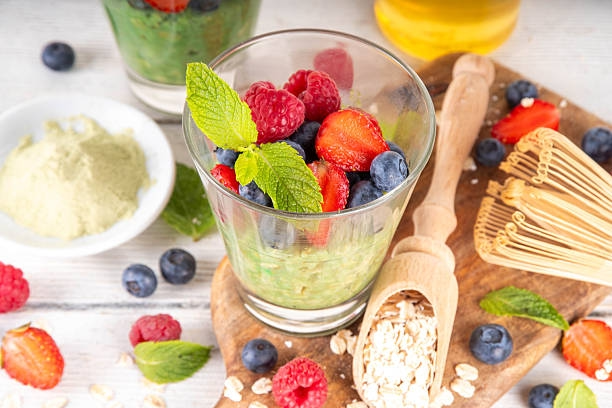
The quality of your ingredients directly determines the taste, color, and health benefits of strawberry matcha. Small upgrades here make a noticeable difference.
Choosing High-Quality Matcha (Why Grade Matters)
Use ceremonial or high-grade culinary matcha for the best flavor and color. Higher-grade matcha is brighter green, smoother, and less bitter, which is crucial when pairing with strawberries. Low-quality matcha tends to taste dull or overly astringent and can overpower the drink.
Read also I Drank Matcha and Green Tea for a Week—Here’s What I Noticed
Fresh vs Frozen Strawberries
- Fresh strawberries give a clean, vibrant flavor and are ideal for purées and layered café-style drinks.
- Frozen strawberries work best for smoothies and blended versions. They’re often picked at peak ripeness, making them naturally sweeter and more consistent year-round.
Both options are effective—choose based on texture and preparation method.
Milk Choices and Flavor Impact
Milk influences creaminess, sweetness, and calorie content:
- Whole milk creates the richest, café-style latte.
- Oat milk adds natural sweetness and thick texture, balancing matcha bitterness.
- Almond milk keeps calories low and flavor light.
- Coconut milk adds richness and a tropical note.
- Unsweetened versions are recommended for better sugar control.
Sweetener Options (Taste + Health Considerations)
- Honey: Natural sweetness with a floral note; dissolves well in warm drinks.
- Maple syrup: Smooth, caramel-like flavor that pairs well with matcha; good for iced lattes.
- Stevia: Zero-calorie option; use sparingly to avoid bitterness.
- Date syrup: Adds minerals and deeper sweetness; ideal for smoothie-style versions.
Choosing the right combination of matcha, strawberries, milk, and sweetener allows you to customize strawberry matcha for taste, calories, and wellness goals without compromising flavor.
10. Strawberry Matcha for Weight Loss
Strawberry matcha can support weight loss when prepared thoughtfully, but it can just as easily become a high-calorie dessert if made with the wrong ingredients. The key lies in balance, portion control, and timing.
When It Helps vs When It Hinders
Strawberry matcha helps weight management when it’s made with high-quality matcha, whole strawberries, and unsweetened milk, keeping added sugars low. In this form, it provides antioxidants, mild appetite control, and sustained energy that can reduce cravings for sugary drinks. It hinders weight loss when prepared with strawberry syrups, sweetened creamers, whipped toppings, or oversized portions, which quickly turn it into a calorie-dense beverage with little satiety.
Best Time to Drink Strawberry Matcha
The most effective time to drink strawberry matcha for weight-related goals is mid-morning or early afternoon. At these times, matcha’s calm caffeine can enhance focus and reduce snacking. Drinking it before light physical activity may also support fat oxidation. Late evening consumption is generally discouraged due to caffeine sensitivity, which can disrupt sleep and indirectly affect weight regulation.
Portion Control Strategies
Keep servings between 8–12 ounces for lattes and avoid multiple sweeteners in the same drink. Use measured amounts of matcha (½–1 teaspoon) and strawberries (¼–½ cup). Choosing higher-protein milk options or adding a small amount of fiber can increase satiety without significantly raising calories.
Common Mistakes That Increase Calories
The most frequent mistakes include using flavored strawberry syrups instead of real fruit, choosing sweetened milk by default, adding multiple sweeteners, and ordering large café sizes. Another common error is treating strawberry matcha as a meal replacement without adequate protein or fiber, which can lead to hunger soon after and increased overall calorie intake.
When prepared and consumed mindfully, strawberry matcha can fit well into a weight-loss routine while still feeling indulgent and satisfying.
Read also Moringa vs Matcha: Which Superfood is Right for You?
11. Who Should Drink Strawberry Matcha (and Who Shouldn’t)
Strawberry matcha can be a great fit for many people, but it’s not ideal for everyone. Understanding who benefits most—and who should be cautious—helps prevent unwanted side effects.
Ideal For
Strawberry matcha is well-suited for matcha lovers who want variety without losing matcha’s signature benefits. It’s also a good option for people reducing coffee intake, since matcha provides gentler, longer-lasting energy with fewer jitters. Those who enjoy aesthetic, café-style drinks will appreciate their layered appearance and balanced flavor, especially when made at home with clean ingredients.
Caution For
People with caffeine sensitivity may experience restlessness or sleep disruption, even though matcha is milder than coffee. Those with blood sugar concerns should avoid versions made with syrups or added sugars and stick to whole strawberries and unsweetened milk. Individuals with acid sensitivity may find strawberries mildly irritating when consumed on an empty stomach, so pairing strawberry matcha with food or using smaller portions is advisable.
As with any functional beverage, strawberry matcha is best enjoyed in moderation and tailored to individual tolerance and health needs.
12. FAQs About Strawberry Matcha
Is strawberry matcha healthy?
Yes, strawberry matcha can be healthy when made with high-quality matcha, real strawberries, and minimal added sugar. It provides antioxidants, vitamin C, and sustained energy, making it a better choice than sugary café drinks.
Does strawberry matcha contain caffeine?
Yes, it contains caffeine from matcha. A typical serving provides moderate caffeine—generally less than coffee—but with smoother, longer-lasting energy due to L-theanine.
Can strawberry matcha be made without sugar?
Yes. Using ripe strawberries and naturally sweet milk alternatives like oat milk often eliminates the need for added sugar. Zero-calorie sweeteners can also be used if desired.
Is strawberry matcha good for weight loss?
It can support weight loss when prepared with whole ingredients, controlled portions, and no syrups. It should complement a balanced diet, not replace nutrient-dense meals.
Can I drink strawberry matcha daily?
Most people can enjoy strawberry matcha daily in moderate amounts. Those sensitive to caffeine should limit intake to earlier in the day.
What milk works best for strawberry matcha?
Oat milk offers the best balance of creaminess and sweetness. Almond milk is ideal for lower calories, while dairy or soy milk provides more protein.
13. Common Strawberry Matcha Mistakes
Using low-quality matcha
Low-grade matcha is dull in color and overly bitter, which clashes with strawberries and often requires an extra sweetener to mask the taste. This reduces both flavor quality and health benefits.
Overheating matcha
Using boiling water destroys delicate compounds in matcha and increases bitterness. Matcha should be whisked with hot, not boiling, water to preserve antioxidants and maintain a smooth taste.
Too much strawberry syrup
Strawberry syrups are usually high in sugar and low in real fruit. Overusing them quickly turns strawberry matcha into a dessert drink and spikes calories without adding fiber or nutrients.
Unbalanced sweetness
Adding multiple sweeteners or sweetened milk on top of strawberries creates an overly sweet drink that masks matcha’s natural flavor. Balanced recipes rely on strawberries first, sweeteners second.
Skipping protein or fiber
Without protein or fiber, strawberry matcha may lead to quick hunger, especially if used as a snack or meal replacement. Adding yogurt, protein powder, or fiber-rich ingredients improves satiety and blood sugar stability.
14. Storage & Make-Ahead Tips
How long does strawberry purée lasts
Fresh strawberry purée can be stored in an airtight container in the refrigerator for up to 2–3 days. For longer storage, freezing the purée in small portions (such as ice cube trays) preserves flavor and nutrients for up to 2 months.
Can strawberry matcha be prepped in advance?
Strawberry matcha is best enjoyed fresh, but components can be prepared ahead. Strawberry purée and matcha can be stored separately, then combined just before drinking. Pre-mixing matcha with milk for long periods is not recommended, as it can lose flavor and develop bitterness.
Best containers for freshness
Use glass containers or BPA-free airtight bottles to prevent flavor absorption and oxidation. For on-the-go use, insulated bottles help maintain temperature and protect delicate matcha compounds from light exposure.
15. Finally: Is Strawberry Matcha Worth It?
Taste vs health balance
Strawberry matcha offers one of the best balances between indulgence and wellness. The natural sweetness of strawberries softens matcha’s earthy bitterness without relying on heavy sugars, making it far healthier than most flavored café drinks when prepared properly.
Best way to enjoy it long-term
The most sustainable approach is to keep recipes simple: high-quality matcha, real strawberries, unsweetened milk, and minimal sweetener. Rotating between iced, hot, and smoothie-style versions prevents flavor fatigue while maintaining nutritional benefits.
Who benefits most
Strawberry matcha is ideal for people who want steady energy without coffee crashes, enjoy functional beverages, or are transitioning away from sugary drinks. It’s also well-suited for those who value both flavor and aesthetics in daily routines.
Sustainable ways to include it in daily routines
Use strawberry matcha as a mid-morning or early-afternoon drink rather than a dessert replacement. Prep strawberry purée in advance, measure portions, and pair it with protein or fiber when needed. When used intentionally, strawberry matcha can be a flavorful, enjoyable habit that fits naturally into a healthy lifestyle.