
Turmeric supplements have become one of the most widely used herbal products in modern wellness, moving far beyond their traditional roots in cooking and Ayurveda. Once known mainly as a spice used in curries, turmeric is now commonly taken in capsule, tablet, or liquid form by people seeking support for inflammation, joint health, digestion, and overall well-being. This surge in popularity is driven by growing scientific interest in turmeric’s bioactive compounds and the desire for natural alternatives to conventional therapies.
At the centre of this interest is curcumin, the primary active compound found in turmeric. While turmeric powder contains many beneficial plant compounds, curcumin is the most researched for its antioxidant and anti-inflammatory properties. A key distinction often overlooked is that culinary turmeric contains only a small percentage of curcumin, which is why turmeric supplements typically use concentrated curcumin extracts rather than whole turmeric alone.
The shift from kitchen spice to supplement happened largely because curcumin is difficult for the body to absorb when consumed in food amounts. Turmeric supplements are formulated to address this challenge by concentrating curcuminoids and combining them with absorption enhancers such as black pepper extract (piperine) or advanced delivery systems like phytosomes and liposomal formulations. These innovations make curcumin more bioavailable and potentially more effective.
Interest in turmeric supplementation is primarily driven by its proposed role in managing chronic low-grade inflammation, supporting joint comfort, aiding digestion, and contributing to metabolic and cardiovascular health. While some of these benefits are supported by clinical research and others are still being explored, turmeric’s long history of traditional use, combined with emerging scientific data, has made it a staple in the supplement industry.
This guide is written for readers who want clear, evidence-based information rather than exaggerated claims. Whether you are considering turmeric supplements for the first time or already using them, understanding how they work, what the research actually shows, and how to use them safely is essential. Marketing labels can be confusing, and not all turmeric supplements are created equal.
Throughout this guide, you’ll find a comprehensive breakdown of turmeric and curcumin science, practical dosage guidance, safety considerations, potential side effects, and tips for choosing high-quality supplements. By the end, you’ll have the knowledge needed to decide whether turmeric supplementation aligns with your health goals and how to use it responsibly and effectively.
2. What Is a Turmeric Supplement?
A turmeric supplement is a concentrated form of compounds found in the turmeric root (Curcuma longa), designed to deliver more consistent and measurable amounts than food alone. While turmeric has been used for centuries in cooking and traditional medicine, supplements exist because the quantities used in meals are usually too small to produce the effects studied in research. Supplements allow manufacturers to control dosage, standardization, and absorption in ways that aren’t possible with culinary turmeric.
2.1 Turmeric vs Curcumin Explained
Turmeric root is made up of several naturally occurring components, including curcuminoids, aromatic essential oils, carbohydrates, fibre, and trace minerals. Curcuminoids are a group of compounds responsible for turmeric’s bright yellow colour, and among them, curcumin is the most biologically active and the most studied. In the whole turmeric root, curcumin typically makes up only about 2–5% by weight, which explains why very large amounts of turmeric would be needed to reach research-level doses.
Curcumin is considered the primary bioactive compound because it’s the component linked to turmeric’s antioxidant and anti-inflammatory activity in scientific studies. It interacts with multiple pathways related to inflammation, oxidative stress, and cell signalling. Because of this, most turmeric supplements don’t rely on raw turmeric alone—they use standardized extracts that contain a much higher concentration of curcuminoids, often 95%, to deliver a more predictable and potent dose.
Standardization is important because turmeric grown in different regions can vary widely in curcumin content. By extracting and standardizing curcumin, supplement manufacturers can offer consistent potency from capsule to capsule, which is critical for both research and real-world use.
2.2 Types of Turmeric Supplements
There are several types of turmeric supplements on the market, and understanding the differences can help you choose what fits your goals best. Whole turmeric powder capsules contain dried and ground turmeric root. These are closer to the food form and may include beneficial essential oils and other plant compounds, but they also provide relatively low curcumin levels and have limited absorption.
Curcumin extract supplements are the most common type. These products isolate curcuminoids from turmeric and concentrate them into standardized doses. While more potent, curcumin on its own is poorly absorbed by the body, which is why many formulations include additional ingredients to enhance bioavailability.
One of the most widely used enhancers is black pepper extract (piperine). Piperine can significantly increase curcumin absorption by slowing its breakdown in the liver and improving intestinal uptake. This combination is effective and affordable, but it may interact with certain medications, which is why it’s not ideal for everyone.
More advanced formulations focus on bioavailability-enhanced curcumin. Phytosome forms, such as Meriva®, bind curcumin to phospholipids, helping it integrate more easily into cell membranes. Other technologies include nanoparticle and liposomal curcumin, which encapsulate curcumin in tiny particles or lipid layers to improve stability and absorption.
You may also see branded formulations like BCM-95®, Theracurmin®, and Longvida®. These use proprietary methods to enhance absorption and retention in the body and are often backed by clinical studies specific to those formulations. While typically more expensive, they’re designed to deliver higher blood levels of curcumin with smaller doses.
In short, not all turmeric supplements work the same way. The form you choose—whole turmeric, curcumin extract, or a bioavailability-enhanced formula—can make a big difference in how much curcumin your body actually uses.
3. How Turmeric Works in the Body (Mechanisms of Action)
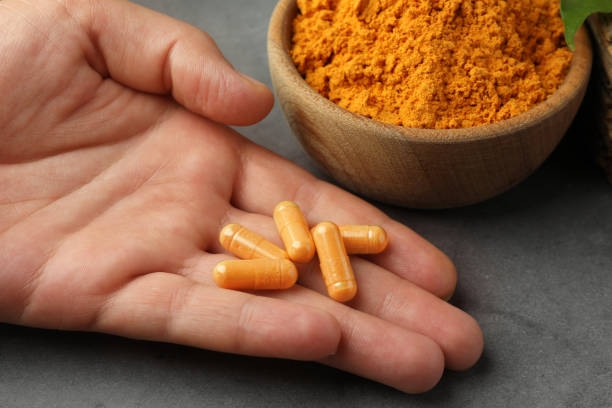
Turmeric supplements work in the body primarily through curcumin, the compound responsible for most of turmeric’s studied biological effects. Rather than acting like a single-target drug, curcumin influences multiple systems at once. This multi-pathway activity is one reason turmeric is often described as a “broad-spectrum” botanical. Still, it also explains why its effects tend to be subtle and gradual rather than immediate.
One of the most researched mechanisms is turmeric’s role in anti-inflammatory signalling, particularly its interaction with the NF-κB pathway, a central regulator of inflammation. Curcumin has been shown in laboratory and animal studies to inhibit NF-κB activation and related inflammatory mediators such as cyclooxygenase-2 (COX-2) and inducible nitric oxide synthase (iNOS), which are involved in chronic inflammatory processes.
In addition to modulating inflammatory pathways, turmeric exhibits noteworthy antioxidant activity. Curcumin directly scavenges free radicals and enhances the body’s own antioxidant defences by influencing enzymes like superoxide dismutase and glutathione peroxidase. A systematic review of randomized controlled trials found that curcumin supplementation significantly reduced inflammatory markers such as C-reactive protein (CRP), TNF-α, and IL-6, while improving markers of overall antioxidant activity.
Curcumin also affects inflammatory cytokines, the chemical messengers that regulate immune responses. By helping reduce levels of pro-inflammatory cytokines and influencing signalling pathways linked to immune activation, curcumin may contribute to a more balanced inflammatory response. This has been observed in models of various inflammatory conditions and is supported by comprehensive reviews of curcumin’s pharmacological actions.
Emerging research points to an interaction between curcumin and the gut microbiota, the community of microbes in the digestive tract. Gut bacteria metabolize Curcumin into bioactive compounds, and in turn, these metabolites can influence the composition and activity of the microbiota. Studies in animal models show that curcumin supplementation can reshape gut microbial structure and affect biochemical pathways related to intestinal health and inflammation.
Despite these promising mechanisms, bioavailability remains turmeric’s biggest limitation. Curcumin is poorly absorbed when taken orally, rapidly metabolized, and quickly eliminated, meaning only a small fraction reaches systemic circulation in its active form. This is why many turmeric supplements combine curcumin with absorption enhancers — such as black pepper extract (piperine) — or use specialized delivery systems to increase the amount available to the body. Continued research focuses on optimizing delivery technologies to improve therapeutic outcomes.
In practical terms, turmeric does not work like a fast-acting pain reliever. Its effects depend on consistent use, formulation quality, and individual biology. Understanding how turmeric works in the body helps set realistic expectations and highlights why supplement design matters as much as the ingredient itself.
4. Evidence-Based Benefits of Turmeric Supplements
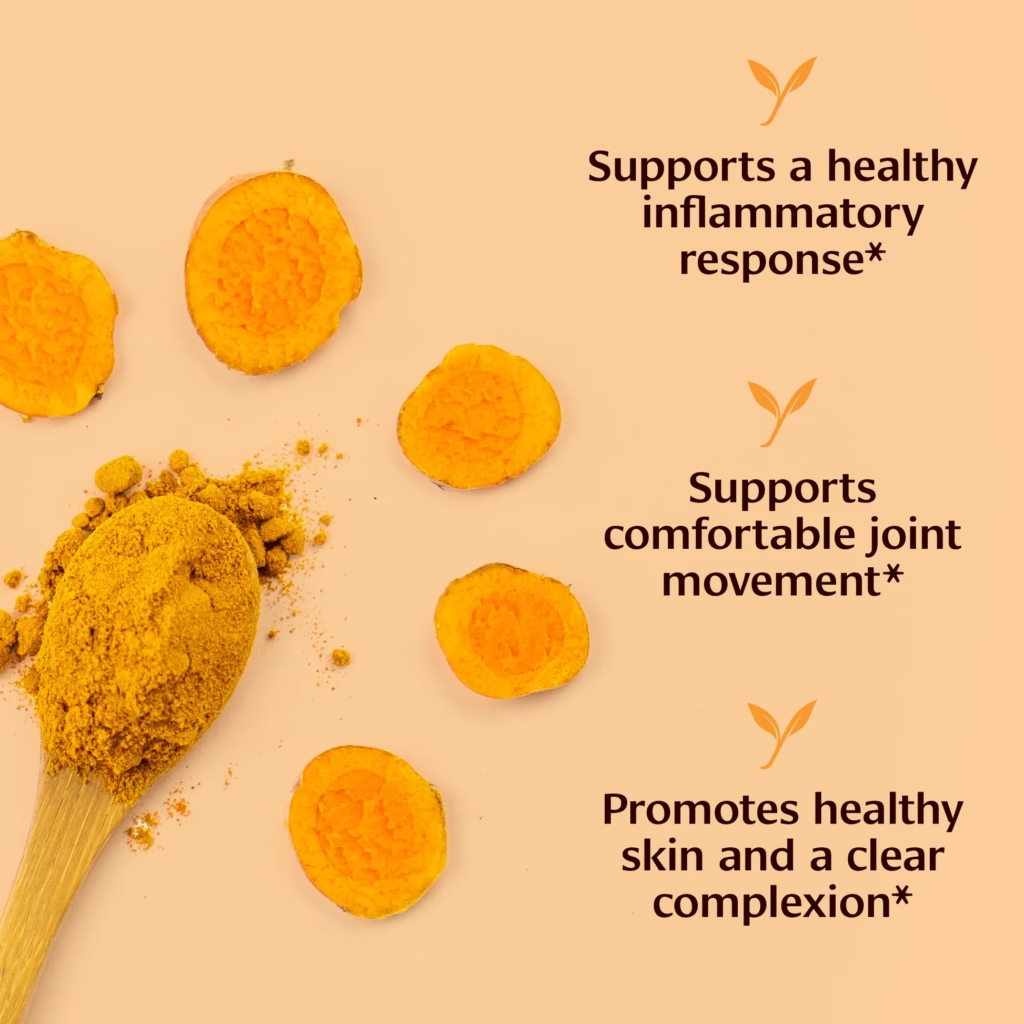
Turmeric supplements are most often used for their potential health benefits related to inflammation, pain, digestion, and overall metabolic support. While turmeric is not a cure-all, research suggests that standardized curcumin supplements can offer meaningful support in specific contexts—especially when used consistently and with realistic expectations.
4.1 Inflammation & Joint Health
The strongest evidence for turmeric supplements relates to inflammation and joint health, particularly in people with osteoarthritis. Multiple clinical studies have shown that curcumin supplementation may help reduce joint pain, stiffness, and functional limitation, especially in the knees. In several trials, curcumin performed similarly to low-dose nonsteroidal anti-inflammatory drugs (NSAIDs) for symptom relief, but with fewer gastrointestinal side effects.
That said, turmeric does not act as quickly as NSAIDs. Improvements in joint discomfort typically appear after 4 to 8 weeks of consistent supplementation. Turmeric works by gradually modulating inflammatory pathways rather than blocking pain signals outright. For people with mild to moderate joint issues, turmeric may be a useful long-term support option, but it is less effective for acute injuries or severe inflammatory flares.
4.2 Pain Management
Beyond joint pain, turmeric supplements have been studied for chronic pain conditions, muscle soreness, and post-exercise recovery. Some evidence suggests curcumin may help reduce delayed onset muscle soreness (DOMS) and low-grade chronic pain by lowering inflammatory markers and oxidative stress.
However, turmeric is not a general painkiller. It tends to work best for inflammation-driven pain, such as that associated with overuse, metabolic inflammation, or mild degenerative conditions. It is unlikely to provide meaningful relief for nerve pain, severe trauma, or pain caused by structural damage. Understanding this distinction helps avoid disappointment and misuse.
4.3 Digestive & Gut Health
Turmeric has a long history of use in digestive support, and modern research partially supports this tradition. Curcumin can stimulate bile production, which may aid fat digestion and support overall digestive efficiency. Some people report reduced bloating and improved digestive comfort with turmeric supplementation, particularly when taken with meals.
Research into turmeric’s role in IBS and inflammatory bowel conditions is mixed. While curcumin shows anti-inflammatory effects in the gut lining, results vary widely depending on formulation, dose, and individual gut health. Emerging evidence suggests turmeric may help support the gut barrier and positively influence the microbiome. Still, this area remains under active investigation and should not replace medical treatment for diagnosed GI conditions.
4.4 Cardiometabolic Health
Turmeric supplements have also been studied for their potential role in cardiometabolic health, including cholesterol management and vascular function. Some trials show modest reductions in total cholesterol, LDL cholesterol, and triglycerides, while others find minimal or no effect. These inconsistencies suggest turmeric may be supportive rather than transformative in this area.
Findings related to blood pressure are similarly modest and variable. Small reductions have been observed in some populations, but turmeric should not be considered a primary intervention for hypertension. More promising is curcumin’s potential effect on endothelial function, which plays a role in blood vessel health and circulation. These benefits appear subtle and are best viewed as part of a broader lifestyle approach.
4.5 Brain & Cognitive Health
Interest in turmeric’s effects on brain health comes from curcumin’s ability to cross the blood-brain barrier and influence neuroinflammation. Chronic neuroinflammation is increasingly linked to cognitive decline and mood disorders, and curcumin may help modulate inflammatory signalling in the brain.
Research also suggests curcumin may influence BDNF (brain-derived neurotrophic factor), a protein involved in neuron growth and plasticity. Low BDNF levels are associated with depression and cognitive impairment. While early findings are encouraging, human studies remain limited. Some small trials report improvements in mood and memory, but results are not yet strong enough to support definitive claims.
4.6 Immune System Modulation
Turmeric is often marketed as an immune “booster,” but this framing can be misleading. Curcumin appears to function more as an immune modulator, helping regulate immune activity rather than simply stimulating it. This distinction matters, especially for people with autoimmune conditions or chronic inflammation.
Turmeric may be helpful when the immune system is overactive or dysregulated, contributing to ongoing inflammation. However, during acute infections or in situations where immune activation is needed, turmeric may not always be beneficial and could theoretically blunt certain immune responses. As with most supplements, context and individual health status determine whether turmeric is supportive or counterproductive.
Read also The Complete Guide to Turmeric Oil: Nature’s Anti-Inflammatory Secret
Not sure how to use superfoods daily?
Get my Superfoods Smoothie & Meal Guide with easy recipes and simple meal tips.
5. What Turmeric Supplements Do Not Do (Important Reality Check)
With all the hype around turmeric supplements, it’s important to pause and set some realistic expectations. Turmeric can be a valuable addition to a wellness routine, but it is not a miracle solution—and understanding its limits actually helps people use it more effectively.
First, turmeric supplements are not a cure-all. While curcumin has been studied for inflammation, joint health, digestion, and metabolic markers, it does not “fix” underlying diseases on its own. Chronic conditions like arthritis, autoimmune disorders, or metabolic issues are complex and influenced by diet, lifestyle, stress, sleep, and medical care. Turmeric may support these areas, but it should be seen as adjunct support, not a standalone treatment.
Second, turmeric is not an instant pain reliever. Unlike NSAIDs, which block pain pathways quickly, turmeric works by gradually influencing inflammatory signalling. This means results—if they occur—often take weeks of consistent use, not hours or days. For acute pain, injuries, or severe flare-ups, turmeric should not be relied on as a replacement for medically appropriate pain management.
It’s also important to recognize that turmeric supplements are not equally effective for everyone. Some people notice meaningful improvements, while others feel little to no effect. This variation is normal and reflects differences in inflammation levels, gut health, liver metabolism, and how well curcumin is absorbed. Even high-quality supplements won’t produce the same outcome in everybody.
Finally, diet, absorption, and genetics matter more than most people realize. Curcumin absorption is naturally low, which is why formulations with black pepper extract or advanced delivery systems exist. A diet high in processed foods, sugar, and alcohol may blunt turmeric’s benefits, while a nutrient-dense, anti-inflammatory diet can enhance them. Genetics also play a role—enzymes involved in metabolism and inflammation differ from person to person, influencing how turmeric is processed and utilized.
In short, turmeric supplements are supportive tools, not shortcuts. When used consistently, with the right formulation and realistic expectations, they can play a helpful role—but they work best as part of a broader, well-designed health strategy.
6. Turmeric Supplement Dosage (Evidence-Based)
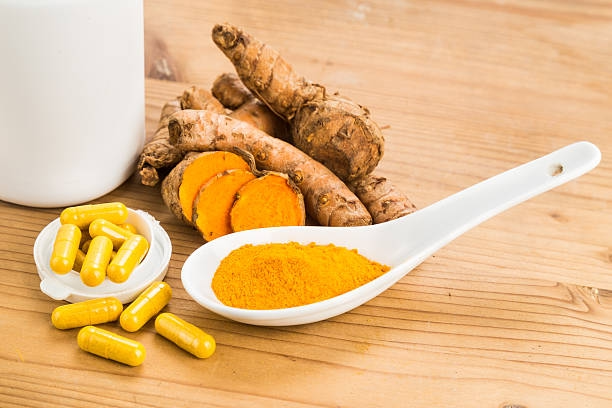
Getting the dosage right for turmeric supplements — especially those standardized for curcumin — is one of the most important factors in effectiveness and safety. Unlike culinary turmeric, concentrated supplements provide measurable levels of curcuminoids used in research, and matching doses seen in clinical studies help set realistic expectations.
6.1 Typical Dosage Ranges
Whole turmeric powder:
Whole turmeric (the dried root or spice) contains only around 2–6% curcuminoids and is not typically used as an effective therapeutic dosage on its own. To approach doses seen in clinical research, you would need very large amounts of the spice, which is impractical for most people.
Standardized curcumin extracts:
Most clinical studies use extracts standardized to about 95% curcuminoids, with total daily curcumin doses ranging from roughly 500 mg to 2,000 mg per day divided into two or three doses. Many trials targeting inflammation, joint comfort, or metabolic effects use doses around 1,000–1,500 mg per day as a common reference point.
Bioavailable formulations:
Highly absorbable forms (such as phytosomes, liposomal curcumin, or other engineered delivery systems) may be effective at lower doses because much more curcumin enters systemic circulation. Some research suggests that specialized forms can deliver equivalent blood levels with smaller amounts compared to standard extracts.
6.2 Dosage by Goal
Because curcumin absorption is limited and variable, the dose and formulation matter for different health goals:
Joint support:
Clinical evidence often uses around 1,000 mg/day of curcumin extract, typically split into two doses, to support joint comfort and functional movement.
Inflammation management:
Studies investigating systemic inflammation have used daily curcumin in the 700–1,000 mg range, generally taken over weeks to months to observe measurable effects.
Digestive comfort:
Doses vary widely in gut health research, and most evidence does not pin a universal curcumin dose for digestion alone. If digestive effects are a reason for use, staying within the 500–1,000 mg daily range (standardized extract) is a common starting point, with any adjustment guided by tolerance and results.
General wellness:
For broad antioxidant and metabolic support in otherwise healthy individuals, 500–1,000 mg per day of standardized curcumin is often recommended. Bioavailability-enhanced formulations may allow effective support at the lower end of this range.
6.3 How to Take Turmeric for Best Absorption
How you take curcumin greatly influences how much your body actually absorbs and uses.
With fat
Curcumin is a fat-soluble compound, which means it dissolves in dietary fats and is absorbed more efficiently when taken with meals containing healthy fats such as avocados, olive oil, nuts, or full-fat dairy. This approach mirrors what researchers and dietitians recommend in absorption-focused guides.
With black pepper (piperine)
Including black pepper extract (piperine) in a turmeric supplement can dramatically increase curcumin absorption — research indicates it may boost bioavailability by up to 2,000% compared with curcumin alone. Piperine works by slowing curcumin’s breakdown in the liver and improving its uptake in the gut.
Split dosing vs single dose
Dividing the total daily curcumin dose into two or three smaller doses across the day can help maintain more stable plasma levels, potentially improving overall exposure and effects compared with a single large dose. Clinically studied regimens often favour this approach.
Timing (morning vs evening)
There’s no universally “best” time of day to take turmeric, but timing it with meals — especially those containing some fat — helps with absorption. Some people find taking curcumin with breakfast and lunch works well for maintaining steady levels. In contrast, others prefer evening use if joint discomfort is worse at night—consistency and pairing with food matter more than specific clock time.
Key takeaway: Evidence suggests that standardized curcumin extracts at 500–2,000 mg per day, divided into multiple doses and taken with dietary fat and/or piperine, are most likely to support measurable benefits. Bioavailability-enhanced forms may achieve similar effects at lower nominal doses, and individual response can vary based on formulation, absorption, and health goals.
7. Safety, Side Effects & Drug Interactions
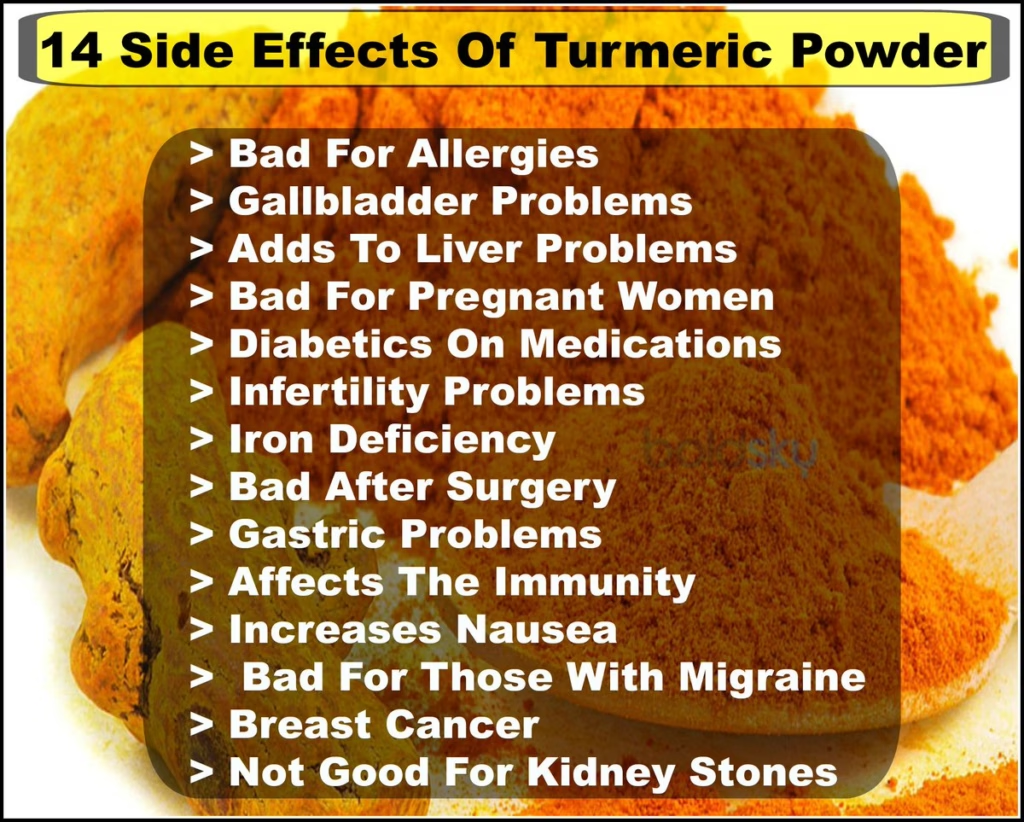
Turmeric supplements—especially curcumin-standardized or bioavailability-enhanced forms—are generally well tolerated at typical doses, but like all concentrated botanical extracts, they carry a risk profile that’s important to understand. These risks increase with higher doses, longer use, and interactions with certain health conditions or medications.
7.1 Common Side Effects
Even though many people take turmeric supplements without problems, mild side effects are relatively common at higher supplemental doses (especially above amounts used in food). The gastrointestinal (GI) tract is often the first system to respond. Nausea, bloating, acid reflux, diarrhoea, and stomach discomfort can occur, particularly when supplements are taken on an empty stomach or at very high doses. Headaches or dizziness are less common but have also been reported with curcumin supplements.
These symptoms are typically mild and transient, but if they persist or worsen, reducing the dose or stopping supplementation and consulting a healthcare provider is advisable.
7.2 Blood Thinning & Bleeding Risk
Curcumin has mild antiplatelet (blood-thinning) properties, which means it can interfere with normal clotting. While this effect is subtle in many people, it can become significant when combined with prescription anticoagulants or antiplatelet medications such as warfarin (Coumadin), aspirin, clopidogrel, or heparin.
Because of this effect:
- Turmeric supplements are often paused before surgery to reduce bleeding risk.
- People with bleeding disorders or taking blood thinners may experience easy bruising, prolonged bleeding, or unusually heavy menstrual bleeding.
If you’re on these medications or preparing for a procedure, talk to your clinician before using turmeric supplements.
7.3 Blood Sugar & Blood Pressure Effects
Curcumin may influence glucose metabolism and blood sugar regulation, which can be beneficial in some metabolic contexts. However, when taken alongside diabetes medications (e.g., metformin, insulin, glipizide), turmeric’s glucose-lowering effect could add to the medication’s effect and increase the risk of hypoglycemia (dangerously low blood sugar).
Similarly, curcumin’s interaction with blood pressure pathways might produce additive blood pressure-lowering effects in people already taking antihypertensive drugs. Close monitoring of blood sugar and blood pressure is recommended if you combine turmeric supplementation with these medications.
7.4 Liver Health & High-Dose Concerns
Turmeric and curcumin are usually considered safe at culinary amounts. Still, isolated case reports and supplement safety monitoring systems have identified liver injury associated with high-dose turmeric/curcumin supplements, especially those designed to increase absorption (e.g., combined with piperine or formulated for high bioavailability).
These reports describe elevated liver enzymes and symptoms such as fatigue, abdominal discomfort, dark urine, and jaundice. While such reactions are rare relative to the number of people taking turmeric supplements, they have been serious enough in some cases to require medical intervention. Regulatory and vigilance bodies have noted multiple reports of hepatitis potentially linked to turmeric/curcumin supplement use.
High doses and enhanced absorption formulas may expose the liver to greater systemic levels of curcumin, increasing the strain on hepatic metabolic pathways. For individuals with pre-existing liver conditions, hepatitis, or cholestasis (blocked bile flow), turmeric supplementation may pose a greater risk, and avoidance or medical supervision is strongly advised.
8. Who Should Avoid or Use Caution With Turmeric Supplements
While turmeric supplements can support wellness for many people, they aren’t appropriate for everyone. Certain conditions, life stages, and medication regimens increase the risk of side effects or interactions. Understanding these situations helps readers make safer choices and avoid unintended harm.
Pregnancy and Breastfeeding
Turmeric in normal food amounts is generally safe during pregnancy and breastfeeding, but high-dose supplements are not recommended due to limited safety data and theoretical risks. Concentrated curcumin may act as a uterine stimulant and could influence menstrual cycles or contractions, which raises concerns in early pregnancy. Because clinical studies are lacking, it’s safest to avoid therapeutic turmeric supplements during pregnancy and lactation unless guided by a healthcare provider.
Gallbladder Disease or Bile Duct Obstruction
Curcumin can stimulate bile production and gallbladder contraction, which may worsen symptoms in people with gallstones, bile duct obstruction, or cholangitis. This contraction in someone with existing gallbladder issues could trigger pain or complications, so turmeric supplements are generally discouraged for those with known gallbladder disease unless supervised by a clinician.
Iron Deficiency or Anaemia Risk
Turmeric and its active compounds can interfere with iron absorption when taken in significant amounts. For individuals with iron deficiency anaemia or those relying on iron supplementation, this could counteract treatment efforts and worsen the deficiency. Careful timing (e.g., taking iron and turmeric supplements hours apart) or professional guidance may be needed.
People on Multiple Medications
Turmeric’s biological activity can interact with various drugs, so caution is warranted for people taking multiple medications:
- Anticoagulants and antiplatelet drugs — because curcumin may increase bleeding risk when combined with warfarin, aspirin, clopidogrel, or similar agents.
- Antidiabetic medications — curcumin may contribute to blood sugar lowering, which could increase the risk of hypoglycemia when used with medications like insulin or sulfonylureas.
- Drugs metabolized by liver enzymes — curcumin may influence drug metabolism pathways (e.g., CYP450 enzymes), potentially altering the effectiveness or side effect profiles of certain cardiovascular, immunosuppressive, or psychiatric medications.
- Pre-surgery — due to its antiplatelet effects and potential influence on blood sugar, turmeric supplements are often stopped at least two weeks before surgery to reduce bleeding risk.
People with complex medical regimens should always consult a clinician before adding turmeric supplements to avoid unwanted drug interactions.
Read also I Tried Cooking Turmeric Rice for a Week—Here’s What Happened
9. Turmeric Supplement Forms Compared
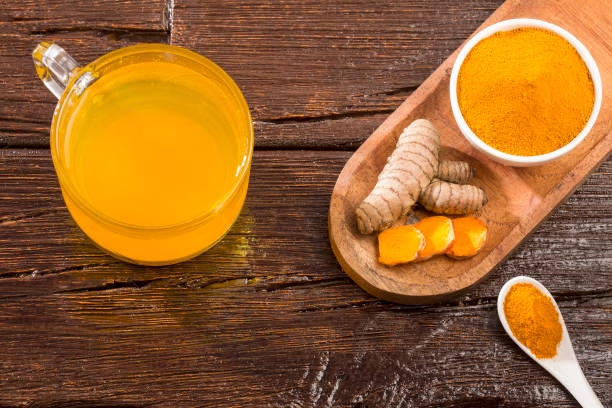
Turmeric supplements come in many forms, and understanding the differences helps readers choose one that best fits their goals, lifestyle, and absorption needs. Each form has advantages and limitations in terms of potency, convenience, and bioavailability.
Capsules vs Tablets
Capsules
Capsules are among the most popular turmeric supplement formats. They usually contain either turmeric powder or standardized curcumin extract, and they tend to dissolve quickly in the digestive tract. Because they often use fewer binders and fillers than tablets, capsules may offer better absorption for the active ingredients.
Pros:
- Easy to swallow
- Generally less processing than tablets
- Can contain oils or bioavailability enhancers
- Consistent dosing
Cons:
- The cost per dose can be higher than that of tablets
- Some people prefer chewable or liquid options
Tablets
Tablets are pressed pills that often include binders, stabilizers, and coatings to maintain shape and shelf life. While they can deliver the same active amount as capsules, tablets can take longer to break down, which modestly affects release timing.
Pros:
- Often lower cost per pill
- Longer shelf stability
- Easy to package with multi-ingredient formulas
Cons:
- Can dissolve more slowly than capsules
- More excipients (fillers) may be used
- Some people find them harder to swallow
Best fit:
- Capsules are a strong choice for most users seeking reliable absorption and fewer additives.
- Tablets may suit budget-focused buyers or those combining turmeric with other ingredients in a single product.
Powders vs Extracts
Turmeric Powder
Powdered turmeric is essentially ground root — similar to the spice used in cooking. While it includes a broader range of plant compounds (essential oils, fibre, and phytonutrients), the curcumin content is low (about 2–5% by weight), making it less effective for therapeutic use unless consumed in very large amounts.
Pros:
- More “whole plant” profile
- Often less expensive per weight
- Can be added to foods, smoothies, or teas
Cons:
- Curcumin doses per serving are low
- Requires larger amounts to approximate extract doses
- Poor bioavailability without enhancers
Turmeric/Curcumin Extracts
Extracts concentrate curcuminoids — especially curcumin — into a smaller, consistent dose. These are the forms most often used in clinical research because they deliver biologically relevant amounts of curcumin. Many commercial supplements standardize extracts to a high percentage (e.g., 95%) of curcuminoids.
Pros:
- High curcumin doses in small servings
- Easier to use consistently for research-based benefits
- Often paired with bioavailability enhancers
Cons:
- Higher cost per gram than simple powder
- Some people prefer whole-food formats
Best fit:
- Extracts are the most practical choice for people seeking evidence-based turmeric benefits.
- Powders may suit culinary users or those who want a less concentrated, “holistic” profile and are willing to consume larger amounts.
Liquids and Gummies (Pros & Cons)
Liquid Turmeric Supplements
Liquid extracts or tinctures dissolve curcumin in oil or a carrier liquid. They can be convenient and sometimes absorb more rapidly, but curcumin’s solubility remains a challenge without specialized formulation.
Pros:
- Easy to take
- Good for users who dislike pills
- Flexible dosing
Cons:
- Variable curcumin content by brand
- May use alcohol or sweeteners
- Stability and consistency can vary
Gummies
Gummies are chewable supplements that appeal especially to people who dislike pills. They’re popular for general wellness routines.
Pros:
- Easy and pleasant to consume
- Good for younger or older adults who avoid capsules/tablets
Cons:
- Often contain sugar or sweeteners
- Typically, lower curcumin content per serving
- May lack advanced bioavailability enhancers
Best fit:
- Liquids work well for people who want flexible dosing and dislike swallowing pills.
- Gummies are best for general wellness or occasional use, not for high-dose therapeutic goals.
Key Takeaway
No single form is objectively “best” for everyone — the right form depends on how much curcumin you want per dose, how easily you absorb it, and your personal preference for capsules, powders, or chewables. Most clinical evidence favours standardized extract formulations, particularly when combined with bioavailability enhancers such as piperine or phytosome complexes.
Not sure how to use superfoods daily?
Get my Superfoods Smoothie & Meal Guide with easy recipes and simple meal tips.
10. How to Choose a High-Quality Turmeric Supplement
Choosing a high-quality turmeric supplement matters as much as deciding to take turmeric in the first place. Because curcumin has low natural absorption and supplement quality varies widely, the label, formulation, and manufacturing standards can make the difference between a product that actually works and one that does very little.
10.1 Label Transparency Checklist
A reliable turmeric supplement should be clear and specific about what you’re getting. First, look for a standardized curcuminoid percentage. High-quality products usually state something like “standardized to 95% curcuminoids,” which tells you the active compounds have been concentrated and measured. Avoid labels that say “turmeric extract” without further detail.
Next, check for a clear dosage per serving. You should be able to easily see how many milligrams of curcumin or curcuminoids you’re taking per day, not just the weight of the capsule or blend. If the label only lists turmeric root weight, it’s difficult to know whether the dose is meaningful.
Finally, look for the presence of absorption enhancers. Because curcumin is poorly absorbed on its own, high-quality supplements usually include piperine (black pepper extract) or a bioavailability-enhanced form such as phytosome, liposomal, or branded curcumin complexes. If there’s no absorption strategy listed, the supplement may offer limited real-world benefit.
10.2 Quality & Safety Markers
Beyond the label, manufacturing and testing standards are critical for safety. One of the strongest indicators of quality is third-party testing, which means an independent lab has verified purity, potency, and contamination levels. Reputable brands often mention this directly on the label or website.
Heavy metal screening is especially important for turmeric supplements, as turmeric root can accumulate lead and other metals from soil. A trustworthy product should confirm testing for lead, arsenic, cadmium, and mercury.
The country of sourcing also matters. Turmeric is commonly grown in India and Southeast Asia, but responsible brands disclose where their raw material comes from and where the final product is manufactured. Transparency here signals better supply-chain control.
Lastly, look for GMP (Good Manufacturing Practice) certification. This indicates the supplement was produced in a facility that meets regulated quality and hygiene standards, reducing the risk of contamination or inconsistent dosing.
10.3 Red Flags to Avoid
Some marketing tactics should immediately raise caution. One common red flag is proprietary blends that hide exact ingredient amounts. If you can’t see how much curcumin you’re actually getting, it’s impossible to assess effectiveness.
Be sceptical of “mega-dose” marketing that promises extreme benefits from very high doses. More is not always better with curcumin, and excessively high doses may increase the risk of side effects without improving outcomes.
Finally, avoid supplements with no bioavailability strategy at all. Even a high curcumin dose may be largely wasted if the formulation doesn’t address absorption. Products that ignore this basic limitation often rely more on marketing than on science.
Bottom Line
A high-quality turmeric supplement is transparent, tested, and thoughtfully formulated. Clear dosing, standardized extracts, absorption enhancers, and third-party testing matter far more than flashy claims or oversized dose numbers. When in doubt, simplicity, clarity, and evidence-aligned formulation are usually the safest indicators of quality.
11. Turmeric Supplement vs Turmeric Spice
When deciding between a turmeric supplement and turmeric spice, it’s important to understand that they serve different purposes. Both come from the same root, but their concentration, bioactive content, and practical use in health routines are very different.
Bioactive Compound Comparison
Turmeric spice is the whole, dried, and ground turmeric root. It naturally contains curcuminoids, essential oils, fibre, and other plant compounds, but the curcumin content is relatively low, typically around 2–5% by weight. This makes culinary turmeric valuable for general nutrition and long-term dietary support, but less potent for targeted therapeutic goals.
Turmeric supplements, by contrast, are usually standardised extracts. These concentrates isolate curcuminoids—often to 90–95% curcumin—and are designed to deliver a much higher dose of bioactive compounds in a controlled way. Many supplements also include absorption enhancers, which dramatically increase how much curcumin actually reaches circulation.
Cost vs Potency
On the surface, turmeric spice is far more affordable. A jar of turmeric powder can last months and costs very little, making it a cost-effective way to add antioxidants and flavour to meals. However, reaching research-level curcumin doses using spice alone would require consuming impractically large amounts of turmeric daily.
Turmeric supplements are more expensive per unit, but they offer significantly greater potency per dose. For individuals using turmeric for joint support, inflammation management, or clinical-level benefits, supplements are often more efficient despite the higher upfront cost.
Culinary vs Therapeutic Use
Culinary turmeric is best viewed as a preventive, food-based approach. It supports overall dietary diversity, provides small amounts of antioxidants, and fits easily into daily meals such as curries, soups, smoothies, and golden milk.
Turmeric supplements are designed for therapeutic or targeted use, where consistency and dosage matter. Clinical studies on joint health, inflammation, and metabolic markers almost exclusively use standardised curcumin extracts—not culinary turmeric—because precise dosing is required to observe measurable effects.
Can You Use Both Together?
Yes, using both together is generally safe and can be complementary. Turmeric spice can be part of a daily diet, while a turmeric supplement provides a consistent, higher-dose curcumin intake for specific health goals. Combining the two does not pose a problem for healthy individuals, as long as total intake remains reasonable.
That said, people with medical conditions, those on blood-thinning or glucose-lowering medications, or anyone experiencing side effects should monitor total turmeric and curcumin intake and consult a healthcare professional if unsure.
Key Takeaway
Turmeric spice and turmeric supplements are not interchangeable—they are complementary tools. Spice supports general wellness through food, while supplements deliver concentrated curcumin for targeted, evidence-based outcomes. Choosing one—or using both—depends on whether your goal is culinary nutrition or therapeutic support.
12. Real-World Results: What Users Actually Experience
When people use turmeric supplements in real life — whether for inflammation, joint discomfort, or general well-being — outcomes vary widely. This diversity reflects the mixed results seen in clinical research, differences in supplement quality, dosage, and individual biology.
Who responds well:
Some users report noticeable improvements over time, especially for joint pain and mobility. Multiple systematic reviews and meta-analyses of randomised controlled trials suggest that turmeric extracts standardised for curcuminoids can significantly reduce pain and improve physical function in conditions like knee osteoarthritis, and in some cases perform similarly to common pain relievers such as NSAIDs. For example, in a pilot trial involving hand osteoarthritis, participants taking curcumin experienced measurable reductions in pain and improved functional scores after three months compared with placebo. These results are consistent with broader findings supporting curcumin’s anti-inflammatory effects in humans, though outcomes vary by study design and condition.
Alongside clinical data, many people tell personal stories of reduced stiffness or swelling, especially when turmeric/curcumin is used regularly and with an appropriate formulation (e.g., bioavailability-enhanced or paired with piperine). In some online discussions, individuals report reduced back or knee pain after a few weeks of supplementation, particularly when combined with other supportive health habits.
Who notices no effect:
Many users experience little to no noticeable change, especially over short trial periods. This aligns with the heterogeneity seen in clinical research; not all studies demonstrate significant improvements in inflammatory markers or symptom scores. Individual variation is common: people with milder symptoms or those whose inflammation isn’t a primary driver of their discomfort often see minimal benefit. Some users in community forums describe taking curcumin for several weeks with no perceptible changes in pain or energy.
Timeframe for noticeable benefits:
Real-world feedback and clinical research both support the idea that turmeric’s effects are not immediate. Because curcumin acts by modulating inflammatory pathways over time, noticeable benefits tend to emerge after several weeks of consistent daily use — often around 4–8 weeks or longer, depending on the individual and condition being targeted. Immediate results are uncommon, and short-term use (less than a month) may not be sufficient to observe meaningful changes.
Managing expectations realistically:
It’s important to view turmeric supplements as a supportive, not transformational, intervention. Benefits tend to be modest, particularly in the context of chronic inflammation or joint discomfort. Clinical evidence shows that turmeric can reduce pain and improve function compared with a placebo, but it’s rarely a complete solution on its own. Setting realistic expectations — that improvements may be subtle, gradual, and influenced by overall health, diet, and activity — helps people use turmeric supplements more effectively.
13. FAQs About Turmeric Supplements
Is turmeric safe for daily use?
For most healthy adults, turmeric supplements are considered safe for daily use when taken within evidence-based dosage ranges. Clinical studies have used curcumin doses ranging from a few hundred milligrams up to 1–2 grams per day for several months without serious adverse effects in most participants. That said, safety depends heavily on dose, formulation, and individual health status. High doses or highly concentrated extracts may increase the risk of gastrointestinal discomfort or interactions with medications, especially blood thinners. Daily use should always align with label instructions and medical guidance if you have underlying conditions.
How long does turmeric take to work?
Turmeric supplements do not work immediately. Because curcumin influences inflammatory and antioxidant pathways gradually, most people who respond begin to notice benefits after 2 to 8 weeks of consistent daily use. Joint discomfort and stiffness may take longer to improve than digestive comfort. Lack of noticeable effects in the first few weeks does not necessarily mean turmeric “isn’t working.” Still, it may indicate issues with absorption, dosage, or that inflammation is not the primary driver of symptoms.
Can turmeric cause weight loss?
Turmeric supplements are not weight-loss products, and there is no strong evidence that they cause direct or meaningful weight loss on their own. Some studies suggest curcumin may modestly influence metabolic markers, insulin sensitivity, or inflammation associated with obesity, but these effects are small and indirect. Any weight changes reported by users are more likely due to broader lifestyle changes rather than turmeric supplementation itself.
Is turmeric safe with coffee or tea?
Yes, turmeric supplements can generally be taken with coffee or tea without issue. There is no strong evidence of harmful interactions. However, curcumin absorption is best when taken with food containing fat, so pairing supplements with a meal is often more effective than taking them alongside a beverage alone. Very sensitive individuals may notice mild stomach irritation if turmeric is taken with caffeinated drinks on an empty stomach.
Can turmeric be taken long-term?
Long-term use of turmeric supplements appears safe for many people when doses remain moderate and products are high quality. Several studies have followed participants for 3–12 months without major safety concerns. However, long-term high-dose use may increase the risk of gastrointestinal issues, liver enzyme changes, or drug interactions in susceptible individuals. Periodic breaks, regular health monitoring, and choosing well-tested formulations can help reduce potential risks for long-term users.
14. Recommended Turmeric Supplements
Carefully selected based on formulation quality, absorption strategy, brand reputation, and user feedback — not exaggerated claims.
⭐ Best Overall Turmeric Supplement
Thorne Curcumin Phytosome (Meriva®)
👉 Available on Amazon
- Uses Meriva® curcumin phytosome, a clinically studied form with higher bioavailability than standard curcumin
- NSF Certified for Sport & third-party tested
- Free from gluten, dairy, soy, and artificial additives
Best for: People seeking a premium, research-backed turmeric supplement for overall inflammation and joint support.
🦴 Best Turmeric Supplement for Joint Health
Sports Research Turmeric Curcumin with BioPerine®
👉 Available on Amazon
- 95% standardized curcuminoids
- Includes BioPerine® (black pepper extract) to improve absorption
- Softgel form with organic coconut oil for better uptake
Best for: Joint stiffness, exercise recovery, and daily mobility support.
🚀 Best High-Absorption Curcumin Supplement
Doctor’s Best High Absorption Curcumin with BioPerine®
👉 Available on Amazon
- High-potency curcumin extract
- Clinically supported BioPerine® for enhanced absorption
- Non-GMO, gluten-free
Best for: Users who want strong absorption without paying premium-brand pricing.
💰 Best Budget Turmeric Supplement
Nutricost Turmeric Curcumin with BioPerine®
👉 Available on Amazon
- 95% curcuminoids at a lower cost per capsule
- Simple formulation with fewer extras
- Third-party tested
Best for: Beginners or long-term users who want affordability without sacrificing standardisation.
🌱 Best Clean-Label / Minimal Ingredients Option
Gaia Herbs Turmeric Supreme Extra Strength
👉 Available on Amazon
- Organic turmeric root extract
- Includes black pepper and ginger for synergistic support
- Liquid-phyto capsule, vegan, no synthetic fillers
Best for: Readers who prioritise organic sourcing and whole-plant formulations.