
Matcha cookies are a modern twist on classic cookies, made by incorporating matcha green tea powder into the dough. What makes them stand out from regular cookies is their unique combination of flavor, color, and functional appeal. Unlike traditional cookies that rely solely on sugar and butter for taste, matcha cookies offer a naturally vibrant green color and a more complex flavor profile that feels both indulgent and refined. They appeal to people who want something different from standard chocolate chip or sugar cookies, without straying too far from familiar comfort food.
The popularity of matcha cookies is closely tied to the broader rise of matcha in baking and desserts. Over the past decade, matcha has moved from niche tea culture into mainstream cafés, home kitchens, and social media-driven food trends. Bakers and dessert lovers have embraced matcha because it pairs well with sweet recipes while adding a perceived “better-for-you” angle, thanks to its antioxidant content and lower reliance on artificial coloring. Matcha cookies, in particular, have become a favorite because they’re easy to make, visually striking, and adaptable to many diets, including vegan and gluten-free.
In terms of flavor, matcha cookies are best described as earthy with a subtle bitterness that’s balanced by sweetness and fat from the cookie base. When done correctly, they don’t taste grassy or harsh. Instead, the matcha adds depth, slightly nutty notes, and a clean finish that keeps the cookies from tasting overly sweet. This balance is exactly why matcha works so well in cookies compared to other desserts—it enhances flavor without overpowering it.
This guide goes beyond a basic recipe. It explains why matcha behaves the way it does in baking, how to choose the right type of matcha, and how small adjustments affect taste, texture, and color. You’ll also learn practical baking tips, common mistakes that lead to bitter or dull cookies, and multiple recipe variations so you can tailor matcha cookies to your preferences and dietary needs.
2. What is Matcha, and why does it work in Cookies
2.1 What Matcha Is
Matcha is a finely ground green tea powder made from shade-grown tea leaves that are stone-ground into a vibrant green powder. Unlike regular green tea, where you steep the leaves and discard them, matcha lets you consume the entire leaf. That’s why its flavor is more concentrated, and its color is so bold. When added to cookie dough, matcha naturally gives cookies their signature green hue—no food coloring needed. The color intensity also acts as a quality clue: brighter green usually means fresher, better-tasting matcha.
2.2 Culinary vs Ceremonial Matcha (Important for Baking)
When it comes to baking, not all matcha is created equal—and that’s a good thing for your budget. Ceremonial-grade matcha is designed for drinking straight with water, so it’s smoother, more delicate, and much more expensive. For cookies, you don’t need that level of subtlety. Culinary-grade matcha is the better choice because it has a stronger, slightly more robust flavor that holds up well against sugar, butter, and flour. It’s also far more affordable. Using ceremonial matcha in cookies is usually overkill, since the baking process dulls some of the delicate notes you’re paying extra for.
3. Matcha Cookies Nutrition & Health Benefits
3.1 Nutritional Overview
Matcha cookies are still cookies, but their nutritional profile can vary a lot depending on the recipe. On average, one medium matcha cookie contains roughly 120–180 calories, mainly coming from carbohydrates and fats. The carbs usually come from flour and sugar, while fats come from butter or oil. Protein is present in small amounts, mostly from flour, eggs, or nut-based ingredients. Because matcha is made from whole tea leaves, matcha cookies do contain a small amount of caffeine. Still, it’s generally low—far less than coffee and usually not enough to cause jitters unless you’re very sensitive.
3.2 Potential Health Benefits
What sets matcha cookies apart from regular cookies is the matcha itself. Matcha is rich in antioxidants, especially EGCG (epigallocatechin gallate), which has been widely studied for its role in reducing oxidative stress. Matcha also contains L-theanine, an amino acid known for promoting a calm, focused type of energy. While baking reduces some of these compounds, a meaningful amount remains, especially if you use good-quality culinary matcha. Another advantage is flexibility: matcha cookies are often made with lower sugar levels because matcha’s natural bitterness balances sweetness, making it easier to reduce added sugar without sacrificing flavor.
3.3 Are Matcha Cookies Actually Healthy?
Matcha cookies can be a better choice when they’re made with mindful ingredients—less sugar, quality fats, and real matcha instead of artificial flavoring. In that case, they offer more nutritional value than standard sugar cookies. That said, they’re still a dessert, not a health food. If they’re loaded with refined sugar and butter, the health benefits are minimal. Simple swaps like using less sugar, whole-grain flour, almond flour, or natural sweeteners can noticeably improve the nutrition. Still, even then, matcha cookies are best enjoyed as a balanced treat rather than an everyday staple.
4. Key Ingredients for Perfect Matcha Cookies
4.1 Matcha Powder (Quality Matters)
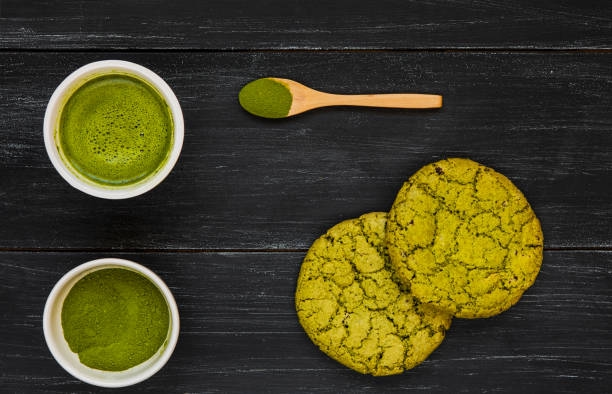
Matcha is the star ingredient, so quality really shows in the final cookie. Look for a bright, vibrant green powder—this usually means fresher leaves and better flavor. Dull, yellowish, or brownish matcha often tastes flat or overly bitter and can make cookies look muddy instead of appetizing. Low-quality matcha also tends to overpower the dough with harsh bitterness. For most cookie recipes, 1 to 2 teaspoons of culinary-grade matcha is enough. Using more doesn’t always mean better; too much matcha can easily tip the flavor from pleasantly earthy to unpleasantly bitter.
4.2 Flour Options
All-purpose flour is the most common choice and gives classic cookie structure with a soft center and lightly crisp edges. Almond flour creates a more tender, slightly chewy cookie with a subtle nutty flavor that pairs well with matcha, but it usually needs an egg or binder for structure. Gluten-free flour blends work well if they’re designed for baking; look for ones that already include a binder like xanthan gum to prevent crumbly cookies.
4.3 Sweeteners
White sugar keeps the flavor clean and lets the matcha shine, while brown sugar adds moisture and a mild caramel note that softens matcha’s bitterness. Coconut sugar gives a deeper, slightly earthy sweetness, though it will darken the cookie color. Maple syrup or honey can be used in softer, cake-style cookies, but they add moisture and may require reducing other liquids. Sugar-free alternatives like monk fruit or erythritol work, but they can change texture, making cookies crisper or drier if not balanced carefully.
4.4 Fats & Binders
Butter gives the richest flavor and classic cookie texture, with crisp edges and a soft center. Coconut oil creates a slightly denser, chewier cookie and adds a mild coconut note that some people enjoy with matcha. Eggs help bind ingredients and create structure, while flax eggs (ground flaxseed mixed with water) are a good plant-based alternative, resulting in slightly softer, more tender cookies. The type of fat you choose directly affects texture: solid fats like butter create structure, while liquid oils lead to smoother, more delicate cookies.
5. Essential Tools for Baking Matcha Cookies
You don’t need fancy equipment to make great matcha cookies, but the right tools make the process smoother and the results more consistent. A set of mixing bowls in different sizes is essential for separating wet and dry ingredients, and a sturdy silicone spatula helps you fold the dough gently without overmixing, which is especially important when working with matcha.
A hand mixer is perfectly sufficient for most home bakers and works well for creaming butter and sugar. A stand mixer is more convenient if you’re making larger batches or stiffer doughs, but it’s not required. The key is to mix just until combined to avoid tough cookies.
A flat, heavy-duty baking sheet ensures even heat distribution, while parchment paper prevents sticking and helps cookies bake more evenly without excess browning. Finally, a kitchen scale is one of the most underrated tools for baking. Measuring flour and matcha by weight instead of volume improves accuracy, reduces bitterness from over-measuring matcha, and gives you consistent results every time.
Read also The Ultimate Guide to Strawberry Matcha : Recipes, Benefits
6. Classic Matcha Cookies Recipe (Step-by-Step)
6.1 Ingredients List (Makes ~12 cookies)
- All-purpose flour: 1 ½ cups (180 g)
- Substitute: gluten-free 1:1 baking flour or almond flour (note: almond flour gives softer cookies)
- Culinary-grade matcha powder: 1½–2 teaspoons
- (1½ tsp = mild, 2 tsp = bold but not bitter)
- Baking soda: ½ teaspoon
- Salt: ¼ teaspoon
- Unsalted butter (softened): ½ cup (113 g)
- Substitute: coconut oil (solid, not melted) for dairy-free
- Brown sugar: ½ cup (100 g)
- White sugar: ¼ cup (50 g)
- (Brown sugar adds chewiness; white sugar adds crisp edges)
- Egg: 1 large, room temperature
- Substitute: 1 flax egg (1 tbsp ground flax + 2½ tbsp water)
- Vanilla extract: 1 teaspoon
Optional add-ins (keep minimal so matcha shines):
- White chocolate chips
- Macadamia nuts
6.2 Instructions
- Preheat oven to 175°C / 350°F. Line a baking sheet with parchment paper.
- In a bowl, whisk dry ingredients: flour, matcha powder, baking soda, and salt. This step is important to evenly distribute the matcha and avoid green streaks or bitter pockets.
- In a separate bowl, cream butter and sugars together until light and fluffy (about 2–3 minutes). This creates air, which helps cookies bake evenly.
- Add the egg and vanilla, mixing just until combined. Avoid overmixing at this stage.
- Gradually add the dry ingredients to the wet mixture. Mix on low speed or fold gently until no dry flour remains.
- If using add-ins, fold them in last.
- Scoop dough into 1½-tablespoon portions and place on the baking sheet, leaving space between cookies.
- Chill dough for 20–30 minutes if your kitchen is warm—this helps prevent excessive spreading.
- Bake for 10–12 minutes, until edges are set, but centers look slightly soft.
- Let cookies cool on the tray for 5 minutes, then transfer to a rack to finish cooling.
How to prevent spreading:
- Use softened, not melted butter.
- Chill the dough
- Avoid over-creaming the butter and sugar.
6.3 Texture Guide
- Soft & chewy cookies:
- Use more brown sugar than white sugar and bake for closer to 10 minutes. Remove cookies while centers still look slightly underbaked—they firm up as they cool.
- Crispy cookies:
- Increase white sugar slightly and bake 12–14 minutes until edges are golden. Flatten dough balls slightly before baking.
- Balanced bakery-style texture:
- Stick to the recipe as written and bake for 11–12 minutes for crisp edges and a soft center.
This base recipe is ideal for variations later (white chocolate matcha cookies, vegan matcha cookies, or gluten-free versions) while keeping the matcha flavor clean and not bitter.
Not sure how to use superfoods daily?
Get my Superfoods Smoothie & Meal Guide with easy recipes and simple meal tips.
Recommended Products for Making Perfect Matcha Cookies
These tools and ingredients help you achieve better color, balanced flavor, and consistent texture when baking matcha cookies.
🍵 1. Culinary-Grade Matcha Powder (Most Important)
A culinary-grade matcha is ideal for cookies because it’s designed to handle heat without turning bitter.
What to look for:
- Bright green color (not dull or yellowish)
- Labeled “culinary” or “baking” grade
- Finely ground powder for even mixing
Why it matters:
High-quality matcha gives cookies their signature green color and earthy flavor without overpowering bitterness.
🍪 2. Quality Baking Sheet (Even Baking)
A sturdy, non-stick or aluminized steel baking sheet helps cookies bake evenly.
Benefits:
- Prevents burnt bottoms
- Promotes even spreading
- Improves texture consistency
Tip: Pair with parchment paper to preserve color and prevent sticking.
🥣 3. Hand Mixer or Stand Mixer
While matcha cookies can be mixed by hand, a mixer improves consistency.
Why it helps:
- Better creaming of butter and sugar
- Even matcha distribution
- Less risk of overmixing
Ideal for bakers making cookies regularly or in larger batches.
🍯 4. Sugar Alternatives (Optional for Healthier Cookies)
For lower-sugar or diabetic-friendly versions, sugar substitutes can be used.
Common options:
- Monk fruit sweetener (zero-glycemic)
- Coconut sugar (lower GI than white sugar)
- Maple syrup (for softer cookies)
Note: Texture may vary slightly depending on the sweetener used.
⚖️ 5. Kitchen Scale (Precision Tool)
Matcha is potent — small measurement errors can cause bitterness.
Why a scale helps:
- Accurate matcha dosing
- Consistent results every batch
- Better balance between sweetness and earthiness
Especially useful for recipe testing and gluten-free baking.
7. Matcha Cookie Variations
7.1 Soft & Chewy Matcha Cookies
If your goal is that bakery-style softness, moisture control is everything. Use more brown sugar than white sugar, since brown sugar retains moisture and keeps cookies tender. Slightly underbake the cookies and let them finish setting on the tray. Adding 1 extra egg yolk (or 1 tablespoon milk for egg-free doughs) also boosts chewiness without making the cookies dense. Chilling the dough for at least 20 minutes helps keep the centers thick and soft.
7.2 White Chocolate Matcha Cookies
White chocolate pairs beautifully with matcha because its sweetness balances matcha’s earthy bitterness. Use high-quality white chocolate chips or chopped white chocolate bars rather than baking chips, which can taste overly sweet and flat. Reduce the sugar in the dough slightly to avoid overpowering the matcha flavor. For the best balance, keep matcha at 1½ teaspoons and white chocolate around ½ cup per batch.
7.3 Vegan Matcha Cookies
For egg-free cookies, a flax egg (1 tbsp ground flax + 2½ tbsp water) works well, while vegan butter or solid coconut oil replaces dairy butter. Coconut oil gives a softer texture but spreads more, so chilling the dough is especially important. If the cookies turn crumbly, add 1–2 tablespoons of plant milk to improve binding and moisture.
7.4 Gluten-Free Matcha Cookies
The easiest swap is a 1:1 gluten-free baking flour that already contains binders like xanthan gum. Almond flour alone works but produces softer, more fragile cookies, so it’s best combined with a GF blend. To improve structure, chill the dough longer and avoid overbaking. Slightly flattening the dough before baking also helps gluten-free cookies bake evenly.
7.5 Healthy / Low-Sugar Matcha Cookies
To lower sugar without sacrificing flavor, replace part of the sugar with coconut sugar, maple syrup, or a monk fruit blend designed for baking. Keep at least some real sugar to maintain texture. Using oat flour or almond flour can increase fiber and satiety, while dark chocolate or nuts add richness so the cookies still feel indulgent with fewer calories.
7.6 Matcha Chocolate Chip Cookies
Matcha and chocolate work best when neither dominates. Semi-sweet or dark chocolate chips (60–70%) provide contrast without masking matcha’s flavor. Avoid milk chocolate, which tends to overpower the green tea notes. Slightly increase vanilla and keep matcha at 1½–2 teaspoons to maintain a clean, balanced taste.
These variations let you customize matcha cookies for almost any dietary preference while keeping the flavor smooth, vibrant, and never bitter.
8. Common Matcha Cookie Mistakes And How to Fix Them
Bitter taste (too much matcha)
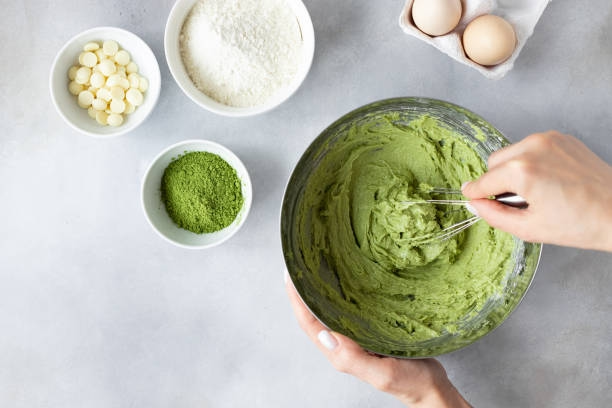
This is the most common issue with matcha cookies. Matcha is concentrated, and more is not better. Using more than 2 teaspoons per standard batch often leads to bitterness, especially with lower-quality matcha. Fix it by reducing the amount and balancing the flavor with enough fat (butter or oil) and a touch of vanilla. If bitterness persists, the problem is usually low-quality matcha, not the recipe.
Dull green color
A brownish or faded green cookie usually means the matcha is old, oxidized, or low-grade. High-quality culinary matcha should be bright, vibrant green. Heat can also dull the color, so avoid overbaking and don’t expose matcha to hot liquids before mixing it into the dough—store matcha in an airtight container away from light and heat to preserve color.
Dry or crumbly texture
Dry cookies often come from too much flour, not enough fat, or overbaking. Measure flour properly (spoon and level, or use a scale), and don’t reduce fats too aggressively when trying to make “healthier” cookies. Adding 1 tablespoon of milk or an extra egg yolk can restore moisture without changing flavor.
Flat cookies
Flat cookies usually mean the butter was too warm or the dough wasn’t chilled. Soft or melted butter causes the cookies to spread before setting. Chill the dough for 20–30 minutes, and make sure your baking soda or baking powder is fresh. Using parchment paper instead of greased pans also helps control the spread.
Overbaking
Matcha cookies should look slightly underbaked in the center when you pull them out of the oven. They continue to cook on the hot baking sheet after baking. Overbaking not only dries them out but also dulls the green color and intensifies bitterness. If in doubt, take them out early—soft centers set perfectly as they cool.
Read also I Drank Matcha and Green Tea for a Week—Here’s What I Noticed
9. How Much Matcha Is Safe in Cookies?
Matcha per serving
In most matcha cookie recipes, the amount of matcha used is modest and well within safe limits. A standard batch (10–12 cookies) typically contains 1 to 2 teaspoons of matcha powder, which works out to roughly ¼–½ teaspoon per cookie. This amount is enough to deliver flavor, color, and antioxidants without overwhelming taste or nutrition. From a dietary perspective, this is considered a low-to-moderate intake.
Caffeine considerations
Matcha does contain caffeine, but cookies provide much less than a drink. One teaspoon of matcha powder contains approximately 60–70 mg of caffeine, depending on quality and concentration. That means a single matcha cookie usually provides 10–20 mg of caffeine, far less than a cup of coffee. Most people can enjoy one or two matcha cookies without noticing stimulant effects, but caffeine-sensitive individuals may still feel mild alertness.
Safe daily intake
General guidance for matcha consumption suggests staying under 2–3 teaspoons of matcha powder per day from all sources combined (drinks, desserts, baked goods). When matcha is consumed in cookies, it’s unlikely you’ll approach this limit unless you’re also drinking matcha tea the same day. For most healthy adults, enjoying a few matcha cookies as part of a balanced diet is considered safe.
Who should limit matcha?
People who are highly sensitive to caffeine, pregnant or breastfeeding women, and those with anxiety, heart rhythm issues, or iron absorption concerns may want to limit matcha intake, even in baked goods. Because matcha is made from whole tea leaves, it can slightly interfere with iron absorption when consumed in large amounts. In these cases, enjoying matcha cookies occasionally rather than daily is the safest approach.
10. Storage & Shelf Life
How long do matcha cookies stay fresh?
Freshly baked matcha cookies typically stay at their best for 3–4 days at room temperature when stored properly. Softer, chewy cookies may begin to dry out after day three, while crisp-style matcha cookies can last up to 5–7 days without significant quality loss. The matcha flavor itself remains stable during this period, though aroma and texture slowly decline over time.
Best storage containers
For optimal freshness, store matcha cookies in an airtight container to protect them from air, moisture, and light, which can dull matcha’s color and flavor. Glass or BPA-free plastic containers with tight seals work well. If stacking cookies, place a sheet of parchment paper between layers to prevent sticking and moisture transfer. Avoid clear containers exposed to direct sunlight, as light can degrade matcha’s green pigments.
Freezing instructions
Matcha cookies freeze very well. Allow cookies to cool completely, then place them in a freezer-safe airtight container or zip-top bag. For best results, separate layers with parchment paper. Frozen matcha cookies maintain quality for up to 2–3 months. To prevent freezer burn, remove as much air as possible before sealing. You can also freeze raw matcha cookie dough, portioned into balls, for easy baking later.
Reheating tips
To refresh stored cookies, warm them briefly in a preheated oven at 150–160°C (300–325°F) for 3–5 minutes. This restores softness and enhances aroma without overbaking. Avoid microwaving for more than a few seconds, as it can make cookies rubbery. Frozen cookies can be thawed at room temperature for 15–20 minutes or reheated directly in the oven for the best texture.
12. FAQs About Matcha Cookies (SEO Boost)
Do matcha cookies taste bitter?
Matcha cookies should not taste bitter when made correctly. Bitterness usually comes from using too much matcha powder, low-quality matcha, or baking at excessively high temperatures. Culinary-grade matcha in the right amount provides an earthy, slightly grassy flavor that balances well with sweetness and fats like butter. Proper mixing and avoiding overbaking also help keep the flavor smooth.
Can I use ceremonial matcha?
Yes, you can use ceremonial-grade matcha, but it’s generally not recommended for cookies. Ceremonial matcha is designed for drinking and is more delicate and expensive. Baking heat reduces its nuanced flavor, making culinary-grade matcha the better choice for cookies. Culinary matcha is more robust, cost-effective, and holds up better during baking.
Are matcha cookies caffeinated?
Yes, matcha cookies do contain caffeine, but the amount is relatively low. A typical matcha cookie contains only a small fraction of the caffeine found in a cup of matcha tea or coffee. Most people won’t feel noticeable stimulation, but those who are caffeine-sensitive may want to limit portions or avoid eating matcha cookies late in the evening.
Can I make matcha cookies without sugar?
Yes, matcha cookies can be made without refined sugar by using alternatives like monk fruit sweetener, erythritol, stevia blends, or small amounts of maple syrup or honey. Keep in mind that sugar affects texture and browning, so sugar-free versions may be slightly less chewy or softer. Adjusting fat and moisture levels helps maintain good texture.
Why are my matcha cookies brown?
Brown matcha cookies are usually the result of low-quality matcha, excessive heat, or overbaking. Matcha is sensitive to heat and oxidation, which can dull its green color. Using fresh, high-quality culinary matcha, baking at moderate temperatures, and removing cookies as soon as the edges set will help preserve a vibrant green color.
Not sure how to use superfoods daily?
Get my Superfoods Smoothie & Meal Guide with easy recipes and simple meal tips.