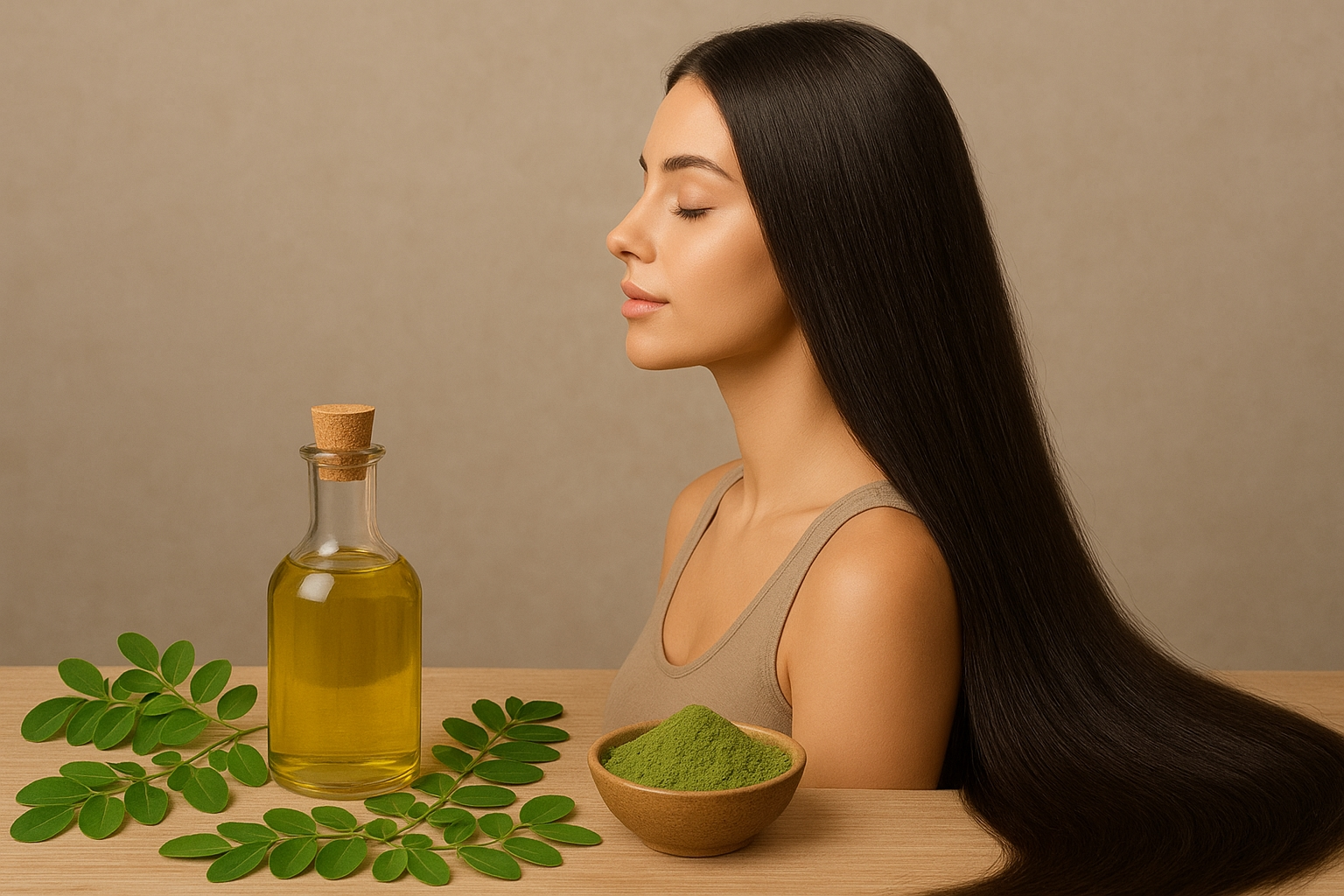
Moringa for hair growth has become one of the most talked-about natural remedies in recent years — and for good reason. Known as the “miracle tree,” Moringa is packed with vitamins, minerals, and antioxidants that nourish your scalp, strengthen hair roots, and promote new growth from within. Unlike chemical-based treatments that often cause buildup or dryness, Moringa works in harmony with your body to restore balance and vitality naturally.
The pursuit of strong, healthy hair is a universal goal, yet for many, it remains an elusive one. With issues like hair loss affecting a vast number of people—approximately 50 million men and 30 million women in the United States alone—the search for effective solutions is more pressing than ever. Amid a sea of synthetic treatments, a powerful natural alternative is gaining recognition for its remarkable benefits: Moringa.
hat makes Moringa truly special is its rich nutrient profile — loaded with vitamin A, zinc, iron, and biotin-like compounds, all of which are essential for healthy hair follicles. Whether you’re dealing with thinning, breakage, or a dull scalp, Moringa offers a gentle yet effective way to bring your hair back to life.
The Quest for Vibrant Hair: Why Natural Solutions Matter
As consumers become more discerning about ingredients, the demand for natural and sustainable hair care has surged. The appeal lies in using ingredients that work in harmony with the body’s own processes, minimizing exposure to harsh chemicals and supporting long-term health. Natural solutions often provide a holistic benefit, nourishing the body from the inside out to address the root causes of hair concerns, not just the symptoms.
Moringa: Nature’s Answer to Hair Growth Challenges
Moringa oleifera, often called the “miracle tree,” is a nutrient-dense plant that has been used for centuries in traditional medicine. Packed with essential vitamins, minerals, and antioxidants, it offers a comprehensive approach to hair wellness. From strengthening follicles to improving scalp health, Moringa provides the fundamental building blocks required for robust hair growth, making it a standout ingredient in the world of natural hair care.
What You’ll Discover in This Guide: Science-Backed Insights and Practical Methods
This guide moves beyond anecdotal claims to provide a complete overview of Moringa for hair growth. We will delve into the science explaining how its unique nutritional profile fuels hair health, explore practical methods for incorporating it into your routine, and set realistic expectations for achieving visible, lasting results. Whether you’re battling hair loss, dandruff, or simply seeking more vibrant strands, you’ll find the evidence-based information needed to harness Moringa’s full potential.
Understanding Moringa: The “Miracle Tree” for Hair Health
To appreciate how Moringa benefits hair, it’s essential to understand the plant itself. Its reputation as a superfood is well-earned, rooted in a rich history and an even richer nutritional composition that has captured the attention of health and wellness communities worldwide.
What is Moringa Oleifera?
Moringa oleifera is a fast-growing, drought-resistant tree native to the Indian subcontinent. Nearly every part of the plant—from its leaves and pods to its seeds and roots—is edible and offers medicinal value. The most commonly used parts for health and beauty are the leaves, which are dried to create a fine powder, and the seeds, from which nutrient-rich Moringa oil is extracted. Its rising popularity is reflected in its market value; the global moringa products market was valued at USD 8.78 billion in 2024 and is expected to continue its significant growth.
Why Moringa is Touted as a Superfood for Overall Health
Moringa’s “superfood” status comes from its incredibly dense nutritional profile. It contains significant amounts of vitamins A, C, and E, essential minerals like iron, zinc, and calcium, and all nine essential amino acids, making it a complete protein source. Its potent combination of antioxidants and anti-inflammatory compounds further contributes to its ability to combat cellular damage and support overall wellness, creating the perfect internal environment for healthy hair to thrive.
The Science Behind the Strands: How Moringa Fuels Hair Growth
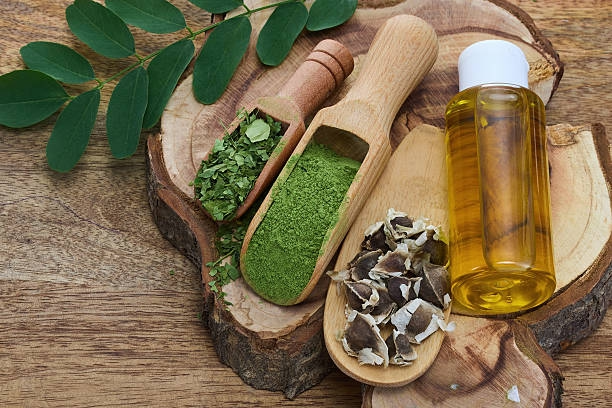
Moringa’s effectiveness isn’t magic; it’s science. The plant’s dense concentration of bioactive compounds directly addresses the key biological processes involved in hair growth, from cellular repair to nutrient delivery.
Essential Nutrients: Building Blocks for Strong, Vibrant Hair
Hair is primarily made of a protein called keratin. Its production and strength depend on a steady supply of specific nutrients, many of which are abundant in Moringa.
- Vitamins: Vitamin A is crucial for cell growth, including hair cells. Vitamin C is a powerful antioxidant that helps create collagen, a protein that strengthens hair. Vitamin E improves blood circulation and protects cells from damage.
- Minerals: Moringa is a rich source of iron and zinc. Iron deficiency is a major cause of hair loss, as it disrupts the nutrient supply to the follicles. Zinc plays a vital role in hair tissue growth and repair, helping to keep the oil glands around the follicles working properly.
- Amino Acids: As a complete protein, Moringa provides the amino acid building blocks necessary for producing strong keratin, reducing brittleness and breakage.
Combating Oxidative Stress: Protecting Hair Follicles from Damage
Hair follicles are constantly under assault from free radicals generated by UV exposure, pollution, and stress. This oxidative stress can damage follicular cells and lead to premature hair thinning and loss. Moringa is packed with a powerful antioxidant arsenal, including flavonoids, polyphenols, and ascorbic acid. These compounds neutralize free radicals, creating a protective shield around the follicles and ensuring they remain healthy and productive.
Enhancing Cellular Energy: Moringa’s Role in Follicle Vitality
For hair follicles to remain in the active growth (anagen) phase, they require significant energy. Moringa contains B vitamins, which are essential for energy metabolism. By helping convert nutrients into usable energy, these vitamins ensure that hair follicles have the fuel they need to produce strong, healthy hair fibers and sustain a healthy growth cycle.
Boosting Blood Circulation: Nourishing Hair from the Roots
Proper blood flow to the scalp is non-negotiable for healthy hair growth. It’s the delivery system for all the oxygen and nutrients that hair follicles need to thrive. The Vitamin E and iron in Moringa help improve circulation, ensuring that the vital nutrients consumed or applied topically can effectively reach the hair roots. This enhanced nourishment strengthens the follicles and encourages more robust growth. In fact, scientific research has highlighted its potential; a study in the “Journal of Pharmaceutical and Biomedical Sciences” showed that Moringa Oleifera leaf extract can exhibit effective hair growth activity, lending clinical weight to its traditional use.
How Hair Growth Works — Quick Science Primer
To understand how Moringa for hair growth actually helps, it’s important to first know how the hair growth cycle works. Each strand of hair grows from a tiny pocket in your scalp called a hair follicle, which moves through three main phases:
- Anagen phase (growth phase): This is when your hair actively grows, typically lasting 2–7 years.
- Catagen phase (transition phase): The follicle begins to shrink and detach from the blood supply.
- Telogen phase (resting phase): Hair growth stops, and the old strand eventually falls out to make way for a new one.
Healthy, consistent hair growth depends on how long your follicles stay in the anagen phase and how well they are nourished. This is where hair follicle nutrition becomes critical. Your follicles need a steady supply of vitamins (A, C, E), minerals (zinc, iron), protein, and omega fatty acids to grow strong, resilient hair.
One of the biggest causes of hair thinning is DHT (dihydrotestosterone) — a hormone linked to DHT and hair loss. When DHT binds to scalp follicles, it shortens the anagen phase and leads to miniaturized, weaker strands. Alongside that, inflammation, oxidative stress, and poor scalp circulation further damage hair follicles, slowing regrowth.
That’s why multi-nutrient support matters more than single-ingredient fixes. Instead of targeting just one cause (like DHT or iron deficiency), your body needs a balanced mix of antioxidants, vitamins, and minerals to maintain a healthy scalp environment. Moringa provides exactly that — a natural combination of nutrients that protect against oxidative stress, improve blood flow, and help extend the anagen phase for thicker, stronger hair over time.
Practical Applications: How to Integrate Moringa into Your Haircare Routine
Harnessing Moringa’s benefits is straightforward, as it can be used both topically and internally. The growing trend toward natural solutions is clear, with the global natural hair care products market projected to reach USD 16.99 Billion by 2030. Integrating Moringa into your routine aligns with this powerful consumer shift.
Moringa Hair Oil: Topical Nourishment for Scalp and Strands
Moringa Oil, pressed from the seeds of the Moringa oleifera tree, is a light, absorbent oil rich in oleic acid, a monounsaturated fatty acid that penetrates the hair shaft and scalp.
- How to Use: Gently massage a few drops of warm Moringa Oil directly into your scalp using circular motions for 5-10 minutes. This stimulates blood flow. You can also apply it to the lengths of your hair to seal in moisture and reduce split ends. Leave it on for at least 30 minutes or overnight before shampooing.
- Benefits: It moisturizes a dry scalp, combats dandruff, and delivers nutrients directly to the follicles. Its emollient properties also soften hair and add a natural shine.
Moringa Powder Hair Masks: Deep Conditioning and Targeted Scalp Treatment
Moringa powder, made from dried Moringa leaves, is a potent concentrate of the plant’s vitamins and minerals. When used as a mask, it provides an intensive treatment.
- How to Make a Mask: Mix 1-2 tablespoons of moringa powder with a carrier like yogurt, aloe vera gel, or a small amount of water to form a smooth paste. For extra nourishment, add a teaspoon of Moringa oil or honey.
- How to Use: Apply the paste evenly to your scalp and hair, from root to tip. Cover with a shower cap and let it sit for 20-30 minutes. Rinse thoroughly with lukewarm water, then follow with your regular shampoo and conditioner.
- Benefits: This mask detoxifies the scalp, strengthens hair from the root, and provides a deep conditioning treatment that improves texture and manageability.
Internal Consumption: Nourishing Hair from Within
True hair health starts from the inside. Consuming Moringa ensures your body has a systemic supply of the nutrients needed for hair growth.
- Moringa Powder: Add a teaspoon of moringa powder to smoothies, juices, or even sprinkle it over salads and soups. Its earthy, spinach-like flavor blends well with many foods.
- Moringa Supplement: For a more convenient option, Moringa is available in capsule form. This provides a consistent, measured dose.
- Moringa Tea: Steep dried Moringa leaves or a teaspoon of powder in hot water for a nourishing, caffeine-free tea.
Addressing Specific Hair & Scalp Concerns with Moringa
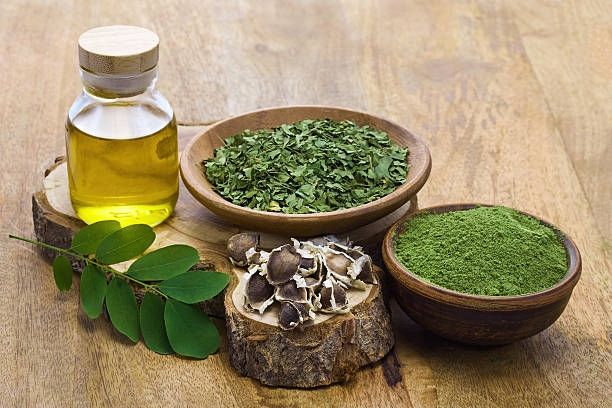
Moringa’s multifaceted profile allows it to target a range of common hair and scalp issues effectively, from thinning and shedding to irritation and dryness.
Tackling Hair Loss and Promoting Hair Density
Hair loss is often linked to nutrient deficiencies and poor scalp health. Moringa directly counters this with its rich supply of iron and zinc, two minerals critical for preventing shedding. By improving nutrient delivery to the follicles and extending the anagen (growth) phase of the hair cycle, Moringa helps reduce hair fall and encourages the growth of new, stronger strands, leading to improved density over time.
Soothing Scalp Irritation and Dandruff
A healthy scalp is the foundation of healthy hair. Conditions like dandruff and scalp inflammation are often caused by fungal overgrowth or dryness. Moringa’s potent anti-inflammatory and antimicrobial properties help calm irritation and rebalance the scalp environment. The moisturizing fatty acids in Moringa Oil also alleviate dryness and flakiness, creating optimal conditions for hair growth. This focus on scalp care is increasingly important, as evidenced by the fact that in 2024-2025, scalp serums grew by 11.7% YoY.
Strengthening Strands and Preventing Split Ends
Brittle hair that is prone to breakage and split ends is a sign of a weakened hair structure. The complete amino acid profile in Moringa provides the raw materials needed to build resilient keratin fibers. Regular use of Moringa, both internally and topically, fortifies the hair shaft, improves elasticity, and reduces the likelihood of damage, resulting in smoother, stronger hair.
Enhancing Shine and Moisture Retention
Dull, dry hair often lacks moisture. Moringa oil’s high oleic acid content allows it to deeply penetrate the hair shaft, replenishing lost moisture without leaving a greasy residue. This helps to smooth the hair cuticle, which in turn enhances light reflection, giving hair a vibrant, healthy shine.
Maximizing Your Results: Tips, Timelines, and Expectations
While Moringa is a powerful tool for hair health, achieving the best results requires consistency, patience, and realistic expectations.
What to Expect: Realistic Timelines for Visible Changes
- 1-2 Months: You may notice initial changes like reduced shedding, less scalp irritation, and improved hair softness and shine.
- 3-6 Months: This is typically when more significant results, such as increased thickness and new growth (often visible as “baby hairs” along the hairline), become apparent.
- 6+ Months: With continued use, you can expect to see sustained improvements in hair density, strength, and overall health.
What the Research Actually Shows
When it comes to using Moringa for hair growth, it’s not just ancient tradition or word-of-mouth — growing scientific evidence supports its potential benefits. Let’s look at what the research and studies reveal so far across animal, in vitro, and human trials.
1. Animal Studies: Strengthening Hair Follicles from Within
Several animal studies have explored Moringa’s role in promoting hair growth and protecting scalp health.
A study published in the Journal of Pharmacy & BioAllied Sciences (2018) found that mice treated with Moringa oleifera leaf extract showed significant improvement in hair regrowth, comparable to the results of Minoxidil — a well-known hair growth medication. Researchers attributed this effect to Moringa’s high levels of vitamins A and E, along with polyphenols that reduce oxidative stress in the hair follicles.
Another animal study in Pharmacognosy Research (2017) observed that Moringa seed oil increased hair density and follicle count in test animals after topical application. The presence of oleic acid and behenic acid in the oil helped improve scalp circulation and moisture retention — two key factors in supporting healthy hair growth.
These findings suggest that Moringa’s combination of antioxidants, essential fatty acids, and amino acids helps protect follicles from inflammation while improving their nutrient supply — creating the right environment for steady hair regrowth.
2. In Vitro Studies: Cellular and Molecular Evidence
In vitro (lab-based) studies provide a closer look at how Moringa affects hair follicle cells at a biological level.
A notable experiment published in the International Journal of Pharmaceutical Sciences and Research (2019) demonstrated that Moringa leaf extract promoted proliferation of dermal papilla cells, which are essential for initiating and sustaining the anagen phase (growth phase) of hair follicles.
Researchers also observed that Moringa’s flavonoids and quercetin compounds act as strong antioxidants, reducing oxidative stress and inflammation—two leading causes of follicle miniaturization and premature hair loss.
Furthermore, Moringa’s high zinc and iron content was shown to support keratin production, the main structural protein of hair. This not only helps reduce shedding but also improves strand strength and elasticity.
In short, the in vitro evidence points toward Moringa’s potential to stimulate follicle activity, protect against environmental damage, and enhance overall scalp health — all of which contribute to better hair growth.
3. Human Studies & Research Gaps
While direct human clinical trials on Moringa and hair growth remain limited, there’s promising evidence from related nutritional and dermatological studies that support its use.
A 2021 review published in Frontiers in Nutrition highlighted Moringa’s bioactive compounds — particularly vitamins A, C, E, and omega-3 fatty acids — that contribute to collagen synthesis and scalp nourishment, both of which are vital for maintaining healthy follicles.
Moreover, a human study in BMC Complementary Medicine and Therapies (2020) noted that Moringa supplementation improved blood antioxidant levels and reduced inflammatory markers, which may indirectly benefit hair growth by improving scalp circulation and reducing oxidative stress.
There’s also anecdotal and clinical evidence connecting iron and zinc deficiencies to chronic hair thinning. Since Moringa is naturally rich in both minerals, it serves as a nutrient-dense solution for individuals experiencing hair loss due to poor nutrition or hormonal imbalance.
However, researchers emphasize the need for controlled human trials directly examining Moringa’s effects on hair regrowth, dosage optimization, and long-term safety. Until then, evidence from animal, in vitro, and nutritional studies paints a promising picture — but not a conclusive one.
Choosing Quality Moringa Products: Powder, Oil, and Supplements
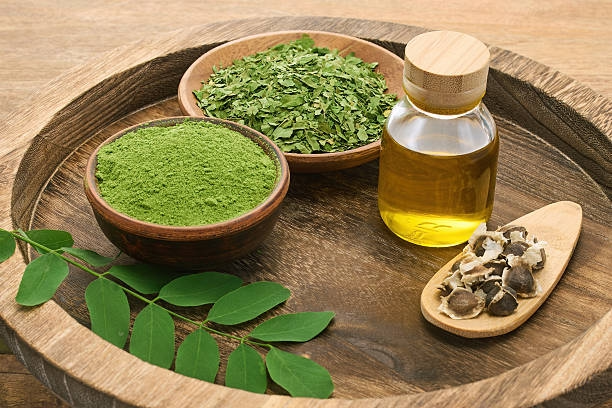
The quality of your Moringa product matters.
- Moringa Powder: Look for 100% pure Moringa oleifera leaf powder that is vibrant green, which indicates freshness and minimal processing. Avoid powders that are brownish or pale.
- Moringa Oil: Opt for cold-pressed, unrefined Moringa Oil to ensure the delicate nutrients and fatty acids are preserved.
- Supplement: When choosing a Moringa supplement, check for products from reputable brands that use third-party testing to verify purity and potency. The growing popularity of such products is part of a larger trend, with the global hair growth supplements market expected to reach USD 1,938.8 million by 2030.
When to Consult a Professional for Persistent Hair Issues
While Moringa can significantly improve hair health, it is not a cure-all. If you are experiencing sudden, severe, or patchy hair loss, it is essential to consult a dermatologist or trichologist. These can be signs of an underlying medical condition that requires a professional diagnosis and treatment plan.
Conclusion: Embrace Moringa for a Healthier Hair Journey
Moringa’s journey from an ancient medicinal plant to a modern-day superfood for hair is grounded in solid science. Its unparalleled nutrient density, combined with powerful antioxidant and anti-inflammatory properties, offers a holistic and effective solution for many of the most common hair and scalp challenges. By nourishing from both the inside and out, it addresses the foundational requirements for strong, vibrant hair growth.
Recap of Moringa’s Science-Backed Benefits for Hair Growth
To summarize, Moringa supports hair health by:
- Providing essential building blocks like vitamins A, C, E, iron, zinc, and amino acids.
- Protecting follicles from oxidative stress with its potent antioxidant content.
- Reducing scalp inflammation and combating dandruff with its anti-inflammatory properties.
- Improving nutrient delivery to the hair roots by boosting blood circulation.
By incorporating high-quality Moringa oil, powder, or supplements into your routine with consistency, you are not just treating your hair—you are investing in its long-term health and vitality. Embrace this “miracle tree” and embark on a natural, science-backed journey to achieving the healthy hair you deserve.