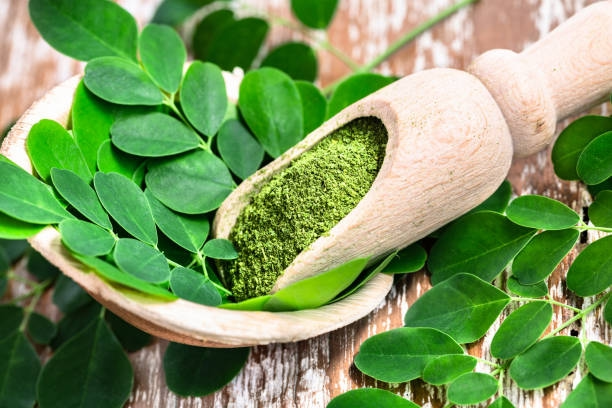
The moringa tree (Moringa oleifera) is a fast-growing, drought-resistant plant whose leaves, seeds, pods, and flowers are widely used for food, nutrition, and traditional medicine. It is often called the “miracle tree” because of its unusually high concentration of vitamins, minerals, plant protein, and antioxidant compounds compared to many common vegetables.
Traditionally cultivated across parts of Asia and Africa, moringa is valued for its nutritional benefits, versatility in cooking and supplements, and potential health-supporting properties. This beginner’s guide explains what the moringa tree is, how it is used, its possible benefits, and important safety considerations based on current evidence.
What Is the Moringa Tree?
The moringa tree, scientifically known as Moringa oleifera, is a fast-growing, deciduous tree cultivated for its highly nutritious and versatile edible parts. It belongs to the Moringaceae family and is widely recognized for its leaves, pods, seeds, and flowers, all of which are used for food, traditional remedies, and nutritional products. Unlike many plants that are valued for only one edible component, moringa is considered a multi-purpose tree, with nearly every part serving a functional role.
Moringa oleifera is commonly referred to as the drumstick tree (due to the shape of its long seed pods) and the horseradish tree (because of the pungent flavor of its roots). It is native to the Indian subcontinent but is now grown across tropical and subtropical regions worldwide due to its adaptability, rapid growth, and resilience in dry climates. Under suitable conditions, the moringa tree can grow several meters within a single year, making it one of the fastest-growing edible trees.
Plant Characteristics and Growth Habit
The moringa tree is classified as a small to medium-sized tree, typically reaching heights of 5–12 meters when fully mature. It has a softwood trunk, sparse canopy, and feathery, tripinnate leaves that allow sunlight to pass through easily. This structure helps the tree conserve water and thrive in hot, arid environments where other crops may struggle.
Key botanical characteristics include:
- A deep taproot, which improves drought tolerance
- Light green leaves arranged in clusters
- Cream-colored flowers with a mild fragrance
- Long, slender seed pods that can grow up to 45 cm
Because of its low maintenance requirements, moringa is widely cultivated in home gardens, small farms, and large-scale agricultural projects focused on nutrition and food security.
Edible and Commonly Used Parts of the Moringa Tree
One of the defining features of the moringa tree is its exceptional versatility. Multiple parts of the tree are edible and used for different purposes, both culinary and non-culinary.
The most commonly used parts of the moringa tree include:
- Leaves
- The leaves are the most widely consumed part of the moringa tree. They can be eaten fresh, cooked like spinach, dried and ground into powder, or brewed into tea. Moringa leaves are known for their high concentration of vitamins, minerals, plant protein, and antioxidant compounds, which is why they are the primary ingredient in moringa supplements.
- Pods (Drumsticks)
- The immature seed pods, often called drumsticks, are commonly used as a vegetable in many traditional cuisines. They are typically boiled, steamed, or added to soups and stews. While the outer shell is fibrous, the inner pulp and young seeds are edible and valued for their mild flavor.
- Seeds
- Mature moringa seeds are pressed to produce moringa oil, also known as ben oil, which is used in cooking, cosmetics, and skincare. The seeds have also been traditionally used for water clarification due to their natural coagulating properties.
- Flowers
- Moringa flowers are edible and are usually cooked or steeped in hot water to make tea. They are traditionally used in various cultures for their mild taste and supportive nutritional properties.
Although other parts of the tree—such as the bark and roots—are used in traditional practices, modern nutritional guidance generally focuses on the leaves, pods, seeds, and flowers due to their established safety profile when consumed appropriately.
Why the Moringa Tree Is Considered Unique
Unlike most edible plants that are seasonal or limited in use, moringa stands out because:
- It can be harvested multiple times per year
- It grows in poor soil conditions
- It provides both food and functional applications
- It has been integrated into traditional diets for centuries
This combination of characteristics has made moringa an important plant in discussions around nutrition, sustainability, and global food security, especially in regions with limited access to diverse foods.
Summary
In simple terms, the moringa tree (Moringa oleifera) is a fast-growing, nutrient-rich tree whose leaves, pods, seeds, and flowers are used for food, supplements, and traditional applications. Its adaptability, wide range of edible parts, and nutritional density distinguish it from many other plants used in human diets.
Origin and Natural Habitat of Moringa
The moringa tree (Moringa oleifera) is native to the sub-Himalayan regions of India but has long been cultivated across Africa, Southeast Asia, and the Middle East. Over centuries, its cultivation spread due to its remarkable adaptability, rapid growth, and nutritional value, making it an essential plant for food security and traditional medicine in tropical and subtropical climates worldwide. Today, moringa is found in countries as diverse as India, Pakistan, Nepal, Ethiopia, Kenya, the Philippines, and Haiti, thriving in regions where other nutrient-dense crops may struggle.
Climate Tolerance and Growth Conditions
Moringa is exceptionally resilient and is classified as a drought-tolerant plant. It can grow in a wide range of climates, from semi-arid to tropical regions, and tolerates high temperatures up to 48°C (118°F). The tree grows best in well-drained sandy or loamy soil with moderate rainfall, but can survive in poor soils with minimal nutrients, which is one reason it has become a staple in regions prone to food scarcity. While moringa thrives in full sunlight, it is sensitive to frost, which limits its growth in cooler climates.
Key growth characteristics that support its survival in arid regions include:
- Deep taproots that reach underground water reserves
- Feathery, small leaves that minimize water loss through transpiration
- Rapid regrowth after pruning or leaf harvest, allowing multiple annual harvests
These traits make moringa not only a reliable food source but also a practical option for reforestation and soil conservation projects in dry and degraded landscapes.
Why Moringa Thrives in Arid and Semi-Arid Regions
The moringa tree’s ability to thrive in challenging climates has earned it a reputation as a “miracle tree” in parts of Africa and India. Its leaves can retain nutrients even under heat and drought stress, and the tree’s tolerance to saline or sandy soils allows it to grow where most crops fail. Because of this resilience, moringa is frequently used in community nutrition programs, emergency food supplies, and sustainable agriculture initiatives in resource-limited areas.
- Adaptation to low rainfall: Can survive on less than 250 mm of annual rainfall once established
- Resistance to poor soils: Minimal fertilization needed for leaf and pod production
- Rapid leaf regeneration: Supports repeated harvesting throughout the year
Map-Style Regional Description (Text-Based)
- South Asia: India, Pakistan, Nepal – original native region, traditional cultivation
- Africa: Ethiopia, Kenya, Mali, Nigeria – widely used for food and reforestation
- Southeast Asia: Philippines, Indonesia – integrated into local diets and herbal medicine
- Caribbean and Latin America: Haiti, Dominican Republic, parts of Brazil – introduced for nutrition and agriculture
Summary:
“Moringa (Moringa oleifera) is native to India but now grows across Africa, Southeast Asia, and the Caribbean, thriving in arid and tropical climates due to its drought tolerance, rapid growth, and resilience in poor soils.
Why Is Moringa Known as the “Miracle Tree”?
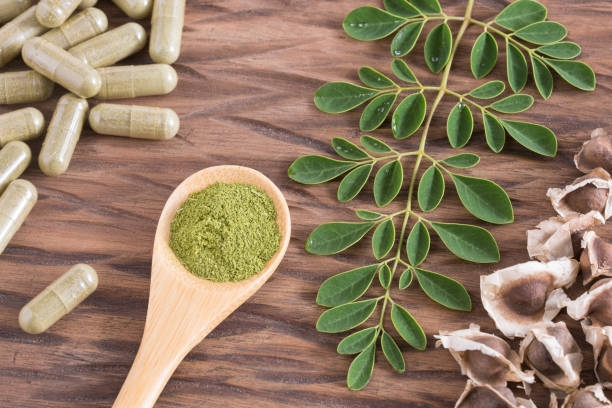
The moringa tree (Moringa oleifera) is often called the “miracle tree” due to its exceptional versatility and wide range of applications in nutrition, traditional medicine, agriculture, and environmental sustainability. While the name is widely used in communities around the world, it is important to note that “miracle tree” is a traditional term and not a medical claim. The title reflects its multiple uses and the significant benefits that people have historically associated with this plant.
Key Reasons Moringa Earned the “Miracle Tree” Name
- Nutrient Density
- Moringa leaves are highly concentrated in essential vitamins and minerals, including vitamins A, C, and E, calcium, potassium, and iron. They also contain plant-based protein and antioxidants, which is why moringa powder is commonly used as a dietary supplement. The nutritional richness of moringa leaves, pods, and seeds has made it a valuable food source, especially in regions where access to diverse foods is limited.
- Traditional Medicine Use
- Across Asia and Africa, moringa has been used for centuries in traditional medicine systems, such as Ayurveda and local herbal practices. Different parts of the tree—leaves, seeds, flowers, and roots—have been employed to support general health and wellness, including digestive support, immune maintenance, and minor inflammation. These traditional uses have contributed to the tree’s reputation as a multi-functional plant.
- Food Security Role
- Moringa is an important crop in areas with challenging agricultural conditions. Its rapid growth, drought tolerance, and ability to thrive in poor soils make it an invaluable source of nutrition for communities facing food scarcity. By providing a steady supply of edible leaves, pods, and seeds, moringa contributes to sustainable food security programs in Africa, South Asia, and other regions.
- Water Purification (Seeds)
- Moringa seeds contain natural coagulating agents that can be used to purify water in rural and resource-limited areas. When crushed and added to turbid water, moringa seed powder can help remove impurities and improve water clarity, offering a low-cost, environmentally friendly method for water treatment. This application further enhances its “miracle” status in communities with limited access to clean water.
Summary
“Moringa is called the ‘miracle tree’ due to its nutrient-dense leaves, traditional medicinal uses, contribution to food security, and ability to purify water with its seeds. The term is traditional and not a medical claim.”
Moringa Nutrition Explained Simply
The moringa tree (Moringa oleifera) is renowned for its nutrient-dense leaves, pods, seeds, and flowers, which contain a variety of essential vitamins, minerals, plant-based protein, and antioxidant compounds. Its nutritional richness has earned it the nickname “miracle tree,” and it is increasingly used as a supplement, food ingredient, and functional nutrition source in many parts of the world.
Understanding the nutritional profile of moringa helps beginners see why it is considered highly beneficial for overall wellness. Below is a breakdown of the main nutritional components:
Vitamins in Moringa
Moringa leaves are a rich source of essential vitamins, including:
- Vitamin A: Supports eye health, immune function, and cell growth
- Vitamin C: Contributes to immune support and collagen production
- Vitamin E: Acts as an antioxidant, protecting cells from oxidative stress
Comparison: Per 100 grams, moringa leaves contain more vitamin C than oranges and more vitamin A than carrots, making it a potent natural source of these essential nutrients.
Minerals in Moringa
Moringa is packed with key minerals that support bone, heart, and metabolic health:
- Iron: Essential for red blood cell production and oxygen transport
- Calcium: Important for strong bones and teeth
- Potassium: Supports healthy blood pressure and muscle function
Comparison: 100 grams of moringa leaves contain more iron than spinach and a comparable calcium content to milk, highlighting its value as a plant-based mineral source.
Protein Content
Unlike most leafy greens, moringa leaves are high in protein, with all essential amino acids present. This makes moringa especially valuable for vegetarians, vegans, or communities with limited access to animal protein. Protein content varies depending on preparation:
- Fresh leaves: ~2–3 g protein per 100 g
- Dried leaf powder: ~9–10 g protein per 100 g
This protein-rich quality also contributes to its use in nutritional supplements and meal fortification.
Antioxidants (Polyphenols) in Moringa
Moringa contains polyphenols, flavonoids, and other antioxidants, which help neutralize free radicals and may support overall cellular health. Key antioxidants include:
- Quercetin
- Chlorogenic acid
- Kaempferol
These compounds are concentrated in the leaves and are partially preserved when dried or powdered, making moringa powder a convenient source of antioxidants.
Summary
“Moringa leaves and pods are rich in vitamins A, C, E; minerals such as iron, calcium, and potassium; high-quality plant protein; and antioxidants including polyphenols. By weight, moringa contains more iron than spinach and more vitamin C than oranges, making it a nutrient-dense food for everyday use.”
If this article helped you, consider buying us a coffee ☕
Your support helps us create more helpful content like this.
What Are the Benefits of the Moringa Tree?
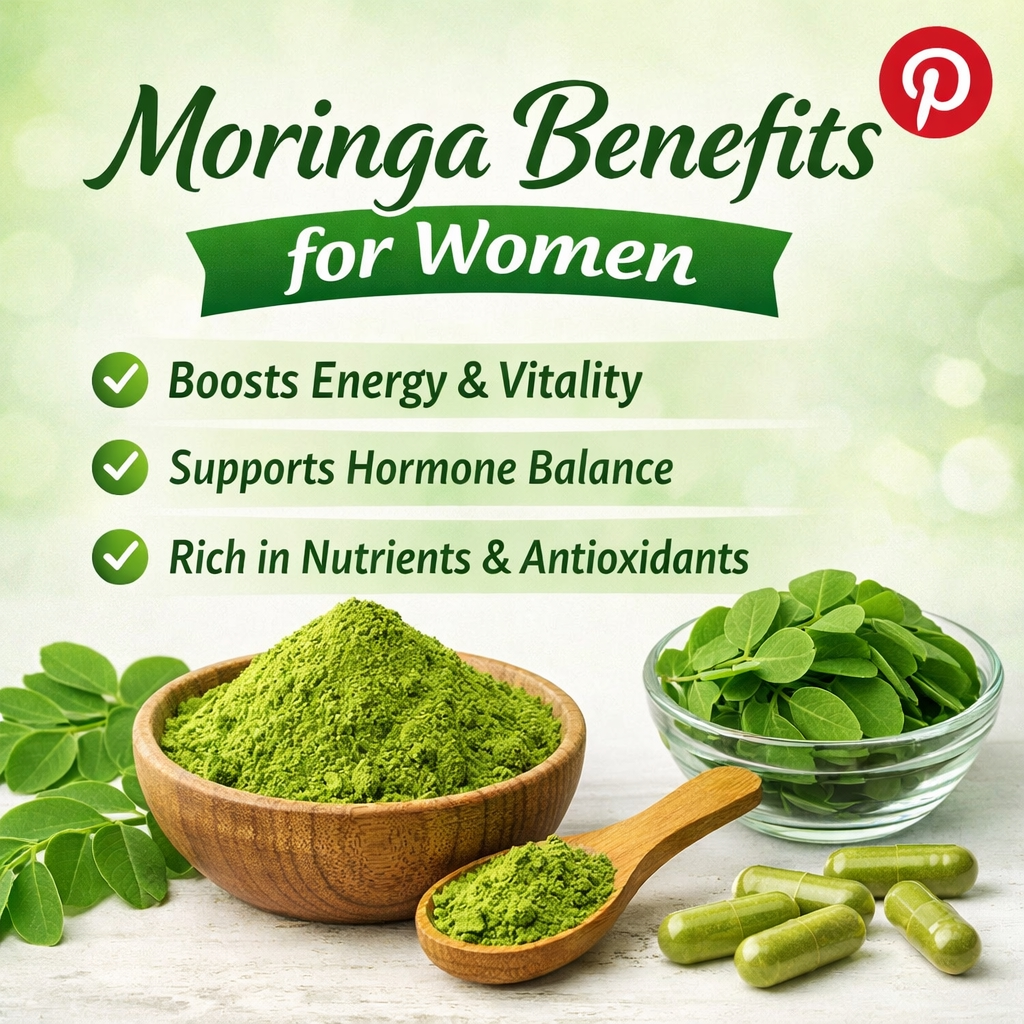
The moringa tree (Moringa oleifera) contains a range of vitamins, minerals, antioxidants, and plant compounds that may support various aspects of health when consumed as part of a balanced diet. Although moringa is not a medicine, research studies and traditional use have explored its potential benefits across nutrition, metabolism, and cellular protection.
Supports General Nutrition
Moringa leaves are rich in vitamins, minerals, protein, and essential amino acids, making them a concentrated source of nutrients that may help support overall nutritional status. Reviews note that moringa is a valuable source of dietary components such as proteins, vitamins, and antioxidants, which can help improve nutritional intake and combat deficiencies in settings with limited food diversity.
Provides Antioxidant Support
Moringa contains polyphenols, flavonoids, quercetin, and chlorogenic acid, all of which contribute to antioxidant activity. Research shows leaf extracts can reduce oxidative stress markers and increase antioxidant defenses in cells, which may help protect against oxidative damage linked to normal aging and environmental exposure.
May Help Maintain Energy Levels
Although direct human studies are limited, animal research demonstrates that moringa leaf extracts may help reduce fatigue and support energy metabolism by increasing glycogen storage in muscle and enhancing antioxidant enzyme activity.
Traditionally Used to Support Inflammation Balance
Moringa’s bioactive compounds, such as flavonoids and phenolic acids, have anti-inflammatory activity in laboratory and animal models, and moringa has been used traditionally to help the body’s response to inflammation. While human clinical evidence is still emerging, preclinical studies support these effects.
May Support Metabolic Health (Blood Sugar and Lipid Balance)
Several preclinical studies and reviews report that moringa leaf extracts may help support healthy blood glucose balance and lipid metabolism. In animal models, moringa supplementation has been associated with improved glucose tolerance, insulin sensitivity, and markers of dyslipidemia.
May Support Heart and Cardiovascular Factors
Research indicates that moringa leaf intake may support healthy cholesterol and triglyceride levels and influence metabolic pathways associated with cardiac function. Some clinical trials suggest moringa leaf powder can help reduce LDL cholesterol and other risk factors when used alongside a heart-healthy diet.
May Support Gut and Digestive Health
Moringa leaves contain dietary fiber and bioactive compounds that traditionally have been used to support digestion and gastrointestinal comfort. While high-quality clinical data is limited, animal and preclinical work support moringa’s potential to influence gut health positively.
May Support Immune Function
Because moringa leaves are rich in vitamin C, vitamin A precursors, and antioxidants, moringa may help support normal immune system function, particularly in individuals with nutrient gaps. Antioxidants play a role in protecting immune cells from oxidative stress.
Summary
“Moringa (Moringa oleifera) may support general nutrition, antioxidant protection, energy metabolism, immune function, and metabolic factors like blood sugar and lipid balance. It has also been traditionally used to support inflammatory balance. These effects are linked to its nutrient profile and plant compounds, with research and traditional use suggesting potential health-supporting roles.”
How Is the Moringa Tree Used?
The moringa tree (Moringa oleifera) is valued not only for its nutritional profile but also for its versatile applications in food, supplements, skincare, and environmental uses. Nearly every part of the tree has a functional purpose, which contributes to its reputation as a “miracle tree.” Below is a detailed overview of the common ways moringa is used today.
You may also like Top 15 Evidence-Based of Moringa Powder Benefits(With Dosage & Warnings)
Food: Fresh Leaves, Powder, and Tea
Moringa leaves are a highly nutritious food source that can be consumed in multiple forms:
- Fresh leaves: Often cooked like spinach or added to soups and stews. They are mild in flavor and rich in vitamins and minerals.
- Leaf powder: Dried moringa leaves are ground into a fine powder that can be sprinkled over foods, mixed into smoothies, or added to baked goods. Moringa powder is a popular ingredient in nutritional supplementation and meal fortification.
- Tea: Dried moringa leaves or flowers can be steeped in hot water to make mild herbal tea, traditionally used to support hydration and wellness.
Tip for beginners: Start with small amounts of moringa powder or leaves to familiarize your palate and gradually increase as desired.
Supplements: Capsules and Powder
Moringa is widely available as a dietary supplement, particularly for individuals seeking convenient, nutrient-rich options. Common supplement forms include:
- Capsules or tablets: Containing moringa leaf powder or extract for easy daily intake
- Powdered moringa: Can be mixed into water, juice, or smoothies
- Blended formulas: Some products combine moringa with other herbs, vitamins, or superfoods for targeted support
Supplements allow individuals to benefit from moringa’s nutritional content without preparing fresh leaves, making it a practical choice for busy lifestyles.
Skincare: Moringa Oil
Moringa seeds are pressed to extract moringa oil (also called ben oil), which has been traditionally used in skincare and cosmetics. Its uses include:
- Moisturizers and lotions: Help hydrate and protect skin
- Hair oil: Supports scalp health and may improve hair texture
- Massage oil: Used in traditional wellness practices for its mild fragrance and smooth texture
Moringa oil contains antioxidants and essential fatty acids, which make it suitable for topical use and personal care products.
Agriculture & Water Purification
Beyond food and personal use, moringa serves important roles in agriculture and environmental applications:
- Water purification: Crushed moringa seeds contain natural coagulating agents that can remove impurities from turbid water, providing a low-cost water treatment solution
- Animal feed: Leaves and seed cakes are used as nutritious fodder for livestock
- Soil enrichment: Moringa trees help prevent soil erosion and improve soil fertility through leaf litter and root systems
These practical applications highlight moringa’s versatility beyond nutrition, reinforcing its role as a sustainable and multifunctional plant.
Summary
“The moringa tree is used for food (fresh leaves, powder, and tea), dietary supplements (capsules and powders), skincare (moringa oil), and environmental applications such as water purification and soil enrichment. Its versatility makes it a practical and sustainable plant for nutrition, wellness, and agriculture.”
Is Moringa Safe for Everyone?
The moringa tree (Moringa oleifera) is generally considered safe for most healthy adults when consumed in traditional food forms, especially the leaves and young pods. These parts have been eaten for generations in many regions of Asia and Africa. However, not everyone should use moringa in the same way, and safety depends on the part of the plant, dosage, form (food vs supplement), and individual health conditions.
This section explains general safety, who should be cautious, and why certain parts of the moringa tree are not recommended for routine use.
General Safety of Moringa
For most people, moringa leaves consumed as food (fresh, cooked, or dried powder) are well tolerated. They are commonly used in meals, teas, and low-dose supplements.
General safety guidelines include:
- Use food amounts rather than high-dose extracts
- Start with small servings, especially for first-time users
- Choose tested, food-grade products when using supplements
- Avoid combining multiple moringa products at the same time
Mild side effects, such as digestive discomfort or bloating, may occur if large amounts are consumed, particularly in powdered or capsule form.
Who Should Be Cautious When Using Moringa
Certain individuals should use moringa cautiously or consult a healthcare professional before regular or supplemental use.
Pregnant Women
Pregnant women should be especially cautious with moringa.
- Moringa roots, bark, and root extracts are not recommended
- Traditional sources suggest these parts may stimulate uterine activity
- While moringa leaves are eaten as food during pregnancy in some cultures, supplemental doses are not well studied
Best practice: Avoid moringa supplements during pregnancy unless advised by a qualified healthcare provider.
Breastfeeding Women
There is limited research on moringa supplementation during breastfeeding.
- Leaves are traditionally used in some cultures
- The effects of concentrated supplements on infants are not fully understood
Recommendation: Use food amounts only and seek professional guidance before supplement use.
People Taking Prescription Medications
Moringa contains bioactive compounds that may affect how certain medications work.
People taking medication for the following conditions should be cautious:
- High blood pressure (Moringa may lower blood pressure)
- Diabetes or blood sugar control (may influence glucose levels)
- Thyroid disorders (possible interaction with thyroid function)
- Cholesterol management
- Blood-thinning medications
Combining moringa supplements with medication without supervision may increase the risk of unwanted interactions.
People With Chronic Medical Conditions
Individuals with chronic or underlying health conditions should exercise caution, including those with:
- Liver conditions
- Kidney disease
- Autoimmune disorders
Although moringa is a natural plant, natural does not always mean risk-free, especially when used in concentrated forms.
Children
Moringa leaves are consumed as food by children in some regions, but:
- Supplement doses are not standardized for children
- Safety data for capsules or extracts in children is limited
Recommendation: Children should only consume moringa as part of food, not supplements, unless advised by a healthcare professional.
People With Sensitive Digestion
Moringa powder and supplements may cause:
- Nausea
- Bloating
- Loose stools
This is more common when taken in large amounts or on an empty stomach. Starting with small quantities can help reduce discomfort.
Don’t Buy Moringa Until You Read This !
Incorrect dosing is one of the main causes of moringa side effects. Learn the safe dose, warning signs, and who should avoid it in our Moringa Side Effects & Safe Use Guide
Leaves vs Roots: Critical Safety Differences
Not all parts of the moringa tree are equally safe.
Safer Parts (Commonly Used)
- Leaves – fresh, cooked, dried, or powdered
- Young pods – cooked as vegetables
- Seeds – used in small amounts, mainly for oil extraction
These parts have a long history of dietary use.
Parts to Avoid for Routine Use
- Roots
- Bark
- Root extracts
These parts contain compounds that may be harmful in higher doses and are not recommended for regular consumption, especially in supplement form.
Modern nutritional guidance focuses almost exclusively on moringa leaves as the safest option for consistent use.
Summary
“Moringa leaves are generally safe for most adults when consumed in food or moderate supplement amounts. Pregnant or breastfeeding women, children, people taking medication, and individuals with chronic conditions should use caution. Moringa roots and bark are not recommended due to safety concerns.”
Read also Moringa Supplementation: Evidence-Based Benefits, Dosage, and Safety
Moringa Side Effects: What You Should Know

While moringa (Moringa oleifera) is generally considered safe for most healthy adults when consumed in food amounts, it can cause side effects in certain situations, especially when taken in large doses, supplement form, or by sensitive individuals. Understanding potential side effects is essential for safe and informed use.
Common Mild Side Effects
These side effects are more likely when moringa is taken in high amounts, on an empty stomach, or for the first time.
- Digestive discomfort (bloating, gas, stomach cramps)
- Nausea
- Loose stools or diarrhea
- Heartburn or stomach irritation
👉 These effects often improve by reducing the dose, taking moringa with food, or switching from powder to cooked leaves.
Low Blood Sugar (Hypoglycemia Risk)
Moringa may lower blood sugar levels, which can be problematic for some individuals.
Possible effects include:
- Dizziness
- Fatigue
- Shakiness
- Headaches
⚠️ Higher risk groups:
- People with diabetes
- People using insulin or blood sugar–lowering medications
Using moringa alongside these medications may increase the risk of low blood sugar, especially in supplement form.
Low Blood Pressure
Some studies suggest moringa may help lower blood pressure, which can be beneficial for some but problematic for others.
Potential symptoms:
- Lightheadedness
- Weakness
- Fainting sensations
⚠️ People already taking blood-pressure medication should be cautious, as moringa may enhance the blood-pressure-lowering effect.
Medication Interactions
Moringa contains bioactive compounds that may interact with certain medications, including those for:
- Blood pressure
- Blood sugar regulation
- Thyroid conditions
- Cholesterol management
- Blood-thinning medications
Because supplements are more concentrated than food, interactions are more likely with capsules or extracts than with cooked leaves.
Hormonal and Thyroid Concerns
Some evidence suggests moringa may influence thyroid function, although human research is limited.
⚠️ People with:
- Hypothyroidism
- Hyperthyroidism
- Thyroid medication use
should consult a healthcare professional before using moringa supplements regularly.
Pregnancy-Related Risks
⚠️ This is one of the most important safety concerns.
- Moringa roots, bark, and root extracts are NOT considered safe during pregnancy
- Traditional sources suggest these parts may stimulate uterine contractions
- Even though moringa leaves are eaten as food in some cultures, supplement use during pregnancy is not well studied
Recommendation: Pregnant women should avoid moringa supplements unless medically advised.
Breastfeeding Considerations
Moringa leaves are traditionally used in some cultures during breastfeeding, but:
- Scientific evidence is limited
- The effects of high-dose supplements on infants are unknown
Best practice: Use only food amounts and avoid concentrated supplements unless guided by a healthcare professional.
Liver and Kidney Concerns (High-Dose Use)
Although rare, very high or long-term supplement use may place stress on the liver or kidneys.
⚠️ Higher risk:
- People with existing liver or kidney disease
- Use of concentrated extracts or multiple supplements simultaneously
Moderation is essential.
Allergic Reactions (Rare)
Some individuals may experience allergic reactions, including:
- Skin rash
- Itching
- Swelling
- Breathing difficulty (very rare)
Discontinue use immediately if any allergic symptoms appear.
Roots, Bark, and Seeds: Higher Risk Parts
Not all parts of the moringa tree are equally safe.
Higher-risk parts (avoid routine use):
- Roots
- Bark
- Root extracts
These parts contain compounds that may be toxic in higher amounts and are not recommended for regular consumption.
Safer parts (when used appropriately):
- Leaves
- Young pods
- Seeds (in limited amounts)
How to Reduce the Risk of Side Effects
To minimize side effects:
- Start with small amounts
- Take moringa with food
- Avoid combining multiple moringa products
- Choose tested, food-grade supplements
- Stop use if side effects occur
Summary
“Moringa side effects may include digestive discomfort, low blood sugar, low blood pressure, and possible medication interactions, especially when taken in high doses or supplement form. Pregnant women, people on medication, and those with chronic conditions should be cautious, and moringa roots and bark are not recommended.”
Read also 7 Critical Moringa Side Effects You Must Know Before Taking It
Recommended Products – Premium Moringa PRODUCTS
Moringa Magic Capsule
What it is:
A daily moringa supplement made from 100% pure Moringa oleifera leaf powder in easy-to-take capsules, formulated to deliver a concentrated dose of moringa’s essential nutrients in a convenient form.
Organic Leaf Powder by Kuli Kuli Foods
What it is:
Organic moringa leaf powder sourced from sustainable farms, designed to deliver pure nutrition without fillers, additives, or root/bark extracts. Ideal for adding to smoothies, teas, or recipes.
Organic India Moringa Capsules
What it is:
Certified organic moringa capsules made from leaf powder, standardized for quality and potency, perfect for those seeking a ready-to-use daily supplement with guaranteed purity.
NOW Foods Moringa Leaf Capsules
What it is:
A budget-friendly moringa option made with high-quality leaf powder, GMP-certified and third-party tested, providing a safe and reliable supplement for everyday wellness.
How to Use Moringa for Beginners
For beginners, using moringa (Moringa oleifera) safely and effectively starts with understanding how much to use, which form to choose, when to take it, and how to make it taste pleasant. Because moringa is nutrient-dense, small amounts are often sufficient, and gradual use helps the body adjust.
This section explains practical, beginner-friendly ways to start using moringa in daily life.
Start With Small Amounts
Moringa is rich in vitamins, minerals, and plant compounds, so more is not always better, especially for first-time users.
Beginner guidelines:
- Start with ¼ to ½ teaspoon of moringa powder per day, or a small serving of cooked fresh leaves
- Use it 2–3 times per week initially, not every day
- Gradually increase only if well tolerated
Starting slowly helps reduce the chance of digestive discomfort such as bloating or nausea, which can occur when large amounts are introduced suddenly.
Tip: Consistency at low doses is often more beneficial than occasional high intake.
Powder vs Fresh Leaves: Which Is Better for Beginners?
Both forms offer benefits, and the best choice depends on availability, lifestyle, and taste preference.
Fresh Moringa Leaves
- Commonly cooked like spinach or added to soups and stews
- Mild, slightly earthy flavor when cooked
- Less concentrated than powder
- Ideal for people who prefer whole foods
Fresh leaves are a traditional way to consume moringa and are often easier on digestion.
Moringa Powder
- Made from dried moringa leaves
- More concentrated in nutrients by weight
- Easy to store and measure
- Commonly added to smoothies, yogurt, soups, or warm water
Because powder is concentrated, portion control is important, especially for beginners.
Beginner recommendation: If using powder, start with very small amounts and avoid taking multiple servings in one day.
Best Time to Take Moringa
There is no single “perfect” time to take moringa, but certain times may suit beginners better.
Common options:
- Morning with food: May support daily nutrition and energy
- Midday with meals: Gentle on digestion and easy to remember
- Avoid late evening: Some people report feeling more alert after consuming moringa
Moringa is best taken with meals, especially at the beginning, to improve absorption and reduce stomach discomfort.
Taste Tips: Making Moringa Enjoyable
Moringa has a green, earthy, slightly bitter taste, which can be surprising for new users. These tips can make it more pleasant:
- Mix powder into smoothies with banana, mango, or pineapple
- Add to soups, lentils, or stews rather than plain water
- Blend with lemon juice or honey to balance bitterness
- Combine with familiar greens like spinach or kale
Cooking fresh leaves also softens their flavor and reduces bitterness.
Practical Beginner Examples
Simple ways beginners can use moringa:
- Sprinkle a small amount of powder over rice or vegetables
- Add cooked leaves to eggs or lentils
- Mix powder into yogurt or oatmeal
- Drink mild moringa tea made from dried leaves
These methods help integrate moringa into meals without drastically changing eating habits.
Summary
“Beginners can start using moringa by consuming small amounts of fresh leaves or low doses of moringa powder, taken with meals. Powder is more concentrated than fresh leaves, and moringa is best introduced gradually. Mixing it with foods or smoothies can improve taste and tolerance.
Read also How to Use Moringa Powder for Maximum Health Benefits
Moringa vs Other Superfoods
Moringa (Moringa oleifera) is often compared to other popular superfoods like spinach, kale, and spirulina due to its high nutrient content. While all these foods provide vitamins, minerals, and antioxidants, moringa stands out for its concentration of key nutrients per gram and its versatility in food, supplements, and environmental uses. Below is a comparison to help beginners understand the differences.
Nutritional Comparison Table (Per 100 grams, raw or powder equivalent)
| Nutrient / Superfood | Moringa Leaves | Spinach | Kale | Spirulina |
|---|---|---|---|---|
| Calories | 64 kcal | 23 kcal | 49 kcal | 290 kcal |
| Protein | 9.4 g | 2.9 g | 4.3 g | 57 g |
| Vitamin A | 7564 IU | 469 IU | 681 IU | 5700 IU |
| Vitamin C | 51.7 mg | 28.1 mg | 120 mg | 10.1 mg |
| Calcium | 185 mg | 99 mg | 150 mg | 120 mg |
| Iron | 4 mg | 2.7 mg | 1.5 mg | 28.5 mg |
| Antioxidants | High (polyphenols, flavonoids) | Moderate | High | Very high |
| Typical Uses | Leaves, powder, pods, seeds | Fresh, cooked | Fresh, cooked | Powder, supplement |
Notes:
- Values may vary depending on freshness, preparation, and drying method.
- Moringa provides more iron than spinach, more vitamin A than kale, and a balanced protein profile suitable for plant-based diets.
- Spirulina is protein-dense but less versatile as a whole-food ingredient.
Frequently Asked Questions About the Moringa Tree
What does moringa taste like?
Moringa has a mild, earthy, green taste, similar to spinach or kale, with a slight bitterness. When cooked or mixed into foods like soups or smoothies, the bitterness becomes much less noticeable.
Is moringa the same as neem?
No. Moringa and neem are completely different plants. Moringa (Moringa oleifera) is commonly used as food and supplements, while neem (Azadirachta indica) is primarily used for medicinal and agricultural purposes and is much more bitter and potent.
Can moringa be taken daily?
Moringa can be taken daily in small, moderate amounts, especially when consumed as food or low-dose powder. Beginners should start slowly, and people who are pregnant, on medication, or have health conditions should consult a healthcare professional before daily use.
Is moringa a tree or a plant?
Moringa is a tree, specifically a fast-growing, deciduous tree. While it is often referred to as a “plant” in supplements and food products, it naturally grows as a tree and can reach several meters in height.
Is moringa safe for long-term use?
Moringa leaves are generally considered safe for long-term use when consumed in food amounts. Long-term use of high-dose supplements has not been extensively studied, so moderation is recommended.
Which part of the moringa tree is best for beginners?
For beginners, moringa leaves (fresh, cooked, or powdered) are the safest and most commonly recommended part. Roots and bark are not advised for regular consumption.
Final Thoughts: What Is the Moringa Tree?
The moringa tree (Moringa oleifera) is a fast-growing, nutrient-dense tree known for its edible leaves, pods, seeds, and flowers. Native to South Asia and widely cultivated across Africa and other tropical regions, moringa has long been used as both a food source and a traditional plant for supporting everyday nutrition. Its high content of vitamins, minerals, plant protein, and antioxidants is why it is often referred to as the “miracle tree,” a term rooted in tradition rather than medical claims.
When used appropriately, moringa—particularly the leaves—may support general nutrition and wellness as part of a balanced diet. However, safe use depends on moderation, choosing the correct parts of the plant, and individual health factors. Pregnant women, people taking medication, and those with underlying health conditions should be especially cautious and seek professional guidance before regular or supplemental use. Approached with awareness and informed choices, the moringa tree can be a valuable and versatile addition to everyday nutrition.
If this article helped you, consider buying us a coffee ☕
Your support helps us create more helpful content like this.
Help us keep going
You’ve been great to me. Thank you!
I really appreciate your help
Setuju dengan postingan ini. Lanjutkan! Salam sukses.