
Moringa supplementation refers to the deliberate use of moringa — most commonly in the form of powder, capsules, tablets, or extracts — as a dietary supplement to support overall health and wellness. Unlike simply adding moringa leaves to food, supplementation means using concentrated or standardized forms of the plant regularly, often daily, to deliver measurable amounts of its nutrients and active compounds.
Moringa oleifera, the species most often used for supplementation, is a plant native to parts of South Asia and Africa that has been used for centuries in traditional medicine and nutrition. Modern supplements are usually made from dried leaf powder or leaf extracts, which provide vitamins, minerals, antioxidants, and plant phytochemicals in a convenient form. In Western markets, these supplements are widely marketed for benefits like energy support, immune health, and metabolic regulation. Healthline+1
It’s important to differentiate food use vs supplementation. When moringa leaves are eaten as part of a meal — for example, cooked with vegetables or used fresh in salads — the body receives nutrients as part of normal dietary intake. Supplementation typically involves higher concentrations of the active components that may go beyond what you would get from food alone. For many people, supplementation offers a consistent and measurable way to obtain moringa’s nutrients without needing to eat large amounts of the leaf. Healthline
Moringa supplementation has become increasingly popular for several reasons. First, moringa leaves are exceptionally nutrient-dense — containing vitamins A, C, and E, minerals like iron and calcium, protein, and antioxidants. These nutrients play roles in energy metabolism, immune function, and protecting cells from oxidative stress. Second, a growing number of clinical and observational studies have suggested that moringa supplementation may influence specific health outcomes such as hemoglobin levels in anemia, blood glucose regulation, and markers of inflammation, although research is still evolving. PubMed+1
Despite strong traditional use and promising preliminary evidence, it’s also important to understand the limitations of current science. Some well-designed trials show benefits in specific populations or biomarkers, while others report limited or mixed effects on outcomes like cardiometabolic measures. More high-quality, large-scale human studies are needed to establish definitive guidelines for supplementation. PubMed
In this article, we’ll take an in-depth look at the evidence behind moringa supplementation — from potential benefits supported by research, to recommended dosages, safety considerations, and how to use it responsibly as part of a daily wellness routine. Whether you’re considering moringa for energy, immunity, metabolic support, or general nutrition, this guide will help you make an informed choice based on current evidence and expert insight.
2. What Makes Moringa a Unique Supplement?
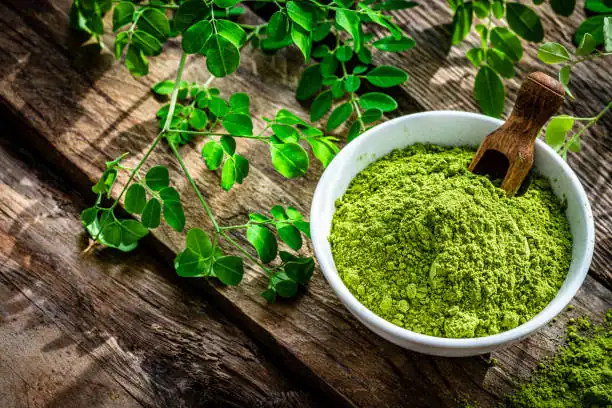
Moringa oleifera isn’t just another green powder — it’s one of the most nutrient-dense plants on the planet. What makes it stand out as a supplement isn’t only what it contains, but how its nutrients work together and how the plant has been used traditionally for centuries. Let’s break down the science and the traditional roots of moringa supplementation.
2.1 Nutrient Density Overview
One of moringa’s biggest claims to fame is its exceptional nutrient profile. Compared to many other greens, moringa leaves pack a powerful mix of protein, minerals, vitamins, and bioactive compounds in a small serving.
Protein, Iron, Calcium, Potassium
Although moringa is a plant, its leaves contain significant amounts of protein and essential minerals:
- Protein: Moringa leaves contain all nine essential amino acids, which is unusual for plant foods. This makes it an attractive supplement for those with limited animal protein intake.
- Iron: Iron is essential for healthy red blood cell production and energy metabolism. Moringa provides plant-based iron that can support nutrient intake, especially when combined with vitamin C for better absorption.
- Calcium: Moringa leaf powder is rich in calcium, contributing to bone health and nerve function.
- Potassium: Potassium supports electrolyte balance and healthy blood pressure regulation.
Plant foods with such a broad spectrum of macronutrients and minerals are rare, which is one reason moringa is so widely studied as a supplement medicinally and nutritionally. (pubmed.ncbi.nlm.nih.gov)
Vitamins A, C, E
Moringa leaves provide key antioxidant vitamins:
- Vitamin A: Important for eye health, immune function, and cellular communication.
- Vitamin C: Supports immune defense and enhances iron absorption.
- Vitamin E: A fat-soluble antioxidant that helps protect cell membranes.
Together these vitamins help neutralize free radicals and support overall cellular health — a benefit often cited in nutrition reviews. (See general nutrient info at healthline.com).
Polyphenols and Antioxidants
Moringa is rich in polyphenols — plant compounds with strong antioxidant and anti-inflammatory action, such as quercetin, chlorogenic acid, and kaempferol. These compounds are linked with protective effects on inflammation, oxidative stress, and metabolic processes in multiple experimental and clinical studies. (pubmed.ncbi.nlm.nih.gov)
2.2 Bioavailability & Absorption
Supplementation isn’t just about what nutrients are present — it’s also about how well the body can absorb and use them.
How Moringa Nutrients Are Absorbed
Many nutrients in moringa are water-soluble (like vitamin C) or bound within plant matrices that require proper digestion. Moringa also contains natural digestion-supporting enzymes and fiber, which may help the body extract and absorb nutrients gradually instead of dumping them all at once.
Role of Fiber and Plant Compounds
Moringa’s fiber content helps slow digestion, which can improve nutrient uptake and help with steady glucose responses. Additionally, certain plant compounds facilitate micronutrient absorption — for example, vitamin C from moringa helps increase iron absorption from plant sources.
Powder vs Capsule Absorption Differences
- Powder Form: When moringa is taken in powder form, especially mixed in food or a smoothie, it’s often better integrated with your overall digestion. Fiber remains intact, and nutrients are gradually released and absorbed.
- Capsules/Tablets: Capsules are convenient, but sometimes the fiber and whole-leaf matrix are lost or reduced, which can slightly impact absorption patterns. That said, capsules are still effective for consistent dosing and for people with taste sensitivity.
There’s no one “best” form for everyone, but understanding how absorption works can help users choose the right product for their goals.
2.3 Traditional Use vs Modern Supplementation
Moringa’s rise on the modern supplement market isn’t just new trend-based hype — it’s anchored in traditional medicine systems.
Use in Ayurveda and African Traditional Medicine
Moringa has a long history in Ayurvedic medicine (India) and various traditional African medicine systems. Practitioners used moringa leaves, seeds, and roots to support digestion, reduce inflammation, enhance vitality, and promote general well-being. These uses are documented in ethnobotanical records and are part of cultural dietary patterns that span centuries.
For example, in Ayurveda, moringa is described as a plant that may help balance the body’s doshas (functional energies), particularly Vata and Kapha, and is often recommended for nutritional support and digestion.
Transition to Modern Dietary Supplement Form
With globalization and modern nutrition science, moringa moved from local traditional use into global supplement markets. Today’s form — dried leaf powder, standardized extracts, or encapsulated supplements — makes moringa more accessible and easier to dose consistently. Supplementation bridges traditional practice with contemporary needs for nutritional support, metabolic health, and chronic disease prevention.
Because modern research can now test traditional claims (e.g., effects on blood glucose or inflammation), moringa supplementation sits uniquely between centuries-old practice and evidence-based nutritional science.
Thinking about trying moringa?
Before you start, make sure you’re using the right dose and avoiding common side effects.
👉 Download The Moringa Side Effects & Safe Use Guide — a clear, practical resource with dosage charts, safety checklists, and a 7-day start plan so you can use moringa confidently and responsibly.
3. Forms of Moringa Used in Supplementation
Moringa supplementation is available in several forms, each with different advantages depending on lifestyle, health goals, and tolerance. Understanding these differences is important, because form affects absorption, safety, and overall effectiveness.
3.1 Moringa Powder
Moringa powder is made by drying moringa leaves (ideally at low temperatures) and grinding them into a fine green powder. This is the most traditional and widely used form of moringa supplementation.
Pros
- Contains the whole leaf, including fiber, vitamins, minerals, and polyphenols
- Allows flexible dosing (½ teaspoon to 1 tablespoon or more)
- Generally more cost-effective than capsules or extracts
- Easy to combine with food, which can improve tolerance
Cons
- Strong, earthy taste that some people dislike
- Requires mixing, which may be inconvenient for some users
Best for smoothies and drinks
Moringa powder works especially well in:
- Smoothies
- Green juices
- Warm water or tea
- Oatmeal, yogurt, or energy balls
Because it’s consumed as a food-like supplement, powder often integrates well with digestion and provides a gradual release of nutrients, which many users prefer.
3.2 Moringa Capsules or Tablets
Capsules and tablets contain moringa leaf powder that has been encapsulated or compressed into pill form. This option is popular for people who value convenience and consistency.
Convenience vs absorption
- Capsules offer precise dosing and are easy to take on the go
- They eliminate the taste issue entirely
- However, digestion and absorption may be slightly slower depending on capsule quality and stomach conditions
High-quality capsules that use whole-leaf powder (rather than extracts or fillers) still provide many of the same benefits as powder, though they usually contain smaller total amounts per serving.
Ideal for taste-sensitive users
Capsules are ideal for:
- People who dislike the taste of greens
- Travelers or busy professionals
- Anyone who wants a no-prep option
The main trade-off is that reaching higher therapeutic doses may require taking multiple capsules per day.
3.3 Moringa Extracts
Moringa extracts are made by concentrating specific compounds from the plant, often using water or alcohol extraction methods. These products are more potent per gram but are not the same as whole-leaf supplementation.
Concentrated compounds
Extracts may contain higher levels of:
- Polyphenols
- Antioxidants
- Certain bioactive compounds
Because they are concentrated, extracts are usually taken in smaller doses.
When extracts may be useful
Moringa extracts may be appropriate:
- In clinical or research-based formulations
- When targeting specific effects (e.g., antioxidant support)
- Under professional guidance
However, extracts lack fiber and the full nutrient matrix of the leaf, which means they are not always ideal for general daily nutrition.
3.4 Leaf vs Seed vs Root (Safety Differences)
This distinction is critical for safety.
Why leaf supplementation is safest
The moringa leaf is the part most widely studied and considered safe for regular supplementation. Most human studies, traditional uses, and commercial supplements focus exclusively on the leaf.
Leaf supplementation is associated with:
- Nutritional support
- Lower toxicity risk
- Better long-term safety data
Warning on root and seed extracts
- Moringa root contains compounds that may be toxic in high amounts and has historically been used with caution. It is not recommended for supplementation.
- Moringa seeds have some traditional uses but are far more potent and may affect blood pressure or digestion. Seed extracts are not suitable for general daily use unless specifically prescribed or studied.
For most people, leaf-based supplements are the safest and most appropriate choice.
4. Evidence-Based Benefits of Moringa Supplementation
Research on moringa supplementation is still limited compared to drugs or vitamins, but several human clinical trials and systematic reviews provide promising evidence for its effects on energy, blood sugar, inflammation, immune function, and cardiometabolic health. I’ve linked peer-reviewed publications where available.
4.1 Energy & Fatigue Reduction
Moringa is nutrient-dense, particularly in iron and plant minerals, which can support healthy red blood cell production — a foundation for energy.
A systematic review of moringa leaf supplementation found that higher doses (14–30 g/day) improved hemoglobin (Hgb) in people with iron-deficiency anemia and increased vitamin A status in postmenopausal women, suggesting it may help address fatigue related to nutrient deficiency. PubMed
What this means for you:
If fatigue is tied to low iron or poor micronutrient intake, moringa supplementation may support better energy production — especially when integrated into a nutrient-rich diet.
4.2 Blood Sugar Control
Blood sugar regulation is one of the most studied potential benefits of moringa supplementation.
Human research shows that moringa leaf powder can lower post-meal glucose responses in people with diabetes. In one clinical study, supplementation with 20 g of moringa leaf powder alongside a meal significantly reduced glucose peaks in diabetic subjects compared with a control meal. PubMed
A wider review of clinical and preclinical data supports that moringa can improve glycemic responses — though evidence in humans is still limited and not yet conclusive enough to replace medication. MDPI
What this means for you:
Moringa may help moderate blood sugar spikes and support glycemic control, particularly for adults with elevated glucose levels, when used alongside medical care.
4.3 Anti-Inflammatory Effects
Moringa leaves contain polyphenols like quercetin and chlorogenic acid with anti-inflammatory and antioxidant activity. Clinical research notes moringa supplementation’s potential to reduce inflammatory markers and improve antioxidant status, such as total antioxidant capacity and lipid peroxidation in adults with metabolic concerns. PubMed
What this means for you:
While long-term inflammation studies in humans are still emerging, moringa’s rich antioxidant profile suggests it may support lower inflammatory stress over time when taken consistently.
4.4 Weight Management Support
Clinical evidence on moringa specifically for weight loss is limited, and existing reviews (including RCT meta-analyses) show mixed effects on anthropometric outcomes such as body weight and BMI. However, some subgroup analyses suggest potential metabolic benefits (e.g., weight and lipid profile improvements in specific populations), especially when moringa is combined with dietary changes. PubMed
What this means for you:
Moringa shouldn’t be viewed as a standalone weight-loss supplement, but its effects on appetite control, blood sugar, and inflammation may support holistic metabolic health.
4.5 Digestive & Gut Health
Moringa leaf powder is a source of dietary fiber, which helps improve stool regularity and overall gut health. Enhanced nutrition and antioxidant activity may support digestion, and human observational studies (e.g., immune and nutritional biomarkers in HIV-positive adults) show improvements in nutritional status and immune cell counts following moringa supplementation, consistent with better overall digestive absorption and nutrient utilization. PubMed
What this means for you:
Regular moringa intake can support digestive comfort and nutrient absorption when part of a balanced diet.
4.6 Immune System Support
Moringa’s micronutrients (especially vitamin C and several antioxidants) help maintain immune cell function and support overall immunity. In adults with HIV, moringa supplementation increased immune cell counts (e.g., CD4+ T cells) and improved other nutritional biomarkers, indicating positive immune modulation in clinical settings. PubMed
What this means for you:
While moringa isn’t a cure for immune disorders, it may enhance immune resilience as part of a nutrient-rich lifestyle.
4.7 Skin, Hair & Anti-Aging Support
Though direct clinical trials on skin and hair outcomes are limited, the antioxidant and anti-inflammatory compounds in moringa (vitamins A, C, E; quercetin; phenolics) can help protect cells from oxidative damage that contributes to aging. These mechanisms are well supported in clinical nutrition literature even when specific trials on moringa are few. PubMed
What this means for you:
Antioxidant-rich supplements often contribute to healthier skin and cellular protection, but individual results will vary.
4.8 Hormonal Balance (Especially Women)
Research on moringa’s effects on human hormone levels is still in early stages. Traditional medicine and preliminary clinical observations suggest moringa may support energy balance and menstrual wellness, but clinical evidence is limited.
What this means for you:
Consider moringa a supportive nutrient source rather than a hormonal therapy.
4.9 Heart & Blood Pressure Support
Some human studies report modest improvements in diastolic blood pressure and other cardiometabolic markers after moringa supplementation, especially with consistent use over weeks. However, meta-analyses note the overall certainty of evidence is low due to limited high-quality RCTs and methodological variability. PubMed
What this means for you:
Moringa may support cardiovascular health trends, but it isn’t a replacement for medical management of heart disease or hypertension.
Best Moringa Supplements
1. Kuli Kuli Moringa Powder
One of the most recognized moringa brands focused on ethical sourcing and nutrient-dense powder — great for smoothies, teas, and daily use. Often recommended for overall wellness, energy, and immune support.
Best for: Daily nutrition, smoothies, recipes, broad wellness
2. Organic India Moringa Capsules
Well-known herbal brand with USDA Organic moringa in capsule form. Trusted quality, widely available, and easy to take for those who dislike powder.
Best for: Beginners & capsule convenience
3. Rosabella Moringa Capsules
Popular organic moringa capsules with a strong nutrient profile. Often highlighted in top seller lists and used for energy, digestive health, and antioxidant support.
Best for: Support for energy and immune health
4. Pura Vida Organic Moringa Capsules
Highly rated moringa capsules that deliver pure organic moringa leaf powder. A good mid-tier option with strong customer feedback for daily wellness.
Best for: Energy, joint health & general wellness
5. NatureBell Organic Moringa Capsules
Another well-reviewed option with organic certification and clean ingredient profiles. Offers a high capsule count and solid value per bottle.
Best for: Long-lasting supply & immune support
6. MOGO Organic Moringa Capsules
A quality capsule supplement that combines pure moringa leaf with good overall user reviews — a balanced choice between price and performance.
Best for: Everyday use & balanced nutrition
7. Carlyle Moringa Oleifera
Budget-friendly moringa supplement with a mix of leaf powder and extract. Good entry-level option for people trying moringa for the first time.
Best for: Beginners and cost-conscious shoppers
8. Terrasoul Superfoods Moringa Leaf Powder
Highly rated powder form that’s USDA Organic, Non-GMO, and Kosher, great for smoothies or DIY capsule making. Often mentioned as a top pick for powder users.
Best for: Smoothie drinkers and DIY supplementers
5. How Much Moringa Should You Take? (Dosage Guide)
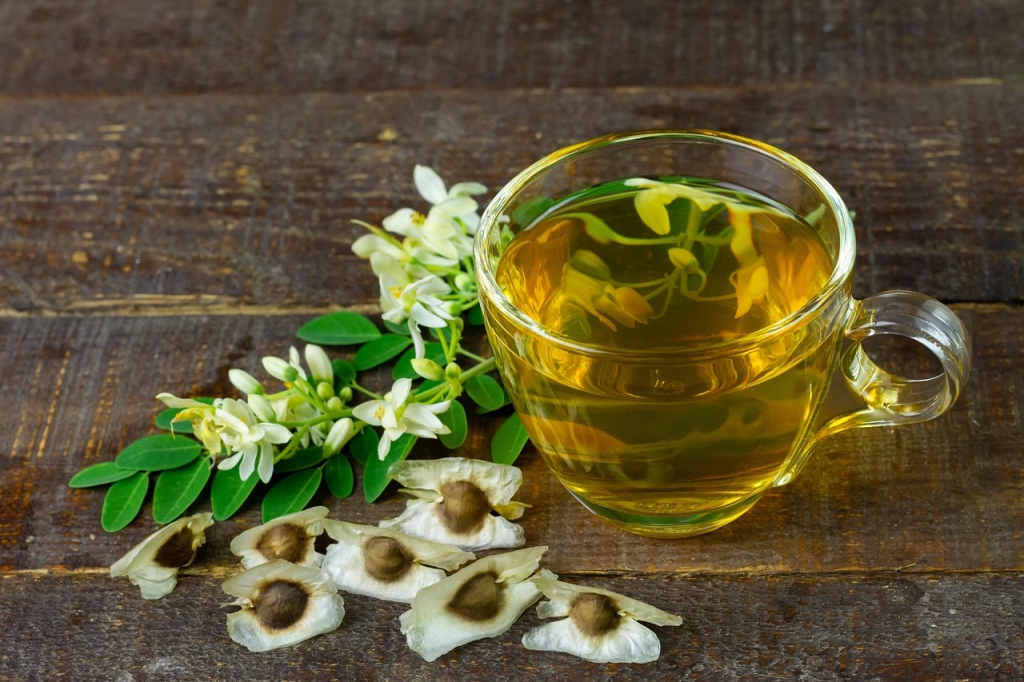
The right dosage of moringa depends on the form you use, your health goals, and how your body responds. While moringa is generally safe when used moderately, it’s important to start slow and increase gradually to allow your body to adjust — especially if you’re new to plant-based supplements.
5.1 General Dosage Recommendations
Beginner Dosage (Start Low)
If you’re new to moringa, start with ½ teaspoon (about 1.5 g) per day for the first week. This allows your digestion and metabolism to adapt to its dense nutrients and fiber.
Standard Daily Dosage (Maintenance)
Most studies on moringa leaf powder use 2 – 8 g per day as a typical dose range. For general wellness and nutrient support, 1–2 teaspoons (3–6 g) daily is sufficient.
A 2022 systematic review of clinical trials found that daily doses up to 14 g were well-tolerated in adults without significant side effects (PubMed ID: 35302264).
Upper Safe Limit
While there is no officially established upper intake limit, most experts advise staying below 20 g of moringa leaf powder per day, as higher doses may cause mild gastrointestinal discomfort or nausea (Healthline).
5.2 Dosage by Health Goal
| Health Goal | Suggested Daily Dosage | Timing Tips |
|---|---|---|
| Energy & Fatigue | 2–3 g in the morning | Best taken with breakfast for steady energy |
| Weight Management | 4–6 g before meals | Helps manage appetite and stabilize blood sugar |
| Blood Sugar Support | 6–8 g daily (split doses) | One dose before breakfast, one before lunch (PubMed ID: 30322091) |
| Hormonal Balance (Women) | 3–5 g daily | Consistent use helps nutrient replenishment; avoid excessive doses |
Note:
These ranges are based on current evidence and observational data. For therapeutic use or medical conditions, consult your healthcare provider before exceeding standard ranges.
5.3 Powder vs Capsule Dosage Equivalents
Many people prefer capsules for convenience, but it’s useful to know how they compare to powder.
| Form | Approx. Amount | Equivalent to Powder |
|---|---|---|
| 1 capsule (500 mg) | 0.5 g | ⅙ teaspoon |
| 3 capsules | 1.5 g | ½ teaspoon |
| 6 capsules | 3 g | 1 teaspoon |
| 12 capsules | 6 g | 2 teaspoons |
Most users find that 3–6 capsules daily (divided doses) match the standard daily amount used in clinical studies. Choose certified organic capsules without fillers for purity and better absorption (ConsumerLab Review).
5.4 How Long to Take Moringa
Short-Term Use (First 30 Days)
You may notice improved energy, digestion, or mood within the first 1–3 weeks, as your body adjusts to the plant’s nutrients.
Long-Term Supplementation
Most research trials last 8–12 weeks, showing benefits for blood sugar and antioxidant status without toxicity (PubMed ID: 35565903).
Long-term use is considered safe when doses remain moderate and the product is sourced from clean, tested suppliers.
Cycling vs Continuous Use
If you take moringa daily for months, consider taking a 1–2 week break every 3–4 months to give your system a rest — similar to other herbal supplements. This helps maintain sensitivity to its effects and supports balanced nutrient metabolism.
Thinking about trying moringa?

Before you start, make sure you’re using the right dose and avoiding common side effects.

👉 Download The Moringa Side Effects & Safe Use Guide — a clear, practical resource with dosage charts, safety checklists, and a 7-day start plan so you can use moringa confidently and responsibly.
6. Best Time to Take Moringa Supplementation
The timing of moringa supplementation can influence how well you absorb nutrients, how your body reacts, and whether you experience benefits or mild side effects.
6.1 Morning vs Afternoon
Morning — Best for Energy, Focus, & Blood Sugar Stability
Taking moringa in the morning is ideal for most people — especially if your goal is:
- boosted daytime energy
- better focus and alertness
- stabilized blood sugar throughout the day
Studies on plant-based supplements suggest that taking nutrient-dense support earlier in the day helps reduce mid-day fatigue and supports metabolic rhythms. While clinical trials on moringa timing are limited, many human supplementation protocols use morning dosing for these outcomes.
Morning benefits:
- Supports circadian rhythms tied to metabolism
- Less risk of digestive discomfort
- Works naturally with breakfast routines
Afternoon — Good for Appetite Control
If your goal is weight management or appetite control, taking moringa in the afternoon (before lunch or around mid-afternoon) can help reduce cravings and steady post-meal blood sugar.
Some human studies on moringa’s glycemic impact showed improved glucose responses when moringa was taken with meals rather than on an empty stomach, so timing it with a meal can be particularly useful.
Afternoon benefits:
- May reduce sugar cravings after lunch
- Helps maintain energy into the evening
6.2 With Food vs Empty Stomach
With Food — Recommended for Most People
Taking moringa with food is generally the safest and most comfortable way to supplement. Food slows gastric emptying, which:
- supports better nutrient absorption
- reduces digestive upset
- helps with steady blood sugar responses
Human nutrition research supports the idea that plant compounds (like polyphenols) are better absorbed when taken with meals rich in fats or fiber, which helps transport fat-soluble vitamins and antioxidants.
Tips when taking with food:
- Mix powder into a smoothie, yogurt, or oatmeal
- Take capsules with breakfast or lunch
- Include a vitamin C source (e.g., citrus) to increase iron absorption
Empty Stomach — Optional but Less Comfortable for Some
Some people take moringa on an empty stomach to potentially increase absorption speed, but this approach can cause mild nausea, rumbling, or bloating — especially with larger doses.
If you’re sensitive:
- Start with a small dose (¼–½ tsp)
- Take with a small snack first
6.3 When to Avoid (Nighttime Sensitivity)
Evening/Night — Avoid for Some People
Moringa isn’t a stimulant like caffeine, but because it supports metabolism and steady energy, some people experience a low-level “alertness” that can interfere with sleep if taken too late.
People who are more sensitive to supplements or who notice:
- trouble falling asleep
- more alert evenings
- increased digestion at night
— may benefit from morning or early afternoon dosing instead of evening.
Quick Reference Guide
| Goal | Best Time to Take Moringa |
|---|---|
| Morning energy & focus | With breakfast |
| Appetite control & weight support | Before lunch / afternoon |
| Blood sugar support | With meals |
| Sensitive stomach | With food, not empty stomach |
| Avoid sleep disruption | Do NOT take at night |
7. Safety, Side Effects & Risks of Moringa Supplementation
Moringa leaf supplementation is generally considered safe for healthy adults when used at appropriate doses. However, like any biologically active plant, it can cause side effects in some people and may interact with certain medications or health conditions.
This section explains what is normal, what requires caution, and who should avoid moringa altogether.
7.1 Common Mild Side Effects
Most side effects are dose-dependent and occur when moringa is taken in large amounts or on an empty stomach.
Nausea
Some users report mild nausea, particularly during the first few days of use. This is more common when:
- taking moringa on an empty stomach
- starting with high doses
Starting with a low dose and taking moringa with food usually resolves this.
Digestive Upset
Because moringa is rich in fiber and bioactive compounds, it may cause:
- bloating
- loose stools
- mild stomach cramps
Clinical trials report these effects as temporary and mild, resolving after dose adjustment .
“Detox” Reactions
Some people experience headaches or fatigue during early use. While often described as “detox,” these reactions are more likely related to:
- changes in blood sugar
- digestive adaptation
- increased micronutrient intake
There is no clinical evidence that moringa causes toxin release; symptoms usually subside within 3–7 days.
7.2 Who Should Avoid Moringa Supplementation
Pregnant Women
Moringa leaf is traditionally used as food, but supplement-level doses are not recommended during pregnancy.
- Moringa root and bark have shown uterine-stimulating effects in animal studies
- Human safety data during pregnancy is limited
Most health authorities advise avoiding moringa supplements while pregnant .
People With Low Blood Pressure
Moringa may lower blood pressure slightly due to its potassium content and antioxidant activity.
If you already have:
- hypotension
- dizziness
- fainting episodes
— moringa may worsen symptoms.
Individuals With Kidney Issues
Moringa contains potassium and bioactive compounds that may stress compromised kidneys when taken in high doses.
Those with:
- chronic kidney disease
- impaired renal function
should consult a healthcare provider before supplementing .
Thyroid Conditions
Moringa contains goitrogen-like compounds that may interfere with thyroid hormone regulation in sensitive individuals.
While human evidence is limited, people with:
- hypothyroidism
- hyperthyroidism
should use moringa cautiously and avoid excessive doses .
7.3 Medication Interactions
Moringa can enhance the effects of certain medications, increasing the risk of side effects.
Diabetes Medications
Moringa may lower blood glucose. When combined with:
- insulin
- metformin
- sulfonylureas
it may increase the risk of hypoglycemia .
Blood Pressure Medications
Because moringa can mildly reduce blood pressure, combining it with antihypertensive drugs may cause:
- dizziness
- weakness
- lightheadedness
Thyroid Medication
Moringa may interfere with thyroid hormone activity, potentially affecting medication absorption or efficacy.
Blood Thinners
Animal and laboratory studies suggest moringa may influence blood clotting mechanisms.
If you take:
- warfarin
- aspirin (high dose)
- other anticoagulants
use moringa only under medical supervision .
7.4 Is Moringa Safe for Long-Term Use?
What Studies Show
Human clinical trials lasting 8–12 weeks consistently report moringa leaf supplementation as well tolerated, with no serious adverse effects at moderate doses .
Long-term observational use in traditional diets also supports safety when:
- only the leaf is used
- doses remain moderate
Safe Daily Limits
Based on available evidence:
- 2–8 g/day → commonly used in studies
- Up to 14 g/day → shown to be safe in short-term trials
- Above 20 g/day → not recommended without medical guidance
Most side effects occur when doses exceed these ranges.
8. Quality Matters: Choosing a Safe Moringa Supplement
Not all moringa supplements are created equal. The difference between a high-quality, safe product and a low-quality one can have real effects on how well you absorb nutrients and whether you feel benefits at all. Below are the key factors you should evaluate before buying moringa.
8.1 Organic vs Non-Organic
Organic moringa comes from plants grown without synthetic fertilizers, pesticides, or herbicides. Because moringa is a leafy plant that easily absorbs nutrients — and contaminants — from soil and air, organic certification helps ensure:
- Lower risk of pesticide residues
- Fewer heavy metals from polluted farmland
- Cleaner soil and sustainable farming practices
Many reputable studies on moringa use organic leaf powder or explicitly controlled sources — partly because soil contamination can affect nutrient quality and safety. Choosing a USDA-certified organic product is usually safer and more reliable than non-organic alternatives.
Non-organic moringa may be fine if the brand tests for contaminants, but in general, organic certification adds an important layer of trust.
8.2 Processing Methods (Low-Heat vs Sun-Dried)
How moringa leaves are dried and processed makes a big difference in nutrient retention.
- Low-heat drying: Helps preserve sensitive vitamins (like vitamin C), antioxidants, chlorophyll, and beneficial phytochemicals.
- Sun-dried or high-heat methods: Can degrade heat-sensitive nutrients and lead to loss of bioactive compounds.
Moringa that has been dried gently and quickly after harvest tends to retain more nutrients and a deeper green color. Brands that emphasize “low-temperature drying” or “shade drying” usually produce powder that delivers more of moringa’s active compounds.
8.3 Color, Taste & Smell Indicators
Once you get your moringa powder, sensory cues can help assess quality:
- Color: High-quality moringa should be a deep, vibrant green. Pale or brownish powder can indicate oxidation, old stock, or inferior processing.
- Taste: A fresh moringa powder has an earthy but not overly bitter taste. Strong bitter or musty notes can signal poor quality or contamination.
- Smell: It should smell fresh and herbaceous rather than musty or stale.
These are practical, easy checks you can do before mixing, and they often correlate strongly with nutrient preservation.
8.4 Lab Testing & Certifications
Independent testing and certification are the gold standard for supplement safety and purity. When choosing a moringa product, look for:
Third-party lab testing that verifies:
- Heavy metal levels (lead, arsenic, mercury)
- Microbial contamination (E. coli, salmonella)
- Pesticide residues
- Purity and identity of the ingredient
Certifications to look for:
- USDA Organic
- Non-GMO Project Verified
- NSF Certified for Sport (if you are an athlete)
- cGMP (Current Good Manufacturing Practices) compliance
Products with these certifications are more likely to be safe, effective, and free from contaminants that can neutralize health benefits.
8.5 Avoiding Contaminated or Fake Products
Unfortunately, the supplement market has many low-quality or fake products. Here’s how to avoid them:
✔️ Buy from reputable sellers
- Official brand sites
- Major retailers with seller verification (e.g., Amazon “Ships from and sold by [brand]”)
- Trusted health stores
❌ Avoid listings with vague or no ingredient information
If the label says something like “herbal blend” without specifying Moringa oleifera leaf powder, skip it.
✔️ Check reviews with photos and detailed feedback
Look for verified purchasers who describe:
- Color
- Smell
- Mixing behavior
- Effects
✔️ Avoid extremely cheap powders
When moringa is sold at rents far below market rates, it often means:
- Poor processing
- Older or lower nutrient content
- Adulteration with fillers
Summary — How to Choose Well
| Quality Factor | What to Look For |
|---|---|
| Organic Certification | USDA Organic |
| Processing Method | Low-heat / shade drying |
| Color | Deep green |
| Taste & Smell | Fresh, herbaceous |
| Third-Party Testing | Heavy metals, microbes, pesticides |
| Seller Reputation | Official brand or verified retailer |
Choosing a high-quality moringa supplement isn’t just about price — it’s about real nutrition and safety. Better quality means better absorption of nutrients, fewer contaminants, and a higher chance of seeing the benefits you read about in research.
9. Moringa Supplementation vs Other Supplements
Moringa is often compared to popular “nutritional insurance” supplements like multivitamins, spirulina, and green powders. While they overlap in some benefits, they are not interchangeable. Each serves a different purpose depending on health goals, diet, and tolerance.
9.1 Moringa vs Multivitamins
Key Differences
Multivitamins
- Contain isolated vitamins and minerals
- Often synthetic or semi-synthetic
- Designed to prevent deficiencies
- Do not provide fiber or plant compounds
Moringa Supplementation
- Whole-food plant source
- Nutrients come packaged with fiber, antioxidants, and polyphenols
- Lower individual vitamin doses, but higher bioactive compounds
- Supports metabolic and inflammatory pathways, not just deficiencies
Which Is Better?
- Choose a multivitamin if you have diagnosed deficiencies or limited food intake.
- Choose moringa if you want whole-food nutrition, blood sugar support, and antioxidant benefits.
Many people use both: a basic multivitamin for coverage and moringa for functional support.
9.2 Moringa vs Spirulina
This is one of the most common comparisons because both are marketed as “superfoods.”
Key Differences
| Feature | Moringa | Spirulina |
|---|---|---|
| Source | Leafy plant (tree leaf) | Blue-green algae |
| Fiber | Yes | No |
| Iron | Plant-based iron | High but less bioavailable |
| Protein | Moderate | Very high |
| Digestive tolerance | Generally gentler | Can cause bloating for some |
| Detox reputation | Mild | Strong (sometimes too strong) |
Which Is Better?
- Spirulina is better for high protein intake and athletic performance.
- Moringa is better for digestion, blood sugar balance, iron support, and daily wellness.
People sensitive to algae often tolerate moringa better, especially for long-term use.
9.3 Moringa vs Green Powders
Green powders are blends that may include:
- spinach
- kale
- grasses
- algae
- probiotics
- enzymes
- sweeteners or flavorings
Key Differences
Green Powders
- Broad spectrum but diluted
- Often proprietary blends (unclear dosages)
- Can contain stimulants or sweeteners
- Convenient but expensive
Moringa Supplementation
- Single-ingredient, transparent
- Clinically studied as a standalone plant
- Easier to dose consistently
- Typically more affordable per serving
Which Is Better?
- Choose green powders if you want an all-in-one supplement and don’t mind blended formulas.
- Choose moringa if you want a focused, evidence-based plant supplement without unnecessary extras.
Some users add moringa into their green powder routine for added iron and blood sugar support.
Quick Comparison Summary
| Goal | Best Option |
|---|---|
| Basic nutrient insurance | Multivitamin |
| Whole-food daily support | Moringa |
| High protein superfood | Spirulina |
| Convenience & variety | Green powders |
| Sensitive digestion | Moringa |
| Blood sugar & inflammation | Moringa |
Bottom Line
Moringa supplementation isn’t meant to replace every supplement — but it fills a unique role:
- more functional than multivitamins
- gentler than spirulina
- more targeted than green powders
For many people, moringa works best as a daily foundational supplement, especially when energy, digestion, and blood sugar balance are priorities.
10. My Personal Experience With Moringa Supplementation
I’m very careful with supplements. I don’t use anything long-term unless I’ve tested it personally, paid attention to how my body responds, and reviewed the science behind it. Moringa supplementation is one of the few plant supplements I continued using consistently after that process.
Duration of Use
I’ve used moringa leaf supplementation consistently for several months, with short breaks in between to assess how my body responds without it. I started with a low dose and gradually increased to a standard daily amount, which allowed me to clearly observe both benefits and any potential side effects.
I’ve tested moringa in powder form most often, occasionally switching to capsules when traveling or when convenience mattered.
Benefits I Noticed
More Stable Energy (Without Stimulants)
The most noticeable change for me was steadier energy throughout the day. This wasn’t a caffeine-like boost — it felt more like fewer energy crashes, especially in the late morning and mid-afternoon.
Improved Digestion
After the first week, my digestion felt more regular and comfortable. I experienced:
- less bloating
- smoother digestion after meals
This aligned with what I expected from moringa’s fiber and plant compounds.
Better Nutritional “Baseline”
I didn’t feel dramatic changes overnight, but over time I noticed:
- fewer days of feeling run-down
- better resilience during busy or stressful periods
This is what I expect from a whole-food supplement, not a stimulant.
Skin and Overall Vitality
After consistent use, my skin looked slightly clearer and less dull. While this is subtle, it’s a common effect when overall nutrient intake improves.
Side Effects I Experienced
Personally, I experienced very mild side effects, mainly during the first few days:
- slight stomach discomfort when taken on an empty stomach
- mild digestive adjustment when increasing dosage too quickly
Both resolved once I:
- took moringa with food
- reduced the dose and increased it gradually
I did not experience jitteriness, headaches, or sleep issues as long as I avoided taking it late in the day.
Best Practices I Learned
Through trial and error, a few practices made a big difference:
- Start low, increase slowly — this matters more than the exact dose
- Take with food, especially at the beginning
- Morning or early afternoon works best for energy
- Quality matters — low-grade moringa caused more digestive discomfort
- Consistency beats high doses — moderate daily use worked better than occasional large doses
These small adjustments significantly improved tolerance and results.
Who I Recommend Moringa Supplementation For
Based on my experience and research, I recommend moringa supplementation for:
- adults looking for steady, non-stimulant energy
- people with low iron intake or nutrient gaps
- those wanting blood sugar and metabolic support
- individuals who prefer whole-food supplements over synthetic multivitamins
- people sensitive to caffeine or strong stimulants
I do not recommend it for:
- pregnant women
- individuals on blood sugar, blood pressure, or thyroid medications without medical guidance
- anyone expecting instant or dramatic results
Moringa works best as a supportive daily supplement, not a quick fix.
Honest Takeaway
From personal use, moringa supplementation has proven to be:
- gentle
- sustainable
- nutritionally supportive
It’s not a miracle product — but when used correctly and consistently, it’s one of the more reliable plant-based supplements I’ve tested.
11. Frequently Asked Questions (FAQs)
Can moringa be taken daily?
Yes. Moringa can be taken daily by most healthy adults when used in moderate amounts. Clinical studies and traditional dietary use show that daily supplementation with moringa leaf powder is generally well tolerated, especially at doses between 2–8 grams per day.
For best results:
- start with a low dose
- take it with food
- maintain consistency rather than high doses
Is moringa safe for long-term use?
Current evidence suggests that moringa leaf supplementation is safe for long-term use when:
- only the leaf is used (not root or bark)
- doses stay within recommended ranges
- the product is high quality and tested
Human studies lasting up to 12 weeks report no serious adverse effects, and long-term traditional use as a food further supports safety. That said, periodic breaks (for example, 1–2 weeks every few months) are a reasonable precaution.
Does moringa cause detox symptoms?
Moringa does not clinically “detox” the body in the way some marketing claims suggest. However, some people experience mild symptoms when starting, such as:
- headaches
- digestive changes
- fatigue
These effects are usually due to:
- digestive adjustment
- changes in blood sugar levels
- increased fiber and micronutrient intake
They typically resolve within a few days when the dose is reduced and taken with food.
Can moringa replace multivitamins?
Not entirely. Moringa is a whole-food supplement, while multivitamins provide isolated vitamins and minerals at specific doses.
- Moringa supports nutrition, antioxidants, and metabolism
- Multivitamins are better for correcting specific deficiencies
Many people use both together, using moringa for functional, plant-based support and a multivitamin for baseline coverage.
Is moringa safe for teens and older adults?
Older adults:
Yes, moringa can be safe and beneficial for older adults when taken at low to moderate doses. It may support energy, digestion, and nutrient intake. Those on medications should consult a healthcare provider first.
Teens:
Moringa may be used occasionally as a food or low-dose supplement, but routine supplementation in teens should be cautious. Growing bodies have different nutrient needs, and high-dose supplements are usually unnecessary unless advised by a healthcare professional.
Final Verdict: Is Moringa Supplementation Worth It?
Moringa supplementation is worth considering if you are looking for a natural, whole-food way to support daily nutrition, energy, and metabolic health. When used correctly and sourced from a high-quality product, moringa offers real, evidence-supported benefits — without relying on stimulants or synthetic ingredients.
The strongest reasons to use moringa are:
- steady, non-jittery energy support
- blood sugar and metabolic balance
- antioxidant and anti-inflammatory support
- gentle digestive and nutritional support
These benefits are backed by human studies, traditional dietary use, and consistent real-world experience.
However, moringa is not a miracle supplement. It will not replace a balanced diet, medical treatment, or lifestyle changes. Its effects are gradual and cumulative, working best when taken consistently at moderate doses rather than in large amounts.
Moringa supplementation is a good fit if you:
- prefer whole-food, plant-based supplements
- want steady energy without caffeine
- have mild nutrient gaps or low iron intake
- are focused on long-term wellness rather than quick fixes
It may not be the best choice if you:
- are pregnant
- take medications that affect blood sugar, blood pressure, or thyroid function without medical guidance
- are looking for immediate or dramatic results
Bottom Line
Used responsibly, moringa supplementation is safe, practical, and nutritionally valuable for many adults. Its biggest strength is that it supports the body quietly and consistently — improving overall resilience rather than forcing short-term effects.
If you choose to supplement, prioritize quality, proper dosing, and consistency. Those three factors matter more than brand names or marketing claims.
Greetings! This is my 1st comment here so I just wanted to give a quick shout out and say I truly enjoy reading your blog posts. Can you suggest any other blogs/websites/forums that deal with the same subjects? Thanks!
Pingback: When Is the Best Time to Take Moringa? Timing Guide!