In a world saturated with superfoods, one has emerged that captivates not just with its potent health benefits but with its stunning, vibrant hue: blue spirulina. This brilliant powder is more than just a feast for the eyes; it’s a nutritional powerhouse derived from ancient blue-green algae. Its rising popularity is a testament to a growing consumer preference for natural, plant-based nutrition, contributing to a global spirulina market that was valued at USD 651.35 Million in 2024 and is projected to reach nearly USD 1458.34 Million by 2032. This guide will delve into the world of blue spirulina, exploring its unique properties, extensive benefits, rich history, and practical uses, revealing what truly makes this superfood so special.
Introduction: Discovering the Vibrant World of Blue Spirulina
A Splash of Color, A Wave of Wellness: Why Blue Spirulina is Gaining Popularity
Blue spirulina has taken social media and health-conscious kitchens by storm, transforming smoothies, lattes, and desserts into vivid blue masterpieces. Unlike artificial food dyes, its color comes from a natural pigment packed with health-promoting properties. This dual appeal—aesthetic beauty and functional wellness—is a primary driver of its success. Consumers are increasingly seeking ingredients that not only nourish but also delight the senses. Blue spirulina delivers on both fronts, offering a tasteless, odorless powder that adds brilliant color and a significant nutritional boost to any dish without altering its flavor.
Beyond the Green: What Makes Blue Spirulina Uniquely Powerful
While many are familiar with green spirulina, the blue variant offers a distinct advantage. Its power lies in what’s been isolated from the whole algae: a potent antioxidant and anti-inflammatory compound. This selective extraction removes the “fishy” taste often associated with green spirulina and concentrates the most beneficial component responsible for its unique color and therapeutic effects. This focus on a single, powerful phytonutrient is what elevates blue spirulina from a general superfood to a targeted wellness ingredient.
What Exactly is Blue Spirulina? Defining the Superfood’s Identity
 Green spirulina contains various components, including phycocyanin. Blue spirulina is a concentrated extract of this powerful antioxidant.
Blue vs. Green Spirulina: Unpacking the Core Difference (Focus on phycocyanin as the differentiator)
The fundamental difference between blue and green spirulina lies in their composition. Green spirulina is the whole, dried form of the Arthrospira platensis blue-green algae. It contains a full spectrum of nutrients, including chlorophyll (which gives it its green color) and phycocyanin. Blue spirulina, however, is not the whole algae but rather a pure extract of the phycocyanin pigment. This extraction process is key; it isolates the most powerful antioxidant component, resulting in a concentrated, brilliantly blue powder without the chlorophyll and its associated taste and smell. In 2023, spirulina held the largest market share of 65.0% for phycocyanin production, underscoring its role as the primary source for this valuable compound.
The Powerhouse Pigment: Understanding Phycocyanin and Its Role (Its scientific name, unique blue color, and primary functions)
Phycocyanin, scientifically known as C-phycocyanin, is the star of the show. It is a phycobiliprotein, a type of light-harvesting pigment-protein complex found in blue-green algae that plays a role in photosynthesis. Its name is derived from the Greek “phyco” (algae) and “kyanos” (dark blue). Beyond its biological function for the algae, phycocyanin is responsible for blue spirulina’s primary health benefits. It acts as a formidable antioxidant, scavenging free radicals that cause oxidative stress, and exhibits potent anti-inflammatory properties, helping to regulate the body’s inflammatory response. The global market for this pigment alone is expected to reach USD 193.8 million in 2025, highlighting its recognized value.
From Ancient Wisdom to Modern Science: The Fascinating History of Blue Spirulina
An Ancient Secret: Tracing Its Roots with Aztecs Mesoamericans from Lake Texcoco and Lake Chad
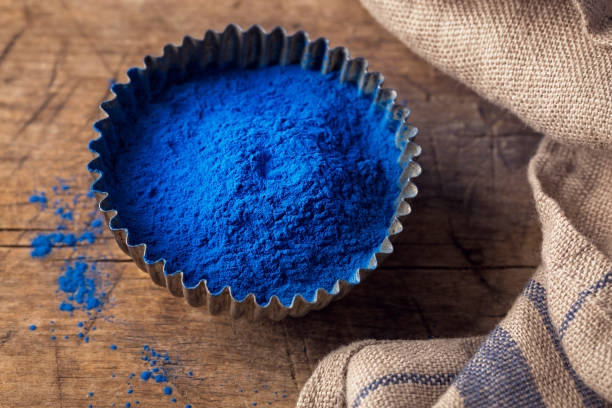
The use of spirulina algae is not a modern wellness trend but an ancient practice. For centuries, it was a vital food source for the Aztecs and other Mesoamericans, who harvested it from the surface of Lake Texcoco in Mexico. They called it “tecuitlatl,” forming it into nutrient-dense cakes that sustained their population. Similarly, indigenous peoples near Lake Chad in Africa have harvested and consumed spirulina for generations. This long history demonstrates its value as a sustainable and concentrated source of nutrition, recognized long before modern scientific analysis confirmed its benefits.
A Modern Marvel: Its Adoption by NASA Astronauts for Space Missions and Contemporary Research
Spirulina’s journey from ancient lakes to outer space marks its transition into a modern superfood. Recognizing its incredible nutrient density and efficiency, NASA proposed spirulina as a primary food source for astronauts on long-term space missions. Its ability to provide comprehensive nutrition in a small, lightweight form made it ideal for the extreme conditions of space travel. This high-profile adoption spurred further research, solidifying the reputation of spirulina algae and its extracts, like phycocyanin, as powerful tools for human health and performance.
The Nutrient Profile: What’s Inside Blue Spirulina That Makes It So Potent?
Essential Macronutrients: Proteins, Carbohydrates, and Healthy Fats
While blue spirulina is primarily prized for its phycocyanin content, the original spirulina algae from which it’s derived boasts an impressive macronutrient profile. It is a complete protein, containing all essential amino acids. It also provides easily digestible carbohydrates for energy and a small amount of healthy fats, including gamma-linolenic acid (GLA), an essential fatty acid with anti-inflammatory benefits. This foundation of balanced macronutrients contributes to its overall efficacy as a superfood.
Key Micronutrients: Vitamins, Minerals, and Phytonutrients
Spirulina is a treasure trove of micronutrients. It is rich in B vitamins (B1, B2, B3), which are crucial for energy production, and contains significant amounts of minerals like iron, essential for oxygen transport, and magnesium, involved in hundreds of bodily functions. Beyond vitamins and minerals, it is loaded with phytonutrients, including carotenoids like beta-carotene, which the body converts to vitamin A, supporting vision and immune health.
The Phycocyanin Advantage: Highlighting its dominance and contribution to the overall profile
The defining feature of blue spirulina is the purified concentration of phycocyanin. While green spirulina contains this compound, the extraction process makes it the dominant, active ingredient in the blue powder. This concentration amplifies its specific benefits, particularly its antioxidant and anti-inflammatory capacity. By isolating phycocyanin, blue spirulina offers a targeted approach to harnessing one of nature’s most powerful protective compounds without the other components of the algae.
Unlocking the Ultimate Health Benefits of Blue Spirulina
Potent Antioxidant and Anti-Inflammatory Power: The Foundation of Its Health Claims
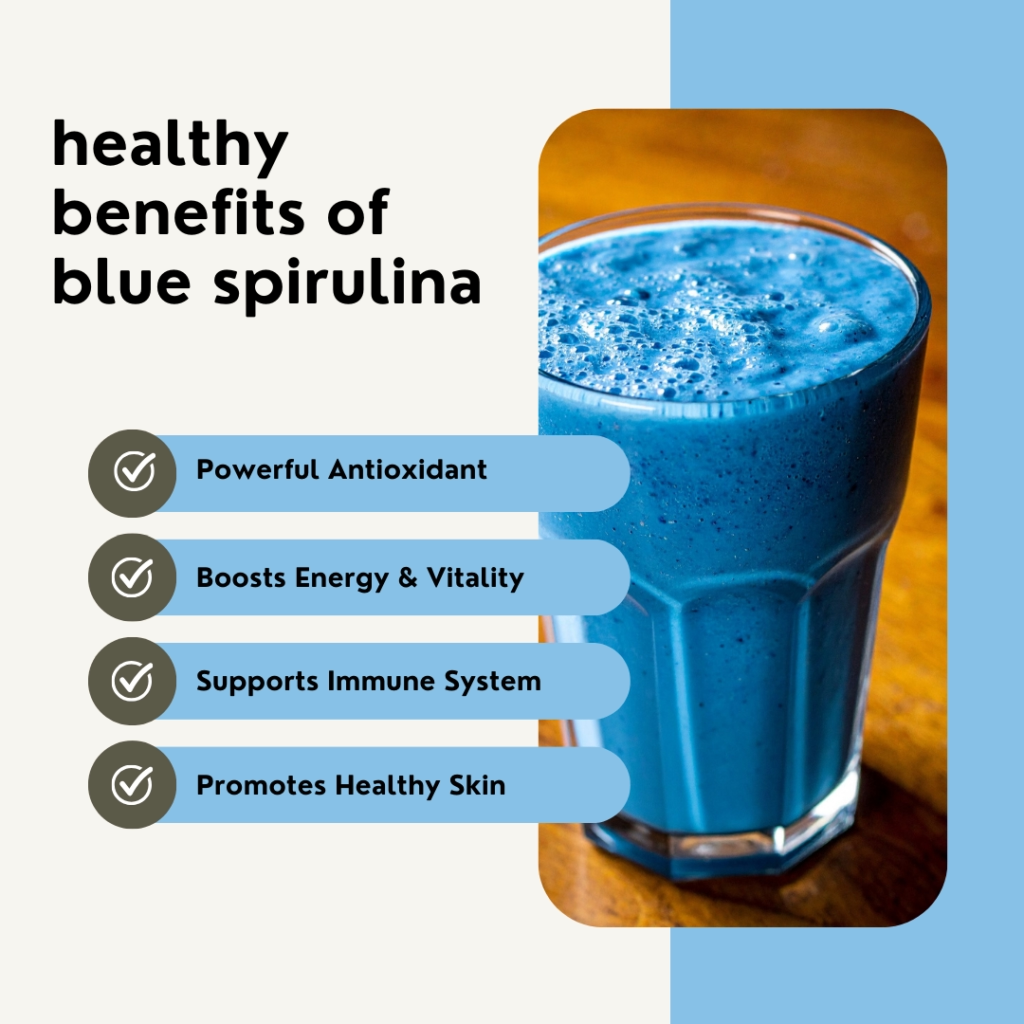
The core of blue spirulina’s health benefits stems from phycocyanin’s ability to combat oxidative stress and inflammation. Oxidative stress, caused by an imbalance of free radicals and antioxidants, is a root cause of chronic disease and aging. Phycocyanin is a potent free radical scavenger and helps inhibit the production of inflammatory signaling molecules, providing a foundational defense mechanism for the body’s cells.
Supporting a Robust Immune System: Strengthening Your Body’s Natural Defenses
Phycocyanin plays a crucial role in enhancing immune functions. It can stimulate the production of antibodies and cytokines, which are key communicators in the immune system. By modulating immune responses, it helps the body fight off pathogens more effectively. Its potential to regulate the immune system also makes it an area of interest for managing conditions related to overactive immune responses, such as autoimmune diseases.
Boosting Cardiovascular Health: Nurturing Your Heart and Blood Vessels
Blue spirulina offers significant benefits for cardiovascular health. Its primary mechanism is promoting the production of nitric oxide, a molecule that helps relax and dilate blood vessels. This effect can lead to improved blood flow and lower blood pressure, reducing strain on the heart. Furthermore, a 2023 review suggested that spirulina supplementation can positively impact cholesterol levels by lowering “bad” LDL cholesterol and triglycerides while increasing “good” HDL cholesterol, supporting overall heart health.
Enhancing Brain Health and Cognitive Function: Fueling Your Mind
The brain is highly susceptible to oxidative stress due to its high metabolic rate. The antioxidant properties of phycocyanin help protect brain cells from damage, which may support long-term cognitive function and reduce the risk of neurodegenerative diseases. Its anti-inflammatory effects also play a role in maintaining a healthy neural environment, essential for optimal brain performance.
Aiding in Blood Sugar Management: A Natural Approach to Glycemic Balance
Emerging research suggests that spirulina may help in managing blood sugar levels. Studies have shown it can improve insulin sensitivity, allowing the body to use glucose more effectively. By helping to stabilize blood sugar, blue spirulina can be a supportive supplement for individuals looking to maintain healthy glycemic control.
Potential for Weight Management: Supporting a Healthy Metabolism
Blue spirulina can be a useful ally in weight management. Its high protein content can promote satiety, helping to reduce overall calorie intake. Furthermore, its ability to support healthy blood sugar and reduce inflammation can contribute to a more efficient metabolism. By addressing underlying metabolic factors, it may help individuals achieve and maintain a healthy body mass index (BMI).
Detoxification and Cleansing: Eliminating Harmful Substances
Spirulina has shown promise as a natural detoxifying agent. It possesses chelating properties, meaning it can bind with heavy metals like arsenic, lead, and mercury, facilitating their removal from the body. This cleansing action helps reduce the toxic load on vital organs like the liver and kidneys.
Other Emerging Benefits
Research continues to uncover more potential benefits. Phycocyanin has demonstrated antiviral properties in some lab studies, including against viruses like Herpes simplex. Its antimicrobial effects may also help reduce dental plaque and support oral health. While more human studies are needed, these emerging areas highlight the vast therapeutic potential of this blue pigment.
How to Incorporate Blue Spirulina into Your Daily Routine: Practical Usage Tips
Simple and Delicious Usage Ideas:
Blue spirulina’s neutral taste makes it incredibly versatile.
- Smoothies & Bowls: Add a teaspoon to your favorite smoothie or açai bowl for a brilliant blue color without changing the flavor.
- Lattes & Drinks: Whisk it into plant-based milk for a “mermaid latte” or add it to lemonade for a stunning visual effect.
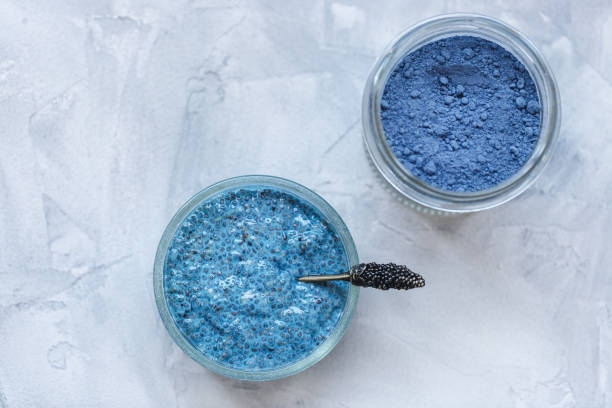
- Yogurt & Oats: Stir it into yogurt, oatmeal, or chia pudding for a nutritious and colorful breakfast.
- Baking: Incorporate it into frostings, energy balls, or raw desserts as a natural food coloring.
Recommended Blue Spirulina Products
Blue spirulina is a vibrant, nutrient-rich superfood that not only enhances your wellness but also adds a beautiful blue hue to smoothies, lattes, and recipes. To help you get started, here are some of the most trusted blue spirulina powders available on Amazon:
- E3Live Blue Majik Powder – A premium blue spirulina extract, popular for smoothies and wellness drinks.
- Suncore Foods Blue Spirulina Powder – Known for its bright color and smooth blend, perfect for creative recipes.
- Micro Ingredients Organic Blue Spirulina – USDA organic, non-GMO, and tested for purity, offering a clean nutrient boost.
- Terrasoul Superfoods Blue Spirulina Powder – High-quality, vibrant powder, ideal for baking, lattes, or smoothie bowls.
These blue spirulina supplements are available directly on Amazon. When you purchase through these links, you’ll enjoy high-quality superfoods while supporting the continued creation of wellness resources like this guide.
Recommended Dosage and Best Practices:
Start with a small amount, typically 1-2 teaspoons (around 3-5 grams) per day, and observe how your body responds. Since it’s a concentrated extract, a little goes a long way. It’s best to use it in raw or low-heat preparations to preserve the integrity of the phycocyanin.
Storage Tips: Preserving Potency and Freshness
To protect its potent compounds from degradation, store blue spirulina powder in a cool, dark, and dry place. An airtight container is essential to keep out moisture and light, which can diminish its quality and vibrant color over time.
Important Considerations: Potential Side Effects and Precautions
Who Should Be Cautious: Specific conditions, medications, and allergies
Blue spirulina is generally considered safe for most people. However, certain individuals should exercise caution:
- Autoimmune Diseases: Because it can stimulate the immune system, those with conditions like lupus, multiple sclerosis, or rheumatoid arthritis should consult a doctor before use.
- PKU (Phenylketonuria): Spirulina contains the amino acid phenylalanine and should be avoided by those with this rare genetic disorder.
- Blood Clotting Issues: Individuals on blood-thinning medications should speak with a healthcare provider, as spirulina may have mild anticoagulant effects.
- Source Quality: Always choose blue spirulina from a reputable source that tests for heavy metals and other contaminants to ensure purity and safety.
Conclusion
Blue spirulina, powered by the potent pigment phycocyanin, stands out as more than just a colorful food trend. It is a scientifically backed superfood with a rich history and a vast array of health benefits. From its foundational role as a powerful antioxidant and anti-inflammatory agent to its targeted support for the immune system, cardiovascular health, and brain function, it offers a holistic approach to wellness.
By understanding its unique properties and how to incorporate it into a daily routine, you can unlock the vibrant potential of this ancient blue-green algae. Whether you’re blending it into a morning smoothie or stirring it into a post-workout snack, blue spirulina offers an easy, beautiful, and effective way to elevate your health. As with any supplement, consulting with a healthcare professional is a wise step to ensure it aligns with your individual health needs and goals.