
Ashwagandha Benefits are everywhere online — from stress relief and better sleep to testosterone boosts and sharper cognition. But most articles repeat the same generic claims without explaining what the clinical research actually supports. If you are considering supplementation, the real question isn’t whether ashwagandha is “good.” It’s which benefits are backed by controlled human trials, in what populations, at what dosages, and with what limitations.
Modern life produces a form of chronic, low-grade stress that doesn’t always look dramatic. It shows up as persistent fatigue, restless sleep, reduced recovery capacity, diminished motivation, and subtle hormonal shifts. Lab values may fall within “normal” ranges, yet subjective well-being steadily declines. This is precisely the context in which Withania somnifera, commonly known as ashwagandha, has been studied most intensively.
Traditionally classified in Ayurveda as a rasayana (rejuvenative tonic), ashwagandha is now one of the most researched adaptogens in clinical nutrition. Randomized controlled trials have investigated its effects on cortisol regulation, perceived stress scores, sleep architecture, testosterone in specific male populations, exercise performance, and cognitive resilience. Some of these outcomes show consistent, reproducible results. Others remain preliminary or population-dependent.
The problem is not that ashwagandha lacks evidence — it’s that the evidence is often misrepresented. It is not a universal testosterone enhancer. It is not a sedative equivalent to prescription sleep medication. It is not a replacement for metabolic therapy. Its strongest and most reliable benefit appears in stress modulation and hypothalamic–pituitary–adrenal (HPA) axis regulation.
This guide examines the research with precision. You will see where the data is strong, where it is moderate, where it is emerging, and where marketing claims outpace science. If you are going to use ashwagandha, the decision should be informed by evidence, not trend momentum.
2. What Is Ashwagandha? (Botanical & Pharmacological Profile)
To understand what ashwagandha can actually do, it helps to start with what it is — botanically, chemically, and biologically. When you strip away the marketing language, you’re left with a plant that has a well-defined profile and increasingly studied mechanisms of action.
2.1 Botanical Background
Ashwagandha’s scientific name is Withania somnifera (L.) Dunal, a small shrub in the Solanaceae family — the same family as tomatoes and eggplants. It grows primarily in India, the Middle East, and parts of Africa. The part most commonly used in supplements is the root, although the leaves also contain active compounds.
Here’s where it gets important: root and leaf extracts are not interchangeable.
- Root extracts are traditionally used in Ayurveda and are the most studied in human clinical trials.
- Leaf extracts often contain higher concentrations of certain compounds, like withaferin A, which may have stronger biological activity but can also be more stimulating or less studied in long-term safety contexts.
Most reputable supplements use root-only extracts, especially when aiming for stress reduction and cortisol modulation.
In Ayurvedic medicine, ashwagandha is classified as a Rasayana herb, meaning it is considered rejuvenating and supportive of vitality, resilience, and longevity. Traditionally, it has been used for weakness, nervous exhaustion, sleep disturbances, and reproductive health. While these uses inform modern research directions, they are not automatically equivalent to clinical proof.
2.2 Active Compounds
Ashwagandha’s biological effects come from a group of naturally occurring compounds, primarily:
Withanolides
These are steroidal lactones and are considered the primary bioactive compounds in ashwagandha. Most standardized extracts are measured by their total withanolide content. Clinical studies often use extracts standardized to 5% withanolides, though some go higher.
Withanolides are thought to contribute to:
- Stress adaptation
- Anti-inflammatory activity
- Neuroprotective effects
Withaferin A
This is one specific withanolide that has been studied for anti-inflammatory and potential anti-cancer properties (mostly in preclinical research). It is more concentrated in leaf extracts. While biologically potent, it may not be ideal for everyone at higher concentrations due to its strong activity profile.
Alkaloids and Sitoindosides
These compounds are also present in the plant and may contribute to:
- Nervous system modulation
- Immunomodulatory effects
- Adaptogenic activity
Although withanolides receive most of the attention, ashwagandha likely works through a synergistic interaction of multiple compounds, not a single “magic molecule.”
How Standardisation Works
When you see a label that says “5% withanolides,” that means the extract has been processed so that 5% of its weight consists of withanolides. For example:
- 600 mg extract standardized to 5% withanolides
- Provides 30 mg total withanolides
This matters because raw root powder might contain far less active compound per gram. Without standardization, potency varies widely depending on growing conditions, harvesting, and processing.
In other words, two products labelled “ashwagandha” can differ dramatically in pharmacological strength.
2.3 Mechanisms of Action (What Happens Biologically)
Now let’s talk about what happens inside the body when someone takes a clinically relevant dose of standardized ashwagandha.
HPA Axis Modulation
The hypothalamic–pituitary–adrenal (HPA) axis is your central stress-response system. Chronic stress can dysregulate this system, leading to elevated cortisol, fatigue, anxiety, and sleep disruption.
Ashwagandha appears to help normalize HPA axis signalling. Rather than simply sedating the nervous system, it reduces excessive stress signalling, especially in individuals with elevated stress markers.
This is one reason it’s categorized as an adaptogen — it may help bring the stress response back toward balance rather than suppressing it outright.
Cortisol Regulation
Several human trials show that standardized ashwagandha extracts can reduce serum cortisol levels in chronically stressed adults. Lowering elevated cortisol may contribute to:
- Improved sleep
- Reduced anxiety
- Better perceived stress control
- Potential improvements in abdominal fat accumulation (indirectly)
However, it does not appear to drastically lower cortisol in individuals who already have normal levels, which supports the idea of regulatory rather than suppressive action.
GABA-Mimetic Activity
Ashwagandha may influence GABAergic signalling, the same calming neurotransmitter system targeted by anti-anxiety medications (though much more mildly).
GABA helps reduce neuronal excitability. By supporting this pathway, ashwagandha may:
- Reduce feelings of nervous tension
- Improve sleep quality
- Decrease stress-related restlessness
Importantly, it does not function like a benzodiazepine. Its effect is modulatory and generally subtler.
Thyroid Modulation
Emerging research suggests ashwagandha may increase T3 and T4 thyroid hormone levels in individuals with subclinical hypothyroidism. This effect appears modest but clinically relevant in some cases.
This means:
- It may support thyroid function in certain individuals.
- It may not be appropriate for people with hyperthyroidism.
This is an example of why context and medical history matter before supplementation.
Anti-Inflammatory Pathways (NF-κB & Cytokines)
Ashwagandha demonstrates anti-inflammatory activity in both preclinical and some human studies. Mechanistically, it may:
- Inhibit NF-κB, a transcription factor that promotes inflammatory signalling
- Reduce pro-inflammatory cytokines like IL-6 and TNF-α
Chronic low-grade inflammation is linked to stress, metabolic dysfunction, and neurodegeneration. By modulating inflammatory signalling, ashwagandha may indirectly support resilience and recovery.
Bottom Line
Ashwagandha is not just a “stress herb.” It is a botanically complex plant containing multiple active compounds that influence:
- Stress-response regulation
- Neurotransmitter activity
- Hormonal balance
- Inflammatory pathways
But the effects depend heavily on extract type, dosage, and individual physiology. Understanding this foundation prevents overgeneralization and sets the stage for evaluating its actual clinical benefits in the next section.
Ashwagandha benefits
3. Stress & Cortisol Reduction
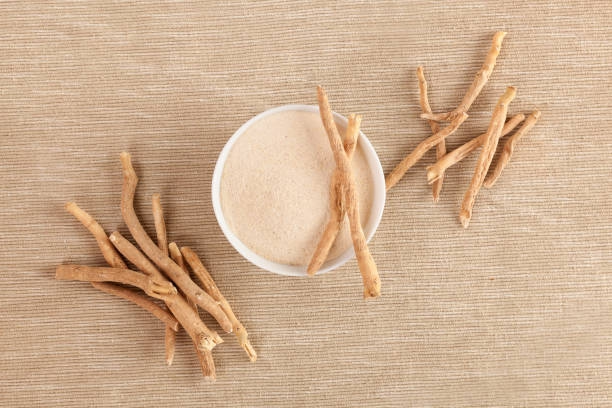
One of the most substantiated effects of ashwagandha in clinical research is its impact on stress and the body’s stress hormone, cortisol. Unlike generic “benefits lists,” this section focuses on what actual randomized controlled trials (RCTs) show.
What Research Shows
Several well-designed RCTs have evaluated ashwagandha’s effects on perceived stress and biological stress markers such as morning serum cortisol. In a 60-day, double-masked, placebo-controlled trial, adults taking 240 mg of a standardized ashwagandha extract daily had significantly greater reductions in morning cortisol and stress scores compared with placebo, with no serious adverse events reported. Another RCT that compared multiple doses (125 mg, 250 mg, and 500 mg/day) found that even the lowest dose safely reduced perceived stress over eight weeks, with cortisol modulation linked to hypothalamic–pituitary–adrenal (HPA) axis balancing.
In an earlier trial using 300 mg twice daily, both stress-assessment scores and serum cortisol levels dropped significantly after 60 days of supplementation compared with placebo. Results from a fairly large systematic review and meta-analysis also support these findings, reporting significant reductions in cortisol and stress scores in adults taking ashwagandha supplements for at least 8 weeks.
Across these studies, typical effective dosages fall in the 300–600 mg per day range of standardized extract, usually taken for 30–90 days to observe measurable improvements.
Clinical Strength
The evidence for stress reduction from ashwagandha supplementation is moderate to strong in adults experiencing chronic or self-reported high stress. The RCT design, placebo control, and consistent direction of effects in multiple studies give confidence that ashwagandha can genuinely reduce cortisol and stress symptoms when taken at research-aligned doses.
What It Does Not Do
Despite these positive findings, it’s important to set realistic expectations:
- Not an immediate anti-anxiety medication: Ashwagandha does not work like pharmacological anxiolytics (e.g., benzodiazepines or SSRIs). Its effects emerge over weeks of consistent use rather than within hours.
- Not equivalent to SSRIs or clinical anti-anxiety drugs: While some anxiety symptoms may improve with ashwagandha, the magnitude and mechanism are different from those of clinically prescribed antidepressants or anxiolytics, and it should not replace treatment recommended by a mental health professional.
In summary, for adults under chronic stress, ashwagandha supplementation at evidence-based doses is associated with meaningful reductions in cortisol and stress markers over time. Still, it is a supportive botanical strategy, not an instant pharmacological fix.
4. Anxiety & Mood Support
One of the common reasons people take ashwagandha is to manage anxiety symptoms and mood disturbances, but the question is: Does science back this up? A growing body of research — including randomized, placebo-controlled trials and systematic reviews — suggests that ashwagandha may help reduce anxiety symptoms more than a placebo in adults, particularly when taken over several weeks.
Effects on Generalized Anxiety Symptoms
Multiple clinical studies measuring anxiety with validated scales (like the Hamilton Anxiety Rating Scale, HAM-A) have found significant reductions in anxiety scores among people taking standardized ashwagandha extract compared with placebo. For example, one RCT reported that after daily supplementation, participants experienced greater reductions in anxiety levels than those taking a placebo, with few adverse events. Meta-analyses of these trials show that ashwagandha supplementation significantly reduces anxiety symptoms compared with placebo across diverse populations and study designs. Some trials also demonstrate related improvements in mood and stress scores alongside anxiolytic effects.
Comparison With Placebo
Across pooled analyses, ashwagandha has been associated with greater declines in anxiety scores than placebo. In systematic reviews including dozens of participants and multiple RCTs, the standardized mean differences consistently favour ashwagandha over placebo for anxiety reduction, suggesting effects beyond simple expectation or time-based improvement. However, study heterogeneity (differences in extract type, dose, and population) means results should be interpreted with nuance — not every single study shows large effects, and individual responses vary.
Onset Timeline (6–8 Weeks Typical)
Unlike fast-acting anxiolytic medications, ashwagandha’s benefits tend to develop gradually. Most clinical trials measure outcomes after 6 to 8 weeks (or longer) of daily supplementation before significant improvements in anxiety or mood are observed. This aligns with the idea that plant compounds like withanolides work through modulation of stress pathways and neurotransmitter systems over time rather than producing immediate calming effects.
Limitations of Current Research
Although the evidence for anxiety and mood support is growing, it’s not without limitations. Many studies have relatively small sample sizes, differing extract formulations, and variable dosing protocols, which can make direct comparisons challenging. Some reviews note high between-study heterogeneity and potential bias in individual trials, underscoring the need for larger, long-term, high-quality RCTs before firm clinical recommendations can be made. Additionally, effects in specific anxiety disorders (e.g., generalized anxiety disorder) and in people taking conventional anxiolytic medications require further well-controlled investigation.
Evidence Grade: Moderate but Still Evolving
Overall, the evidence for ashwagandha’s anxiety and mood effects is moderate: many randomized, placebo-controlled trials and meta-analyses show benefit, but variability in study design and extract formulation means the research base continues to develop. While ashwagandha is not a replacement for clinically prescribed anxiety treatments, it may serve as a complementary option for some adults experiencing mild-to-moderate anxiety when used consistently at research-aligned doses.
5. Sleep Quality & Insomnia
Clinical research suggests that ashwagandha extract can positively influence sleep onset, overall sleep quality, and total sleep time, particularly in adults with sleep difficulties. A systematic review and meta-analysis of RCTs found a small but statistically significant improvement in overall sleep measures — including latency, duration, and efficiency — in participants taking standardized ashwagandha extract compared with placebo. The effects were most noticeable in adults with insomnia, at dosages ≥600 mg/day for ≥8 weeks.
In a large randomized, double-masked, placebo-controlled study of 150 adults with non-restorative sleep, supplementation with ashwagandha extract significantly reduced sleep onset latency (time to fall asleep), increased total sleep time, and improved sleep efficiency relative to placebo after six weeks of daily use. Objective actigraphy measures (motion-based sleep tracking) supported these improvements, and participants also reported better subjective sleep quality.
Another RCT involving both healthy volunteers and individuals with insomnia showed meaningful improvements in sleep onset latency, total sleep time, wake after sleep onset, and sleep efficiency for those taking ashwagandha root extract compared with placebo over eight weeks. Similar results were reported in a study targeting insomnia, where ashwagandha (300 mg twice daily) significantly improved multiple sleep parameters — including the Pittsburgh Sleep Quality Index (PSQI) score and actigraphy-measured latency and efficiency — versus placebo after 10 weeks.
Mechanism via GABA Receptors
Preclinical research provides a biological context for these sleep effects. Animal studies using ashwagandha extract demonstrate sleep-promoting activity through GABAergic pathways — that is, modulation of GABA_A and GABA_B receptors, which play a key role in inhibiting neuronal excitability and promoting relaxation and sleep. In rodent models, ashwagandha increased non-rapid eye movement (NREM) sleep duration and enhanced EEG slow-wave activity linked to deep sleep while reducing time to sleep onset, consistent with GABA receptor engagement.
Best Dosage Timing (Evening Use)
While human trials vary in dosing schedules, evening supplementation — generally 30–60 minutes before bedtime — aligns with clinical practices for sleep support and mirrors timing used in studies showing sleep improvements. Doses in the range of 300–600 mg standardized extract per day (especially on the higher end) over 6–10 weeks tend to produce the most consistent results.
Evidence Grade: Moderate
The evidence supporting ashwagandha’s effects on sleep quality and insomnia is moderate: multiple randomized, placebo-controlled trials demonstrate measurable improvements in sleep onset, duration, and efficiency in both healthy adults with non-restorative sleep and people experiencing insomnia. However, research is still evolving, and larger, longer-term studies would strengthen confidence in these effects and clarify optimal dosing strategies.
Summary: Ashwagandha supplementation — particularly with standardized extracts at appropriate doses — is associated with faster sleep onset, longer total sleep time, and better sleep efficiency in adults with sleep complaints, likely in part through GABA-related mechanisms. Consistent use over several weeks (not a single dose) is key to meaningful improvement.
6. Testosterone & Male Fertility
Research into ashwagandha’s effects on testosterone levels and male reproductive health shows some promising results — especially in men with stress, low reproductive function, or infertility — but it’s important to interpret the evidence with nuance. Overall, the evidence is moderate in specific populations but not consistent enough to claim universal hormone-boosting effects for all men, especially healthy athletes.
6.1 Testosterone Levels
Several clinical studies indicate that ashwagandha supplementation can increase serum testosterone, particularly in men who have lower baseline levels or reproductive concerns. In an 8-week randomized, double-masked, placebo-controlled trial of adult men with low sexual desire, those taking 300 mg of standardised ashwagandha extract twice daily showed a statistically significant increase in serum testosterone levels compared with placebo. (turn0search2)
Another clinical crossover study in overweight aging men taking a standardized extract for 8 weeks found that ashwagandha was associated with a greater percentage increase in testosterone compared with placebo (approximately 14.7% in one arm of the study). However, the between-group differences in other outcomes, like sexual well-being, were not statistically significant. (turn0search5)
These findings suggest that ashwagandha may support modest increases in testosterone in certain men, particularly those under physiological or age-related stress. Still, results vary by population and baseline hormone status.
6.2 Sperm Quality
There is stronger and more consistent evidence for ashwagandha’s effects on sperm parameters in men with infertility. In a randomized, placebo-controlled pilot study of men with oligospermia (low sperm count), those treated with 675 mg/day of an ashwagandha root extract for 90 days experienced significant improvements in semen parameters compared with placebo. Specifically, sperm concentration increased by about 167%, semen volume by 53%, and sperm motility by 57% over baseline. Additionally, serum testosterone increased by approximately 17% in the treatment group, alongside a rise in luteinizing hormone (LH). (turn0search0)
A systematic review of clinical and observational evidence also highlights these improvements in sperm count, motility, and seminal volume, as well as enhanced antioxidant status in seminal plasma, which may help protect developing sperm cells from oxidative damage. However, the authors note that the number of high-quality RCTs is limited and further research is needed to strengthen the evidence base. (turn0search3; turn0search13)
Important Distinction
The pattern that emerges from clinical research is that ashwagandha tends to show clearer benefits in men with reproductive challenges, stress-associated hormone disruption, or infertility than in healthy, young, athletic men without such issues. In otherwise healthy men, modest testosterone increases have been observed in some studies but not consistently enough to establish a universally strong effect.
This distinction matters because many supplement claims extrapolate findings from specific clinical groups to the broader population — a leap that current evidence does not fully support.
Evidence Grade: Moderate in Specific Populations
- Men with infertility or low sperm parameters: Moderate evidence of improved semen quality and related hormone increases in controlled trials.
- Serum testosterone in general populations: Some positive findings, but variable across studies and often modest in magnitude.
- Healthy athletes or high-performance men: Evidence is less consistent and generally does not show large testosterone changes compared with targeted clinical groups.
Overall, ashwagandha supplementation may be beneficial for male reproductive health and hormone support in select populations, but expectations should be set based on context — not broad “testosterone-boosting” marketing claims.
Read also Ultimate Turmeric Supplement Guide: Uses, Benefits, Dosage & Side Effects
6. Testosterone & Male Fertility
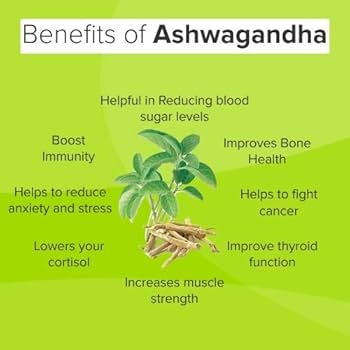
Research into ashwagandha’s effects on testosterone levels and male reproductive health shows some promising results — especially in men with stress, low reproductive function, or infertility — but it’s important to interpret the evidence with nuance. Overall, the evidence is moderate in specific populations but not consistent enough to claim universal hormone-boosting effects for all men, especially healthy athletes.
6.1 Testosterone Levels
Several clinical studies indicate that ashwagandha supplementation can increase serum testosterone, particularly in men who have lower baseline levels or reproductive concerns. In an 8-week randomized, double-masked, placebo-controlled trial of adult men with low sexual desire, those taking 300 mg of standardised ashwagandha extract twice daily showed a statistically significant increase in serum testosterone levels compared with placebo.
Another clinical crossover study in overweight aging men taking a standardized extract for 8 weeks found that ashwagandha was associated with a greater percentage increase in testosterone compared with placebo (approximately 14.7% in one arm of the study). However, the between-group differences in other outcomes, like sexual well-being, were not statistically significant.
These findings suggest that ashwagandha may support modest increases in testosterone in certain men, particularly those under physiological or age-related stress. Still, results vary by population and baseline hormone status.
6.2 Sperm Quality
There is stronger and more consistent evidence for ashwagandha’s effects on sperm parameters in men with infertility. In a randomized, placebo-controlled pilot study of men with oligospermia (low sperm count), those treated with 675 mg/day of an ashwagandha root extract for 90 days experienced significant improvements in semen parameters compared with placebo. Specifically, sperm concentration increased by about 167%, semen volume by 53%, and sperm motility by 57% over baseline. Additionally, serum testosterone increased by approximately 17% in the treatment group, alongside a rise in luteinizing hormone (LH).
A systematic review of clinical and observational evidence also highlights these improvements in sperm count, motility, and seminal volume, as well as enhanced antioxidant status in seminal plasma, which may help protect developing sperm cells from oxidative damage. However, the authors note that the number of high-quality RCTs is limited and further research is needed to strengthen the evidence base.
Important Distinction
The pattern that emerges from clinical research is that ashwagandha tends to show clearer benefits in men with reproductive challenges, stress-associated hormone disruption, or infertility than in healthy, young, athletic men without such issues. In otherwise healthy men, modest testosterone increases have been observed in some studies but not consistently enough to establish a universally strong effect.
This distinction matters because many supplement claims extrapolate findings from specific clinical groups to the broader population — a leap that current evidence does not fully support.
Evidence Grade: Moderate in Specific Populations
- Men with infertility or low sperm parameters: Moderate evidence of improved semen quality and related hormone increases in controlled trials.
- Serum testosterone in general populations: Some positive findings, but variable across studies and often modest in magnitude.
- Healthy athletes or high-performance men: Evidence is less consistent and generally does not show large testosterone changes compared with targeted clinical groups.
Overall, ashwagandha supplementation may be beneficial for male reproductive health and hormone support in select populations, but expectations should be set based on context — not broad “testosterone-boosting” marketing claims.
8. Cognitive Function & Memory
Research into ashwagandha’s effects on cognitive performance, memory, and neuroprotection is expanding. While the evidence is still early-stage, several human trials and pilot studies suggest potential benefits — particularly in working memory, attention, and general cognitive speed.
Effects on Working Memory & Cognitive Performance
A recent randomized, double-masked, placebo-controlled trial in adults with mild cognitive impairment (MCI) found that daily supplementation with a standardised ashwagandha extract improved immediate memory, general memory, working memory, attention, and processing speed compared with placebo over 60 days. Participants scored significantly higher on standardized tests such as the Wechsler Memory Scale-III (WMS-III), Montreal Cognitive Assessment (MoCA), and Mini-Mental State Examination (MMSE) after ashwagandha compared with placebo. These improvements occurred in both memory and visuospatial processing tasks.
In healthy adults, controlled studies of acute and short-term ashwagandha supplementation report improvements in working memory, sustained attention, reaction time, and executive function tasks compared with placebo or baseline assessments. For example, a crossover trial with 400 mg of a standardized extract demonstrated enhanced performance in working memory and sustained attention tests compared with a placebo.
Another clinical RCT using a sustained-release root extract found that ashwagandha improved recall memory and reduced cognitive errors over 90 days in healthy but stressed adults, suggesting the potential for broader cognitive effects. However, the primary focus of that study was stress and overall well-being.
Neuroprotective Potential
Preclinical research supports potential neuroprotective mechanisms for ashwagandha. In animal models of diet-induced cognitive dysfunction, ashwagandha leaf extract improved working memory and synaptic plasticity markers such as brain-derived neurotrophic factor (BDNF) and related signalling pathways, which are key components of learning and memory consolidation.
These findings provide biological plausibility for cognitive benefits — suggesting that ashwagandha may help protect neural circuits involved in memory and processing speed — but more human research is needed to clarify mechanisms in people.
Early Research in Mild Cognitive Impairment
The 2025 pilot study in adults with MCI is one of the first well-controlled clinical trials demonstrating that ashwagandha supplementation can lead to measurable improvements in cognitive scores in a population experiencing age-related or mild cognitive decline. Significant gains in memory tests were evident at both 30 and 60 days compared with placebo, highlighting a potential role for ashwagandha in cognitive support strategies.
Evidence Grade: Early-Stage
Although promising, the evidence for ashwagandha and cognitive enhancement remains early-stage. Human trials are relatively small, vary in extract type and dose, and are limited in duration. Many studies combine stress reduction and cognitive measures, making it difficult to isolate pure nootropic effects. Larger, longer-term RCTs with diverse populations are needed to confirm and refine these findings.
In summary, Ashwagandha shows potential to support working memory, attention, and certain aspects of cognitive processing, particularly in people with mild cognitive impairment or in structured research settings. These effects appear in multiple cognitive domains, but they should be viewed as emerging evidence rather than definitive proof of broad cognitive enhancement.
9. Thyroid Function
Ashwagandha’s influence on thyroid hormones is one of the more intriguing but complex and context-dependent effects noted in research. While some clinical data suggest it may help support thyroid hormone levels in certain cases of subclinical hypothyroidism, this benefit comes with important caveats — particularly regarding safety supervision and potential risks for hyperthyroidism or hormonal imbalance.
Increased T3/T4 in Subclinical Hypothyroidism
A well-conducted randomized, double-masked, placebo-controlled trial involving adults with subclinical hypothyroidism (elevated TSH with relatively low T3 and T4) showed that eight weeks of supplementation with 600 mg of standardised ashwagandha extract per day significantly improved thyroid hormone profiles compared with placebo. Participants experienced increases in T3 and T4, as well as improvements in TSH, bringing hormone levels closer to normal ranges.
This suggests that ashwagandha may support the hypothalamus–pituitary–thyroid (HPT) axis in people with low thyroid function, potentially through mechanisms that involve both stress hormone modulation and direct hormone synthesis influences. A broader endocrine review also notes that ashwagandha compounds can influence the secretion of thyroid hormones and normalize related axis activity, supporting this pilot evidence.
Risks for Hyperthyroidism and Why Medical Supervision Is Important
Human studies on ashwagandha and hyperthyroidism (overactive thyroid) are limited, and controlled clinical data in this area are essentially nonexistent. However, some evidence and expert commentary suggest that because ashwagandha can boost T3 and T4 levels, it could potentially exacerbate hyperthyroidism or contribute to thyrotoxicosis in susceptible individuals. Cases of increased thyroid hormone levels and symptoms of hormone overload have been noted in small, uncontrolled reports, though systematic research is lacking.
This is why medical supervision and regular thyroid testing are important if you are considering ashwagandha while having a known thyroid disorder or are on thyroid medication: hormone levels that are too high or rise unpredictably can have meaningful clinical consequences, including weight loss, heart palpitations, anxiety, or arrhythmias, especially if thyroid hormone replacement doses are not adjusted appropriately.
Even in studies where ashwagandha improved thyroid hormones, the changes tended to remain within normal physiological ranges and were most relevant for people with subclinical hypothyroidism, not typical levels. Post-market safety reports in healthy men given ashwagandha have not shown significant disruptions to thyroid hormones. Still, such broad safety data should not substitute for individual monitoring when thyroid disease or medication use is present.
Evidence Grade: Limited but Clinically Relevant
- Subclinical hypothyroidism: Moderate evidence from RCTs supports that ashwagandha supplementation may help normalize TSH, T3, and T4 over several weeks.
- Hyperthyroidism: Very limited human evidence; theoretical concerns based on mechanistic reasoning and small reports suggest potential exacerbation.
Healthy adults without thyroid issues: Safety studies indicate that normal thyroid hormone levels typically remain stable, but this does not rule out individual variability or subtler hormone regulation changes.
In summary, Ashwagandha may support thyroid hormone balance in people with mild hypothyroid tendencies. Still, it is not a standalone therapy, and its effects on thyroid hormones warrant medical supervision — especially for individuals with diagnosed thyroid conditions or those taking hormone medications. Regular hormone testing and professional consultation are key to safe use.
10. Blood Sugar & Metabolic Health
Ashwagandha has drawn interest for its potential to influence blood glucose regulation and metabolic health, but the evidence in humans is still preliminary and mixed. Some controlled trials and systematic reviews point to modest improvements in fasting glucose and insulin sensitivity, especially when used as part of a broader metabolic strategy rather than as a standalone “anti-diabetic” treatment.
Fasting Blood Glucose Effects
Clinical and observational data suggest that ashwagandha supplementation may modestly lower fasting blood glucose and related markers in people with type 2 diabetes or stress-related metabolic dysregulation. In a longer clinical trial of adults with type 2 diabetes, adding 300 mg of ashwagandha root powder to standard treatment (including metformin and glimepiride) significantly improved fasting blood glucose, post-prandial glucose, and HbA1c after six weeks compared with the control group receiving standard medications alone. This study also found a parallel reduction in stress hormone levels.
Systematic reviews of both preclinical and limited clinical data indicate that ashwagandha’s bioactive compounds — particularly withanolides — appear to modulate glucose homeostasis and improve HbA1c levels. However, the number of high-quality clinical trials remains small.
Insulin Sensitivity Findings
Preclinical evidence strongly supports ashwagandha’s role in improving insulin sensitivity and glucose tolerance. In a rodent model of insulin resistance, treatment with ashwagandha extract significantly reduced elevated glucose and insulin levels and improved indices of insulin sensitivity compared with untreated controls, suggesting a biological mechanism for enhanced insulin action.
Mechanistic reviews also highlight potential actions, including inhibition of carbohydrate-digesting enzymes, improved pancreatic β-cell function, and modulation of inflammatory pathways that contribute to insulin resistance. However, direct human evidence remains limited compared with the animal and in-vitro literature.
Comparison With Metformin (Not Equivalent)
It’s important to emphasize that ashwagandha is not equivalent to metformin or other first-line diabetes medications in potency, mechanism, or regulatory status. While one clinical report suggests that ashwagandha taken along with standard antidiabetic therapy may help improve glycemic parameters, it was not designed to test ashwagandha in place of metformin, nor can it establish that ashwagandha has the same efficacy.
Moreover, medical references note that ashwagandha’s glucose-lowering effects can be additive when combined with medications like metformin, potentially increasing the risk of hypoglycemia if blood sugars are not monitored.
Read also Chia Seeds Benefits: 15 Science-Backed Reasons to Add Them to Your Diet
11. Inflammation & Immune Modulation
Ashwagandha is frequently described as an “anti-inflammatory adaptogen,” but what does that actually mean in clinical terms? Current evidence suggests it may modestly reduce certain inflammatory biomarkers and influence immune signaling pathways; however, most data are either short-term human trials or preclinical mechanistic studies.
Overall, this remains an early-stage area of evidence in humans.
CRP Reductions (C-Reactive Protein)
C-reactive protein (CRP) is a widely used marker of systemic inflammation and cardiovascular risk.
A 2021 systematic review and meta-analysis of randomized controlled trials found that ashwagandha supplementation significantly reduced circulating CRP levels compared with placebo, particularly in individuals under chronic stress or with metabolic risk factors.
https://pubmed.ncbi.nlm.nih.gov/34333899
The magnitude of reduction varied across studies, and sample sizes were generally small. Importantly, most participants were not patients with inflammatory diseases — meaning the results reflect biomarker shifts, not disease treatment outcomes.
Cytokine Suppression (IL-6, TNF-α, NF-κB Pathways)
Beyond CRP, ashwagandha appears to influence inflammatory cytokines and transcription pathways.
A systematic review of clinical and preclinical data reported that ashwagandha extracts were associated with reductions in pro-inflammatory cytokines such as IL-6 and TNF-α, alongside modulation of NF-κB signaling — a central pathway in inflammatory gene expression.
https://pubmed.ncbi.nlm.nih.gov/33429237
Mechanistic studies suggest that withanolides may inhibit NF-κB activation, thereby downregulating inflammatory cascades.
https://pubmed.ncbi.nlm.nih.gov/25789746
However, much of this mechanistic evidence comes from cell culture or animal models. Translation into meaningful clinical outcomes in humans remains limited.
Potential Role in Autoimmune Conditions
Because autoimmune diseases involve chronic immune activation and inflammatory signaling, researchers have speculated about ashwagandha’s immunomodulatory potential.
Preclinical studies indicate that ashwagandha may balance Th1/Th2 immune responses and reduce autoimmune-related inflammatory markers in animal models.
https://pubmed.ncbi.nlm.nih.gov/27671898
That said, robust human clinical trials in autoimmune populations are lacking. There is currently insufficient evidence to recommend ashwagandha as a treatment for conditions such as rheumatoid arthritis, lupus, or multiple sclerosis.
In fact, because ashwagandha can stimulate aspects of immune function, caution is advised in individuals with autoimmune disorders or those taking immunosuppressive medications.
12. Who Benefits Most (Based on Data)
Ashwagandha does not affect all populations equally. Clinical trials consistently show stronger effects in individuals with measurable stress burden, hormonal disruption, or mild functional complaints rather than in already healthy, low-stress individuals. Below are the groups with the clearest evidence base.
1. Chronically Stressed Professionals
Multiple randomized controlled trials show that ashwagandha significantly reduces perceived stress scores and serum cortisol levels in chronically stressed adults.
A landmark double-blind RCT demonstrated significant reductions in stress and cortisol with 300 mg twice daily for 60 days:
https://pubmed.ncbi.nlm.nih.gov/23439798
A later randomized trial confirmed improvements in stress, anxiety, and well-being in working adults:
https://pubmed.ncbi.nlm.nih.gov/31517876
Why they respond best: These individuals have elevated HPA-axis activation and cortisol dysregulation — giving ashwagandha measurable physiological “room” to normalize stress biomarkers.
2. Men With Stress-Related Low Testosterone
Ashwagandha shows moderate evidence for increasing testosterone primarily in men with infertility or stress-suppressed hormone levels.
In infertile men, supplementation significantly increased testosterone levels and improved semen parameters:
https://pubmed.ncbi.nlm.nih.gov/19501822
These effects are less pronounced in healthy, resistance-trained men with normal baseline testosterone.
Key distinction: It supports normalization under stress conditions — it does not act as an anabolic steroid or supraphysiologic enhancer.
3. Adults With Mild Sleep Disturbances
Clinical trials indicate that ashwagandha improves sleep onset latency, sleep efficiency, and overall sleep quality, particularly in individuals with stress-related insomnia.
A randomized, double-masked, placebo-controlled study found significant improvements in sleep quality after 8 weeks of supplementation:
https://pubmed.ncbi.nlm.nih.gov/32540667
Mechanistically, improvements likely stem from cortisol reduction and GABA-mimetic activity rather than direct sedative action.
4. Individuals With Elevated Cortisol
A 2021 systematic review and meta-analysis concluded that ashwagandha supplementation significantly reduced circulating cortisol levels compared with placebo, especially in stressed populations:
https://pubmed.ncbi.nlm.nih.gov/34333899
People experiencing symptoms associated with high cortisol — such as fatigue, anxiety with physical tension, central weight gain, or difficulty relaxing — appear to experience the most noticeable improvements.
Evidence-Based Responder Profile
The data suggest ashwagandha works best in individuals with:
- Chronic psychological stress
- Elevated cortisol
- Stress-related testosterone suppression
- Mild sleep disturbances linked to stress
It appears most effective as a stress-axis regulator, not as a universal performance enhancer or rapid pharmaceutical substitute.
13. Who May Not Benefit (Or Should Avoid It)
Ashwagandha is generally well tolerated in short-term clinical trials, but “natural” does not mean universally safe. Certain populations either lack safety data or may experience adverse effects due to their endocrine, immune, or nervous system activity. Below are groups where caution — or avoidance — is recommended.
1. Pregnant or Breastfeeding Women
Ashwagandha has traditionally been classified in some herbal safety references as potentially abortifacient in high doses, and modern safety data in pregnancy are insufficient.
The NIH Office of Dietary Supplements notes that ashwagandha should be avoided during pregnancy due to possible risks, and there is inadequate safety data for breastfeeding women.
https://ods.od.nih.gov/factsheets/Ashwagandha-HealthProfessional
Because randomized safety trials in pregnant populations are ethically limited, the absence of evidence does not equal safety.
Recommendation: Avoid during pregnancy and lactation unless specifically cleared by a physician.
2. People With Autoimmune Disease
Ashwagandha may stimulate aspects of immune function, including increasing certain immune cell activity and modulating cytokine signaling.
The NIH monograph notes that ashwagandha may stimulate the immune system and could theoretically worsen autoimmune conditions such as rheumatoid arthritis, lupus, or multiple sclerosis.
https://ods.od.nih.gov/factsheets/Ashwagandha-HealthProfessional
While direct human harm data are limited, immune activation in autoimmune conditions is biologically plausible.
Recommendation: Use only under medical supervision if diagnosed with an autoimmune disorder.
3. Hyperthyroid Individuals
Clinical trials show that ashwagandha can increase T3 and T4 levels in individuals with subclinical hypothyroidism:
https://pubmed.ncbi.nlm.nih.gov/28829155
However, case reports document thyrotoxicosis associated with ashwagandha use, suggesting it may worsen hyperthyroidism:
https://pubmed.ncbi.nlm.nih.gov/32712362
Because it can influence thyroid hormone levels, individuals with hyperthyroidism or Graves’ disease should avoid unsupervised supplementation.
Recommendation: Contraindicated without physician monitoring in hyperthyroid patients.
4. Individuals Taking Sedatives or Thyroid Medication
Ashwagandha may enhance the effects of sedatives due to its GABA-mimetic and calming properties.
The NIH notes potential interactions with benzodiazepines, CNS depressants, thyroid hormone medications, and immunosuppressants.
https://ods.od.nih.gov/factsheets/Ashwagandha-HealthProfessional
Additionally, because it may increase thyroid hormone levels, combining it with levothyroxine could alter required dosing.
Recommendation: Individuals on:
- Benzodiazepines
- Barbiturates
- Sleep medications
- Thyroid hormone therapy
- Immunosuppressants
should consult their healthcare provider before use.
Evidence-Based Risk Profile
Ashwagandha should be avoided or carefully monitored in:
- Pregnancy and breastfeeding
- Autoimmune disease
- Hyperthyroidism
- Individuals on CNS depressants or thyroid medication
Most healthy adults tolerate standardized extracts at 300–600 mg daily in short-term trials (8–12 weeks), but long-term safety data remain limited.
14. Dosage Guide (Research-Based)
Dosage is one of the most misunderstood aspects of ashwagandha supplementation. Many benefit claims ignore a critical variable: extract type and standardization. Clinical trials do not use random raw powders — they typically use standardized extracts with defined withanolide concentrations. The effectiveness (and safety profile) depends heavily on this.
Below is a breakdown based on published human trials.
14.1 Extract Types
KSM-66® (Root-Only Extract, ~5% Withanolides)
KSM-66 is one of the most studied root-only extracts. It is typically standardized to ~5% withanolides and has been used in trials involving stress reduction, testosterone support, and athletic performance.
For example, the widely cited stress-reduction RCT used 300 mg twice daily of a high-concentration root extract:
https://pubmed.ncbi.nlm.nih.gov/23439798
A resistance-training study using 600 mg/day showed increases in muscle strength and testosterone compared to placebo:
https://pubmed.ncbi.nlm.nih.gov/26609282
Clinical profile: Balanced adaptogenic effect, commonly used for stress and performance.
Sensoril® (Root + Leaf Extract, ~10% Withanolides)
Sensoril contains both root and leaf extract and is typically standardized to a higher withanolide concentration (~10%).
It has been studied for stress and anxiety reduction in adults under chronic stress:
https://pubmed.ncbi.nlm.nih.gov/31517876
Because of its higher withanolide content, it may feel more calming or sedative in some individuals compared with root-only extracts.
Clinical profile: Often favored for stress and sleep support.
Generic Standardized Extracts
Many clinical trials reference “standardized ashwagandha extract” (usually 5% withanolides) without a branded form.
For example, in subclinical hypothyroidism, 600 mg/day of standardized root extract improved T3 and T4 levels:
https://pubmed.ncbi.nlm.nih.gov/28829155
When using non-branded extracts, the key variable is:
- % of withanolides
- Root vs leaf content
- Total daily milligram dosage
Without standardization, dosing becomes unpredictable.
14.2 Effective Dose Ranges (Based on Human Trials)
Stress Reduction
300–600 mg/day (typically divided into 1–2 doses)
Supported by multiple RCTs showing reductions in perceived stress and serum cortisol.
https://pubmed.ncbi.nlm.nih.gov/23439798
https://pubmed.ncbi.nlm.nih.gov/34333899
Sleep Support
250–600 mg/day, often taken in the evening
An 8-week randomized trial showed improved sleep quality and sleep onset latency with standardized extract use.
https://pubmed.ncbi.nlm.nih.gov/32540667
Testosterone & Male Fertility
600 mg/day (commonly 300 mg twice daily)
Used in trials showing improvements in testosterone and semen parameters in stressed or infertile men.
https://pubmed.ncbi.nlm.nih.gov/19501822
14.3 Timing: When to Take Ashwagandha
Morning Use
Best for:
- Daytime stress management
- Cortisol regulation
- Mood stabilization
Morning dosing may blunt excessive cortisol spikes in chronically stressed individuals.
Evening Use
Best for:
- Sleep support
- Nervous system calming
- Stress-related insomnia
Because some individuals experience mild sedation, evening dosing can enhance sleep onset.
With or Without Food?
Most clinical trials administered ashwagandha with meals, which may:
- Reduce mild gastrointestinal discomfort
- Improve tolerability
There is no strong evidence that food significantly alters absorption, but taking it with food improves compliance.
Practical Clinical Takeaways
- Most evidence-backed dose: 300 mg twice daily (600 mg total)
- Standardization matters more than brand marketing
- Effects are typically observed after 6–8 weeks of consistent use
- Higher doses are not necessarily more effective
Ashwagandha is dose-dependent and context-dependent. The research consistently supports moderate, standardized dosing — not megadosing
Read also Science-Backed Goji Berry Benefits for Whole-Body Wellness
15. Side Effects & Safety Profile
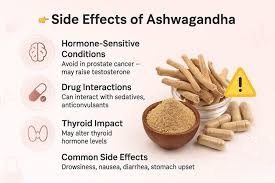
Ashwagandha is generally well tolerated in short-term clinical trials (typically 6–12 weeks), but like any bioactive compound, it is not risk-free. Most adverse effects reported in randomized controlled trials are mild and self-limiting. More serious events are rare but have been documented in case literature.
Overall safety data are strongest for standardized extracts at 300–600 mg/day for up to 12 weeks.
Common Side Effects (Usually Mild)
1. Gastrointestinal (GI) Upset
The most frequently reported adverse effects include:
- Mild nausea
- Stomach discomfort
- Loose stools
- Occasional diarrhea
In clinical stress trials, adverse events were typically mild and comparable to placebo rates:
https://pubmed.ncbi.nlm.nih.gov/23439798
Taking ashwagandha with food may reduce GI discomfort.
2. Drowsiness / Sedation
Because ashwagandha may modulate GABAergic activity and reduce cortisol, some individuals report:
- Mild drowsiness
- Fatigue
- Increased relaxation
These effects are usually mild but can be more noticeable at higher doses or when combined with sedative medications.
The NIH Office of Dietary Supplements notes potential additive sedative effects with CNS depressants:
https://ods.od.nih.gov/factsheets/Ashwagandha-HealthProfessional
Rare but Documented Risks
1. Thyroid Hormone Elevation
Clinical trials show ashwagandha can increase T3 and T4 levels in subclinical hypothyroidism:
https://pubmed.ncbi.nlm.nih.gov/28829155
However, there are documented case reports of thyrotoxicosis associated with ashwagandha use, suggesting potential risk in susceptible individuals:
https://pubmed.ncbi.nlm.nih.gov/32712362
Risk appears higher in individuals with pre-existing thyroid disorders or those taking thyroid medication.
2. Liver Injury (Extremely Rare but Reported)
Although uncommon, several case reports describe acute liver injury temporally associated with ashwagandha supplementation.
A case series documented reversible liver injury linked to ashwagandha products, with patients recovering after discontinuation:
https://pubmed.ncbi.nlm.nih.gov/31991029
These events are rare relative to widespread supplement use, but they are clinically relevant. The exact mechanism remains unclear, and product quality or contamination may play a role.
Long-Term Safety: Limited Data Beyond 12 Weeks
Most randomized controlled trials last:
- 6 to 8 weeks
- Occasionally, up to 12 weeks
Limited high-quality data is evaluating continuous use beyond three months. While traditional Ayurvedic use suggests longer historical consumption, modern standardized extract safety over extended periods has not been rigorously studied.
The NIH monograph confirms that long-term safety data remain limited:
https://ods.od.nih.gov/factsheets/Ashwagandha-HealthProfessional
Safety Summary
Most common effects:
- Mild GI discomfort
- Drowsiness
Rare but documented:
- Thyroid hormone elevation
- Reversible liver injury
Unknown:
- Long-term (>12 weeks) continuous use safety
Practical Risk Assessment
Ashwagandha appears safe for most healthy adults when used:
- At 300–600 mg/day
- For up to 8–12 weeks
- As a standardized extract
However, individuals with thyroid disorders, liver disease, autoimmune conditions, or those taking sedatives should consult a healthcare professional before use.
16. Ashwagandha vs Other Adaptogens (Evidence-Based Comparison)
Not all “adaptogens” act the same physiologically. While they’re grouped for stress resilience, their neuroendocrine effects, onset timelines, and best-use scenarios differ meaningfully.
Below is a research-based comparison of:
- Withania somnifera (Ashwagandha)
- Rhodiola rosea (Rhodiola)
- Ocimum tenuiflorum (Holy Basil / Tulsi)
- Panax ginseng (Panax Ginseng)
16.1 Ashwagandha vs Rhodiola
Mechanism Differences
Ashwagandha
- Reduces cortisol (HPA-axis modulation)
- GABA-mimetic calming effects
- Mild thyroid-stimulating potential
- Anabolic effects in stressed men
Rhodiola
- Primarily catecholaminergic (dopamine, norepinephrine modulation)
- Anti-fatigue effects
- AMPK and mitochondrial activity influence
- Faster onset, more stimulating
Rhodiola is typically more activating, while ashwagandha is more calming.
Stress & Anxiety
Ashwagandha has stronger data in generalized anxiety and chronic stress:
- Cortisol reductions of ~20–30% in RCTs
- https://pubmed.ncbi.nlm.nih.gov/23439798/
Rhodiola shows benefit for stress-induced fatigue, but less robust anxiety data:
- Fatigue reduction in stress-exposed subjects
- https://pubmed.ncbi.nlm.nih.gov/19016404/
Conclusion:
- Chronic anxiety → Ashwagandha preferred
- Stress-related fatigue → Rhodiola often better
Onset Speed
- Ashwagandha: Typically 6–8 weeks
- Rhodiola: Often noticeable within 1–2 weeks
Rhodiola is more suitable for short-term performance stress.
16.2 Ashwagandha vs Holy Basil (Tulsi)
Holy basil has less extensive RCT data but shows promising stress-modulating effects.
Stress improvement trial:
https://pubmed.ncbi.nlm.nih.gov/29020928
Key Differences
Ashwagandha
- Stronger cortisol data
- Testosterone and fertility support
- Sleep improvement evidence
Holy Basil
- Mild anxiolytic effects
- Possible blood glucose support
- Traditionally used for mood balance
Holy basil appears gentler and may suit individuals sensitive to stronger adaptogens.
Evidence Strength Comparison:
- Ashwagandha → Moderate evidence
- Holy basil → Early-to-moderate, smaller studies
16.3 Ashwagandha vs Panax Ginseng
Panax ginseng is more stimulating and performance-oriented.
Cognitive enhancement meta-analysis:
https://pubmed.ncbi.nlm.nih.gov/26148399
Glucose metabolism effects:
https://pubmed.ncbi.nlm.nih.gov/15734706
Energy & Performance
Panax Ginseng
- Acute cognitive boost
- Physical endurance enhancement
- Glucose regulation data
Ashwagandha
- Strength gains in resistance-trained men
- https://pubmed.ncbi.nlm.nih.gov/26609282/
- VO₂ max improvements
- More restorative than stimulating
Hormonal Effects
Ashwagandha:
- Testosterone increases in stressed/infertile men
- https://pubmed.ncbi.nlm.nih.gov/19789214/
Panax ginseng:
- Possible erectile function improvement
- Less consistent testosterone data
16.4 When to Choose Which
Choose Ashwagandha If:
- Chronic stress with elevated cortisol
- Generalized anxiety
- Mild sleep disturbance
- Stress-related low testosterone
- Recovery from overtraining
Best for: Burned-out professionals, anxious individuals, stressed men
Choose Rhodiola If:
- You feel exhausted but wired
- You need short-term performance support
- Mental fatigue is the primary issue
- You want a faster onset
Best for: High-pressure work periods, exam prep, temporary stress
Choose Holy Basil If:
- You want a gentler adaptogen
- Mild anxiety without major cortisol elevation
- You are sensitive to sedative effects
- You prefer traditional herbal tonics
Best for: Mild stress, beginners
Choose Panax Ginseng If:
- You need stimulation and energy
- Cognitive performance is a priority
- You want metabolic support
- You tolerate stimulatory herbs well
Best for: Athletic performance, cognitive sharpness
Evidence Strength Comparison 2026 Assessment
| Herb | Stress | Sleep | Testosterone | Performance | Evidence Grade |
|---|
| Ashwagandha | Stronger | Moderate | Moderate (specific groups) | Emerging | Moderate overall |
| Rhodiola | Moderate | Weak | None | Moderate | Moderate (fatigue) |
| Holy Basil | Mild | Limited | None | Limited | Early-stage |
| Panax Ginseng | Mild stress | Limited | Limited | Moderate | Moderate |
17. How to Choose a High-Quality Ashwagandha Supplement
The ashwagandha market is saturated with products that look similar on the label but differ dramatically in potency, standardization, and clinical relevance if you want results that reflect the research, selection criteria matter.
Here’s how to evaluate quality systematically:
1. Look for a Standardized Withanolide Percentage
Ashwagandha’s primary bioactive compounds are withanolides, and clinical trials almost always use standardized extracts, not raw root powder.
Most research-backed products are standardized to:
- 5% withanolides (common in KSM-66-style extracts)
- 10% withanolides (common in Sensoril-style extracts)
If the label does not clearly state the percentage of withanolides, you have no way of knowing the potency.
Avoid labels that say:
“500 mg ashwagandha root powder”
Raw powder may contain far lower active compound levels compared to standardized extracts used in trials.
2. Choose Third-Party Tested Products
Quality control is critical with herbal supplements.
Look for:
- NSF certification
- USP verification
- Third-party lab testing statements
- Batch-specific Certificates of Analysis (COAs)
Independent testing helps ensure:
- Accurate withanolide concentration
- No heavy metal contamination
- No adulterants
- Proper microbial screening
This is particularly important because contamination issues have occurred in the broader herbal supplement market.
3. Prefer Root-Only Extracts (Unless Clinically Justified)
Most human clinical trials use root extract, not leaf extract.
Leaf extracts:
- Often contain higher levels of withaferin A
- Maybe more stimulating
- Are less studied in long-term human trials
If your goal is stress reduction, testosterone support, or sleep improvement, choose root-based standardized extracts, since that’s what the data supports.
4. Avoid Proprietary Blends
“Proprietary blend” means the company does not disclose individual ingredient doses.
Red flags:
- Total blend amount listed, but no breakdown
- Ashwagandha mixed with multiple herbs at unknown doses
- No standardized percentage listed
Clinical research relies on specific dosages (e.g., 300–600 mg of standardized extract). If you can’t see the exact dose, you can’t replicate evidence-based outcomes.
5. Match the Extract Type to Your Goal
Different standardized extracts have slightly different profiles:
- KSM-66 → Commonly used for stress, testosterone, and athletic performance
- Sensoril → Often used for stress and sleep support
- Generic 5% standardized extracts → Can be effective if properly tested
The key isn’t branding — it’s:
- Verified standardization
- Transparent dosing
- Clinical-range dosage
Quick Quality Checklist
A high-quality ashwagandha supplement should:
✔ Clearly state the withanolide percentage
✔ Provide exact dosage per capsule
✔ Be third-party tested
✔ Use root extract (unless otherwise justified)
✔ Avoid proprietary blends
✔ Match clinical dosage ranges
Final Practical Advice
If a supplement:
- Hides dosing
- Emphasizes “mega strength” without standardization
- Uses vague marketing claims
- Lacks independent testing
…it likely prioritizes marketing over pharmacological precision.
Ashwagandha can be effective — but only when the extract type, dose, and quality match what clinical research actually studied.
Rea also Rosabella Moringa Capsules: Evidence-Based Benefits & Side Effects
Recommended Ashwagandha Supplements
Here are some popular and well-reviewed ashwagandha products available on Amazon that fit various needs and budgets. These picks are based on best-seller lists and widely carried formulas, including both traditional extract capsules and higher-dose options.
🌿 Best Overall Standardized Extract
Nutricost KSM-66 Ashwagandha 600 mg – 600 mg of root extract per serving with BioPerine for enhanced bioavailability. Full-spectrum vegetarian capsules designed for stress support and mood balance.
🧘 Best Budget-Friendly Full-Spectrum Supplement
NaturaLife Labs Organic Ashwagandha 2100 mg – Combines root powder and extract for a potent dose of ashwagandha in a vegan, non-GMO formula. Popular choice among Amazon best sellers for daily stress and wellness support.
🌱 Great Natural & Organic Option
Himalaya Organic Ashwagandha Root 670 mg – USDA Organic, vegan, gluten-free capsules using traditional herbal preparation. Suitable for those who prefer an organic herbal supplement.
🍬 Easy-to-Take Gummies
Goli Ashwagandha & Vitamin D Gummies – Combines KSM-66 ashwagandha with vitamin D in a tasty berry gummy format that’s vegan, non-GMO, and ideal for people who dislike pills.
🪶 Liquid or Specialty Extract Options
Gaia Herbs Ashwagandha Root Phyto‑Capsules – Herbal liquid-phyto capsules made from ashwagandha root extract; recommended by some nutrition experts for quality and purity.
18. Practical Protocol: How to Use Ashwagandha Strategically
Using Withania somnifera effectively requires more than “take and hope.” Clinical trials follow structured dosing windows and objective evaluation periods. You should do the same.
Below is a research-aligned protocol designed for stress reduction and general resilience.
18.1 Baseline Assessment (Week 0)
Before starting, establish a measurable baseline.
Track for 5–7 days:
- Perceived stress (1–10 daily rating)
- Sleep duration (hours)
- Sleep quality (1–10)
- Mood stability (1–10)
- Energy levels (1–10)
- Resting heart rate (optional)
- Training performance (if relevant)
If possible, consider:
- Morning cortisol (lab test)
- Total testosterone (if using for hormonal support)
Objective data prevent placebo-driven interpretation.
18.2 Core 8-Week Protocol
Dose
- 600 mg/day of standardized root extract
- (or 300 mg twice daily)
This mirrors common clinical trial dosing.
Extract Type
- Standardized 5% withanolides
- Root-only extract preferred
Timing Options
Option A – Split Dose (Most Stable)
- 300 mg morning
- 300 mg evening
Option B – Evening Focus (Sleep Priority)
- 600 mg 1–2 hours before bed
Option C – Morning Only (Performance Focus)
- 600 mg with breakfast
Take with food if prone to GI sensitivity.
18.3 What to Expect by Timeline
Week 1–2
- Subtle calming effect
- Possible mild drowsiness
Week 3–4
- Noticeable stress reduction
- Improved sleep consistency
Week 6–8
- Full effect window
- Potential hormonal or performance benefits
- More stable mood profile
Ashwagandha is not an acute stimulant. Effects accumulate.
18.4 Objective Evaluation (Week 8)
Reassess:
- Stress score change (≥20% improvement is meaningful)
- Sleep improvement
- Mood variability
- Energy consistency
- Lab markers (if tested)
If no measurable improvement after 8 weeks:
- Re-evaluate dosage
- Consider a different adaptogen
- Discontinue if ineffective
Do not continue indefinitely without reassessment.
18.5 Cycling Strategy
Long-term safety data beyond 12 weeks is limited.
Conservative strategy:
- 8 weeks on
- 2–4 weeks off
- Reassess
Alternatively:
- 5 days on, 2 days off (less evidence-based but commonly used)
18.6 When to Stop Immediately
Discontinue if you experience:
- Persistent GI distress
- Unusual fatigue
- Symptoms of hyperthyroidism (racing heart, heat intolerance)
- Mood flattening or emotional blunting
18.7 Who This Protocol Is For
Most appropriate for:
- Chronically stressed individuals
- Sleep-disrupted professionals
- Athletes under high load
- Men with stress-related testosterone suppression
Not appropriate for:
- Pregnant/breastfeeding individuals
- Autoimmune conditions without medical supervision
- Hyperthyroidism
- Concurrent sedative or thyroid medication without physician oversight
Strategic Summary
A disciplined protocol transforms ashwagandha from a generic supplement into a structured intervention:
- Establish baseline
- Dose consistently (600 mg/day)
- Run a full 8-week cycle
- Measure objectively
- Decide based on data
Supplements should be treated like controlled experiments — not indefinite habits.
20. Final Evidence Summary (Clinical Verdict)
Below is an evidence-tiered assessment of Withania somnifera based on randomized controlled trials (RCTs), meta-analyses, and mechanistic data.
This reflects clinical strength — not marketing claims.
✔ Strongest Evidence
1. Stress Reduction
Multiple double-masked RCTs show meaningful reductions in perceived stress scores versus placebo.
Effect profile:
- Reduced Perceived Stress Scale (PSS) scores
- Improved resilience markers
- Reduced anxiety symptoms in chronically stressed adults
Consistency across trials: High
2. Cortisol Lowering
Several studies demonstrate:
- ~20–30% reductions in serum cortisol
- Improved HPA-axis regulation
Most pronounced in:
- Chronically stressed individuals
- Those with elevated baseline cortisol
Consistency across trials: High to Moderate
Moderate Evidence
3. Sleep Quality
Findings include:
- Improved sleep latency
- Better sleep efficiency
- Reduced nighttime awakenings
Effect size:
- More noticeable in stressed individuals
- Less robust in primary insomnia cases
Consistency across trials: Moderate
4. Testosterone (Specific Populations)
Evidence strongest in:
- Stressed men
- Men with infertility
- Resistance-trained males
Findings:
- Increased testosterone in select populations
- Improved sperm parameters
- Enhanced strength gains during resistance training
Not consistently shown in:
- Healthy, non-stressed young men
Consistency across trials: Moderate, population-dependent
✔ Emerging Evidence
5. Cognitive Function
Preliminary findings:
- Improved reaction time
- Enhanced working memory
- Better executive function under stress
Limitations:
- Small sample sizes
- Short trial durations
Consistency across trials: Early-stage
6. Metabolic Support
Early evidence suggests:
- Modest reductions in fasting blood glucose
- Improved insulin sensitivity markers
- Possible lipid profile benefits
However:
- Effect sizes are modest
- Not a substitute for primary metabolic interventions
Consistency across trials: Preliminary
Evidence Hierarchy Overview
| Domain | Evidence Strength | Clinical Reliability |
|---|
| Stress reduction | Strong | High |
| Cortisol lowering | Strong | High |
| Sleep improvement | Moderate | Moderate |
| Testosterone | Moderate (specific cases) | Population-dependent |
| Cognition | Emerging | Early evidence |
| Metabolic support | Emerging | Preliminary |
Clinical Bottom Line
Ashwagandha is best classified as:
A moderately well-supported stress-modulating adaptogen with reliable cortisol-lowering effects.
It is not:
- A universal testosterone booster
- A primary sleep medication
- A metabolic treatment
- A cognitive enhancer equivalent to nootropics
Its strongest, most reproducible benefit remains chronic stress regulation via HPA-axis modulation.
When used appropriately, in clinically studied dosages, it is one of the better-supported herbal adaptogens currently available.