In the burgeoning world of health and wellness, few categories have captured as much attention as superfoods. Among these, two microscopic algae—chlorella and spirulina—have emerged as nutritional giants. Packed into vibrant green powders and convenient tablets, these ancient organisms are celebrated for their incredible nutrient density and potential to support a wide range of health goals. As interest in plant-based foods and potent food supplements grows, understanding the unique profiles of these algae is more critical than ever.
The global market reflects this rising demand. The overall microalgae-based products market is projected to grow substantially, reaching an estimated USD 497.4 Million by 2033, according to Global Growth Insights. This surge signifies a collective shift towards harnessing the power of nature for optimal health.
The Ascendancy of Algae Supplements: Why Chlorella VS Spirulina?
Chlorella and spirulina stand out due to their comprehensive nutritional value. They are both complete protein sources, containing all essential amino acids, and are rich in vitamins, minerals, and protective phytonutrients. Unlike many other plant-based foods, their concentrated nature makes them an efficient way to fill nutritional gaps, support the immune system, and promote overall vitality. Their distinct compositions, however, mean they offer different primary benefits, making the choice between them a key consideration for any health-conscious individual.
What This Guide Will Cover: Empowering Your Supplement Choice
This comprehensive resource is designed to cut through the confusion and provide a clear, evidence-based comparison of chlorella and spirulina. We will dissect their nutritional profiles, explore their unique and shared health benefits, and address critical factors like digestibility and bioavailability. By the end of this guide, you will have the knowledge to confidently select the ideal algae supplement that aligns perfectly with your personal wellness objectives.
Chlorella: The Green Freshwater Alga (Chlorella vulgaris)
Chlorella is a single-celled, spherical green alga that thrives in freshwater environments. Its vibrant green color comes from an exceptionally high concentration of chlorophyll, a key phytonutrient. It has been consumed for centuries for its dense nutritional makeup.
Understanding the Basics: Chlorella vs Spirulina Defined
 Key differences between Chlorella and Spirulina at the cellular level.
At a glance, both are green powders, but their biological classifications and growth environments differ significantly. Chlorella is a true alga, a eukaryotic organism with a defined nucleus. In contrast, spirulina is technically a cyanobacterium, a prokaryotic life form often referred to as blue-green algae. This fundamental difference in their cellular structure influences everything from their nutrient content to how our bodies digest them.
Chlorella: The Green Freshwater Alga (Chlorella vulgaris)
The most commonly studied and supplemented species is Chlorella vulgaris. A defining feature of this microalga is its tough, indigestible cell wall. This fibrous outer layer protects the cell’s precious nutrients but also makes them inaccessible to the human digestive system. For this reason, chlorella supplements must undergo processing to break this wall, sold as “cracked cell wall” or “broken cell wall” chlorella to ensure its nutrients can be absorbed.
Spirulina: The Blue-Green Alga (Arthrospira platensis)
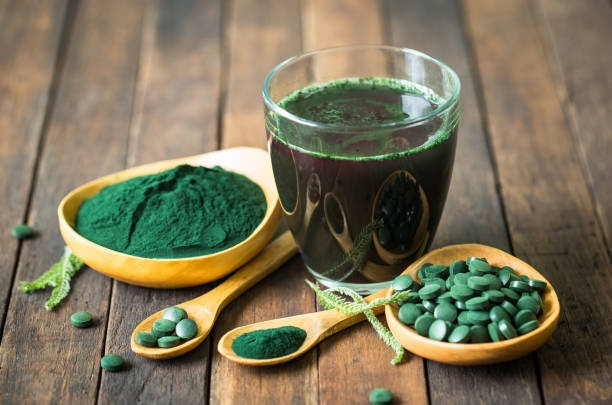
Spirulina, primarily the species Arthrospira platensis, is a multi-celled, spiral-shaped organism that flourishes in alkaline freshwater lakes, ponds, and rivers. As a form of blue-green algae, it contains both chlorophyll (green) and a unique pigment called phycocyanin (blue), which is responsible for many of its potent antioxidant properties. Unlike chlorella, spirulina has no tough outer cell wall, making it naturally easy to digest without special processing.
Key Structural Differences: Single-Celled versus Multi-Celled Filaments
The primary structural distinction lies in their organization. Chlorella is a unicellular microbe, existing as a tiny, independent sphere. Spirulina grows in multicellular filaments, forming spiral colonies that are significantly larger than individual chlorella cells. This difference, along with the presence or absence of a tough cell wall, is the most fundamental biological divergence between them.
Essential Vitamins: Unpacking Vitamin A, Vitamin B12, and More
When it comes to vitamins, both algae are powerhouses, but they excel in different areas. Chlorella is an exceptional source of vitamin A, providing a substantial amount of the recommended daily intake in a small serving, which is crucial for vision, immune function, and cellular health.
Nutritional Powerhouses: A Head-to-Head Comparison
Comparing them directly reveals a nuanced picture. While both offer a broad spectrum of nutrients, chlorella generally provides more calories, omega-3s, vitamin A, iron, and zinc per serving. Spirulina often contains slightly more protein and is a notable source of copper and specific B vitamins, although its vitamin B12 content requires closer examination.
Protein Content & Amino Acids: Foundational Elements for Health
Both chlorella and spirulina are celebrated for their high protein content, typically ranging from 50-70% of their dry weight. More importantly, they are complete proteins, providing all nine essential amino acids that the body cannot produce on its own. This makes them an outstanding protein source for vegans, vegetarians, and anyone looking to supplement their intake from high-quality, plant-based foods. Spirulina often has a slight edge in total protein concentration.
Essential Vitamins: Delving into Vitamin A, Vitamin B12, and More
Revisiting the vitamin profile, the B12 issue is a critical differentiator. Chlorella contains a bioavailable form of vitamin B12 that the human body can effectively use, making it a reliable source for those on plant-based diets. Spirulina, however, contains primarily pseudovitamin B12, an analogue that is inactive in humans and can even interfere with the absorption of true B12.
Crucial Minerals: Iron, Magnesium, and Trace Elements
Chlorella stands out as a superior source of iron, a mineral vital for oxygen transport in the blood and energy production. It is also rich in magnesium, zinc, and phosphorus. Spirulina provides a good amount of iron as well, though typically less than chlorella, but is an excellent source of copper, which is essential for forming red blood cells and maintaining nerve cells.
Healthy Fats: Omega-3 Fatty Acids, Omega-6 Fatty Acids, and Polyunsaturated Fatty Acids
Both algae are valuable sources of healthy fats, particularly polyunsaturated fatty acids (PUFAs). The key difference lies in their specific fatty acid profiles. Chlorella is richer in omega-3 fatty acids, such as alpha-linolenic acid (ALA). These fats are renowned for their anti-inflammatory properties and role in supporting heart health. Spirulina, conversely, contains more omega-6 fatty acids, including gamma-linolenic acid (GLA), another beneficial fatty acid that can help regulate inflammation and support hormonal balance.
Unique Phytonutrients: Chlorophyll versus Phycocyanin (Addressing Specific Phytochemicals)
The vibrant colors of these algae signal the presence of powerful phytonutrients. Chlorella’s deep green hue is due to its immense chlorophyll content, one of the highest in the plant kingdom. Chlorophyll is a potent antioxidant that is thought to bind to heavy metals and other toxins, aiding in their removal from the body. Spirulina’s defining phytonutrient is phycocyanin, the blue pigment-protein complex that gives it its “blue-green” name. Phycocyanin is a powerful antioxidant with significant anti-inflammatory properties.
Overall Nutrient Density and Nutritional Value
When evaluating overall nutritional value, the choice is not simple. Both offer incredible nutrient density. Chlorella’s profile, with its higher concentration of omega-3s, iron, zinc, and bioavailable B12, gives it a slight edge for those targeting specific deficiencies or seeking detoxification support. Spirulina’s high protein and unique phycocyanin content make it an excellent choice for general antioxidant and anti-inflammatory support.
Shared Benefits: Where Both Algae Excel
Despite their differences, both chlorella and spirulina offer a suite of shared health benefits. They both possess strong antioxidant properties, helping to combat oxidative stress caused by free radicals, which is a key driver of chronic disease. Studies suggest that both can positively impact factors related to heart disease, such as improving cholesterol levels and maintaining healthy blood pressure.
Deeper Dive into Health Benefits: Targeting Your Wellness Goals
Beyond their shared strengths, each alga has distinct advantages that make it better suited for specific health objectives. The choice often comes down to which of these unique benefits aligns with your personal needs.
Chlorella’s Distinctive Strengths
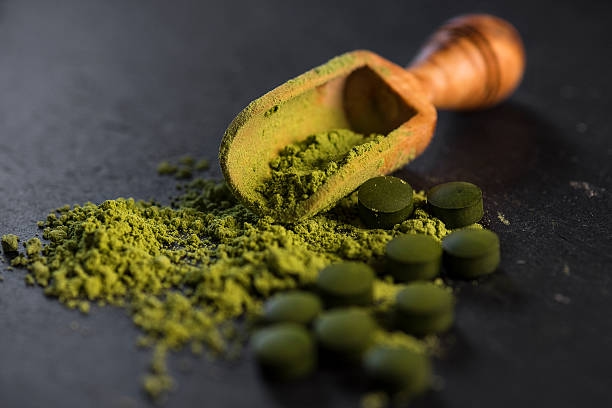
Chlorella is often championed for its detoxification capabilities. Its unique ability to bind to heavy metals and other environmental toxins may support the body’s natural cleansing processes, particularly benefiting liver function. Its high concentration of vitamin A and bioactive B12 also makes it a superior choice for bolstering the immune system and supporting energy metabolism. Some research indicates chlorella may be particularly effective at improving LDL cholesterol and supporting healthy blood pressure.
Spirulina’s Distinctive Strengths
Spirulina’s primary strength lies in its potent antioxidant and anti-inflammatory effects, largely attributed to phycocyanin. It can help protect cells and blood vessels from oxidative damage. Evidence suggests spirulina is effective in managing blood sugar levels, making it a potentially valuable supplement for metabolic health. Its high protein content also makes it a popular choice for athletes and those seeking to support muscle maintenance or aid in weight loss through increased satiety.
Shared Benefits: Where Both Algae Excel
Both supplements have demonstrated the ability to support cardiovascular wellness. They can help lower total cholesterol, reduce triglycerides, and improve blood pressure, all of which are crucial for long-term heart health. Their antioxidant capacity helps protect the entire cardiovascular system, including the delicate lining of blood vessels, from damage.
Tailoring Your Choice: Which Algae is Ideal for Your Needs?
Choosing between chlorella and spirulina is less about which one is “better” and more about which is better for you. By aligning their specific strengths with your health goals, you can make a targeted and effective choice.
Digestibility & Bioavailability: Maximizing Your Supplement’s Potential
How well your body can absorb the nutrients in a supplement is just as important as the nutrients themselves. This is where chlorella and spirulina differ significantly due to their cellular structures.
Chlorella’s Cell Wall Consideration: The Significance of “Cracked Cell Wall”
As mentioned, the tough cell wall of Chlorella vulgaris makes its nutrients indigestible in its natural state. It is absolutely essential to choose a “cracked cell wall” product. This mechanical process breaks open the protective barrier, unlocking the vitamins, minerals, and phytonutrients within and ensuring they are bioavailable.
Spirulina’s Digestive Ease: A Naturally More Absorbable Form
Spirulina does not have a hard cellulose cell wall. Its nutrients are readily accessible to the digestive system, meaning it does not require any special processing to ensure high bioavailability. This natural digestibility makes it a gentle option for those with sensitive digestive systems.
Understanding Processing: Its Impact on Nutrient Absorption
The way algae are harvested, dried, and processed can impact their final nutritional quality. Low-temperature drying methods help preserve heat-sensitive enzymes and vitamins. When selecting any algae supplement, look for brands that are transparent about their sourcing and processing techniques and provide third-party testing for purity and contaminants like heavy metals.
For General Energy Boost & Nutritional Gap Filling: Both
If your goal is to boost overall energy levels and fill in common nutritional gaps, either chlorella or spirulina would be an excellent choice. Both provide a wide array of vitamins, minerals, and complete protein to support daily vitality. Spirulina may be slightly preferred for its easy digestibility, while chlorella offers a more robust mineral and B12 profile.
Recommended Chlorella & Spirulina Supplements
If you’re ready to experience the benefits of chlorella or spirulina, choosing a high-quality supplement is essential. To make it easier for you, I’ve researched and selected some of the most trusted options available on Amazon. These products are well-reviewed, third-party tested for purity, and ideal for both beginners and regular users.
Best Chlorella Supplements
- Sun Chlorella Tablets – Known for its high-quality cultivation and broken cell wall processing, making nutrients easier to absorb.
- NOW Chlorella 1000mg Tablets – Affordable and trusted, with non-GMO ingredients.
- Micro Ingredients Organic Chlorella Powder – A versatile powder form, perfect for smoothies and juices.
Best Spirulina Supplements
- Nutrex Hawaii Pure Hawaiian Spirulina – Premium spirulina grown in a clean environment, rich in nutrients and antioxidants.
- NOW Spirulina Powder – A cost-effective option that can be easily mixed into drinks and recipes.
- Micro Ingredients Organic Spirulina Powder – USDA organic, with no additives or fillers.
You can explore these supplements directly on Amazon. By purchasing through these links, you’ll not only get high-quality chlorella or spirulina, but you’ll also support the work that makes guides like this possible.
Conclusion
Both chlorella and spirulina are undeniably nutritional powerhouses, each offering a unique array of benefits. Chlorella shines for its detoxification support, high omega-3 content, and bioavailable B12, making it ideal for those focused on cleansing, immune health, and filling specific nutrient voids. Spirulina stands out with its potent antioxidant phycocyanin, slightly higher protein content, and natural digestibility, positioning it as a top choice for combating inflammation, supporting metabolic health, and general wellness.
Ultimately, the best algae supplement is the one that aligns with your individual health goals, dietary needs, and physiological disposition. By understanding their distinct profiles—from chlorella’s essential “cracked cell wall” to spirulina’s easy absorption—you are empowered to make an informed decision. Whichever you choose, incorporating these ancient superfoods into your routine is a powerful step toward enhancing your vitality and investing in your long-term health.