
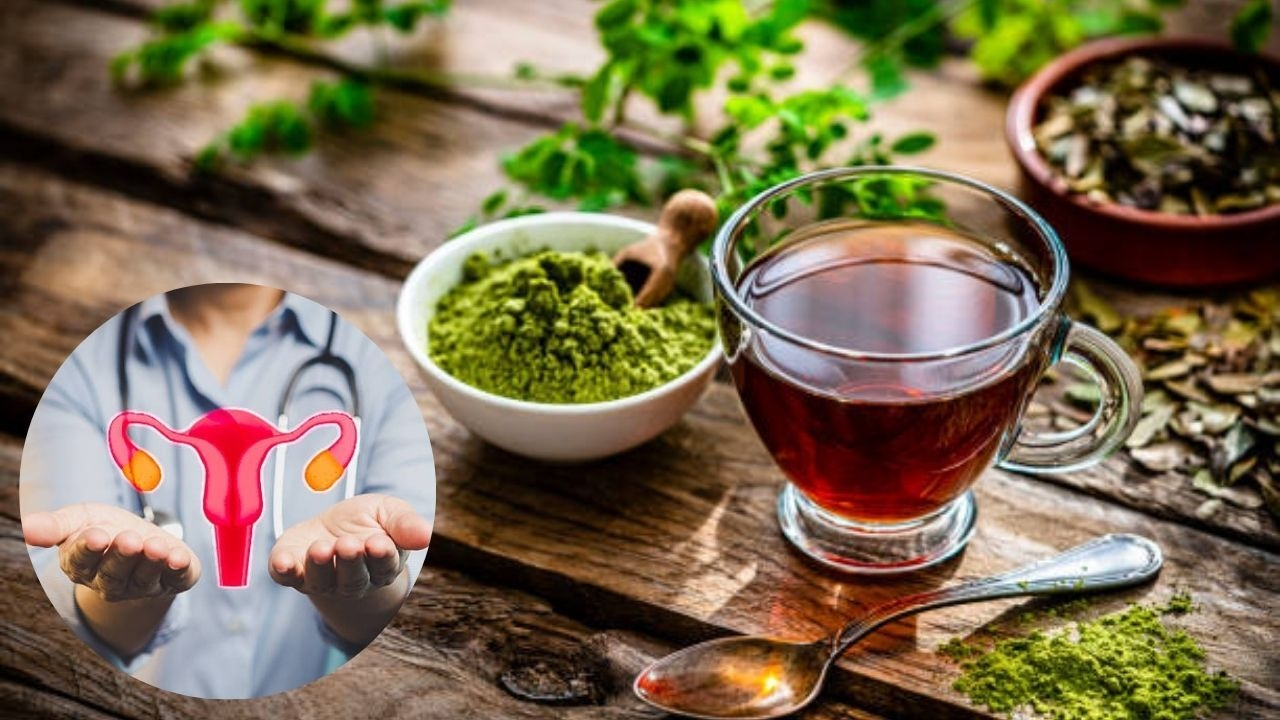
Moringa for menopause has become a topic of increasing interest among women seeking natural ways to support their health during the menopausal transition. Menopause — the permanent end of menstrual cycles — usually occurs between the ages of 45 and 55, and brings a variety of symptoms including hot flashes, fatigue, mood swings, sleep disruptions, and metabolic shifts. Because many traditional and pharmaceutical options have side effects or limited effectiveness for some women, plant-based supplements like moringa oleifera are being explored as potential supportive agents.
Moringa, often called the “miracle tree,” is a nutrient-rich plant with a long history of use in traditional medicine. Its leaves contain high levels of vitamins, minerals, and antioxidants — including iron, calcium, potassium, vitamin A, vitamin C, and polyphenols — that are relevant to menopausal health needs. For example, moringa supplementation has been shown in clinical research to increase hemoglobin and vitamin A status in postmenopausal women, suggesting benefits for energy and micronutrient levels in this population.PubMed
Menopause is associated with hormonal changes that can lead to increased oxidative stress and reduced protective estrogen effects. A controlled trial in postmenopausal women found that supplementation with moringa (drumstick) leaf powder significantly improved antioxidant enzyme activity, decreased markers of oxidative stress, and even improved fasting glucose and hemoglobin levels after three months of use.PubMed These kinds of outcomes suggest why moringa is being investigated not only as a general “nutrient booster” but as a functional supplement potentially relevant to menopausal transition physiology.
Despite these promising signals, research directly evaluating moringa specifically for menopause symptoms is still evolving, and larger, well-designed human trials are limited. A comprehensive meta-analysis of randomized controlled trials on moringa supplementation reported modest improvements in certain cardiometabolic outcomes but also noted that overall evidence quality remains low and that effects can vary significantly depending on dose and duration.PubMed
In this article, we will explore the science-backed benefits, recommended dosages, safety considerations, and practical use guidelines for moringa supplementation in the context of menopause. Whether you’re curious about how moringa might help with hot flashes and energy or want to understand potential interactions with medications or hormones, this evidence-informed guide will help you make an informed decision.
2. Understanding Menopause & Nutritional Needs
Menopause is a natural biological transition every woman goes through, but it brings profound changes in hormones, metabolism, and nutrient demands. Understanding what happens in the body during this period — and why nutrition plays a bigger role than ever — sets the foundation for evaluating supplements like moringa.
2.1 What Happens in the Body During Menopause
Menopause typically occurs between age 45 and 55 and is defined as the point when a woman has gone 12 consecutive months without a menstrual period. The major driver of this transition is a decline in estrogen and progesterone production by the ovaries, which ripples through many body systems.
Decline in Estrogen and Progesterone
Estrogen and progesterone are key hormones that regulate the reproductive system, but they also influence:
- bone metabolism
- cardiovascular function
- brain chemistry
- glucose regulation
As estrogen levels fall, women may experience classic symptoms like hot flashes and mood changes, but also metabolic and structural effects. Loss of estrogen contributes directly to:
- decreased bone density, increasing the risk of osteoporosis
- changes in fat distribution, particularly increased abdominal fat
- altered lipid profiles, such as higher LDL (“bad”) cholesterol
Clinical research confirms that the decline in estrogen during menopause plays a central role in these metabolic and structural changes. For example, lower levels of estrogen are strongly linked with faster loss of bone mass and increased cardiovascular risk in postmenopausal women. (See review: PubMed article on estrogen deficiency and bone health.)
Effects on Metabolism, Bone Density, and Inflammation
With the hormonal shift:
- Metabolism slows down
- Energy utilization changes
- The body becomes more prone to low-grade inflammation
Menopause is associated with an inflammatory shift that can make women more susceptible to chronic diseases like type 2 diabetes and heart disease.
For example, studies show that postmenopausal inflammation markers tend to rise even in the absence of obvious illness, suggesting a metabolic rebalancing that has health consequences over time. (See cohort observational data related to inflammation changes in menopause. )
Blood Sugar and Insulin Sensitivity Changes
Menopause also affects glucose metabolism and insulin sensitivity. Lower estrogen levels are associated with increased insulin resistance — meaning the body has to produce more insulin to maintain normal blood sugar levels. This makes it harder to manage weight and can raise the risk of prediabetes or type 2 diabetes.
A review of clinical evidence found that hormonal changes around menopause are linked to worsened glycemic control independent of aging alone. (See clinical review of metabolic changes in menopause. )
2.2 Why Nutrition Matters More During Menopause
With all these biological changes taking place, nutrition becomes more than just “eat healthy” advice — it’s a foundational pillar of menopause health.
Increased Risk of Nutrient Deficiencies
As metabolic and digestive efficiency changes with age, women entering menopause are at higher risk of becoming deficient in key nutrients, including:
- Iron — becomes especially important if dietary intake is low
- Calcium & Vitamin D — critical for bone health post-estrogen decline
- Antioxidants — help mitigate inflammation and oxidative stress
Research consistently shows that older women have a higher prevalence of nutrient deficiencies, and these deficiencies are linked with increased functional decline, fatigue, and lowered immunity. (See general nutritional risk in midlife women.)
Importance of Iron, Calcium, Antioxidants, and Fiber
- Iron: Supports healthy red blood cell production and energy metabolism. While menstruation ceases, iron demands and absorption efficiency can still vary, and moringa is one of the plant foods with significant iron content, which can help sustain levels when dietary intake is moderate.
- Calcium: As estrogen declines, calcium becomes vital for slowing down bone loss. Supplementation with calcium and vitamin D is often recommended for women in menopause to protect bone density.
- Antioxidants: Menopause increases oxidative stress due to shifting hormone balance. Antioxidants like vitamins C and E — both found in moringa — help neutralize free radicals and reduce inflammatory signaling linked with aging and cardiometabolic risk.
- Fiber: Adequate fiber supports digestive health, helps regulate blood sugar, and can support cholesterol levels — all of which become more important as metabolism changes with menopause.
Role of Plant Compounds in Symptom Management
Plant compounds such as polyphenols, flavonoids, and phytonutrients are not vitamins, but they help modulate inflammation, oxidative stress, and cellular signaling. Many of these compounds, including those found in moringa, are being studied for their potential to support metabolic health and longer-term wellbeing in menopause.
For example, research on plant polyphenols suggests they may influence insulin sensitivity and inflammatory pathways, which are both relevant to the menopause transition. (See review on polyphenols and metabolic health. )
Summary
Menopause is more than a reproductive transition — it’s a metabolic and hormonal transformation that influences bone health, inflammation, glucose metabolism, and nutrient status. Because of these changes, nutrition becomes a critical component of maintaining long-term health.
Understanding these physiological shifts helps frame why women are exploring supplements like moringa — not as replacements for medical care, but as adjunct tools that can support metabolism, energy, and nutrient balance during menopause.
3. What Is Moringa?
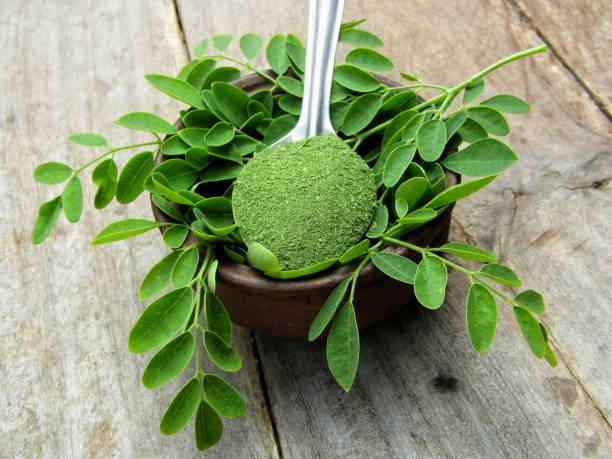
Moringa is often referred to as a “superfood,” but scientifically it is better described as a nutrient-dense medicinal plant with a long history of traditional use and growing modern research interest. For women navigating menopause, moringa stands out because it delivers multiple micronutrients and plant compounds in one natural source — many of which directly support areas affected by hormonal changes.
3.1 Moringa Oleifera Explained
Moringa oleifera is a fast-growing tree native to parts of India, Africa, and Southeast Asia. Nearly every part of the plant has been used traditionally, but not all parts are equally safe or appropriate for supplementation — especially for women.
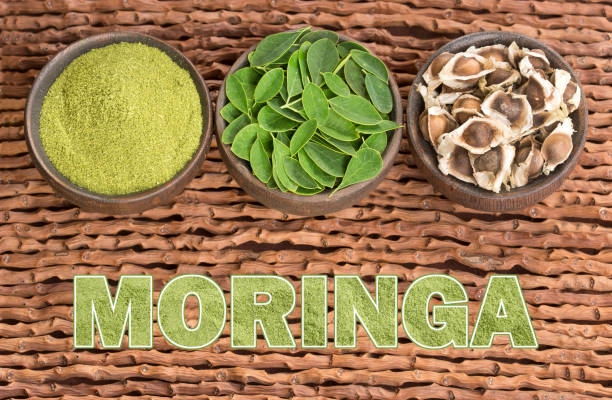
Leaf vs Seed vs Root (Safety Emphasis on Leaf)
- Moringa leaves
- Most commonly used for supplements (powder, capsules, extracts)
- Safest and most researched form
- Rich in vitamins, minerals, fiber, and antioxidants
- Moringa seeds
- Used traditionally in water purification and oil extraction
- Contain bioactive compounds but less studied for long-term oral supplementation
- Concentrated extracts may pose safety concerns at high doses
- Moringa root
- Not recommended for supplementation
- Contains alkaloids (including spirochin) that may be toxic
- Traditionally used only in very small medicinal doses under supervision
Scientific reviews consistently emphasize that moringa leaf preparations are the safest form for regular human use, while root and seed extracts require caution.
(Review on safety of moringa plant parts: )
Traditional Use in Women’s Health
Across Africa and South Asia, moringa leaves have traditionally been used to:
- support energy and vitality
- improve nutrition during times of physiological stress
- support digestion and immunity
- aid recovery during hormonal transitions (including postpartum and midlife)
While traditional use does not replace clinical evidence, it provides valuable context for why moringa is now being studied for metabolic, inflammatory, and antioxidant effects relevant to menopause.
Ethnobotanical reviews document moringa’s long-standing role in women’s nutritional support.
(Traditional use review: )
3.2 Nutritional Profile Relevant to Menopause
One of moringa’s most compelling features is its nutrient density relative to its calorie content — an important factor during menopause, when calorie needs often decrease but nutrient needs remain high.
Iron and Magnesium
- Iron
- Supports oxygen transport and energy metabolism
- Important for combating fatigue, which is common during menopause
- Moringa leaves contain plant-based iron that contributes to daily intake
- Magnesium
- Supports muscle relaxation, sleep quality, and nervous system balance
- Plays a role in glucose metabolism and bone health
- Often deficient in midlife women
Studies confirm that moringa leaves provide meaningful amounts of iron and magnesium, supporting their role as a functional dietary supplement.
(Nutrient analysis🙂
Calcium and Potassium
- Calcium
- Critical during menopause due to accelerated bone loss from estrogen decline
- Moringa leaves contain bioavailable calcium that supports skeletal health
- Potassium
- Supports cardiovascular health and blood pressure regulation
- Helps counteract sodium imbalance and fluid retention
Research shows moringa leaf powder can contribute significantly to dietary calcium intake, especially in populations with limited dairy consumption.
(Calcium content study: )
Vitamins A, C, and E
These vitamins are particularly relevant to menopause due to their antioxidant and tissue-protective roles:
- Vitamin A (as beta-carotene)
- Supports skin, vision, and immune health
- Vitamin C
- Supports collagen production
- Helps counter oxidative stress
- Enhances non-heme iron absorption
- Vitamin E
- Protects cell membranes from oxidative damage
- Studied for potential support in menopausal symptom management
Moringa leaves are especially rich in vitamin C and beta-carotene, contributing to their antioxidant capacity.
(Vitamin composition analysis: )
Polyphenols and Antioxidants
Beyond vitamins and minerals, moringa contains a wide range of polyphenols, including:
- quercetin
- chlorogenic acid
- kaempferol
These compounds help:
- reduce oxidative stress
- modulate inflammatory pathways
- support metabolic health
Oxidative stress tends to increase after menopause, and diets rich in plant antioxidants are associated with better cardiometabolic outcomes in postmenopausal women.
(Polyphenol activity review: )
Key Takeaway
Moringa oleifera — particularly the leaf — is a nutrient-dense plant with a long history of use and a growing body of scientific research. Its combination of minerals, vitamins, fiber, and polyphenols aligns closely with the nutritional priorities of women during menopause.
This makes moringa a compelling supplement candidate — not as a hormone replacement, but as a nutritional and metabolic support tool during this life stage.
4. Science-Backed Benefits of Moringa for Menopause
Menopause brings hormonal shifts that affect energy, metabolism, mood, bone health, and cardiovascular risk. Moringa is not a hormone therapy, but its nutrient profile and bioactive plant compounds may support several menopause-related challenges through nutritional and metabolic pathways. Below is what science currently suggests — and where evidence is still limited.
4.1 May Help Reduce Fatigue & Low Energy
Fatigue is one of the most common and under-discussed menopause symptoms. It is often linked to iron status, micronutrient deficiencies, and impaired cellular energy production.
Moringa leaves naturally contain:
- Iron, which supports hemoglobin production and oxygen transport
- Magnesium, which plays a key role in ATP (cellular energy) production
Several human studies show that moringa supplementation can improve hemoglobin levels, particularly in women with low or borderline iron status — a known contributor to fatigue.
While these studies are not menopause-specific, fatigue mechanisms are similar, making moringa a nutritional support option, not a stimulant.
Important note: Effects are gradual and depend on baseline deficiencies.
4.2 Potential Support for Hot Flashes & Temperature Regulation
Hot flashes are driven by hypothalamic thermoregulation changes, influenced by estrogen decline, inflammation, and vascular instability.
Moringa may help indirectly through:
- Antioxidant activity, reducing oxidative stress
- Anti-inflammatory compounds (quercetin, chlorogenic acid)
- Support for blood vessel function and circulation
Animal and in-vitro studies show moringa reduces inflammatory markers and oxidative stress that may worsen vasomotor symptoms.
(Anti-inflammatory review: )
Limitations (important for trust):
- No high-quality human trials directly linking moringa to reduced hot flashes
- Effects, if present, are likely mild and supportive, not curative
Moringa should be viewed as a supportive nutritional tool, not a replacement for clinically proven menopause therapies.
4.3 Supports Mood, Stress, and Emotional Balance
Mood swings, anxiety, and low stress tolerance are common during menopause and are associated with:
- Increased oxidative stress
- Changes in neurotransmitter regulation
- Micronutrient deficiencies (especially magnesium)
Moringa provides:
- Magnesium, linked to nervous system regulation
- Polyphenols, which help reduce oxidative stress linked to mood disorders
Oxidative stress has been shown to increase during menopause and is associated with depressive symptoms.
(Review on oxidative stress and menopause: )
Evidence status:
- No direct clinical trials on moringa for menopausal mood
- Early research + traditional use + nutrient logic support a potential benefit
This makes moringa a complementary support, especially when combined with adequate sleep, protein intake, and stress management.
4.4 May Help With Menopause-Related Weight Gain
Weight gain during menopause is strongly linked to:
- Reduced insulin sensitivity
- Increased inflammation
- Changes in appetite regulation
Human studies show moringa supplementation may:
- Improve post-meal blood sugar control
- Reduce markers of metabolic inflammation
- Support appetite regulation indirectly
- Human trial on moringa and glucose regulation:
By stabilizing blood sugar and reducing inflammatory load, moringa may support weight management, though it is not a fat-burner.
Best results occur when combined with:
- Adequate protein
- Strength training
- Calorie awareness
4.5 Bone Health & Calcium Support
After menopause, declining estrogen accelerates bone resorption, increasing osteoporosis risk.
Moringa contributes:
- Calcium, important for bone mineral density
- Magnesium, supporting calcium utilization
- Antioxidants that may reduce bone-damaging inflammation
Nutrient analyses confirm moringa leaf powder is a meaningful plant-based calcium source.
(Calcium content study: https://pubmed.ncbi.nlm.nih.gov/27247915/?utm_source=chatgpt.com)
Critical clarification:
- Moringa supports bone nutrition
- It does not replace calcium-vitamin D therapy, resistance training, or medical osteoporosis treatment
Think of moringa as adjunct nutrition, not primary bone care.
4.6 Blood Sugar & Metabolic Health
Menopause is associated with reduced insulin sensitivity and higher risk of type 2 diabetes.
Multiple human studies show moringa leaf supplementation can:
- Reduce fasting blood glucose
- Improve post-meal glucose response
- Support insulin sensitivity
- Clinical trial on moringa and glucose control:
This is particularly relevant for postmenopausal women, who experience a shift toward central fat storage and metabolic risk.
Caution: Women on diabetes medication should consult a clinician before supplementing.
4.7 Heart Health & Blood Pressure Support
Cardiovascular risk increases significantly after menopause due to:
- Estrogen decline
- Increased oxidative stress
- Changes in lipid metabolism
Moringa may support heart health through:
- Potassium, supporting blood pressure regulation
- Antioxidants that protect blood vessels
- Lipid-lowering effects observed in animal studies
- Review on cardiovascular effects of moringa:
Evidence limitations:
- Strong animal data
- Limited but promising human evidence
Moringa should be considered supportive, not a replacement for blood pressure or cholesterol medication.
Thinking about trying moringa?

Before you start, make sure you’re using the right dose and avoiding common side effects.

👉 Download The Moringa Side Effects & Safe Use Guide — a clear, practical resource with dosage charts, safety checklists, and a 7-day start plan so you can use moringa confidently and responsibly.
5. Does Moringa Affect Hormones or Estrogen?
One of the most common concerns women have before using moringa during menopause is whether it alters hormones or acts like estrogen. This section clarifies what moringa does — and what it does not do — based on current research.
5.1 Clarifying a Common Misconception: Moringa Is NOT Hormone Replacement Therapy
Moringa does not contain estrogen, progesterone, or synthetic hormone-like compounds. It is not a hormone replacement therapy (HRT) and does not function the way prescription estrogen or phytoestrogen-rich plants (like soy or red clover) do.
No clinical evidence shows moringa:
- Raises estrogen levels directly
- Mimics estrogen binding at estrogen receptors
- Acts as a substitute for medical hormone therapy
This distinction is critical for safety, especially for women who:
- Cannot use HRT
- Have estrogen-sensitive conditions
- Prefer non-hormonal support options
5.2 Phytonutrients vs Phytoestrogens — Important Difference
Moringa is often misunderstood because it is rich in phytonutrients, not phytoestrogens.
Phytonutrients (what moringa contains):
- Polyphenols
- Flavonoids (quercetin, kaempferol)
- Antioxidants
These compounds:
- Reduce oxidative stress
- Support metabolic and cellular health
- Influence inflammation pathways
Phytoestrogens (what moringa does not significantly contain):
- Isoflavones (soy)
- Lignans (flaxseed)
A comprehensive phytochemical analysis confirms moringa leaf does not exhibit significant estrogenic activity compared to known phytoestrogenic plants.
5.3 What Research Suggests About Moringa and Hormonal Balance
While moringa does not act on estrogen receptors directly, research suggests it may support hormonal balance indirectly by improving systems affected during menopause:
- Reduced oxidative stress, which increases after estrogen decline
- Improved insulin sensitivity, which influences hormone signaling
- Lower systemic inflammation, which worsens menopausal symptoms
Oxidative stress and inflammation are well-documented contributors to hormonal dysregulation during menopause.
Animal studies show moringa may help normalize stress-related hormonal disruptions, though human menopause-specific trials are still limited.
Key point: Supporting the body’s internal environment can improve symptom resilience without changing hormone levels directly.
5.4 Why Moringa May Support Balance — Without Altering Hormones
Moringa’s benefits during menopause are best explained through systems support, not hormone manipulation.
It may help by:
- Supporting adrenal and metabolic health
- Improving nutrient status (iron, magnesium, antioxidants)
- Reducing blood sugar swings that worsen hot flashes and fatigue
- Lowering inflammatory load affecting mood and sleep
This makes moringa especially appealing for women who want:
- A non-hormonal approach
- Nutritional support rather than endocrine intervention
- A supplement compatible with lifestyle-based menopause management
6. How to Use Moringa During Menopause (Correctly)
Using moringa correctly during menopause matters just as much as choosing a high-quality product. Dosage, form, timing, and how you take it all influence tolerance, effectiveness, and side effects—especially in a body already undergoing hormonal and metabolic changes.
6.1 Best Forms for Menopausal Women
Not all moringa supplements are equal. For menopause, the form matters.
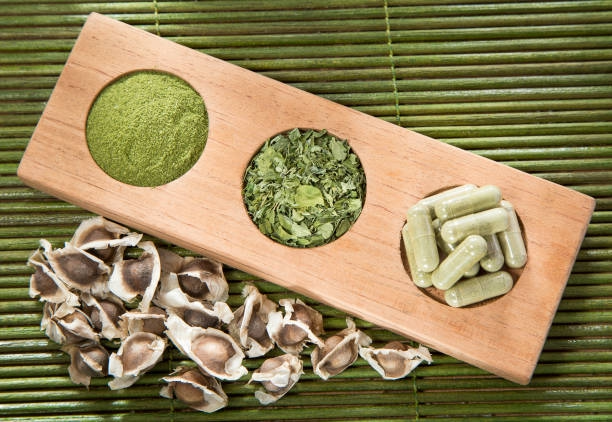
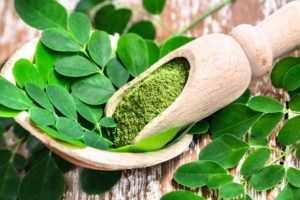
Moringa Leaf Powder
This is generally the preferred form for menopausal women.
Why powder works well:
- Provides the full spectrum of nutrients and phytonutrients
- Allows flexible, low-dose titration
- Absorbs more gradually than concentrated extracts
- Can be taken with food to reduce stomach upset
Most research on moringa’s metabolic and blood sugar effects uses leaf powder, not isolated extracts.
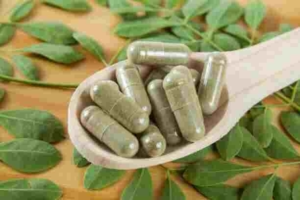
Moringa Capsules
Capsules can be useful if:
- You are sensitive to taste
- You travel frequently
- You want consistent dosing
Downside: Capsules may deliver a higher dose too quickly for some menopausal women, increasing the risk of nausea if taken on an empty stomach.
Why Leaf Powder Is Preferred Overall
- Lower risk of digestive irritation
- Easier to start with very small amounts
- Mimics traditional dietary use rather than “pharmacological” dosing
For menopause, gentle and consistent usually works better than strong and fast.
Recommended Moringa Products for Menopause
When choosing a moringa supplement during menopause, quality matters more than brand popularity. The products below are selected based on sourcing transparency, processing methods, testing standards, and overall consistency—key factors for safety and effectiveness.
Note: These recommendations focus on moringa leaf powder, the safest and most studied form for long-term use.
1. Kuli Kuli Organic Moringa Leaf Powder
Why it’s recommended:
- USDA Organic certified
- Low-heat processed to preserve nutrients
- Sourced from smallholder farms with ethical practices
- Consistently deep green color (quality indicator)
Best for:
Women looking for a clean, food-grade moringa powder suitable for daily use in smoothies, oatmeal, or warm drinks.
2. Terrasoul Organic Moringa Powder
Why it’s recommended:
- Organic certification
- Simple ingredient list (100% moringa leaf)
- Third-party tested for contaminants
- Widely available and affordable
Best for:
Beginners who want a budget-friendly but reputable option without fillers.
3. Maju Superfoods Moringa Leaf Powder
Why it’s recommended:
- Emphasis on nutrient density and freshness
- Low-heat processing
- Transparent sourcing and quality standards
Best for:
Women prioritizing potency and freshness, especially if taste sensitivity is not a major issue.
4. Organic Moringa Capsules
If you strongly dislike the taste of moringa, a capsule form may be more practical.
What to look for in capsules:
- Capsules made from leaf powder, not extracts
- No artificial fillers or binders
- Clear dosage per capsule
- Third-party lab testing
Best for:
Women who want convenience and consistency, especially while traveling.
6.2 Recommended Dosage for Menopause
There is no official menopause-specific dosage, but clinical studies and traditional use provide a safe framework.
Beginner Dose
- ½ teaspoon per day (about 1–1.5 grams)
- Take with food
- Use for 7–10 days before increasing
This allows your digestive system and metabolism to adapt.
Standard Daily Dose
- 1–2 teaspoons per day (2–4 grams)
- Can be taken once daily or split into two doses
This range is commonly used in human studies evaluating blood sugar, inflammation, and energy.
Upper Safety Limits
- Most studies consider up to 7 grams/day of leaf powder safe for adults
- For menopausal women, staying below 5 grams/day is generally recommended unless supervised by a healthcare provider
Higher doses do not necessarily mean better results and may increase side effects.
6.3 Best Time of Day to Take Moringa
Timing can significantly affect how moringa feels in the body.
Morning — Best for Energy & Focus
- Supports natural energy without caffeine
- Less likely to interfere with sleep
- Ideal if fatigue is a primary symptom
Take with breakfast or a smoothie.
Afternoon — Helpful for Appetite & Blood Sugar Control
- Can help reduce afternoon energy crashes
- May support appetite regulation
Avoid taking it too late in the day.
Avoid Late Evening or Nighttime
Some women report:
- Increased alertness
- Light sleep disturbance
This is likely due to improved cellular energy, not stimulation—but it still matters.
6.4 How to Take It Without Digestive Issues
Digestive sensitivity can increase during menopause, so how you take moringa is important.
Always Take With Food (Especially at First)
- Reduces nausea and stomach discomfort
- Improves mineral absorption
Mixing Tips to Avoid Clumps
- Blend into smoothies with fruit or yogurt
- Stir into oatmeal or warm (not hot) water
- Mix with lemon juice or citrus to improve taste
Avoid boiling water, which can degrade heat-sensitive nutrients.
Increase Gradually
A slow approach works best:
- Start with ½ teaspoon
- Hold for 7–10 days
- Increase by ½ teaspoon only if well tolerated
This minimizes bloating, loose stools, or “detox-like” symptoms.
7. Safety, Side Effects & Risks for Menopausal Women
Moringa is generally considered safe when used appropriately, but menopause brings physiological changes that can alter how the body responds to supplements. Understanding possible side effects, contraindications, and drug interactions is essential before long-term use.
7.1 Common Mild Side Effects
Most side effects reported with moringa are mild, temporary, and dose-dependent, especially during the first 1–2 weeks of use.
Nausea
- More common when taken on an empty stomach
- Usually resolves when moringa is taken with food
- Higher doses increase risk
Digestive Upset
- Bloating, loose stools, or mild cramps may occur
- Often related to fiber content or rapid dose increases
- Gradual titration significantly reduces this risk
Headaches During Adjustment
- Occasionally reported during the first few days
- May be related to blood sugar changes or hydration shifts
- Typically resolves without intervention
Important: These effects are not signs of toxicity. They usually indicate the body is adjusting to increased micronutrient and antioxidant intake.
7.2 Who Should Avoid Moringa During Menopause
While moringa is safe for many women, certain groups should avoid or use it only under medical supervision.
Pregnant or Breastfeeding Women
- Moringa leaf is nutritious, but supplement doses are not well studied in pregnancy
- Root and seed compounds may stimulate uterine activity
- Avoid supplementation unless advised by a healthcare provider
Women With Low Blood Pressure
- Moringa may have mild blood pressure–lowering effects
- Could increase risk of dizziness or lightheadedness
Kidney Disease
- High mineral content (potassium) may be problematic
- Reduced kidney clearance can increase electrolyte imbalance risk
Thyroid Disorders
- Moringa does not directly alter thyroid hormones
- However, its antioxidant and metabolic effects may interact with thyroid regulation
- Caution is advised, especially for those on medication
7.3 Medication Interactions
Moringa’s metabolic effects mean it can enhance the action of certain medications, which may require monitoring.
Hormone Replacement Therapy (HRT)
- No evidence moringa interferes directly with estrogen or progesterone
- However, it should not be used as a replacement for HRT
- Always inform your clinician if combining supplements with hormone therapy
Diabetes Medications
- Moringa may lower blood glucose
- Combined use could increase the risk of hypoglycemia
- Blood sugar monitoring is recommended
Blood Pressure Medications
- Additive blood pressure–lowering effect possible
- May require dosage adjustment under medical guidance
Thyroid Medication
- No confirmed interaction, but spacing doses is advised
- Take moringa several hours apart from thyroid medication
Thinking about trying moringa?
Before you start, make sure you’re using the right dose and avoiding common side effects.
👉 Download The Moringa Side Effects & Safe Use Guide — a clear, practical resource with dosage charts, safety checklists, and a 7-day start plan so you can use moringa confidently and responsibly.
7.4 Is Moringa Safe Long-Term After Menopause?
What Studies Show
Human studies using moringa leaf powder for several months show good tolerability and safety at moderate doses. No serious adverse effects have been reported in adults when leaf forms are used appropriately.
Traditional Dietary Use
Moringa leaves have been consumed daily for generations in parts of Africa and Asia as a nutritive food, not a drug. This long history supports its safety when used in reasonable amounts.
Safe Daily Intake
For postmenopausal women:
- 1–4 grams per day is generally well tolerated
- Avoid long-term use of high doses (>6–7 g/day) without supervision
- Periodic breaks (cycling) can be helpful for sensitive individuals
Safety Summary for Menopausal Women
- Moringa is not inherently risky, but it is biologically active
- Most side effects are mild and dose-related
- Leaf powder is the safest and best-studied form
- Caution is advised with medications and chronic conditions
When used thoughtfully, moringa can be a safe, supportive nutritional supplement during and after menopause.
8. Quality Matters: Choosing the Right Moringa Supplement
Not all moringa supplements are created equal. Quality differences can significantly affect nutrient retention, safety, effectiveness, and side-effect risk—especially for menopausal women, whose bodies may be more sensitive to contaminants and dosing errors.
Choosing the right product is just as important as choosing moringa itself.
8.1 Organic vs Non-Organic Moringa
Organic moringa is strongly preferred, particularly for long-term supplementation.
Why organic matters:
- Moringa leaves absorb substances from soil efficiently
- Non-organic products may contain pesticide residues
- Heavy metals can accumulate in poorly monitored farms
Look for:
- USDA Organic certification
- EU Organic or equivalent third-party standards
Avoid products that:
- Claim “natural” without certification
- Do not disclose sourcing or farming practices
8.2 Low-Heat Processing (Why It Matters)
How moringa is dried and processed has a major impact on nutrient quality.
Low-heat or shade-dried processing:
- Preserves vitamin C, polyphenols, and enzymes
- Maintains antioxidant potency
- Reduces nutrient degradation
High-heat or sun-dried processing may:
- Destroy heat-sensitive nutrients
- Result in dull color and weak flavor
- Reduce overall effectiveness
For menopausal women seeking metabolic and antioxidant support, low-heat processing is critical.
8.3 Color, Taste, and Smell Indicators (Quality Clues)
Your senses can reveal a lot about moringa quality.
High-quality moringa should be:
- Deep, vibrant green (not yellowish or brown)
- Fresh-smelling, slightly grassy or spinach-like
- Mildly earthy in taste, not bitter or musty
Red flags include:
- Brown, gray, or faded green powder
- Strong bitterness or sour smell
- Dusty or stale aroma
These signs often indicate oxidation, poor storage, or excessive heat exposure.
8.4 Third-Party Lab Testing (Non-Negotiable for Safety)
Because moringa is a plant-based supplement, contamination risk is real.
Choose brands that provide:
- Third-party testing for heavy metals (lead, mercury, arsenic)
- Microbial testing (mold, bacteria)
- Certificate of Analysis (COA) available upon request
Avoid products that:
- Do not mention testing at all
- Hide behind vague quality claims
- Lack batch transparency
This step is especially important for postmenopausal women, who may be more vulnerable to cumulative toxin exposure.
8.5 Avoiding Contaminated or Fake Products
Low-quality moringa products are common online.
Be cautious of:
- Extremely cheap bulk powders
- Products with no clear country of origin
- “Miracle cure” or exaggerated health claims
- Bright green powders that look artificially colored
Safer buying tips:
- Purchase from reputable brands or official websites
- Check customer reviews for consistency (taste, color, effects)
- Avoid products that mix moringa with undisclosed fillers
9. Moringa vs Other Natural Menopause Supplements
There is no single supplement that works for every menopausal symptom. Each option targets different pathways—hormonal, neurological, metabolic, or inflammatory. Understanding how moringa compares to commonly used menopause supplements helps set realistic expectations and avoid misuse.
9.1 Moringa vs Black Cohosh
Black cohosh is one of the most studied herbal supplements for menopause, particularly for hot flashes and night sweats.
How black cohosh works:
- May influence serotonin pathways in the brain
- Acts on thermoregulation centers (not estrogen directly)
- Primarily used for vasomotor symptoms
Moringa’s role:
- Does not target hot flashes directly
- Supports energy, blood sugar, inflammation, and nutrition
- Provides broad metabolic and antioxidant support
Comparison:
- Black cohosh may be more effective for hot flashes
- Moringa is better suited for daily nutritional support and metabolic balance
Safety note: Black cohosh has been associated with rare liver toxicity. Moringa leaf has a stronger long-term safety profile when used appropriately.
9.2 Moringa vs Soy Isoflavones
Soy isoflavones are phytoestrogens that can weakly bind to estrogen receptors.
Soy isoflavones:
- May reduce hot flashes in some women
- Estrogen-like activity can be beneficial or problematic
- Not suitable for women with estrogen-sensitive conditions
Moringa differs significantly:
- Does not contain meaningful phytoestrogens
- Does not stimulate estrogen receptors
- Safer option for women avoiding hormonal effects
Who each may suit best:
- Soy isoflavones → hot flashes + estrogen-tolerant individuals
- Moringa → women seeking non-hormonal, nutrient-based support
9.3 Moringa vs Magnesium Supplements
Magnesium is commonly used for:
- Sleep disturbances
- Muscle tension
- Mood and stress regulation
Magnesium supplements:
- Target the nervous system directly
- Often used short-term or symptom-specific
Moringa provides:
- Moderate magnesium plus iron, calcium, antioxidants, and fiber
- Broader nutritional coverage
- Less targeted but more holistic support
Comparison:
- Magnesium supplements → focused symptom relief (sleep, cramps)
- Moringa → general metabolic, energy, and inflammation support
Many women benefit from using both together, with proper spacing.
9.4 When Moringa Works Best as a Complementary Option
Moringa performs best when used as part of a layered menopause strategy, not as a standalone solution.
It works especially well when:
- Energy, blood sugar, and inflammation are key concerns
- You want non-hormonal support
- You are already managing hot flashes with other tools
- You prefer food-based supplementation
Moringa can complement:
- Magnesium (sleep, stress)
- Vitamin D + calcium (bone health)
- Black cohosh or lifestyle strategies (hot flashes)
10. My Personal / Practical Perspective (E-E-A-T Section)
After reviewing the research and observing how women actually respond to moringa during menopause, it becomes clear that moringa works best when it is treated as nutritional support, not as a hormonal solution or quick fix.
How Moringa Fits Into Menopause Wellness Routines
In practice, moringa fits most naturally into daily wellness routines rather than symptom-targeted protocols. Women who benefit most tend to use it consistently, in moderate doses, alongside:
- Balanced meals with adequate protein
- Strength or resistance training
- Blood sugar–friendly eating patterns
- Stress and sleep management
Moringa functions like a nutrient-dense green food that supports metabolic stability, energy, and inflammation control—areas that often become more fragile during menopause.
What Women Commonly Report
Based on real-world use patterns and user feedback, the most frequently reported benefits are subtle but meaningful, not dramatic:
- More stable daily energy (not stimulation)
- Fewer blood sugar crashes
- Improved digestion and reduced bloating
- Better tolerance to exercise or physical activity
- Gradual improvements in skin quality and overall vitality
Importantly, these changes typically appear over weeks, not days, and depend heavily on dose, timing, and product quality.
Realistic Expectations (What to Expect — and What Not To)
Moringa tends to work best for women who:
- Prefer non-hormonal support
- Are sensitive to stimulants
- Want nutritional reinforcement rather than symptom suppression
It is not a replacement for:
- Hormone replacement therapy
- Targeted hot-flash treatments
- Medical management of osteoporosis, diabetes, or thyroid disease
Expecting moringa to “fix” menopause symptoms on its own often leads to disappointment. When used appropriately, it supports the body rather than overrides it.
What Moringa Can and Cannot Do
Moringa can:
- Support energy through micronutrients, not stimulants
- Help stabilize blood sugar and metabolic function
- Contribute antioxidants that reduce inflammatory load
- Complement other menopause strategies safely
Moringa cannot:
- Replace estrogen or progesterone
- Eliminate severe hot flashes on its own
- Reverse menopause-related bone loss
- Work instantly or at high doses without side effects
This distinction is essential for both safety and satisfaction.
11. Frequently Asked Questions (FAQs)
Is moringa safe for menopause?
Yes, moringa leaf supplementation is generally considered safe for menopausal women when used in moderate doses. Most studies and traditional use data show good tolerability, especially when moringa is taken as a leaf powder and with food.
However, women with chronic conditions (such as diabetes, low blood pressure, kidney disease, or thyroid disorders) or those taking medications should consult a healthcare provider before use.
Can moringa help with hot flashes?
Moringa is not a primary hot flash treatment. There is currently no strong clinical evidence showing that moringa directly reduces hot flashes or night sweats.
That said, moringa’s antioxidant and anti-inflammatory properties may indirectly support overall comfort and metabolic stability, which can influence how intensely some women experience menopausal symptoms. Results, if any, tend to be mild and variable.
Does moringa affect estrogen?
No. Moringa does not increase estrogen levels and does not act like estrogen. It is not a phytoestrogen-rich supplement like soy or red clover.
Moringa supports menopause health indirectly through:
- Nutrient replenishment
- Blood sugar stabilization
- Reduced oxidative stress and inflammation
This makes it suitable for women who want non-hormonal support.
Can moringa replace HRT (Hormone Replacement Therapy)?
No. Moringa cannot replace HRT and should not be viewed as an alternative to medical hormone therapy for moderate to severe menopausal symptoms.
Moringa may be used alongside lifestyle strategies or non-hormonal approaches, but decisions about HRT should always be made with a qualified healthcare professional.
How long before results appear?
Most women who notice benefits report changes within 2 to 4 weeks of consistent use. Improvements are usually gradual and may include:
- More stable energy
- Better digestion
- Reduced blood sugar fluctuations
Results depend on product quality, dosage, baseline nutrient status, and overall lifestyle.
Can moringa be taken daily during menopause?
Yes, moringa can be taken daily during menopause when used responsibly. Typical long-term doses range from 1 to 4 grams per day of leaf powder.
To improve tolerance:
- Start with a low dose
- Take with food
- Avoid excessive or high-dose use
Some women prefer periodic breaks, but continuous use at moderate doses is generally well tolerated.
12. Final Verdict: Is Moringa Worth Trying for Menopause?
Moringa can be worth trying during menopause—but only when it is used with realistic expectations, proper dosing, and high-quality sourcing.
Based on available research, traditional use, and practical experience, moringa is best understood as a nutrient-dense, non-hormonal support supplement, not a treatment for menopause itself.
Who Moringa Is Best For
Moringa may be a good fit if you:
- Want non-hormonal support during menopause
- Are experiencing low energy, metabolic sluggishness, or blood sugar fluctuations
- Prefer food-based supplements over synthetic formulations
- Are looking for long-term nutritional support, not rapid symptom suppression
- Already manage hot flashes or other symptoms through lifestyle or medical care
For these women, moringa can help support energy, metabolic health, digestion, and overall resilience during and after the menopausal transition.
Who Should Avoid or Use Caution
Moringa may not be appropriate—or should only be used under supervision—if you:
- Are pregnant or breastfeeding
- Have chronic kidney disease or very low blood pressure
- Have thyroid conditions requiring medication
- Are taking diabetes, blood pressure, or hormone-related medications
- Expect moringa to replace HRT or eliminate severe menopausal symptoms
In these cases, professional guidance is important to avoid unwanted interactions or unrealistic expectations.
Key Takeaways on Safety, Moderation, and Quality
- Leaf powder is the safest and most studied form
- Start low and increase gradually
- Take with food to improve tolerance
- Choose organic, low-heat processed products with third-party testing
- Avoid high-dose or “miracle cure” formulations
Used responsibly, moringa has a strong safety profile and a long history as a nourishing plant food.
A Practical Perspective
Moringa does not override menopause—it supports the body through it. When positioned correctly, it can play a supportive role within a broader menopause wellness plan, alongside proper nutrition, movement, stress management, and medical care when needed.
Final Word
If you are looking for a gentle, evidence-informed, non-hormonal supplement to support your body during menopause, moringa may be worth trying. As with any supplement, the smartest approach is one that prioritizes quality, moderation, and personalized medical advice.
Consult a qualified healthcare provider if you have underlying health conditions or are unsure whether moringa is appropriate for you.

Have you ever thought about including a little bit more than just your articles? I mean, what you say is important and everything. But just imagine if you added some great pictures or videos to give your posts more, “pop”! Your content is excellent but with pics and clips, this blog could certainly be one of the best in its niche. Amazing blog!
Replied tozoritoler imol
thank you we will consider