
Moringa Dosage is one of the most important things to understand if you want to get real benefits from this powerful plant. Moringa (Moringa oleifera) is packed with nutrients like vitamins A, C, and E, iron, calcium, and antioxidants that support energy, metabolism, and overall health. But here’s the key—how much you take makes a big difference. Too little may not give noticeable results, while too much can lead to side effects like stomach discomfort or nausea.
Unlike medications, there is no single official recommended dose of moringa. Your ideal dosage depends on your goal, body, and the form you’re using (powder, capsules, or tea). Research consistently shows that most benefits happen within a moderate range, not extreme amounts. That’s why understanding the right moringa dosage is essential if you want safe, effective, and long-term results.
2. Is There an Official Recommended Moringa dosage?
Short Answer:
👉 No — there is no single official daily dose for moringa.
Let’s Break It Down Simply
Moringa is a natural plant, not a drug. That means:
- There is no global standard dose like you see with medicine
- Different studies use different amounts
- The “right dose” depends on your goal, body, and how you take it
In fact, according to Verywell Health (Moringa and Blood Sugar):
👉 There is no specific recommended dosage, and people should be careful and follow research-based amounts.
Read also Moringa Nutrition Facts: A Complete Breakdown of Its Nutrients
What Is the Moringa Tree? A Complete Beginner’s Guide
What Science Actually Shows (Real Research)
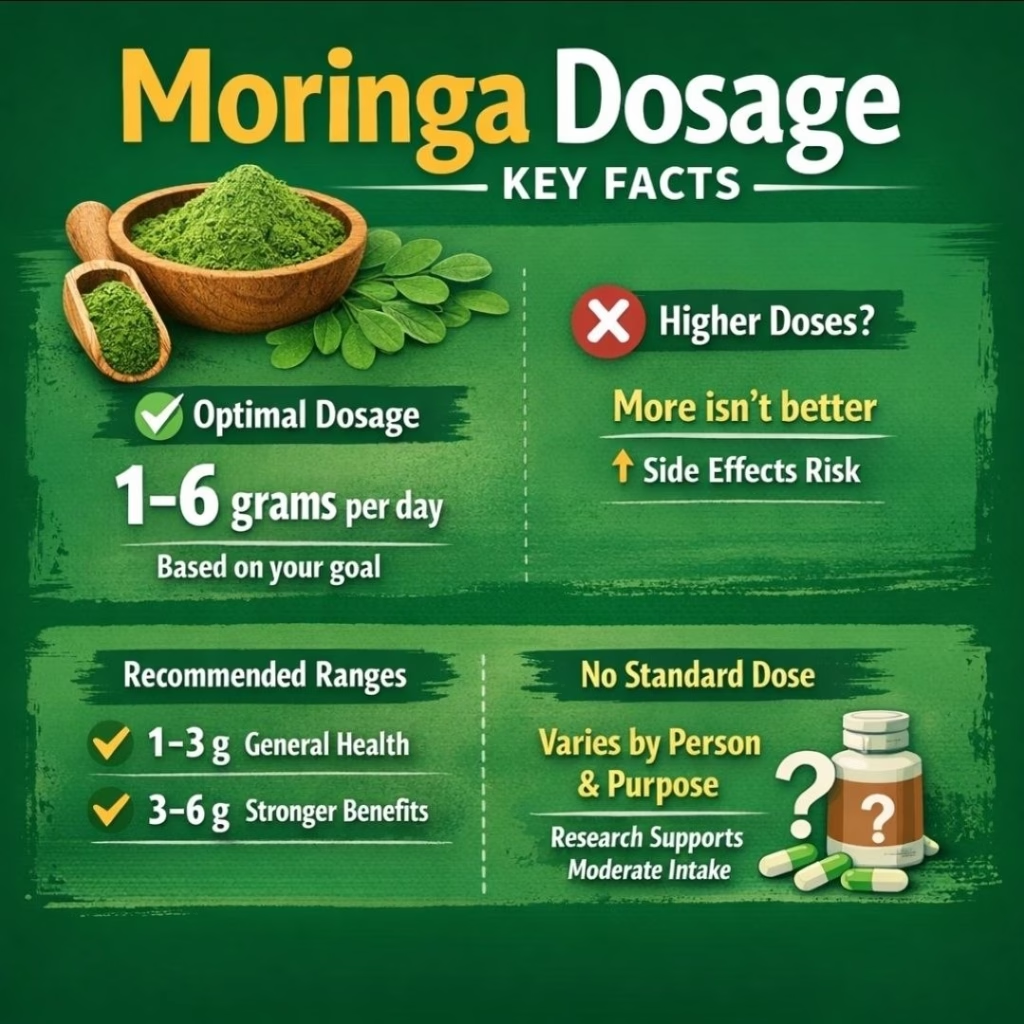
Even though there’s no official dose, scientists have studied moringa in humans. Here’s what they found:
1. Most Studies Use This Range
- Around 1 to 10 grams per day
- This is where most benefits are seen
A large scientific review published on MDPI (Nutrition Journal Study) found that:
👉 Doses below 10 grams per day often worked better and were easier for the body to handle
2. Supplements Use Smaller Doses
If you take capsules or tablets:
- Usually 500 mg to 3000 mg per day
- That equals 0.5 to 3 grams daily
These smaller doses are:
- Easier to take
- More controlled
- Common in most products
3. Whole Leaves (Food Form) Can Be Higher
When moringa is eaten as food (like fresh leaves or powder in meals):
- People may take higher amounts safely
- One source suggests up to ~70 grams of leaves per day as a high upper limit
👉 But that’s food-level intake, not concentrated supplements.
Why There’s No “Perfect Dose”
Here’s the truth (explained simply):
Moringa works more like a nutritious food than a drug.
That means:
- Your body responds differently than someone else’s
- More is not always better
- Consistency matters more than high doses
Research also shows something interesting:
Taking moderate doses for longer time works better than taking very high doses for a short time
Simple Rule to Remember
If you feel confused, just remember this:
👉 Most people benefit from 1–6 grams per day
👉 Going above 10 grams daily is usually unnecessary
Easy Example
Think of moringa like vegetables:
- A small amount every day = good for your health
- Too much at once = can upset your stomach
Key Takeaway
👉 There is no official recommended dose of moringa, but research shows:
1–10 grams per day is commonly used
Best results happen below 10 grams daily
Supplement doses are usually 500–3000 mg/day
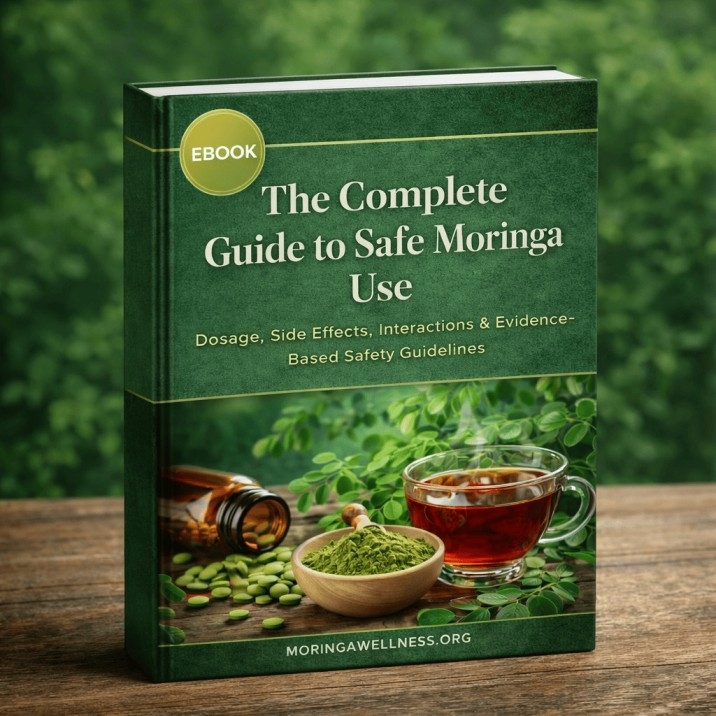
Before You Take Another Scoop —
Read This First
Most people take moringa without knowing the right dose, the risky combinations, or the signs to stop. This guide fixes that — with evidence-based answers, not guesswork.
- Exact safe dosage by body weight & health goal
- Drug & supplement interactions to avoid
- Who should NOT take moringa (and why)
- How to know when to stop or adjust
3. Scientifically Studied Moringa Dosage
Let’s make this simple and real.
Instead of guessing how much moringa to take, we can look at what scientists actually used in human studies. This gives you a much safer and smarter starting point.
3.1 Clinical Trial Dosages (Human Studies)
Here’s What Research Actually Uses
Different studies test moringa for different health goals—but something interesting shows up:
Most studies stay within a small, consistent range
Blood Sugar & Metabolic Health
- Around 1–3 grams per day
- Often taken as powder or capsules
- Sometimes used alongside medication (not as a replacement)
For example, one clinical study gave people 2.4 g/day for 12 weeks and saw improvements in blood sugar and inflammation markers
This suggests moringa may help with early metabolic issues when used consistently.
Weight & Cardiometabolic Health
- About 1 gram per day for 12 weeks
A study published here:
👉 https://www.itjfs.com/index.php/ijfs/article/view/2744/1344
Found improvements in:
- Body weight
- Blood pressure
- Triglycerides
This shows even small doses can work over time.
Higher Dose Clinical Studies
Some trials use more:
- Around 4.6 grams/day improved cholesterol levels in people with diabetes
- Up to 8 grams/day tested in short-term studies (mixed results)
Important insight:
Higher doses don’t always mean better results.
Capsule-Based Trial Example
A registered clinical trial used:
- ~5–6 grams/day (spread across multiple capsules)
See study:
👉 https://clinicaltrials.gov/study/NCT07194577
This is common in supplement-style dosing.
General Research Range
Across multiple human studies:
Most fall between 1–8 grams per day
And commonly used everyday doses are:
1–3.6 grams/day considered very safe
Simple Conclusion (Very Important)
👉 Most benefits happen between 1–6 grams per day
- Lower doses = safer, steady results
- Higher doses = sometimes helpful, but not always better
3.2 Observational & Real-World Use
Now let’s look at how people actually take moringa outside strict trials.
A real-world study grouped people into:
- 2.4 g/day (low dose)
- 4.8 g/day (moderate dose)
- 7.2 g/day (high dose)
Study link:
👉 https://pmc.ncbi.nlm.nih.gov/articles/PMC11986971/
What Researchers Found
👉 These doses were:
- ✔ Safe
- ✔ Well tolerated
- ✔ Easy to stick with daily
But there was one catch:
👉 Higher doses (like 7.2 g/day) may cause digestive discomfort in some people
What This Means for You
Think of it like this:
- Low dose (2–3 g) → gentle, beginner-friendly
- Moderate (4–5 g) → stronger benefits
- High (6–7 g) → more powerful, but not for everyone
Big Picture
👉 Science doesn’t use extreme doses
👉 Most studies stay in a moderate, safe range
Best Evidence-Based Range
- ✔ 1–3 g/day → beginner & general health
- ✔ 3–6 g/day → stronger benefits
- ⚠️ 6–8 g/day → advanced use (watch side effects)
Key Takeaway
👉 Human studies show moringa is most commonly used at 1–6 grams per day, with consistent safety and benefits.
👉 Doses up to 7–8 grams per day are used in research but may increase side effects.
👉 Lower, consistent dosing works better than taking large amounts at once.
4. Recommended Moringa Dosage by Goal
Now let’s make this really practical.
Instead of asking “How much moringa should I take?”, a better question is:
👉 “What am I taking it for?”
Because the right dose depends on your goal.
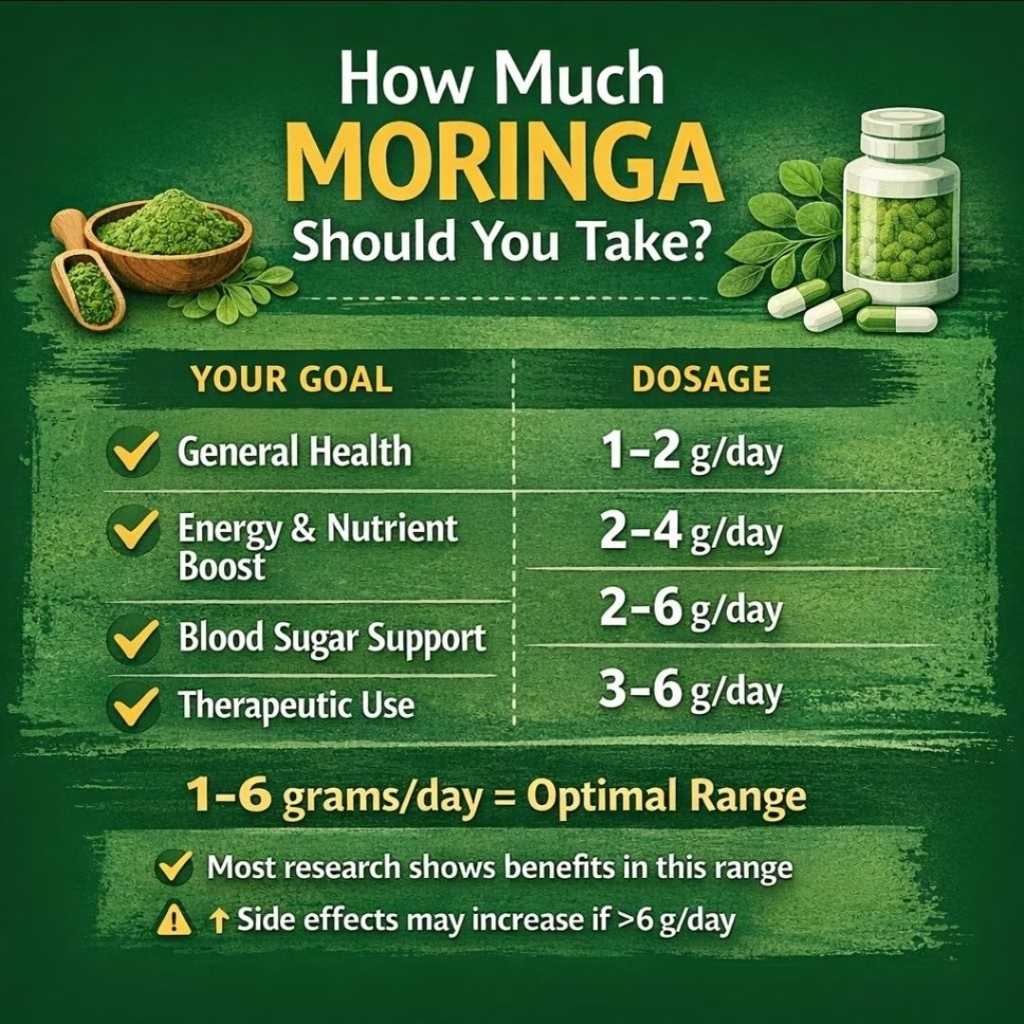
4.1 General Wellness
Recommended Dose:
👉 1–2 grams per day
Why this works:
At this level, moringa acts like a daily superfood, not a treatment.
- Helps fill small nutrient gaps
- Gives your body antioxidants
- Supports overall health without stressing your system
Moringa is rich in vitamins and plant compounds that support basic health functions, even at low doses
👉 Think of this as your “maintenance dose”
4.2 Energy & Nutrient Boost
Recommended moringa dosage:
👉 2–4 grams per day
Best for:
- Feeling tired all the time
- Low iron or poor diet
- Busy lifestyle with low nutrient intake
Why it works:
Moringa contains:
- Iron → supports oxygen in your blood
- Antioxidants → reduce fatigue
- Plant compounds → support metabolism
Even small daily doses (like 1 gram) have shown improvements in body weight, blood pressure, and energy-related markers over time
👉 This is a “functional boost” dose
4.3 Blood Sugar Support
Recommended moringa Dosage:
👉 2–6 grams per day
What research shows:
- Moringa may help lower blood sugar
- It may improve insulin response
- Effects are modest but promising
A scientific review found that most human studies showed reduced blood glucose levels, though more research is still needed
Another study showed moringa can increase insulin secretion after a single 4 g dose
⚠️ Important Warning
According to recent guidance:
👉 Moringa should NOT replace diabetes medication
It may help support blood sugar, but it is not a cure
Best Way to Use It
- Take before meals
- Use consistently for weeks
- Combine with a healthy diet
👉 This is a “support dose,” not a treatment replacement
4.4 Weight Management
Recommended moringa dosage:
👉 1–3 grams per day
Why it works:
Moringa may help with:
- Appetite control
- Fat metabolism
- Blood sugar balance (which affects cravings)
One study found that even 1 gram daily for 12 weeks improved weight and metabolic markers
👉 The key here is consistency, not high doses
4.5 Inflammation & Antioxidant Support
Recommended Dose:
👉 3–6 grams per day
Why this higher dose is used:
Moringa is packed with:
- Polyphenols
- Flavonoids
- Anti-inflammatory compounds
These compounds help:
- Reduce oxidative stress
- Protect cells
- Support long-term health
Research shows moringa has strong antioxidant and anti-inflammatory effects, linked to these plant compounds
How to Think About This (Simple Breakdown)
| Goal | Dose | What It Does |
|---|---|---|
| General health | 1–2 g | Daily nutrition support |
| Energy | 2–4 g | Boosts nutrients & reduces fatigue |
| Blood sugar | 2–6 g | Supports glucose control |
| Weight loss | 1–3 g | Helps metabolism & appetite |
| Inflammation | 3–6 g | Strong antioxidant effects |
Big Picture (Easy Rule)
👉 Lower dose = daily health
👉 Medium dose = noticeable benefits
👉 Higher dose = stronger effects (but not always needed)
Key Takeaway
👉 The best moringa dosage depends on your goal, but most benefits happen between 1–6 grams per day.
👉 Lower doses support general health, while higher doses are used for blood sugar and inflammation support.
👉 Consistency matters more than taking large amounts.
5. Moringa Dosage by Form (Powder, Capsules, Tea, Fresh)
Here’s something most people don’t realize:
👉 The form of moringa you take changes how much you should use.
A teaspoon of powder is very different from a capsule or tea. So let’s break it down in a simple, practical way.
5.1 Moringa Powder (Most Common Form)
Typical Dose:
👉 1–2 teaspoons per day
- 1 teaspoon ≈ 2–3 grams
- So daily intake = 2–6 grams
This is the most popular form because you can:
- Add it to smoothies
- Mix it into tea
- Sprinkle it on food
What Research Says
- Studies show 1–3 teaspoons daily is well tolerated (pmc.ncbi.nlm.nih.gov)
- Even 1 teaspoon (~2 g) works well for general health (turn0search7)
Maximum Safe Intake
According to WebMD (Moringa Powder Dosage):
👉 Up to 70 grams of leaves per day (≈ 11 teaspoons powder) is considered a high upper limit
⚠️ But be clear:
- This is an extreme upper limit, not a daily recommendation
- Most people don’t need anywhere near this amount
Simple Tip
👉 Start with ½–1 teaspoon, then slowly increase
This helps avoid stomach discomfort
5.2 Capsules
Typical Dose:
- 1 capsule = 400–600 mg
- Daily intake:
👉 2–6 capsules per day (≈ 1–3 grams total)
Why Choose Capsules?
- Easy to take
- No taste (good if you don’t like the flavor)
- More precise dosing
What Research Shows
Moringa supplements are commonly used in:
👉 6–10 grams/day in divided doses in studies (turn0search1)
But for everyday use:
👉 1–3 grams/day is more realistic and safer
5.3 Moringa Tea
Typical Dose:
👉 1–2 cups per day
Why Tea Is Different
Tea is the mildest form because:
- Lower concentration of nutrients
- Slower absorption
- Gentle on digestion
According to research, moringa is commonly consumed as tea, powder, or capsules, but potency varies between forms
Best For:
- Beginners
- People with sensitive stomach
- Light daily support
👉 Think of tea as a “low-dose entry point”
5.4 Fresh Moringa Leaves
How It’s Used:
- Cooked like spinach
- Added to soups and stews
- Eaten as a vegetable
Dosage (Food Form)
👉 Can be eaten in larger amounts safely
Example from research:
- People consumed 120 grams of cooked leaves in a study with no major issues (turn0search13)
Why Fresh Leaves Are Different
- Less concentrated than powder
- More like regular food
- Easier for the body to handle
👉 This is the most natural way to consume moringa
Quick Comparison
| Form | Typical Dose | Strength |
|---|---|---|
| Powder | 1–2 tsp (2–6 g) | Strong |
| Capsules | 1–3 g total | Controlled |
| Tea | 1–2 cups | Mild |
| Fresh leaves | Food amounts | Natural |
Insight (Very Important)
Common Mistake to Avoid
❌ Treating all forms the same
Example:
- 2 teaspoons powder ≠ 2 cups tea
They are very different in strength
Key Takeaway
👉 The best moringa dosage depends on the form:
- Powder: 1–2 teaspoons (2–6 g/day)
- Capsules: 1–3 grams/day
- Tea: 1–2 cups/day
- Fresh leaves: can be eaten like vegetables
👉 Powder is the most potent, while tea is the gentlest option.
👉 Always start low and increase slowly to avoid side effects.
6. Maximum Safe Moringa dosage
This is one of the most important parts to understand.
👉 More moringa is not always better.
There’s a point where benefits level off—and side effects can start.
Let’s break it down in a simple, science-based way.
Human Safety Data (What Studies Show in People)
Safe Daily Amount (Most People)
👉 Around 2,000 mg (2 grams) per day is widely considered safe in studies
A review published on PubMed Central found that moringa was well tolerated at typical supplement doses, with very few side effects:
🔗 https://pmc.ncbi.nlm.nih.gov/articles/PMC6680322/
Common Supplement Range
👉 Up to 2,400 mg (2.4 grams) per day is often used in supplements
According to clinical summaries and supplement guidelines:
👉 This range is considered safe for regular daily use when taken correctly
What About Higher Doses?
Here’s where people get confused:
👉 You can take more—but you don’t always need to.
- Many studies safely use 3–6 grams/day
- Benefits don’t always increase after that
- Side effects become more likely
Food-Based Intake Is Different
When moringa is eaten as fresh leaves or food:
👉 You can safely consume larger amounts
Why?
- Lower concentration
- Slower absorption
- More balanced nutrients
Toxicity Studies (Animal Research Explained Simply)
Scientists also test very high doses in animals to understand safety limits.
What They Found:
- Safe up to 1000 mg per kg of body weight
- Toxic effects only appear at extremely high doses
Study link:
🔗 https://pmc.ncbi.nlm.nih.gov/articles/PMC6680322/
What This Means (Simple Terms)
👉 These doses are WAY higher than what humans normally take
For example:
- A 70 kg person would need 70,000 mg (70 grams) to reach similar levels
👉 That’s far beyond normal use
When Does It Become Risky?
Very high doses (especially extracts) may cause:
- Liver stress
- Digestive issues
- Hormonal effects
These are seen at extreme doses (>3000 mg/kg) in animal studies
Practical Upper Limits (What You Should Actually Follow)
Let’s make this clear and easy:
Safe Daily Range
👉 1–6 grams per day
- Backed by most human studies
- Safe for long-term use
- Best balance of results + safety
Upper Caution Zone
👉 6–10 grams per day
- Sometimes used short-term
- May increase side effects
- Not needed for most people
Avoid Long-Term High Doses
👉 More than 10 grams per day
- Not well studied in humans
- May increase risk over time
- Should only be used with professional guidance
How to Know If You’re Taking Too Much
Your body usually gives signs.
⚠️ Warning signs:
- Stomach cramps
- Diarrhea
- Nausea
- Headaches
If this happens:
👉 Lower your dose
Why Moderate Doses Work Best
Here’s something important most people miss:
👉 Moringa works better when you take moderate amounts consistently
Research shows:
- Long-term use > short-term high doses
- Stability > intensity
Simple Rule to Remember
👉 Stay in the 1–6 gram range → safe and effective
👉 Going higher doesn’t mean better results
Key Takeaway
👉 Moringa is generally safe at 1–6 grams per day, with strong evidence supporting tolerability in humans.
👉 Doses above 6–10 grams per day may increase side effects and are not necessary for most benefits.
👉 Extremely high doses (seen in animal studies) are far beyond normal human use and should be avoided.
7. Who Should NOT Take High Doses of Moringa
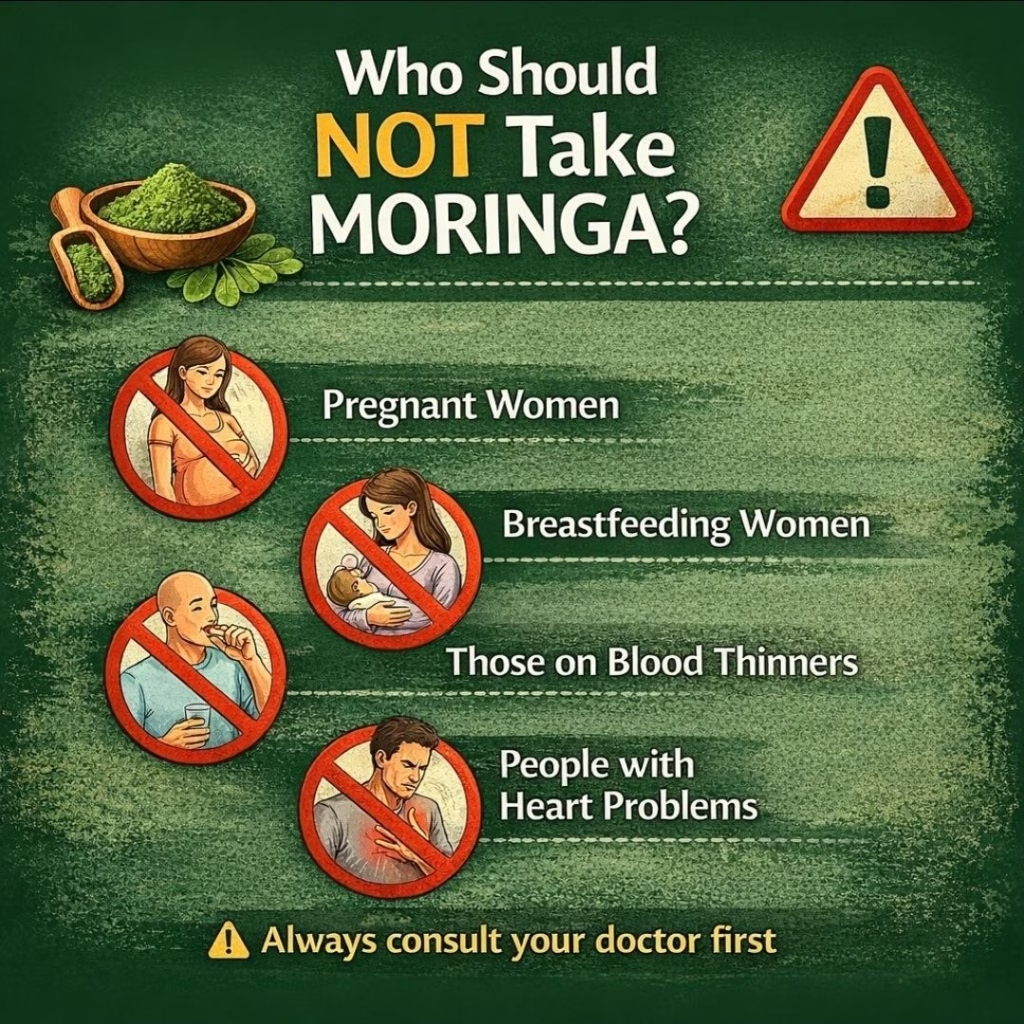
Moringa is natural, but that doesn’t mean it’s risk-free for everyone—especially at higher doses.
👉 Some people need to be extra careful or avoid large amounts completely.
Let’s go through this clearly so you know what’s safe.
7.1 Pregnancy
⚠️ Important Warning
If you are pregnant (or trying to get pregnant), you should be cautious with moringa—especially high doses or extracts.
Why?
Some studies suggest that certain parts of the moringa plant (especially root and bark extracts):
- May trigger uterine contractions
- May have anti-fertility effects in animal studies
Research example:
🔗 https://pmc.ncbi.nlm.nih.gov/articles/PMC9916933/
What This Means for You
👉 Small food amounts (like leaves in meals) are generally considered safer
👉 But high doses, powders, or extracts should be avoided
7.2 People Taking Medication
Moringa can affect how your body handles certain medications.
Most Important Interactions
1. Diabetes Medications
Moringa may lower blood sugar levels
👉 If combined with medication, this can cause:
- Blood sugar to drop too low (hypoglycemia)
Study evidence shows moringa can reduce glucose levels in humans and animals (sciencedirect.com)
2. Blood Pressure Medications
Moringa may also lower blood pressure
👉 Combining both may lead to:
- Dizziness
- Weakness
- Low blood pressure
What You Should Do
👉 If you take medication:
- Start with very low doses (1 gram or less)
- Monitor how you feel
- Talk to your doctor before increasing
Important Reminder
According to guidance from
🔗 https://www.verywellhealth.com/moringa-and-blood-sugar-11921116
👉 Moringa should not replace prescribed medication
7.3 People With Sensitive Digestion
If you have a sensitive stomach, high doses of moringa can cause problems.
Common Side Effects
- Diarrhea
- Bloating
- Stomach cramps
- Nausea
What Research Shows
High-dose studies have reported digestive discomfort, especially when people take too much too quickly.
Example study:
🔗 https://www.nature.com/articles/s41598-024-51442-8
Why This Happens
Moringa contains:
- Fiber
- Strong plant compounds
👉 In high amounts, these can overwhelm your digestive system
How to Avoid This
👉 Start low:
- ½ teaspoon (about 1 gram)
👉 Increase slowly over time
👉 Take with food
Extra Groups Who Should Be Careful
Even though not always discussed, these groups should also use caution:
People with liver conditions
- High doses may put extra strain on the liver
People with low blood pressure
- Moringa may lower it further
Simple Safety Guide
| Group | Recommendation |
|---|---|
| Pregnant women | Avoid high doses |
| On medication | Start low + consult doctor |
| Sensitive stomach | Increase slowly |
| General users | Stay within 1–6 g/day |
Big Takeaway
👉 Moringa is safe for most people—but not at high doses for everyone
👉 The biggest risks are during pregnancy, medication use, and digestive sensitivity
👉 Starting low and increasing slowly is the safest approach
Before You Take Another Scoop —
Read This First
Most people take moringa without knowing the right dose, the risky combinations, or the signs to stop. This guide fixes that — with evidence-based answers, not guesswork.
- Exact safe dosage by body weight & health goal
- Drug & supplement interactions to avoid
- Who should NOT take moringa (and why)
- How to know when to stop or adjust
8. Best Time to Take Moringa
Timing matters more than most people think.
👉 You can take moringa anytime—but when you take it can change how it works in your body.
Let’s keep this simple and practical.
Morning (Recommended for Most People)
Best Time:
👉 First thing in the morning or with breakfast
Why this works:
Moringa contains:
- Iron → supports oxygen and energy
- Vitamins → help your body function better
- Plant compounds → support metabolism
👉 Taking it in the morning can help you feel:
- More awake
- More focused
- Less tired
Some research suggests moringa may support energy levels and metabolic function due to its nutrient profile (medicalnewstoday.com)
Simple Tip
👉 Add it to:
- Smoothies
- Warm water
- Breakfast meals
Before Meals (Best for Blood Sugar Support)
Best Time:
👉 20–30 minutes before meals
Why this works:
Moringa may help:
- Slow down how fast sugar enters your blood
- Improve insulin response
A study found that taking moringa leaf powder before meals helped reduce post-meal blood sugar spikes (mdpi.com)
Who Should Use This Strategy
- People managing blood sugar
- Those trying to reduce cravings
- Anyone working on weight control
⚠️ Important Reminder
👉 If you’re on diabetes medication:
Be careful—combining both may lower blood sugar too much
Always monitor your response and check with a professional if needed.
Avoid Late Night (For Most People)
Why you should be careful:
Even though moringa is not caffeine, it can:
- Increase alertness
- Support energy production
- Make it harder to relax
What People Often Notice
👉 Taking it late at night may lead to:
- Trouble falling asleep
- Feeling “too awake”
This is likely due to its nutrient and metabolic effects, not a stimulant like caffeine.
Best Daily Schedule (Simple Routine)
Option 1: General Health
- Morning: 1–2 grams
Option 2: Energy + Focus
- Morning: full dose
Option 3: Blood Sugar Support
- Before meals: split doses
- Example: 1 g before lunch + 1 g before dinner
What If You Forget Timing?
Don’t worry.
👉 Consistency matters more than perfect timing
Taking moringa daily is more important than stressing about the exact
Key Takeaway
👉 The best time to take moringa is in the morning for energy and metabolism, or before meals to support blood sugar control.
👉 Taking moringa late at night may increase alertness and affect sleep in some people.
👉 Consistent daily use is more important than exact timing.
9. How to Start Moringa Safely (Step-by-Step Protocol)
If you’re new to moringa, the biggest mistake is starting with too much too fast.
👉 The smart way is to start low and build up slowly so your body can adjust.
Here’s a simple, beginner-friendly plan you can follow.
Step-by-Step Moringa Dosing Plan
Week 1: Start Low
👉 1 gram per day
(about ½ teaspoon of powder or 1–2 capsules)
Why this matters:
- Lets your body get used to moringa
- Reduces risk of stomach upset
- Helps you notice how your body responds
Week 2: Increase Slightly
👉 2 grams per day
(about 1 teaspoon or 2–4 capsules)
What happens here:
- Your body starts adapting
- You may notice small benefits like better energy
- Still low risk of side effects
Week 3: Reach Effective Dose
👉 3–4 grams per day
(about 1–2 teaspoons)
Why this is the sweet spot:
- This is where most research shows benefits
- Still safe for daily use
- Good balance between results and tolerance
Studies commonly use 1–6 grams per day, with gradual increases improving tolerance (pmc.ncbi.nlm.nih.gov)
Why This Slow Approach Works
👉 It helps reduce:
1. Digestive Issues
Starting too high can cause:
- Bloating
- Diarrhea
- Stomach cramps
2. “Detox-Like” Symptoms
Some people feel:
- Headaches
- Mild nausea
- Fatigue
👉 This isn’t true detox—it’s just your body adjusting.
3. Overreaction to Strong Compounds
Moringa is rich in:
- Fiber
- Antioxidants
- Plant chemicals
👉 Your body needs time to process these
read also Moringa Supplementation: Evidence-Based Benefits, Dosage, and Safety
Pro Tips for Beginners
✔ Take it with food
Helps digestion and absorption
✔ Drink enough water
Supports your body as it adjusts
✔ Stay consistent
Daily use matters more than high doses
What to Do After Week 3
Once you reach 3–4 grams/day, you can:
- Stay there (great for most people)
- Increase slightly (up to 5–6 g) if needed
- Adjust based on your goal
Warning: Don’t Skip Steps
❌ Jumping straight to 5–6 grams
= higher chance of side effects
👉 Slow progression = better results
Simple Visual Plan
- Week 1 → 1 g
- Week 2 → 2 g
- Week 3 → 3–4 g
👉 Easy, safe, effective
Key Takeaway
👉 The safest way to start moringa is to begin with 1 gram per day and gradually increase to 3–4 grams over 2–3 weeks.
👉 This step-by-step approach helps reduce digestive discomfort and improves long-term tolerance.
👉 Starting low and increasing slowly leads to better results than taking high doses immediately.
10. Bioavailability: Why Dosage Isn’t Everything
Here’s something most people don’t know:
👉 Taking more moringa doesn’t always mean your body absorbs more.
This is called bioavailability — how much of the nutrients your body can actually use.
What Affects Moringa Absorption?
Moringa is very nutritious, but it also contains things that can block or reduce absorption.
1. Fiber
Moringa is high in fiber.
👉 That’s good for digestion—but too much can:
- Slow nutrient absorption
- Reduce how much your body takes in at once
2. Anti-Nutrients (Phytates)
Moringa also contains compounds called phytates.
👉 These can bind to minerals like:
- Iron
- Calcium
- Zinc
And make them harder for your body to absorb.
Research shows that plant foods with phytates can reduce mineral bioavailability if not balanced properly
2. Anti-Nutrients (Phytates)
Moringa also contains compounds called phytates.
👉 These can bind to minerals like:
- Iron
- Calcium
- Zinc
And make them harder for your body to absorb.
Research shows that plant foods with phytates can reduce mineral bioavailability if not balanced properly
How to Improve Moringa Absorption
Now the good part—there are simple ways to get more benefits from the same dose.
1. Take It With Healthy Fats
👉 This is one of the easiest upgrades.
Moringa contains fat-soluble vitamins like:
- Vitamin A
- Vitamin E
These absorb better with fat.
✔ Examples:
- Add moringa to a smoothie with milk or yogurt
- Mix it with nuts, seeds, or peanut butter
- Take capsules with a meal that contains fat
2. Add Vitamin C (Very Powerful Tip)
👉 Vitamin C helps your body absorb iron better
This is especially useful because moringa contains plant-based iron.
✔ Pair moringa with:
- Lemon juice
- Oranges
- Pineapple
- Tomatoes
A study shows vitamin C can significantly improve non-heme iron absorption from plant foods (nih.gov)
3. Use Fermented or Processed Forms
👉 Fermentation can reduce anti-nutrients like phytates
This makes minerals easier to absorb.
Research shows fermentation improves nutrient availability in plant foods (mdpi.com)
4. Split Your Dose
Instead of taking everything at once:
👉 Take smaller amounts throughout the day
Example:
- 2 g in the morning
- 2 g later in the day
👉 This can improve absorption and reduce stomach discomfort
Common Mistake to Avoid
❌ Taking a large dose on an empty stomach
This can:
- Reduce absorption
- Cause stomach upset
Simple Rule to Remember
👉 It’s not just how much you take—it’s how well your body absorbs it
Quick Summary
| Factor | Effect |
|---|---|
| Fiber | Slows absorption |
| Phytates | Reduce mineral uptake |
| Fat | Improves vitamin absorption |
| Vitamin C | Boosts iron absorption |
| Fermentation | Reduces anti-nutrients |
Key Takeaway
👉 Moringa contains beneficial nutrients, but also fiber and phytates that can reduce absorption.
👉 To improve bioavailability, take moringa with healthy fats, combine it with vitamin C-rich foods, and consider fermented forms.
👉 Better absorption means better results—even at lower doses.
11. Common Mistakes with Moringa Dosage
Moringa can work really well—but only if you use it the right way.
👉 Many people don’t see results because they make a few simple mistakes.
Let’s fix that.
❌ 1. Taking Too Much Too Fast
What people do:
They jump straight to 5–10 grams on day one
What happens:
- Stomach pain
- Diarrhea
- Nausea
This is one of the most common issues reported in high-dose intake studies (nature.com)
Better approach:
👉 Start low and increase slowly
- Week 1 → 1 g
- Week 2 → 2 g
- Week 3 → 3–4 g
❌ 2. Using Low-Quality Moringa Powder
Why this matters:
Not all moringa is the same.
Low-quality products may:
- Lose nutrients during processing
- Contain contaminants
- Be less effective
Research shows that processing and storage can reduce antioxidant levels in moringa
What to look for:
✔ Bright green color
✔ Fresh, earthy smell
✔ Sourced from trusted brands
👉 Dull or brown powder = lower quality
❌ 3. Expecting Instant Results
What people expect:
“Why don’t I feel anything after one day?”
Reality:
Moringa works gradually.
- Energy → a few days
- Blood sugar → weeks
- Weight/metabolism → months
A clinical study showed improvements after 12 weeks of consistent use (itjfs.com)
Better mindset:
👉 Think of moringa like:
- A healthy diet
- Not a quick fix
Consistency > speed
❌ 4. Replacing Medical Treatment
This is very important
Some people try to use moringa instead of medication.
👉 This is risky.
What research says:
Moringa may help support:
- Blood sugar
- Blood pressure
But it is not a replacement for treatment
According to Verywell Health:
👉 It should be used as support, not a substitute
Safer approach:
✔ Use moringa alongside healthy habits
✔ Talk to your doctor if you’re on medication
12. Signs You’re Taking the Right Dose
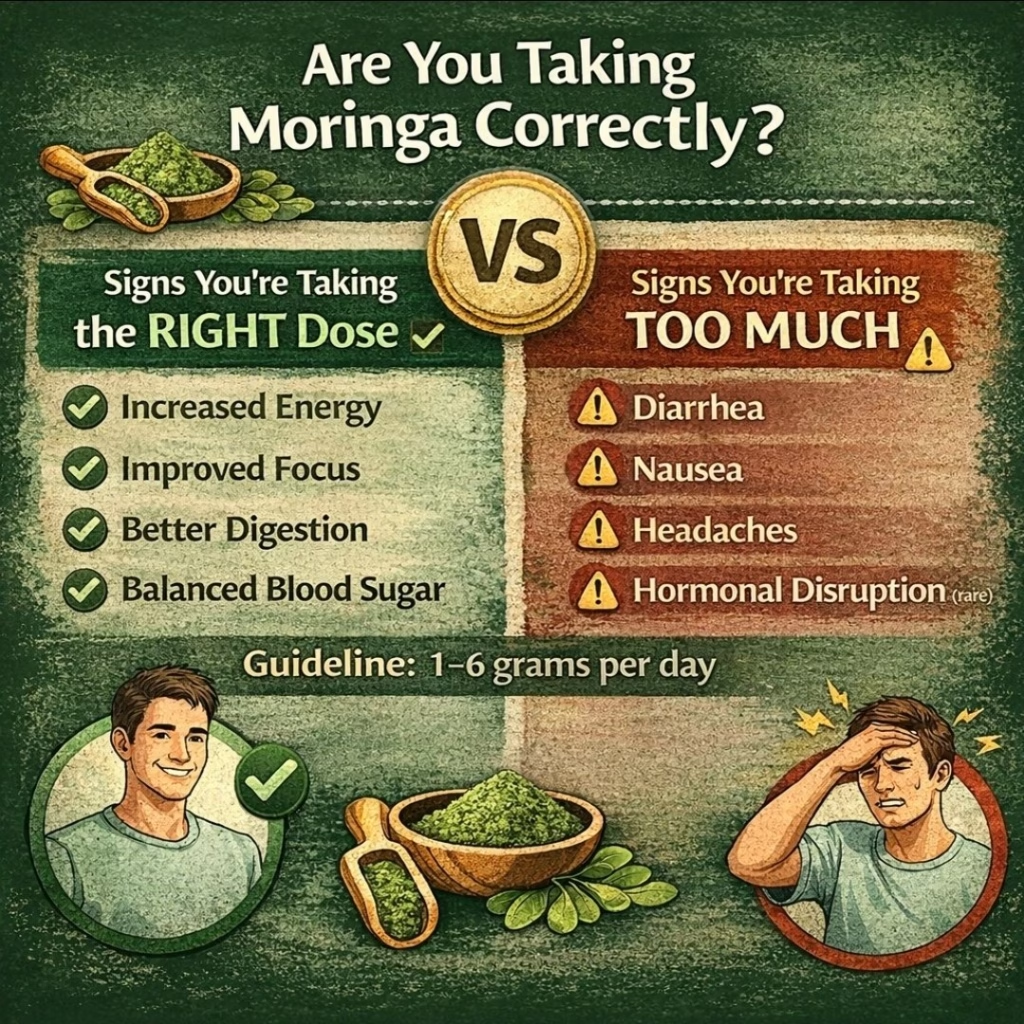
So how do you know if moringa is actually working?
👉 Your body gives you clear signals when the dose is right.
You don’t need to guess—you just need to pay attention.
✔ 1. You Feel More Stable Energy (Not Jitters)
What to look for:
- You feel more awake during the day
- Less afternoon crashes
- More steady focus
Moringa contains iron, vitamins, and antioxidants that support energy production and reduce fatigue (medicalnewstoday.com)
👉 Important:
This should feel smooth and natural, not like caffeine.
✔ 2. Your Blood Sugar Feels More Balanced
What this feels like:
- Fewer sugar cravings
- Less energy crash after meals
- More consistent hunger levels
Some studies show moringa may help regulate blood glucose levels over time (mdpi.com)
👉 This usually takes a few weeks, not days
✔ 2. Your Blood Sugar Feels More Balanced
What this feels like:
- Fewer sugar cravings
- Less energy crash after meals
- More consistent hunger levels
Some studies show moringa may help regulate blood glucose levels over time (mdpi.com)
👉 This usually takes a few weeks, not days
Read also Using Moringa for high Blood Pressure Safely: A Step-by-Step Guide
✔ 3. Your Digestion Feels Better
Signs:
- Less bloating
- More regular bowel movements
- Comfortable digestion
Moringa contains fiber and plant compounds that can support gut health—when taken in the right amount.
👉 If your dose is correct:
- Digestion improves
👉 If too high: - You may get diarrhea instead
✔ 4. Your Skin Looks Healthier
What people notice:
- Clearer skin
- Better glow
- Less dryness
This is likely due to:
- Antioxidants
- Vitamins A, C, and E
These nutrients help protect skin from oxidative stress
What If You Don’t Notice Anything?
That doesn’t mean it’s not working.
It could mean:
- Dose is too low
- Not taking it consistently
- Poor absorption (timing matters)
👉 Try:
- Increasing slightly
- Taking with food
- Giving it more time
Key Takeaway
👉 Signs you’re taking the right moringa dose include improved energy, stable blood sugar levels, better digestion, and healthier skin.
👉 These benefits usually appear gradually over weeks with consistent use.
👉 The correct dose should feel balanced—not cause discomfort or side effects.
13. Signs You’re Taking Too Much Moringa
Moringa is healthy—but like anything, too much can backfire.
👉 Your body will usually tell you when the dose is too high. You just need to recognize the signs early.
⚠️ 1. Diarrhea or Loose Stools
What’s happening:
Moringa is high in:
- Fiber
- Strong plant compounds
👉 In large amounts, this can speed up digestion too much
What research shows:
High-dose intake has been linked to digestive issues like diarrhea and stomach discomfort in some studies
🔗 https://www.nature.com/articles/s41598-024-51442-8
What to do:
👉 Reduce your dose by 50%
👉 Take it with food
⚠️ 2. Nausea or Stomach Upset
Why this happens:
Taking too much—especially on an empty stomach—can irritate your digestive system.
Common triggers:
- Starting with a high dose
- Taking powder without food
- Sensitive stomach
Fix:
👉 Lower your dose
👉 Split it into smaller amounts during the day
⚠️ 3. Headaches
What’s going on:
This can happen when:
- Your body is adjusting
- Blood sugar or blood pressure drops too quickly
Moringa may affect both glucose and blood pressure levels in some people (sciencedirect.com)
Fix:
👉 Reduce dose
👉 Stay hydrated
👉 Avoid combining with other strong supplements at first
⚠️ 4. Hormonal Effects (Rare but Important)
What studies suggest:
Some research (mostly in animals) shows moringa may influence:
- Hormones
- Fertility
- Reproductive function
Study example:
🔗 https://pmc.ncbi.nlm.nih.gov/articles/PMC9916933/
Important context:
👉 This is rare and usually linked to:
- Very high doses
- Extracts (not normal food use)
Who should be careful:
- Pregnant women
- People trying to conceive
Other Possible Signs (Less Common)
- Dizziness (low blood pressure)
- Fatigue (if dose is too high for your body)
How to Know It’s Too Much (Simple Rule)
👉 If you feel worse instead of better → your dose is too high
Read more at 7 Critical Moringa Side Effects You Must Know Before Taking It
What To Do If You Took Too Much
Step-by-step:
- Stop or reduce your dose
- Wait 1–3 days
- Restart at a lower level (1–2 grams/day)
👉 Your body will usually recover quickly
Safe Adjustment Strategy
- Feeling mild symptoms → reduce dose
- Strong symptoms → stop temporarily
- Restart slowly
14. Frequently Asked Questions
How much moringa should I take daily?
👉 Most people should take 1–3 grams per day for general health
👉 For stronger benefits, up to 6 grams per day is commonly used
This range is based on human studies, where most benefits are seen between 1–6 grams daily (mdpi.com)
✔ Start low (1 g) and increase slowly
✔ Stay consistent for best results
Is it safe to take moringa every day?
👉 Yes, moringa is generally safe for daily use at moderate doses
- Safe range: 1–3 grams/day
- Widely used in studies with good tolerance
Research reviews confirm moringa is well tolerated in humans when used appropriately (pmc.ncbi.nlm.nih.gov)
⚠️ Avoid very high doses long-term (above 10 g/day)
What is the best form of moringa?
👉 Moringa powder is the best overall option
Why powder works best:
- More natural (less processed than capsules)
- Flexible (easy to add to food or drinks)
- Good balance of potency and absorption
Capsules are more convenient, but powder gives you:
👉 Better control over dosage + better value
How long does moringa take to work?
👉 It depends on what you’re using it for
Typical timeline:
- Energy: 1–3 days
- Digestion: 1–2 weeks
- Blood sugar / metabolism: 4–12 weeks
A clinical study showed measurable improvements after 12 weeks of consistent use (itjfs.com)
Key Takeaway
👉 Moringa is safe and effective when taken daily in moderate doses of 1–6 grams.
👉 Powder is the most versatile and effective form, while results can appear within days for energy and several weeks for metabolic benefits.
Before You Take Another Scoop —
Read This First
Most people take moringa without knowing the right dose, the risky combinations, or the signs to stop. This guide fixes that — with evidence-based answers, not guesswork.
- Exact safe dosage by body weight & health goal
- Drug & supplement interactions to avoid
- Who should NOT take moringa (and why)
- How to know when to stop or adjust