
High blood pressure (hypertension) is a common but serious condition in which the force of blood against the artery walls remains consistently elevated. Over time, uncontrolled hypertension increases the risk of heart disease, stroke, kidney damage, and other cardiovascular complications. Because it often develops without noticeable symptoms, it is frequently referred to as a “silent condition,” making long-term management especially important.
In recent years, interest in using moringa for high blood pressure support has grown. Many people living with hypertension look for natural, nutrition-based strategies to complement prescribed medications and lifestyle changes. This interest is driven by a desire to reduce inflammation, improve mineral intake (such as potassium and magnesium), and support overall cardiovascular health through plant-based approaches.
It is critical to state clearly and upfront: moringa is not a replacement for blood pressure medication or medical care. While moringa (particularly Moringa oleifera leaf) contains nutrients and bioactive compounds that may support healthy blood pressure regulation, it should only be considered as a supportive dietary supplement, not a treatment or cure for hypertension.
This step-by-step guide will walk you through how to use moringa for blood pressure safely and responsibly. It covers who should and should not use moringa, how to choose the right form, appropriate dosage ranges, the best timing for use, potential side effects, medication interactions, and how to monitor your body’s response. The goal is to help you make informed, cautious decisions—always in coordination with a qualified healthcare provider.
Understanding Blood Pressure Basics

Before using any supplement—including moringa—it is important to understand what blood pressure is and why nutrition and lifestyle play such a central role in its management.
2.1 What High Blood Pressure Is
Blood pressure measures the force of circulating blood against the walls of your arteries. It is recorded as two numbers:
- Systolic pressure (top number): the pressure when the heart contracts and pumps blood
- Diastolic pressure (bottom number): the pressure when the heart relaxes between beats
Hypertension is generally diagnosed when readings consistently remain at or above 130/80 mmHg, according to most modern clinical guidelines.
One of the biggest challenges with high blood pressure is that it often has no obvious symptoms. Many people feel completely normal while their blood vessels are under chronic strain. Over time, this silent pressure can damage arteries, increase arterial stiffness, and place excess workload on the heart, kidneys, and brain.
Because hypertension develops gradually and quietly, long-term daily habits—diet, physical activity, stress management, and supplementation—have a cumulative impact on outcomes.
2.2 Why Lifestyle & Nutrition Matter
Blood pressure is strongly influenced by modifiable lifestyle factors, particularly nutrition. Several mechanisms are especially relevant:
- Potassium intake: helps counterbalance sodium, supports healthy blood vessel relaxation, and assists fluid balance
- Antioxidants: reduce oxidative stress, which contributes to arterial inflammation and endothelial dysfunction
- Inflammation control: chronic low-grade inflammation is linked to increased vascular resistance and higher blood pressure
Food-based interventions are supportive because they work upstream, addressing nutrient deficiencies and metabolic stress rather than forcing short-term changes. Diets rich in plants, minerals, and polyphenols—such as DASH-style or whole-food diets—are consistently associated with better blood pressure control.
This is where moringa becomes relevant. As a nutrient-dense leafy plant, moringa provides potassium, antioxidants, and anti-inflammatory compounds that may support cardiovascular health when used responsibly. However, its effects are typically gradual and supportive, not immediate or drug-like, reinforcing the importance of combining supplementation with overall lifestyle management rather than relying on a single intervention.
3. Why Moringa May Support Healthy Blood Pressure
Many people explore moringa for blood pressure support because it is nutrient-dense and rich in plant compounds that influence vascular function. The evidence includes both controlled laboratory studies and some human observations, though the strength of evidence varies by outcome.
3.1 Key Nutrients in Moringa Relevant to Blood Pressure
Potassium — Vascular Relaxation
Potassium plays a well-established role in maintaining healthy blood pressure by helping blood vessel walls relax and supporting fluid balance. Moringa leaves are a good plant-based source of potassium, which may help counteract sodium-induced blood pressure elevation. PMC
Magnesium — Smooth Muscle Function
Magnesium is essential for muscle relaxation, including vascular smooth muscle that controls artery diameter. Adequate magnesium intake is associated with improved blood pressure regulation, and foods like moringa that provide magnesium may contribute to this effect as part of a balanced diet. PMC
Polyphenols and Antioxidants — Endothelial Protection
Moringa leaf extracts contain polyphenols such as flavonoids and phenolic acids, which help reduce oxidative stress and inflammation. Oxidative stress impairs nitric oxide (NO), a molecule that enables blood vessels to relax. By reducing oxidative damage, these antioxidants may help preserve NO availability and promote healthier blood vessel function. MDPI
3.2 What Research Suggests
Scientific interest in moringa and blood pressure includes both human clinical work and experimental models. While mechanisms are promising, clear evidence in humans remains limited, and results vary between individuals.
Animal Studies Show Blood Pressure–Lowering Effects
Several animal studies demonstrate that moringa leaf extracts can reduce elevated blood pressure in hypertensive models:
- In rats with chemically induced hypertension, moringa leaf extract decreased blood pressure and improved vascular function, likely through antioxidant effects and improved endothelial relaxation. PubMed
- Another experimental rat model found that moringa extract stimulated endothelium-derived nitric oxide production, leading to relaxation of arterial tissue and reduced mean arterial pressure. PubMed
- A related vascular physiology study showed moringa extract caused arterial relaxation through both endothelium-dependent and direct smooth muscle mechanisms. PubMed
These mechanisms — improved NO availability, reduced oxidative stress, and decreased vascular contraction — align with known pathways for blood pressure regulation, suggesting biological plausibility for moringa’s effects. MDPI
Limited Human Evidence
Human research on moringa and blood pressure is still emerging and not uniformly strong:
- A clinical study in healthy adults found that consuming cooked moringa leaves significantly lowered systolic and diastolic blood pressure after a meal, even when salt intake was relatively high, suggesting a postprandial benefit. PubMed
- Another prospective study of type 2 diabetes patients with hypertension reported that moringa leaf capsules (6 g/day) were associated with a reduction in blood pressure over three months, although more research is needed to confirm these findings. PubMed
- Some smaller human studies (e.g., moringa tea consumption) have found no significant changes in blood pressure over short durations, illustrating variability in outcomes. jurnalonline.unsoed.ac.id
A recent meta-analysis of randomized controlled trials did not find consistent cardiometabolic benefits, including blood pressure, though a modest reduction in diastolic pressure was noted in some subgroups. Importantly, the overall certainty of evidence was rated very low due to study limitations. PubMed
Why Results Vary Between Individuals
There are several reasons moringa’s effects on blood pressure may vary between people:
- Baseline Blood Pressure: Those with normal pressure may show minimal changes, while those with elevated pressure could see more noticeable effects.
- Form and Dose Used: Leaf powder, tea, juice, or concentrated extracts contain different levels of active compounds.
- Duration of Use: Short studies may miss effects that require weeks of consistent use.
- Diet and Lifestyle: Sodium intake, weight, physical activity, and overall diet strongly influence blood pressure and modulate supplement effects.
4. Step 1: Determine If Moringa Is Appropriate for You
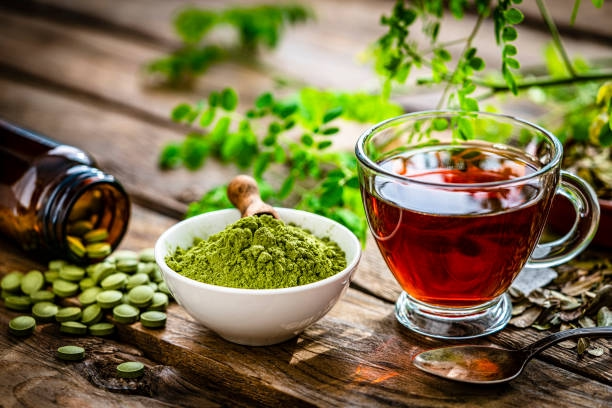
Before adding moringa to a blood pressure routine, the most important step is determining whether it is appropriate for your individual health profile. While moringa is a nutrient-dense plant with promising properties, it is not suitable for everyone, especially when blood pressure is already being medically managed.
This step helps readers make an informed decision before moving on to dosage or timing.
4.1 Who May Benefit
Moringa may be appropriate as a supportive dietary addition for certain individuals, particularly when used alongside lifestyle improvements such as diet, exercise, stress management, and medical supervision.
People with mild or borderline hypertension
Individuals with slightly elevated blood pressure (often classified as pre-hypertension or stage 1 hypertension) may benefit most. In these cases, nutrition-based interventions rich in potassium, magnesium, and antioxidants are often recommended as first-line supportive strategies before medication escalation.
Those focusing on dietary and lifestyle support
Moringa fits well for people who are:
- Improving diet quality
- Reducing sodium intake
- Increasing plant-based nutrients
- Supporting vascular health through whole foods
Because moringa is a food-derived supplement, it is generally better tolerated than stimulant-based or aggressive herbal interventions.
People seeking non-stimulant options
Unlike caffeine-containing supplements or thermogenic products, moringa does not stimulate the nervous system. This makes it appealing for individuals who:
- Are sensitive to stimulants
- Experience anxiety or palpitations
- Want gentle, nutrition-focused support
Its effects, when present, tend to be gradual rather than immediate.
4.2 Who Should Avoid or Use Caution
Despite its benefits, moringa is not universally safe, particularly for people with certain medical conditions or medication regimens.
People with very low blood pressure (hypotension)
Because moringa may support blood vessel relaxation and modest blood pressure reduction, individuals with already low blood pressure could experience:
- Dizziness
- Lightheadedness
- Fatigue
- Orthostatic hypotension (drop in blood pressure when standing)
In these cases, moringa should be avoided unless advised by a healthcare provider.
Individuals with kidney disease
Moringa is naturally high in potassium, which can be problematic for people with impaired kidney function who cannot regulate potassium levels effectively. Excess potassium can increase the risk of cardiac rhythm disturbances in susceptible individuals.
Anyone with chronic kidney disease should not use moringa without medical approval.
Pregnant women
While moringa leaf is traditionally consumed as food in some cultures, supplementation during pregnancy is not well studied. Certain parts of the moringa plant (especially root and bark) have been associated with uterine activity in animal studies.
As a precaution, moringa supplementation is not recommended during pregnancy unless specifically approved by a qualified healthcare provider.
People on multiple antihypertensive medications
Those taking two or more blood pressure medications (such as ACE inhibitors, ARBs, calcium channel blockers, or diuretics) should use particular caution. Combining moringa with medications may:
- Enhance blood pressure–lowering effects
- Increase the risk of hypotension
- Complicate medication titration
In these cases, moringa should only be considered with monitoring and medical guidance, and it should never be used as a substitute for prescribed treatment.
Thinking about trying moringa?

Before you start, make sure you’re using the right dose and avoiding common side effects.

👉 Download The Moringa Side Effects & Safe Use Guide — a clear, practical resource with dosage charts, safety checklists, and a 7-day start plan so you can use moringa confidently and responsibly.
5. Step 2: Choose the Right Form of Moringa
Once moringa has been identified as potentially appropriate, the next critical step is choosing the correct form. This decision significantly affects absorption, dosage control, and safety, especially for individuals managing blood pressure.
Not all moringa products are equal, and certain forms carry higher risk than others.
5.1 Leaf Powder vs Capsules
Moringa leaf powder and moringa capsules are the two most common forms used for blood pressure support. Each has advantages and limitations.
Absorption differences
- Leaf powder is closer to whole-food consumption. Nutrients are absorbed gradually as digestion occurs, which reduces the likelihood of sudden physiological effects.
- Capsules may deliver a more concentrated dose in a shorter time, particularly if multiple capsules are taken at once. This can increase variability in response.
For individuals sensitive to blood pressure changes, slower, steadier absorption is generally preferable.
Dosing control and safety
- With powder, dosing can begin as low as ⅛–¼ teaspoon, allowing precise control and gradual adjustment.
- Capsules typically contain 400–600 mg per capsule, making it harder to reduce the dose below a certain threshold.
From a safety standpoint, powder offers greater flexibility, which is especially important when monitoring blood pressure response.
5.2 Why Leaf Powder Is Often Preferred
For blood pressure support, moringa leaf powder is generally considered the safest starting option.
Lower risk of rapid blood pressure drops
Because powder is absorbed more slowly and can be taken in very small amounts, it reduces the risk of:
- Sudden drops in blood pressure
- Dizziness or lightheadedness
- Interaction-related hypotension when combined with medications
This gradual effect aligns better with nutritional support rather than pharmacologic action.
Easier to start with very small doses
Leaf powder allows individuals to:
- Begin with minimal amounts
- Observe how their body responds over several days
- Adjust dosage cautiously
This approach is particularly important for people who are new to moringa or already managing hypertension.
5.3 What to Avoid
Not all moringa products are appropriate for blood pressure support. Some forms should be avoided entirely.
Root or seed extracts
- Moringa root and seed extracts are not recommended for blood pressure management.
- These parts of the plant contain compounds that may affect the nervous system or cardiovascular function and are not intended for routine supplementation.
- Safety data for these extracts is limited, particularly in people with chronic conditions.
High-dose concentrated formulas
- Highly concentrated extracts or “super-strength” blends may deliver excessive amounts of active compounds.
- These products increase the risk of unpredictable blood pressure changes and medication interactions.
- For hypertension, more is not better—conservative dosing is essential.
6. Step 3: Start With a Safe Dosage
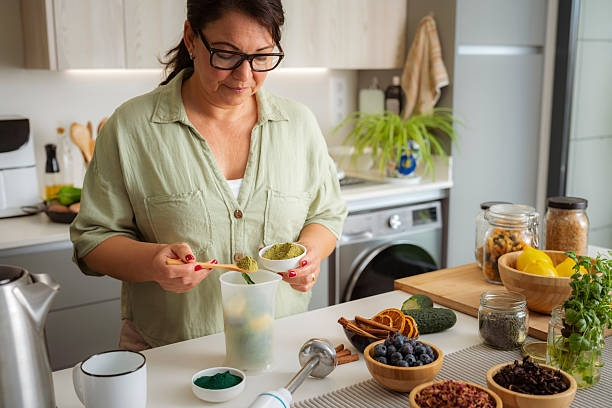
When using moringa to support healthy blood pressure, dosage matters more than speed. Unlike stimulant-based supplements, moringa works through nutrient support and antioxidant effects, which means benefits—if they occur—are gradual.
Starting too high increases the risk of hypotension, dizziness, and medication interactions, especially in individuals already managing blood pressure.
6.1 Beginner Dosage
Starting at ¼–½ teaspoon daily
For most adults, the safest starting point is:
- ¼ teaspoon once daily for the first 3–5 days
- Increase to ½ teaspoon daily only if well tolerated
This low dose allows the body to adapt and helps identify individual sensitivity before moving to higher amounts.
Importance of slow titration
Blood pressure responses vary significantly between individuals. Gradual titration:
- Reduces the risk of sudden blood pressure drops
- Makes side effects easier to identify
- Allows safer use alongside lifestyle changes or medication
Dosage increases should occur no faster than once per week, and only if no adverse symptoms appear.
6.2 Standard Support Dosage
1–2 teaspoons daily (split doses)
For individuals who tolerate moringa well, a common supportive range is:
- 1 teaspoon per day, taken once or divided
- Up to 2 teaspoons per day, split into two doses (morning and early afternoon)
Splitting doses may help maintain steadier nutrient levels and reduce digestive discomfort.
This range is generally considered nutritional support, not therapeutic dosing, which aligns better with safe blood pressure management.
6.3 Upper Limits & Safety Margins
Why more is not better
Higher doses do not necessarily provide greater benefit and may increase the risk of:
- Low blood pressure
- Headaches or dizziness
- Gastrointestinal upset
- Interaction with antihypertensive medications
Moringa is nutrient-dense; excessive intake can overwhelm normal regulatory mechanisms.
When to stop increasing the dose
Stop increasing dosage if any of the following occur:
- Lightheadedness or faintness
- Unusual fatigue
- Headaches
- Noticeable drops in blood pressure readings
For most individuals, 2 teaspoons daily should be considered the upper practical limit for blood pressure support unless supervised by a healthcare professional.
7. Step 4: Best Time & Way to Take Moringa
Timing and preparation play a meaningful role in how moringa is tolerated and how it may influence blood pressure. Even when dosage is appropriate, taking moringa at the wrong time or in the wrong way can increase side effects such as dizziness or digestive discomfort.
7.1 Timing for Blood Pressure Support
Morning vs afternoon
For most people, moringa is best taken:
- In the morning, or
- Early afternoon, preferably before 3–4 p.m.
Morning use aligns well with its nutrient profile, particularly iron and magnesium, which support energy metabolism and circulation throughout the day.
Why nighttime use may cause issues
Taking moringa late in the evening may cause:
- Mild alertness or restlessness in sensitive individuals
- Digestive discomfort before sleep
- Blood pressure fluctuations during nighttime rest
Because blood pressure naturally drops at night, adding moringa too late in the day may amplify this effect for some people, increasing the risk of lightheadedness upon waking.
7.2 Taking Moringa With Food
Reducing nausea and dizziness
Moringa is best tolerated with food, especially during the first few weeks of use. Taking it alongside a meal:
- Reduces stomach irritation
- Lowers the risk of nausea or cramping
- Helps prevent lightheadedness associated with low blood pressure
People who take moringa on an empty stomach are more likely to experience digestive upset.
Improving mineral absorption
Consuming moringa with food also supports absorption of key minerals such as iron and magnesium. Pairing moringa with:
- Healthy fats
- Vitamin C–rich foods
may further enhance nutrient utilization.
7.3 Mixing & Preparation Tips
Smoothies
Blending moringa into smoothies is one of the easiest ways to:
- Mask bitterness
- Improve texture
- Ensure even distribution
Ingredients like banana, mango, berries, yogurt, or nut milk work well.
Yogurt or soft foods
Stirring moringa into yogurt, oatmeal, or applesauce helps reduce clumping and makes it easier to consume for those sensitive to taste.
Warm water or tea
Moringa can be mixed into warm (not boiling) water or mild herbal tea. Using water that is too hot may affect nutrient stability and intensify bitterness.
Avoiding clumps and bitterness
To prevent clumping:
- Add moringa slowly while stirring
- Mix with a small amount of liquid first to form a paste, then dilute
- Avoid dumping powder directly into cold liquid
Starting with small amounts also helps reduce bitterness and improve tolerance.
Thinking about trying moringa?

Before you start, make sure you’re using the right dose and avoiding common side effects.

👉 Download The Moringa Side Effects & Safe Use Guide — a clear, practical resource with dosage charts, safety checklists, and a 7-day start plan so you can use moringa confidently and responsibly.
8. Step 5: Monitor Blood Pressure & Body Response
When using moringa to support blood pressure, monitoring is essential. Natural supplements can still influence physiological systems, and responses vary widely between individuals. Regular tracking helps ensure moringa is providing support without unintended drops or side effects.
8.1 Tracking Blood Pressure at Home
How often to measure
For the first 2–3 weeks of use:
- Measure blood pressure once daily, ideally at the same time each day
- Morning readings are often most consistent
If dosage is increased, resume daily monitoring for several days before spacing readings further apart.
Keeping a simple log
A basic log can help identify trends and correlations. Record:
- Date and time
- Blood pressure reading (systolic/diastolic)
- Moringa dose and timing
- Any symptoms (energy, dizziness, digestion)
This information is valuable both for personal insight and for discussions with healthcare providers.
8.2 Signs It May Be Working
Gradual improvements, not sudden drops
Positive responses to moringa are typically subtle and gradual. Signs of supportive benefit may include:
- Slight downward trends in average blood pressure readings over weeks
- Improved consistency rather than dramatic changes
Sudden or sharp drops are not expected and may indicate excessive dosing.
Improved energy and reduced tension
Some individuals report:
- More stable daytime energy
- Reduced physical tension or stress-related symptoms
- Improved overall well-being
These effects likely reflect improved nutrient intake and antioxidant support rather than direct blood pressure reduction.
8.3 Warning Signs to Stop or Reduce
Moringa should be reduced or discontinued if any of the following occur:
Dizziness or lightheadedness
Especially when standing up, this may indicate blood pressure has dropped too low.
Unusual fatigue
Excessive tiredness or weakness can signal hypotension or mineral imbalance.
Persistent symptoms
Headaches, nausea, or digestive upset that do not resolve with dose reduction should prompt discontinuation and medical advice.
If symptoms persist after stopping moringa, consult a healthcare provider.
9. Step 6: Avoid Dangerous Interactions
One of the most important safety steps when using moringa for blood pressure support is understanding potential interactions with medications. Although moringa is plant-based, it can still influence blood pressure, blood sugar, and electrolyte balance—especially when combined with prescription drugs.
This step is critical for preventing additive effects and unintended complications.
9.1 Blood Pressure Medications
Additive hypotensive effects
Moringa may support blood vessel relaxation and modest blood pressure reduction. When combined with antihypertensive medications, this effect can become additive, increasing the risk of:
- Excessively low blood pressure
- Dizziness or fainting
- Orthostatic hypotension (drop in blood pressure upon standing)
Common medication classes that require caution include:
- ACE inhibitors
- ARBs
- Calcium channel blockers
- Beta blockers
- Combination therapies
Importance of medical supervision
Anyone taking blood pressure medication should:
- Discuss moringa use with their healthcare provider
- Monitor blood pressure more frequently during the first weeks
- Avoid dose increases without professional guidance
Moringa should never be used to replace prescribed medication or to self-adjust medication doses.
9.2 Diabetes Medications
Blood sugar–lowering overlap
Moringa has been shown in both animal and limited human studies to support lower blood glucose levels. When combined with diabetes medications, this overlap may increase the risk of:
- Hypoglycemia (low blood sugar)
- Shakiness, sweating, confusion
- Fatigue or headaches
This is particularly relevant for individuals using:
- Insulin
- Metformin
- Sulfonylureas
- GLP-1 receptor agonists
Blood glucose should be monitored closely if moringa is introduced.
9.3 Diuretics & Electrolyte Balance
Potassium considerations
Moringa is naturally high in potassium, which can be beneficial for blood pressure—but problematic when combined with certain diuretics.
Caution is especially important with:
- Potassium-sparing diuretics
- ACE inhibitors combined with diuretics
Excess potassium (hyperkalemia) may increase the risk of:
- Heart rhythm disturbances
- Muscle weakness
- Fatigue
Individuals using diuretics should not supplement with moringa without medical approval, particularly if kidney function is compromised.
10. Step 7: Long-Term Use & Lifestyle Integration
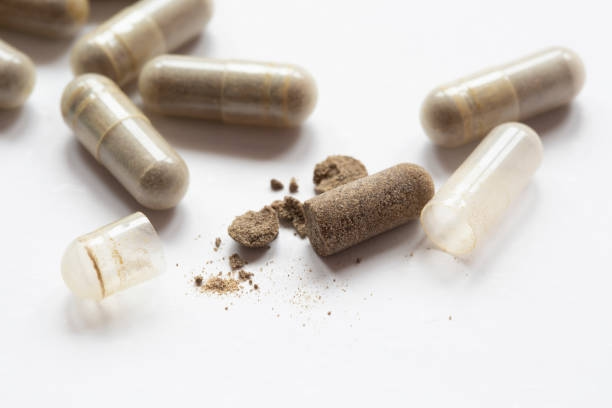
For blood pressure support, moringa works best when viewed as part of a broader lifestyle strategy, not as a quick fix. Understanding how to use it responsibly over time—and how to pair it with supportive habits—is essential for both safety and effectiveness.
10.1 Can Moringa Be Used Long-Term?
What studies and traditional use suggest
Moringa leaf has a long history of traditional dietary use in parts of Africa and South Asia, where it is commonly consumed as a food rather than a medicine. This history suggests a generally favorable safety profile when used in moderate amounts.
Modern research, while still limited in long-term human trials, has not identified serious adverse effects from leaf-based moringa supplementation at conservative doses. Most safety concerns arise from:
- Excessive dosing
- Concentrated extracts
- Use of non-leaf plant parts
For blood pressure support, long-term use should remain nutritional, not pharmacological.
10.2 Cycling vs Continuous Use
When breaks may be helpful
Some individuals prefer to use moringa continuously at low doses, while others benefit from periodic breaks. Cycling may be useful if:
- Blood pressure readings begin trending too low
- Digestive sensitivity develops
- Multiple supplements are being used simultaneously
A common conservative approach is:
- 8–12 weeks of use, followed by
- 1–2 weeks off, then reassessment
Cycling encourages awareness of whether benefits are maintained through lifestyle changes rather than reliance on supplementation alone.
10.3 Supporting Habits That Enhance Results
Moringa’s potential benefits are amplified when combined with foundational blood pressure–supportive habits.
Sodium reduction
Lowering sodium intake remains one of the most effective dietary strategies for blood pressure control. Reducing processed foods enhances the impact of potassium-rich foods like moringa.
Potassium-rich foods
In addition to moringa, potassium sources such as leafy greens, beans, and vegetables support vascular function. Intake should be balanced and individualized, especially for those with kidney concerns.
Physical activity
Regular movement—such as walking, resistance training, or gentle aerobic exercise—improves blood vessel elasticity and helps regulate blood pressure independently of supplementation.
Stress management
Chronic stress contributes to sustained hypertension. Practices such as breathing exercises, sleep optimization, and mindfulness support autonomic balance and may enhance overall results.
How We Choose Moringa Products to Recommend
For blood pressure–related content, we only consider moringa products that meet strict criteria:
- 100% moringa leaf only (no root or seed extracts)
- Organic or pesticide-tested sourcing
- Low-heat or shade-dried processing to preserve nutrients
- Third-party lab testing for heavy metals and contaminants
- Transparent labeling with clear dosage information
Products that use concentrated extracts, proprietary blends, or unclear sourcing are not recommended, even if they are popular or inexpensive.
Recommended Option
For individuals seeking gentle, nutrition-based support, a high-quality organic moringa leaf powder is usually the safest and most flexible option. Powder allows:
- Very small starting doses
- Gradual titration
- Easier monitoring of tolerance
Capsules may be suitable for those who are taste-sensitive, but dosing flexibility is more limited.
You can find our current recommended moringa leaf powder here
(affiliate link — chosen for quality, not claims)
11. Common Mistakes to Avoid
Even when moringa is used with good intentions, certain mistakes can reduce benefits or increase risk, particularly for individuals managing blood pressure. Avoiding the following pitfalls is essential for safe and responsible use.
Using moringa instead of medication
One of the most serious mistakes is treating moringa as a replacement for prescribed blood pressure medication. While moringa may offer supportive nutritional benefits, it does not have the same proven, regulated, or predictable effects as antihypertensive drugs.
Stopping or reducing medication without medical supervision can lead to:
- Uncontrolled hypertension
- Increased risk of heart attack or stroke
- Rebound blood pressure spikes
Moringa should only be used alongside medical care, not in place of it.
Starting with high doses
Beginning with large amounts in hopes of faster results often leads to:
- Dizziness or lightheadedness
- Digestive upset
- Sudden blood pressure drops
Blood pressure responds best to gradual, consistent support, not aggressive dosing. Starting low and increasing slowly is essential for safety.
Ignoring blood pressure monitoring
Failing to monitor blood pressure removes the ability to identify:
- Whether moringa is helping
- Whether readings are dropping too low
- How dosage or timing affects response
Without tracking, individuals may miss warning signs until symptoms become noticeable. Regular monitoring is a non-negotiable part of safe use.
Buying low-quality or contaminated products
Poor-quality moringa products may contain:
- Heavy metals
- Microbial contamination
- Incorrect plant parts (root or seed instead of leaf)
Using uncertified or poorly sourced supplements increases health risks and undermines potential benefits. Quality, sourcing, and lab testing matter significantly.
12. Frequently Asked Questions
Is moringa safe with blood pressure medication?
Moringa may interact with blood pressure medications by enhancing their blood pressure–lowering effects. This can increase the risk of low blood pressure, dizziness, or fainting. For this reason, moringa should only be used with medical supervision if you are taking antihypertensive drugs. Regular blood pressure monitoring is essential, and moringa should never be used to replace prescribed treatment.
How long before blood pressure changes appear?
If moringa has an effect, changes are typically gradual, not immediate. Most people who notice a response report subtle trends over several weeks, rather than sudden drops. Because moringa works through nutritional and antioxidant support, results vary widely and should not be expected in the short term.
Can moringa lower blood pressure too much?
Yes, in some individuals—especially those with low baseline blood pressure or those taking medication—moringa may contribute to excessive blood pressure reduction. Warning signs include lightheadedness, dizziness, fatigue, or fainting. If these occur, dosage should be reduced or discontinued, and a healthcare provider should be consulted.
Is moringa safe for elderly people?
Moringa may be used by older adults, but with extra caution. Elderly individuals are more sensitive to blood pressure changes and medication interactions. If used, it should be started at very low doses, taken with food, and monitored closely. Consultation with a healthcare provider is strongly recommended before beginning supplementation.
13. Final Safety-Focused Verdict
Moringa can be a nutrient-dense, supportive addition to a blood pressure–friendly lifestyle when used carefully and responsibly. Its natural content of potassium, magnesium, and antioxidants may help support vascular health and overall wellness, particularly for individuals with mild or borderline hypertension who are already focusing on diet, movement, and stress reduction.
However, it is essential to be clear: moringa is not a treatment for high blood pressure, and it should never replace prescribed medications or medical care. Its effects, when present, tend to be gradual and modest, reflecting nutritional support rather than pharmacological action.
Medical supervision is especially important for:
- People taking blood pressure, diabetes, or diuretic medications
- Older adults
- Individuals with kidney disease, low blood pressure, or complex health conditions
Used appropriately—starting with low doses, choosing high-quality leaf products, monitoring blood pressure regularly, and integrating healthy lifestyle habits—moringa can fit safely into a long-term wellness routine.
The bottom line: moringa may support blood pressure as part of a broader, medically informed approach, but it should always be viewed as supportive nutrition, not a substitute for treatment. Consulting a healthcare professional remains the safest way to determine whether it belongs in your personal blood pressure management plan.
Thinking about trying moringa?
Before you start, make sure you’re using the right dose and avoiding common side effects.
👉 Download The Moringa Side Effects & Safe Use Guide — a clear, practical resource with dosage charts, safety checklists, and a 7-day start plan so you can use moringa confidently and responsibly.