You Bought Moringa Powder. Now What?
You’ve heard all the amazing things moringa can do.
More energy. Stronger immunity. Clearer skin. Better digestion. Balanced blood sugar.
So you ordered a bag. It arrived. You opened it, took one sniff of that earthy green powder — and suddenly had no idea what to do with it.
Do you eat it straight? Mix it with water? How much is safe? Will it taste disgusting? Will it actually work?
These are completely normal questions. And most people never get straight, honest answers. They find vague blog posts that say “add it to a smoothie!” without telling them how much, when, or why.
This guide is different.
By the end, you’ll know exactly how to use moringa powder every single day. You’ll have the right dose, the best timing for your goals, practical recipes that actually taste good, the science behind why it works, and the common mistakes that cancel out the benefits.
Let’s get into it.
What Is Moringa Powder? (Quick Science-Backed Overview)
Moringa powder is made from the dried, ground leaves of Moringa oleifera — a fast-growing tree native to northern India, Pakistan, and sub-Saharan Africa.
It’s been used in traditional Ayurvedic medicine for over 4,000 years. Ancient texts referenced it as a remedy for more than 300 conditions. Modern science is now catching up and confirming what traditional healers already knew.
The leaves are harvested, dried at low temperatures — ideally below 104°F (40°C) — and ground into a fine green powder. That’s it. No chemicals. No processing. Just pure dried leaf.
And those leaves are extraordinary in terms of nutrient density.
According to research published in the Asian Pacific Journal of Cancer Prevention, moringa leaves contain over 90 nutrients and 46 antioxidants. A single tablespoon (about 7 grams) of dried moringa leaf powder provides approximately:
- Vitamin C: 12% of your recommended daily intake
- Vitamin A: 19% of your RDI
- Iron: 11% of your RDI
- Calcium: 8% of your RDI
- Potassium: 9% of your RDI
- Magnesium: 8% of your RDI
- All 9 essential amino acids — making it a rare complete plant protein
A landmark review published in Phytotherapy Research (2017) described moringa as “nature’s medicine cabinet” — a plant with documented antioxidant, anti-inflammatory, antidiabetic, and antimicrobial properties.
That’s why people use it. And that’s why quality and correct usage matter so much.
Read Also Moringa Nutrition Facts: A Complete Breakdown of Its Nutrients
What Is the Moringa Tree? A Complete Beginner’s Guide
Quick Answer: How Do You Use Moringa Powder?
For anyone who wants the short answer right now:
Start with ½ teaspoon (about 1 gram) per day. Mix it into a smoothie, fresh juice, or warm water with lemon. Take it in the morning. After two weeks, increase to 1–2 teaspoons daily. Be consistent — results build over time, not overnight.
That’s the simple version. Now let’s go much deeper.
How Much Moringa Powder Should You Take Per Day?
Dosage is where most people go wrong — either taking too little to feel anything, or jumping to too much and feeling sick.
Here’s a clear, research-informed breakdown:
Beginner Phase — Week 1 to 2
Dose: ½ teaspoon per day (approximately 1–2 grams)
Start here without exception. Moringa is a powerful bioactive plant. Your digestive system needs time to adapt. Starting too high too fast is the number one reason people experience nausea, bloating, or loose stools and quit.
Building Phase — Week 3 to 4
Dose: 1 teaspoon per day (approximately 2–3 grams)
Once your body has adjusted, increase to a full teaspoon. This is where most people start noticing consistent energy and digestion improvements.
Maintenance Phase — Month 2 onwards
Dose: 1–2 teaspoons per day (approximately 3–6 grams)
This is the sweet spot for most adults. Most clinical research uses doses in the 2–6 gram range. A 2014 study published in the Journal of Food Science and Technology found that 7 grams of moringa leaf powder daily for 90 days significantly improved antioxidant status in postmenopausal women without adverse effects.
What Is the Maximum Safe Dose?
According to a toxicology review in Food and Chemical Toxicology, the no-observed-adverse-effect level (NOAEL) for moringa leaf powder is approximately 1,000 mg per kilogram of body weight per day in animal studies. For humans, researchers generally consider up to 70mg per kilogram of body weight as a conservative safe upper limit.
For a 68kg (150lb) adult, that’s roughly 4.7 grams — about 1.5 teaspoons — per day as a practical maximum for regular use.
The bottom line: More is not better. Stay in the 1–2 teaspoon range for daily maintenance. If you want to take more for specific therapeutic purposes, do so under the guidance of a healthcare provider.
When Is the Best Time to Take Moringa Powder?
Timing genuinely affects how well moringa works for your specific goals. Here’s how to optimize it:
Morning — Best for Energy, Focus, and Overall Wellness
The majority of moringa users and most nutritionists recommend taking it in the morning. Here’s why: moringa is rich in iron, which supports red blood cell production and oxygen transport throughout the body. It also contains B vitamins — particularly B6 and folate — which play critical roles in energy metabolism.
Taking moringa in the morning integrates naturally into an existing routine — a smoothie, a bowl of oatmeal, warm lemon water — making it far easier to stay consistent.
15–20 Minutes Before Meals — Best for Blood Sugar Management
If your primary goal is blood sugar balance, pre-meal timing shows the most promise in research.
A study published in the International Journal of Food Science and Nutrition found that moringa leaf powder taken before a high-carbohydrate meal significantly reduced post-meal blood glucose levels in participants. The isothiocyanates and fiber in moringa appear to slow carbohydrate absorption and improve insulin sensitivity.
Take your dose 15–20 minutes before your largest meals for this effect.
Post-Workout — Best for Recovery and Muscle Support
Moringa’s combination of complete amino acids, anti-inflammatory compounds, and antioxidants makes it well-suited for post-exercise recovery. A 2021 study in Nutrients found that moringa’s polyphenols significantly reduced markers of oxidative stress following intense physical exercise.
Add it to a post-workout shake with banana, protein powder, and almond milk for maximum benefit.
What to Avoid
Avoid taking moringa in the late evening. Its natural energizing properties — particularly the iron and B vitamin content — can interfere with sleep quality for some people, especially those who are sensitive to supplements. If evenings are the only time that works for your schedule, start with a very small dose and monitor how it affects your sleep.
10 Easy Ways to Use Moringa Powder Every Day
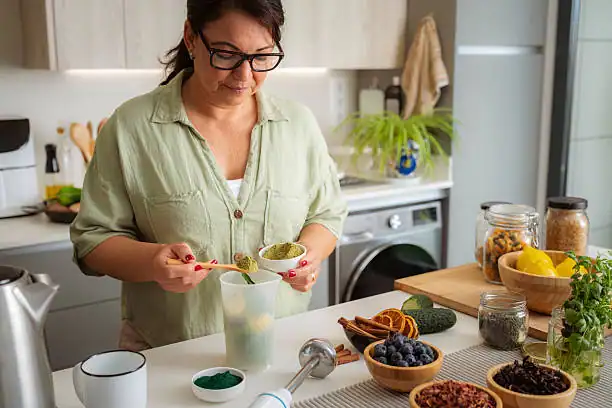
Here’s where it gets truly practical. These are the best methods — tested, tasted, and ranked by how easy they are to stick with long-term.
1. The Tropical Green Smoothie (Most Popular)
This is the gold standard for new moringa users. The fruit completely neutralizes the earthy bitterness.
What you need:
- 1 teaspoon moringa powder
- 1 frozen banana
- 1 cup frozen mango chunks
- 1 cup coconut milk or oat milk
- Juice of half a lime
- Optional: 1 tablespoon honey or medjool date for extra sweetness
Blend until smooth. Drink immediately. You will not taste the moringa. This is the most consistent way to build a daily habit because it tastes genuinely good.
2. Warm Lemon and Ginger Moringa Water
The fastest option. No blender required.
Stir ½ to 1 teaspoon into a glass of warm water with fresh lemon juice and a pinch of ground ginger. Drink it first thing in the morning on an empty stomach.
It’s not the most delicious option — but it takes 90 seconds and it works. Many longtime moringa users swear by this simple ritual.
Critical note: Use warm water, not boiling. Water above 70°C (158°F) can degrade heat-sensitive nutrients including vitamin C. Let boiled water cool for 3–4 minutes before stirring in your moringa.
3. Stirred Into Oatmeal or Porridge
Cook your oatmeal as usual. Remove from heat. Let it cool slightly — about 2 minutes. Then stir in 1 teaspoon of moringa powder.
Top with sliced banana, a drizzle of honey, and a sprinkle of cinnamon. The warmth of the oatmeal and the natural sweetness of the toppings make the moringa almost undetectable.
This is the favorite method for people who don’t enjoy smoothies and want something warm and filling.
4. Mixed Into Greek Yogurt
Stir 1 teaspoon of moringa into plain full-fat Greek yogurt. Add honey, fresh berries, and granola.
The creaminess and slight tang of Greek yogurt pair surprisingly well with moringa’s earthy notes. It also adds protein to your moringa serving, making it a more complete snack or breakfast.
5. Blended Into Fresh Juice
Mix moringa into cold-pressed apple, pineapple, or orange juice. The natural fruit sugars and acidity mask the moringa completely.
Stir vigorously or use a small whisk to prevent clumping. This is a quick option for people who buy fresh juices regularly. Just add your moringa before drinking.
6. Added to Soups, Stews, or Curries
Add moringa to savory dishes after cooking — once the heat is off or very low. Stir in 1–2 teaspoons at the end of cooking.
Moringa blends invisibly into tomato-based sauces, lentil soups, and vegetable curries. You won’t taste or see it, but you get all the nutritional benefit. This is the best method for people who want moringa without changing their diet at all.
7. Moringa Energy Balls (Great for Meal Prep)
Make a batch on Sunday and you have a week of easy moringa servings.
Recipe (makes 15 balls):
- 1 cup rolled oats
- ½ cup natural almond or peanut butter
- 3 tablespoons raw honey or maple syrup
- 1 tablespoon moringa powder
- ¼ cup dark chocolate chips
- 1 tablespoon chia seeds
- Pinch of sea salt
Mix all ingredients in a bowl. Refrigerate for 20 minutes. Roll into balls. Store in the fridge for up to one week.
These are perfect as a pre-workout snack, afternoon energy bite, or healthy dessert alternative.
8. Moringa Tea with Honey
Add ½ teaspoon of moringa powder to a mug. Pour in warm water (not boiling). Add honey, fresh lemon, and a slice of ginger. Stir well and sip slowly.
This is a calming, caffeine-free alternative to green tea. It works especially well in the morning or as a mid-afternoon ritual. The honey softens the bitterness significantly.
9. Moringa Salad Dressing
Whisk together:
- 1 teaspoon moringa powder
- 3 tablespoons olive oil
- 1 tablespoon apple cider vinegar
- 1 teaspoon Dijon mustard
- 1 teaspoon honey
- Salt and pepper to taste
Drizzle over a green salad. The moringa adds color and nutrition without overpowering the flavor. This is a great option for people who eat salads daily and want a seamless way to include moringa.
10. Moringa Face Mask (Topical Use)
Moringa isn’t just for eating. Its antioxidants and anti-inflammatory compounds are effective topically too.
Mix ½ teaspoon moringa powder with 1 tablespoon raw honey and a few drops of rose water. Apply to clean skin. Leave for 10–15 minutes. Rinse with warm water.
Use 2–3 times per week. Many people report reduced breakouts and improved skin clarity within 3–4 weeks of consistent topical use.
The Science-Backed Benefits of Moringa Powder
When you use moringa powder consistently, here’s what the research actually says you can expect:
1. Significantly Reduces Inflammation
Chronic inflammation is the root cause of most modern diseases — from heart disease to arthritis to type 2 diabetes. Moringa contains a group of compounds called isothiocyanates, particularly moringin and moringinine, which have been shown to suppress inflammatory pathways at the cellular level.
A review published in Oxidative Medicine and Cellular Longevity (2020) analyzed 11 studies on moringa’s anti-inflammatory properties and concluded that moringa leaf extract consistently reduced inflammatory markers including C-reactive protein (CRP) and interleukin-6 (IL-6).
Read the full review: Oxidative Medicine and Cellular Longevity, 2020
2. Supports Blood Sugar Balance
This is one of moringa’s most clinically supported benefits. Multiple human studies have examined its effect on blood glucose levels.
A randomized controlled trial published in the Journal of Diabetes found that daily supplementation with moringa leaf powder significantly reduced fasting blood sugar levels in participants with type 2 diabetes over a 3-month period. Researchers attributed this effect primarily to the compound isothiocyanate and the high fiber content of moringa leaves, both of which slow carbohydrate digestion and improve insulin sensitivity.
A separate study in the International Journal of Food Science found that adding 50 grams of moringa leaves to a meal reduced post-meal blood glucose rise by 21% in healthy adults.
View study: Journal of Diabetes research, 2016
3. Powerful Antioxidant Protection
Oxidative stress — caused by an excess of free radicals in the body — damages cells, accelerates aging, and contributes to cancer and cardiovascular disease.
Moringa is one of the richest known plant sources of antioxidants. It contains quercetin, chlorogenic acid, and beta-carotene — three of the most potent antioxidant compounds studied in nutritional science.
A study published in the Journal of Food Science and Technology measured the antioxidant capacity of moringa leaf powder and found it to be significantly higher than many commonly consumed vegetables, including spinach, kale, and broccoli.
Read research: Journal of Food Science and Technology, 2014
4. Supports Natural Energy Without Caffeine
Unlike coffee or energy drinks, moringa supports energy at a cellular level rather than through stimulation of the nervous system. Its rich iron content supports healthy hemoglobin production — which means more oxygen gets delivered to your muscles and brain.
Additionally, moringa is one of the few plant sources of all nine essential amino acids, including leucine and isoleucine — branched-chain amino acids that play a direct role in energy metabolism and muscle function.
Most users report noticeable energy improvements within 7–14 days of consistent use. The effect is described as steady and calm — nothing like the spike-and-crash of caffeine.
5. Strengthens Immune Function
Just one teaspoon of moringa powder provides significant amounts of both vitamin C and vitamin A — two nutrients absolutely critical for immune function.
Vitamin C stimulates the production and function of white blood cells. Vitamin A maintains the integrity of the mucous membranes in your respiratory tract — your first line of defense against viruses and bacteria.
A review in Nutrients journal (2020) specifically highlighted moringa’s potential as an immune-supporting supplement, noting its combination of vitamins, minerals, and bioactive compounds creates a synergistic effect that exceeds what any single nutrient could achieve alone.
6. Supports Cholesterol and Heart Health
A study published in the Journal of Ethnopharmacology found that moringa leaf powder significantly reduced total cholesterol, LDL (“bad”) cholesterol, and triglycerides in participants after 50 days of daily supplementation — while simultaneously increasing HDL (“good”) cholesterol.
The researchers concluded that moringa’s combination of beta-sitosterol, flavonoids, and fiber creates a meaningful cardioprotective effect with regular use.
Read study: Journal of Ethnopharmacology, 2000
Read also Top 15 Evidence-Based of Moringa Powder Benefits(With Dosage & Warnings)
What Does Moringa Taste Like — And How to Make It More Palatable
Let’s be completely honest: moringa has a strong, distinctive flavor. Most people describe it as earthy, grassy, slightly bitter, and a little pungent — somewhere between matcha and spinach, but more intense.
The taste varies considerably by quality. Premium moringa that’s been shade-dried at low temperatures tends to taste cleaner and milder. Lower-quality moringa that’s been heat-processed often tastes harsh and overpoweringly bitter.
If the taste bothers you, here’s what actually helps:
- Pair with tropical fruit — Mango, pineapple, and banana are the most effective at neutralizing moringa’s bitterness. These fruits contain natural sweetness and strong flavor compounds that completely overpower the moringa.
- Add citrus — Lemon or lime juice cuts through bitterness in a way that’s almost magical. Always add citrus when mixing moringa into water.
- Use honey — Raw honey softens the earthy notes significantly. Add it to teas, yogurt bowls, and energy balls.
- Start with less — Begin with ¼ teaspoon and let your palate adjust over 1–2 weeks. Most people stop noticing the taste entirely within a month.
- Invest in a better brand — If your moringa tastes harsh and unpleasant, it may be low quality. Premium brands with transparent sourcing and low-temperature drying taste noticeably better.
6 Mistakes That Cancel Out the Benefits
These are the most common errors — and the ones most likely to make you give up before moringa has a chance to work.
Mistake 1: Starting With Too Much Too Soon
This is the number one reason people quit. They read about the benefits, take a tablespoon on day one, and spend the rest of the day with stomach cramps and digestive discomfort.
Moringa stimulates digestive enzymes and bile production. This is ultimately beneficial, but it can cause temporary upset if you introduce too much too quickly. Start with ½ teaspoon. No exceptions.
Mistake 2: Using Boiling Water
This one quietly destroys the nutritional value. Vitamin C breaks down rapidly above 70°C (158°F). Many of moringa’s heat-sensitive phytonutrients are similarly fragile.
Always let boiled water cool for 3–4 minutes before adding moringa. Warm is ideal. Hot is acceptable. Boiling is wasteful.
Mistake 3: Adding It to Food While Still on the Heat
The same principle applies to cooking. Adding moringa to a simmering pot of soup or a hot pan destroys a significant portion of its nutrients.
Always add moringa after you remove food from the heat. Stir it in at the end. Give it 30 seconds to dissolve, then serve.
Mistake 4: Being Inconsistent
This is the most common mistake of all. People try moringa for a few days, feel nothing dramatic, and stop.
Moringa is not a drug. It doesn’t produce immediate effects. It works by gradually replenishing nutritional deficiencies, reducing systemic inflammation, and supporting cellular health over time. The research studies that show the most impressive results all used moringa consistently for 30–90 days.
One teaspoon every day for 60 days will produce dramatically more benefit than three teaspoons three times a week for two weeks. Make it a daily non-negotiable. Attach it to an existing habit — morning coffee, breakfast, workout routine.
Mistake 5: Buying Low-Quality Powder
Not all moringa is created equal. Many budget brands use leaves dried at high temperatures, which degrades the nutrient profile significantly. Some products contain fillers, anti-caking agents, or are made from stems and seeds rather than pure leaf.
Look for: USDA organic certification, third-party testing, single-ingredient label, and transparent sourcing information. The color should be a vivid deep green. Yellowish or olive-toned powder has been over-processed.
Mistake 6: Ignoring Drug Interactions
Moringa is generally safe — but it’s pharmacologically active. It can enhance the effect of certain medications to a clinically significant degree.
Be particularly careful if you take:
- Diabetes medications (moringa lowers blood sugar — combining the two can cause hypoglycemia)
- Blood pressure medications (moringa has natural hypotensive effects)
- Blood thinners like warfarin (moringa’s vitamin K content may interfere)
- Thyroid medications (moringa may affect thyroid hormone production)
Always discuss supplementation with your doctor if you take any prescription medication.
How to Store Moringa Powder the Right Way
Proper storage protects your investment and keeps moringa potent for longer.
- Keep it airtight. Transfer to a sealed glass jar if the original packaging isn’t resealable. Exposure to air causes oxidation and nutrient loss.
- Store away from light. UV light degrades chlorophyll and antioxidants. Store in a cupboard or pantry, never on an open countertop.
- Avoid all moisture. Never use a damp spoon. Even small amounts of moisture cause clumping, mold, and spoilage.
- Keep it cool. A cool, dark pantry is ideal. You don’t need to refrigerate moringa powder, but keep it away from heat sources like ovens and stovetops.
- Check the color regularly. Bright, vivid deep green = fresh and potent. Dull yellow-olive = degraded. Trust your eyes.
- Use within the shelf life. Most moringa powders are good for 12–24 months sealed, and 3–6 months once opened for peak potency. Check the best-by date on your bag.
How Long Does It Take for Moringa to Work?
This depends on what you’re using it for and your individual health status. Here’s a realistic, honest timeline:
Days 1–7: Some people notice a slight increase in energy, especially if they’re iron-deficient. Digestion may feel slightly stimulated — this is normal and temporary.
Weeks 2–3: Most users report more consistent energy levels, less afternoon fatigue, and improved digestion. Bloating often decreases during this phase.
Weeks 4–6: Skin improvements begin to appear — clearer complexion, reduced breakouts, and a healthier glow. Blood sugar fluctuations may start to feel more stable.
Months 2–3: The deeper benefits — reduced inflammation, improved cholesterol markers, more robust immune function — become measurable. This is the timeframe used in most clinical research studies showing significant outcomes.
The honest truth is that moringa rewards patience. Commit to at least 60 days of consistent daily use before you evaluate whether it’s working for you.
Read also The Complete Moringa Dosage Guide (Backed by Science)
Moringa Tea vs Powder: Which Is Better for You? (Ultimate Guide)
Moringa Supplementation: Evidence-Based Benefits, Dosage, and Safety
7 Critical Moringa Side Effects You Must Know Before Taking It
Frequently Asked Question
Can I take moringa powder on an empty stomach? Most healthy adults can take moringa on an empty stomach without problems. However, if you’re new to it or have a sensitive digestive system, take it with a small amount of food at first. Nausea on an empty stomach is one of the most common beginner complaints and it’s completely avoidable by eating something light first.
Can I mix moringa powder with coffee? Technically yes, but it’s not recommended. Coffee’s high acidity and heat can degrade some of moringa’s nutrients. The flavor combination is also quite intense — bitter on bitter. If you want to combine moringa with a hot morning drink, go with herbal tea or warm lemon water instead.
How do I use moringa powder for weight loss? Moringa supports weight management in three key ways: it helps stabilize blood sugar (reducing cravings and energy crashes), it provides nutrients that support metabolism, and its fiber content improves satiety. Take 1 teaspoon 15 minutes before your two largest meals. Combine with a balanced, whole-food diet and regular movement. Moringa won’t cause weight loss on its own — but it can meaningfully support a healthy weight loss approach.
Can I use moringa powder during pregnancy? This is an important safety question. Moringa leaf powder is generally considered safer during pregnancy than moringa root or bark, which contain compounds that may stimulate uterine contractions. However, most healthcare providers recommend caution with any supplement during pregnancy. Always consult your OB-GYN or midwife before using moringa while pregnant or breastfeeding.
Can children take moringa powder? Moringa leaf is a whole food and has been used safely in children in many parts of the world, particularly in regions where malnutrition is a concern. The WHO has even studied moringa’s use in addressing childhood malnutrition in developing countries. That said, always consult your child’s pediatrician before introducing any supplement. Start with a very small amount — ¼ teaspoon — mixed into familiar food.
Does moringa interact with medications? Yes, and this matters. Moringa can enhance the effects of diabetes medications, blood pressure medications, blood thinners, and thyroid medications. This isn’t necessarily dangerous, but it does require medical supervision. Always inform your doctor if you plan to take moringa while on prescription medications.
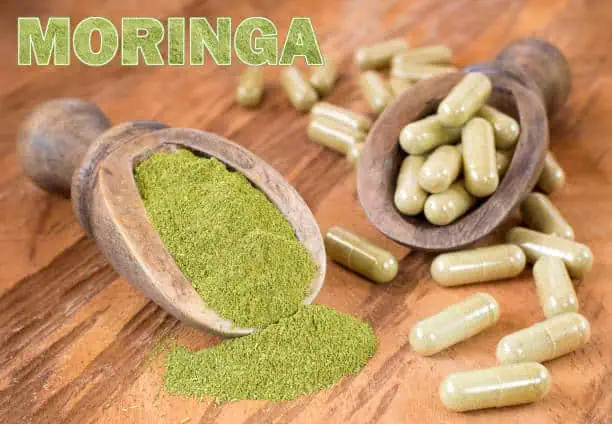
Is moringa powder better than moringa capsules? Both deliver the same active compounds. Powder is more versatile, more affordable per gram, and easier to adjust dosing. Capsules are more convenient and eliminate the taste entirely. If taste is your primary barrier to daily use, capsules are a perfectly valid alternative. If you’re comfortable with the taste and want to add moringa to food and drinks, powder is generally the better value.
How do I know my moringa is working? Track these specific markers: energy levels throughout the day (especially afternoon energy dips), quality of digestion and bloating, skin clarity, sleep quality, and how you feel during workouts. Take notes after 2 weeks, 4 weeks, and 8 weeks. The changes are often subtle and gradual — which is why people miss them if they’re not paying attention.
Can moringa powder go bad? Yes. Signs that moringa has degraded: color shifts from vivid green to dull yellow-olive, smell turns stale or musty, taste becomes noticeably more bitter than usual. Degraded moringa won’t harm you, but it provides very little nutritional benefit. Store it properly and use it within the stated shelf life.
The Bottom Line: How to Use Moringa Powder and Actually Get Results
Using moringa powder correctly comes down to four things:
Start slow. Half a teaspoon. Give your body two weeks to adjust before increasing the dose.
Be consistent. One teaspoon every single morning, added to something you already eat or drink. That’s it. The best method is the one you’ll actually do every day.
Use it right. Avoid boiling water. Don’t cook it at high heat. Add it at the end of food preparation. Store it properly.
Give it time. Commit to 60 days minimum before you judge whether it’s working. Real results — reduced inflammation, balanced blood sugar, stronger immunity — take weeks to develop, not days.
Moringa oleifera has 4,000 years of traditional use and a rapidly growing body of modern clinical research supporting its safety and efficacy. It’s not hype. It’s not a miracle cure. It’s a genuinely exceptional nutrient-dense whole food that works — when you use it correctly and consistently.
Start tomorrow morning. Keep it simple. Stay consistent. Your body will do the rest.
References & Further Reading
- Fahey, J.W. (2005). Moringa oleifera: A Review of the Medical Evidence for Its Nutritional, Therapeutic, and Prophylactic Properties. Trees for Life Journal. trees.forlife.org
- Stohs, S.J. & Hartman, M.J. (2015). Review of the Safety and Efficacy of Moringa oleifera. Phytotherapy Research. doi.org/10.1002/ptr.5325
- Leone, A. et al. (2015). Cultivation, Genetic, Ethnopharmacology, Phytochemistry and Pharmacology of Moringa oleifera Leaves. International Journal of Molecular Sciences. doi.org/10.3390/ijms16023929
- Jaiswal, D. et al. (2009). Effect of Moringa oleifera Lam. Leaves Aqueous Extract Therapy on Hyperglycemic Rats. Journal of Ethnopharmacology. doi.org/10.1016/j.jep.2009.03.036
- Kushwaha, S. et al. (2014). Effect of Supplementation of Drumstick (Moringa oleifera) and Amaranth (Amaranthus tricolor) Leaves Powder on Antioxidant Profile of Postmenopausal Women. Journal of Food Science and Technology. doi.org/10.1007/s13197-011-0293-2
- Vergara-Jimenez, M. et al. (2017). Nutritional Composition, Bioactive Compounds and Biological Activities of Moringa oleifera Leaves. MDPI Nutrients. doi.org/10.3390/nu9091047
- World Health Organization (WHO). Moringa oleifera and Childhood Malnutrition. who.int
This article is for informational and educational purposes only. It is not intended as medical advice and should not replace guidance from a qualified healthcare provider. Always consult your doctor before starting any new supplement, especially if you have a medical condition or take prescription medications.